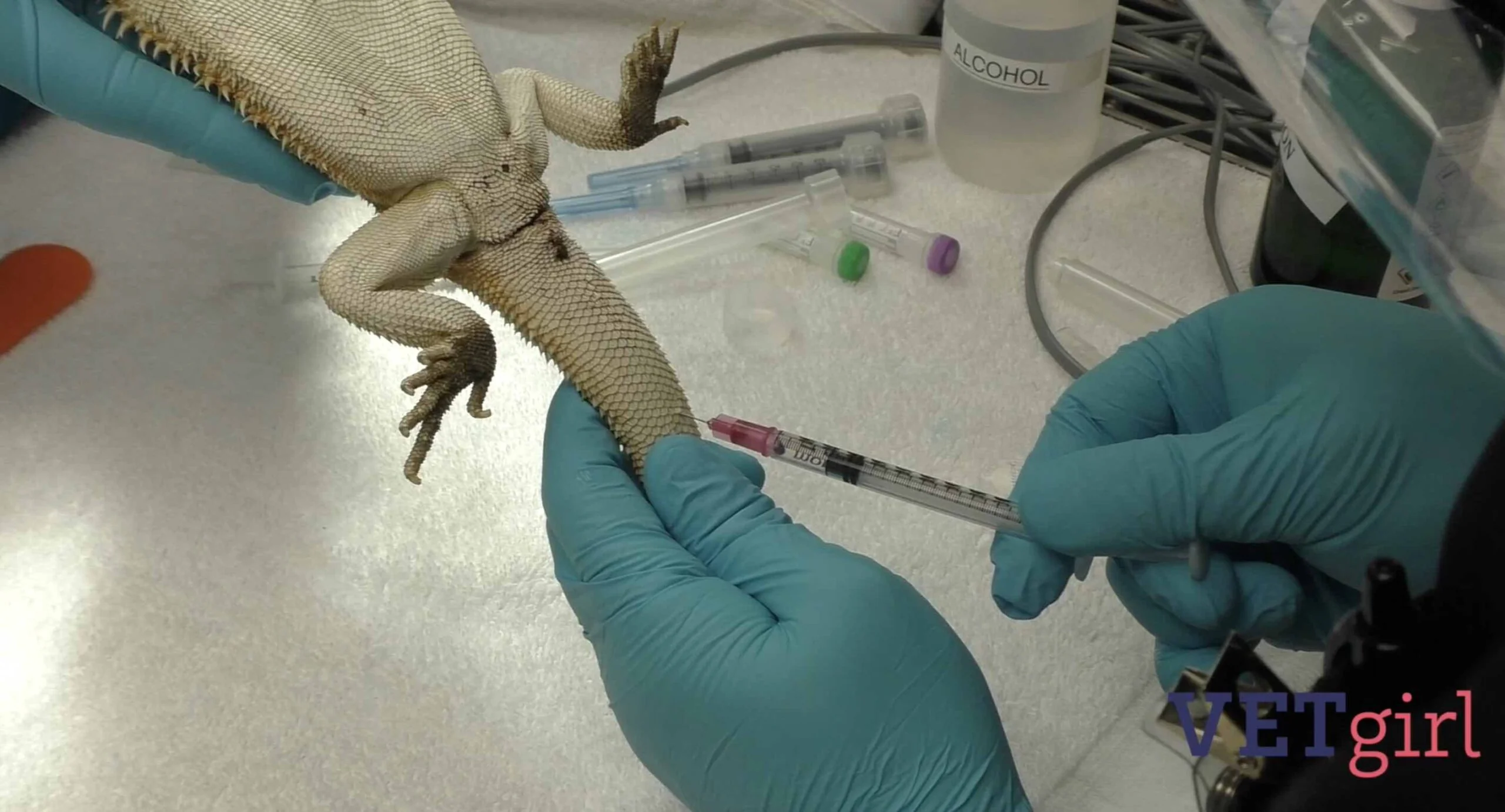
Understanding the Importance of Vet Consultations for Bearded Dragons
Bearded dragons, with their unique needs, require specialized veterinary care. Regular vet consultations are crucial for maintaining their health and well-being. Unlike dogs and cats, bearded dragons can’t always express when they are feeling unwell, making it essential to be proactive in their healthcare. Vet visits allow for early detection of potential health issues before they become severe, increasing the chances of successful treatment. These consultations are not just for emergencies; they are vital for preventative care and ensuring your scaly friend lives a long, happy life. Proper vet care can help prevent common diseases, ensure the correct diet and habitat conditions, and provide you with valuable insights into your pet’s specific needs.
Common Health Issues in Bearded Dragons Requiring Vet Attention
Bearded dragons are susceptible to various health problems, making regular vet check-ups essential. Metabolic Bone Disease (MBD), often caused by calcium and vitamin D3 deficiencies, is a prevalent issue. Respiratory infections, resulting from improper temperatures or humidity, are also common. Parasites, both internal and external, can significantly impact their health. Other concerns include mouth rot, impaction (blockage of the digestive system), and various skin conditions. A veterinarian can diagnose and treat these ailments, often preventing serious complications. Early intervention is crucial for the successful treatment of these issues. Early diagnosis can lead to effective treatment plans and prevent the health issues from developing into something worse. Always seek professional assistance to know the real causes and solutions to these issues.
Recognizing Early Signs of Illness in Your Bearded Dragon

Bearded dragons can’t tell you when they are feeling unwell, so it is critical to be able to recognize the early warning signs of a problem. Changes in appetite, such as a sudden lack of interest in food, can indicate illness. Lethargy, or a lack of energy, is another crucial sign. Watch for changes in behavior, such as hiding more than usual. Physical symptoms like swelling, changes in the color or consistency of droppings, or difficulty breathing should never be ignored. A healthy bearded dragon is alert, active, and has bright, clear eyes. Any deviation from this norm warrants a vet consultation. Prompt action is critical to your pet’s health. Be aware of any change, no matter how subtle it may be. Early detection gives a higher probability of successful treatment.
Preparing for Your Bearded Dragon’s Vet Consultation
Preparation is key to a successful vet visit. Before the consultation, research reptile specialists in your area. Choose a vet experienced in treating bearded dragons. Before you go, gather any relevant information, such as your pet’s feeding habits, the type of lighting and heating you use, and any recent changes in their environment. Make a list of questions to ask the vet. Transport your dragon in a secure carrier, ensuring the environment is temperature-controlled to prevent stress. Bring any previous medical records and a sample of your dragon’s droppings for testing. Your preparation will help the vet to provide the best possible care for your pet. Proper preparation improves the diagnostic process.

Gathering Essential Information for the Vet
When you arrive at the vet’s office, provide the vet with a detailed history of your bearded dragon. Include information about your dragon’s age, diet, and environment. Note any recent changes in behavior, appetite, or droppings. Mention any medications or supplements you are currently administering. The vet will also want to know about the dragon’s enclosure, including temperature, humidity, and type of lighting. Describe any signs of illness you’ve observed, no matter how minor they seem. The more details you provide, the better the vet can understand the situation and make an accurate diagnosis. Your accurate information allows the vet to provide the most efficient treatment possible. Communication with the vet is critical.
What to Expect During a Bearded Dragon Vet Consultation
A typical vet consultation for a bearded dragon involves several steps. First, the vet will ask about your dragon’s history and observed symptoms. Then, a physical examination will be performed, including checking the dragon’s weight, looking at its eyes, skin, and mouth, and listening to its heart and lungs. Diagnostic tests, such as fecal exams, blood tests, or radiographs (X-rays), may be recommended. The vet will explain the findings and discuss potential diagnoses and treatment options. Be prepared to ask questions and clarify any concerns you have. The consultation should be a collaborative process, where you and the vet work together to ensure your dragon’s health. The vet’s aim is to develop a detailed plan for you and your pet. This helps you better provide the care your pet needs.
The Physical Examination Process

A thorough physical examination is a crucial part of the vet consultation. The vet will start by assessing the overall body condition, including weight and muscle mass. They will examine the skin for any signs of infection, parasites, or injuries. The eyes, nose, and mouth will be checked for discharge, inflammation, or other abnormalities. The vet will also listen to the heart and lungs to detect any signs of respiratory or cardiovascular problems. The limbs and joints will be assessed for movement and signs of pain. The vet may also gently palpate the abdomen to check for any swelling or unusual masses. The physical exam allows the vet to check the different body parts, thus ensuring proper functioning. The procedure allows the vet to see all aspects of the dragon.
Common Diagnostic Tests and Procedures
To make an accurate diagnosis, the vet may recommend various diagnostic tests. A fecal examination is often performed to check for parasites. Blood tests can help assess the dragon’s overall health and detect any underlying issues. Radiographs (X-rays) can be used to visualize the skeletal system and internal organs. In some cases, the vet may recommend a culture to identify bacterial or fungal infections. Other procedures may include biopsies or ultrasound. The vet will explain the purpose of each test and what the results mean. These tests help to assess the animal’s health by providing specific information. The goal of the tests is to provide information about the diagnosis.

Discussing Your Bearded Dragon’s History and Symptoms
The veterinarian will likely ask you about the history of your bearded dragon. This includes the age of the animal, the history of its care, and any existing health problems. Be prepared to share information about the diet, enclosure setup, and daily routine of your dragon. The vet will also ask about any symptoms you have observed, such as changes in appetite, behavior, or droppings. It is important to be as detailed and honest as possible, as this information helps the vet make an accurate diagnosis. If you’ve noticed anything unusual, document it and share it with the vet. The more information you provide, the more effective the vet can be. Provide as much detail as possible, as you know the animal better than anyone.

Asking the Right Questions During the Consultation
Don’t hesitate to ask questions during the vet consultation. Ask about the potential diagnosis and treatment options. Inquire about the prognosis and what to expect in the future. Ask about any medications or supplements prescribed, including the dosage, administration instructions, and potential side effects. Ask about preventative care measures you can take to maintain your dragon’s health. If you don’t understand something, ask the vet to explain it in simpler terms. It’s crucial to be an informed and proactive owner. Your questions are important to your pet’s health. Asking the right questions helps you understand and care for your pet effectively. Prepare a list beforehand, so you won’t miss any important details.
Follow-up Care and Treatments after the Vet Visit
After the vet visit, it’s essential to follow the vet’s instructions carefully. Administer any prescribed medications or supplements as directed. Provide proper care and support for your bearded dragon during recovery. This may include adjusting the enclosure’s temperature and humidity, providing a balanced diet, and ensuring a clean environment. Monitor your dragon closely for any changes in its condition and report any concerns to the vet promptly. Schedule any follow-up appointments as needed. Your consistent care is essential to ensure your dragon’s full recovery. Your pet will benefit from following the vet’s guidance.
Administering Medications and Providing Proper Care
Administering medications to a bearded dragon requires care and precision. Always follow the vet’s instructions regarding dosage and administration. If the medication is oral, make sure your dragon swallows it. If the medication is topical, apply it gently to the affected area. Create a stress-free environment for your dragon. Handle your dragon with care, especially if it is unwell. Ensure the enclosure is clean and comfortable. Provide access to fresh water and a balanced diet. Offer plenty of opportunities for basking and exercise. Remember that, with care and compassion, your dragon will make a full recovery. Your love and concern will help your pet in the healing process. Regular monitoring ensures the animal’s progress.
Creating a Healthy Environment for Your Bearded Dragon
A healthy environment is crucial for your bearded dragon’s well-being. Maintain the appropriate temperature gradient within the enclosure. Provide the correct type of UVB and UVA lighting. Ensure the enclosure is clean and hygienic. Offer a balanced diet consisting of insects, vegetables, and occasional fruits. Provide access to fresh water at all times. Regularly clean and disinfect the enclosure to prevent the buildup of bacteria and parasites. Handle your dragon gently and provide plenty of opportunities for interaction and enrichment. By providing an appropriate and caring environment, you can help your bearded dragon live a long and happy life. A healthy environment reduces the possibility of issues. Proper environmental standards promote better health.

