Why Regular Vet Checks Are Vital for Bearded Dragons
Bearded dragons, with their captivating personalities and unique needs, are increasingly popular pets. However, these fascinating reptiles require specialized care to thrive. Regular veterinary checkups are not merely recommended; they are crucial for ensuring your bearded dragon lives a long, healthy, and vibrant life. Understanding the importance of these checkups is the first step toward responsible bearded dragon ownership. These proactive visits allow for early detection of potential health issues, providing the best chance for successful treatment and preventing more serious conditions from developing. Preventative care is essential for these unique pets.
Early Detection of Health Issues
Bearded dragons, like any pet, can be susceptible to a range of health problems, from parasites and infections to metabolic bone disease and respiratory issues. Regular vet checks allow veterinarians to identify these issues in their early stages, often before you, as a pet owner, may notice any symptoms. Early detection significantly increases the chances of successful treatment and can prevent the progression of diseases that could severely impact your dragon’s health and lifespan. A vet can identify subtle changes in behavior, weight, or appearance that might indicate a developing problem, allowing for timely intervention.
Preventative Care Benefits
Beyond early detection, regular vet visits offer numerous preventative care benefits. Veterinarians can provide guidance on proper nutrition, habitat setup, and overall care, ensuring your bearded dragon’s needs are consistently met. They can also administer vaccinations if needed, and offer deworming treatments to prevent parasite infestations. Moreover, these checkups offer an opportunity for you to ask questions and address any concerns you may have regarding your dragon’s health. This proactive approach to care minimizes the risk of future health problems and promotes a healthier, happier life for your scaly friend.
What to Expect During a Bearded Dragon Vet Check
A visit to the reptile veterinarian is a crucial component of your bearded dragon’s health. A comprehensive vet check involves a series of examinations and assessments, designed to evaluate your dragon’s overall well-being. Knowing what to expect can help you prepare and reduce any stress for both you and your pet. The veterinarian will typically begin with a thorough examination, taking note of your dragon’s history and any recent changes in behavior or appearance. This allows the vet to get a full picture of your pet’s health, before a physical examination.

Initial Examination and History

The vet will start by gathering information about your bearded dragon’s history. This includes its age, diet, living environment, and any previous health issues or treatments. They’ll ask about your dragon’s behavior, appetite, and any unusual symptoms you may have observed. This initial interview provides valuable context for the examination and helps the veterinarian understand the overall health of your pet. Be prepared to answer questions about your dragon’s feeding habits, the type of supplements you use, and the temperature and humidity levels in its enclosure.
Physical Examination
The physical examination involves a thorough visual and tactile assessment of your bearded dragon. The veterinarian will examine the eyes, nostrils, and mouth for any signs of infection or abnormalities. They will listen to the heart and lungs with a stethoscope, palpate the abdomen to check for masses or organ enlargement, and assess the overall body condition, looking for signs of emaciation or obesity. The skin will be examined for parasites, lesions, or other abnormalities. The vet will also check the limbs and joints for any signs of injury or disease. This hands-on examination is crucial for identifying any potential health issues.
Fecal Examination
A fecal examination is a routine part of a bearded dragon vet check, used to identify parasites like coccidia, pinworms, or other intestinal parasites. The veterinarian will collect a fresh fecal sample from your dragon and examine it under a microscope. This analysis helps determine if your dragon has any internal parasites that require treatment. Parasites can be common in bearded dragons, and if left untreated, they can cause various health problems. Bringing a fresh sample with you to the vet visit will save time and allow for prompt analysis.
Blood Tests
Blood tests can provide valuable insights into your bearded dragon’s overall health. These tests can assess organ function, detect infections, and evaluate the levels of important substances in the blood. Blood tests are often recommended to diagnose a variety of health conditions and to monitor the effectiveness of treatments. These tests help the vet to determine if there is an underlying health condition. Blood tests can reveal potential issues that are not otherwise apparent through the physical exam, like kidney or liver function problems. This is an important part of preventative care.
Parasite Checks
Checking for parasites, as mentioned earlier, is a part of the routine fecal examination but can also involve blood tests to detect parasites that might have migrated into the bloodstream. These parasites, if present, can cause various health problems. The veterinarian will recommend appropriate deworming medications or other treatments based on the type of parasite identified.
Complete Blood Count
A complete blood count (CBC) is a common blood test that evaluates various components of the blood, including red blood cells, white blood cells, and platelets. The CBC provides information about the overall health of the dragon, detecting any signs of infection, anemia, or other blood disorders. It can also help the veterinarian monitor the dragon’s immune system response and overall health status.
What to Prepare Before Your Vet Visit
Preparing for your bearded dragon’s vet visit can make the experience smoother and more efficient for both you and your pet. Proper preparation involves choosing a qualified veterinarian, ensuring your dragon is safely transported, and gathering any necessary information or samples. Taking the time to prepare beforehand will help to ensure a positive experience and allow the vet to provide the best possible care. Before you go to your appointment, make sure to do the following.

Choosing a Qualified Reptile Veterinarian
Finding a veterinarian who specializes in reptiles is essential. Not all vets have experience with exotic pets, so it’s crucial to find one with specific knowledge of bearded dragons. Ask for recommendations from other reptile owners, search online for specialized vets in your area, or check with local reptile societies. When selecting a veterinarian, consider their experience, qualifications, and any certifications or specializations they may have. Also, consider the clinic’s facilities and whether they have the necessary equipment and resources to care for reptiles. A vet specializing in reptile care is one of the most crucial factors when caring for your bearded dragon.
Preparing Your Bearded Dragon for Transport
Transporting your bearded dragon safely is critical to prevent stress or injury. Use a secure, well-ventilated carrier specifically designed for reptiles. Line the carrier with a soft, absorbent material, such as paper towels, to provide a comfortable environment. Maintain a consistent temperature inside the carrier during transport, as bearded dragons are sensitive to temperature fluctuations. Avoid placing the carrier in direct sunlight or cold drafts. During the trip, keep the carrier stable and avoid sudden movements. If the journey is long, consider bringing a small water source.
Bringing a Recent Fecal Sample

As mentioned earlier, bringing a fresh fecal sample to the vet visit is highly recommended. Collect the sample in a clean, sealed container and refrigerate it if you cannot bring it to the vet immediately. Providing a recent sample allows the veterinarian to perform a fecal examination and check for parasites. Make sure the sample is as fresh as possible, as this ensures the most accurate results. Bringing a fecal sample can save valuable time during the appointment.
5 Key Vet Check Routines for Bearded Dragons
Several key routines form the foundation of preventative care for bearded dragons. Adhering to a consistent schedule of vet checkups, along with providing a healthy environment, can significantly improve the health and lifespan of your pet. These routines include annual physical examinations, fecal exams for parasites, blood work, and inspections of the oral cavity, nails, and scales. Understanding and implementing these routines is vital for any responsible bearded dragon owner.
Annual Physical Examination
An annual physical examination is a cornerstone of bearded dragon healthcare. During this exam, the vet will perform a thorough assessment of your dragon’s overall health, as mentioned earlier. The vet will check the body condition, weight, and look for any signs of illness or injury. The vet will check the eyes, ears, nose, and mouth for any abnormalities. This annual examination allows the vet to identify potential problems early. It also provides an opportunity to discuss any concerns you may have about your dragon’s health or care.
Fecal Exams for Parasites
Fecal exams are regularly conducted to identify and treat internal parasites. Parasites are common in bearded dragons, and if left untreated, can cause various health problems. Regular fecal exams allow for the early detection and treatment of these parasites. Your vet can recommend appropriate medications to eliminate the parasites. Regular fecal exams contribute to a healthy digestive system for your bearded dragon.
Blood Work
Blood work is a valuable diagnostic tool that can help assess your bearded dragon’s overall health and detect any underlying conditions. Blood tests, such as a complete blood count (CBC) and a chemistry panel, provide information about the function of internal organs, the presence of infections, and the levels of important substances in the blood. These tests can reveal potential problems that are not otherwise apparent through a physical exam. Regular blood work can help to identify and manage potential health problems.
Oral Cavity Inspection

The vet will examine your bearded dragon’s oral cavity, including the mouth, tongue, and teeth. They will look for signs of dental disease, infections, or any other abnormalities. Problems in the mouth can lead to difficulty eating, weight loss, and other health issues. Regular oral cavity inspections can help to catch any issues early. They can also provide guidance on proper dental care to ensure your dragon’s oral health.
Nail and Scale Inspection
The veterinarian will inspect your bearded dragon’s nails and scales for any signs of injury, infection, or disease. Overgrown nails can be trimmed to prevent discomfort and problems with walking. The vet will also examine the scales for any abnormalities, such as scale rot or other skin conditions. This inspection helps the vet to identify any issues that might be affecting your dragon’s overall health and comfort.
Creating a Healthy Environment for Your Dragon
Creating a healthy environment is essential for your bearded dragon’s well-being, supplementing the benefits of regular vet checkups. This involves providing proper nutrition, optimal habitat setup, and regular cleaning and hygiene practices. A well-maintained environment will contribute to your dragon’s overall health and longevity. These practices are crucial in keeping your dragon happy and healthy.
Proper Diet and Nutrition

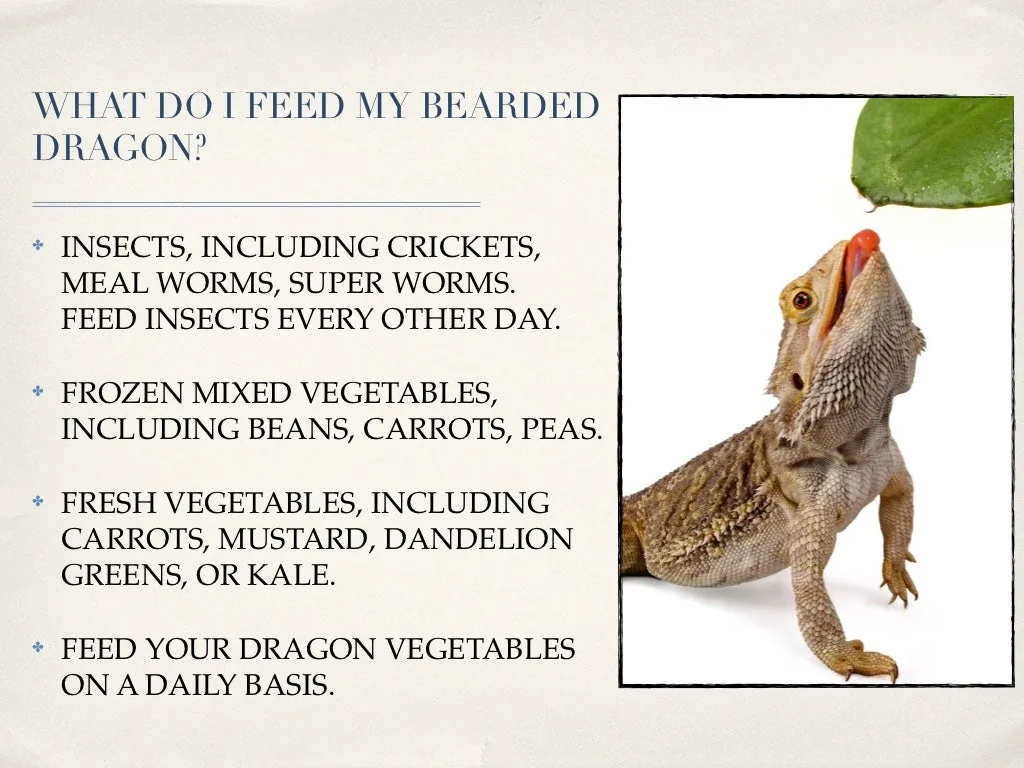
A balanced diet is critical for your bearded dragon’s health. Provide a variety of insects, such as crickets, mealworms, and Dubia roaches, as well as leafy greens, vegetables, and occasionally fruits. Dust insects with calcium and vitamin D3 supplements to ensure adequate intake. The specific dietary needs of your bearded dragon will vary depending on its age, so consult with your veterinarian for personalized recommendations.
Optimal Habitat Setup
The habitat must mimic your bearded dragon’s natural environment, which involves providing appropriate temperature gradients, UVB and UVA lighting, and adequate space for movement. Maintain the correct temperature and humidity levels. The enclosure should be large enough for your dragon to move around comfortably and should include hiding places and climbing structures. A well-designed habitat is critical for your dragon’s health and well-being. A well-designed environment will allow your dragon to thrive.
Regular Cleaning and Hygiene
Regular cleaning and hygiene practices are essential for preventing the spread of diseases and maintaining a healthy environment. Spot-clean the enclosure daily, removing any feces and uneaten food. Perform a thorough cleaning of the enclosure, including disinfecting surfaces, at least once a month. Replace the substrate regularly and ensure proper ventilation. Maintaining a clean and hygienic environment will help keep your dragon healthy. Thorough cleaning practices are important for a healthy dragon.
Signs Your Bearded Dragon Needs Immediate Veterinary Attention
While regular vet checks are essential for preventative care, there are certain signs that indicate your bearded dragon needs immediate veterinary attention. Recognizing these symptoms and seeking prompt medical care can save your dragon’s life. Knowing these red flags can make the difference.
Lethargy or Lack of Appetite

If your bearded dragon is unusually lethargic, unresponsive, or refusing to eat, it could indicate a serious health problem. A loss of appetite can be a sign of various conditions, including infections, parasites, or metabolic disorders. If you notice these symptoms, seek immediate veterinary care to determine the underlying cause and begin treatment.
Difficulty Breathing
Any signs of difficulty breathing, such as wheezing, open-mouth breathing, or labored breathing, require immediate veterinary attention. Respiratory problems can be caused by infections, pneumonia, or other serious conditions. Quick intervention by a veterinarian is crucial to ensure your dragon’s health.
Swelling or Unusual Lumps
Any swelling or unusual lumps on your bearded dragon’s body should be investigated by a veterinarian. These could be a sign of tumors, abscesses, or other health issues. Early detection and treatment are critical for managing these conditions effectively. Contact your vet immediately.
Conclusion
Regular veterinary checkups are an indispensable part of responsible bearded dragon ownership. By understanding the importance of preventative care, knowing what to expect during a vet visit, and being aware of the signs that warrant immediate attention, you can significantly improve your dragon’s health and longevity. Prioritizing your bearded dragon’s health through these essential vet check routines will allow you to enjoy many years of companionship with your scaly friend.