Why UVB Lighting is Crucial for Bearded Dragons
Bearded dragons, native to the arid regions of Australia, require UVB lighting to thrive in captivity. Unlike humans, bearded dragons cannot synthesize Vitamin D3 efficiently without exposure to UVB radiation. This is because UVB light allows them to process calcium effectively, which is vital for their overall health and well-being. Providing the correct UVB lighting setup is therefore one of the most critical aspects of bearded dragon care. Without it, they are likely to develop serious health issues, ultimately impacting their lifespan.
Understanding UVB Light and Its Benefits
UVB (ultraviolet B) light is a specific part of the ultraviolet spectrum emitted by the sun. In the wild, bearded dragons bask in the sun to absorb UVB, which triggers Vitamin D3 synthesis in their skin. Vitamin D3 is essential for calcium absorption from their diet. This absorbed calcium is vital for bone health, and overall physiological functions. When providing UVB lighting, you are essentially replicating this natural process, ensuring your bearded dragon gets the necessary UVB radiation for a healthy life.

Metabolic Bone Disease (MBD) Prevention
One of the most significant benefits of UVB lighting is the prevention of Metabolic Bone Disease (MBD). MBD is a common and often fatal condition in captive reptiles caused by a lack of calcium or an inability to process it. This happens because of insufficient UVB exposure. Symptoms of MBD include lethargy, loss of appetite, weakness, swollen limbs, and deformities of the bones. Providing proper UVB lighting and a calcium-rich diet are critical in preventing MBD and ensuring your bearded dragon lives a long and healthy life. Proper UVB setup is essential for bearded dragon health.
Promoting Natural Behaviors
UVB lighting also encourages natural behaviors in bearded dragons. Basking under UVB helps regulate their body temperature and supports their immune system. When they bask, it also stimulates natural behaviors like increased activity, improved appetite, and a more robust immune response. Without UVB, a bearded dragon may become inactive, display a poor appetite, and have a weakened immune system, making it more susceptible to disease. By replicating their natural environment, UVB lighting helps them thrive, both physically and psychologically.
Choosing the Right UVB Lighting for Your Dragon
Selecting the right UVB lighting setup can be a confusing task given the different types of bulbs available. It is important to understand the differences to provide the optimal environment for your bearded dragon. Consider factors like the size of the enclosure, the distance the UVB light will be from your dragon, and the brand and strength of the bulb. It is always best to do thorough research and consult with a veterinarian or experienced reptile keeper to determine the best setup for your specific pet.
Types of UVB Bulbs
There are generally two main types of UVB bulbs used for bearded dragons: fluorescent tube bulbs and mercury vapor bulbs. Fluorescent tube bulbs come in various lengths and UVB percentages, making them suitable for different enclosure sizes. Mercury vapor bulbs are self-ballasted and provide both UVB and heat. The type of bulb you choose will depend on your enclosure setup and your dragon’s needs, but both types require careful selection and placement to ensure proper UVB exposure. Proper installation and placement are the key.
UVB Strength and Distance
The strength of a UVB bulb is measured in UVB percentage (e.g., 10%, 12%) and the distance from the basking spot is crucial. The further the distance, the less UVB your dragon receives. For example, a 10% UVB tube bulb may be suitable for a standard-sized enclosure, while a mercury vapor bulb might be better suited for a larger enclosure due to its intensity and reach. Always check the manufacturer’s recommendations regarding the appropriate distance for your chosen bulb to ensure your dragon gets the required UVB exposure without being overexposed or underexposed.
UVB Bulb Placement
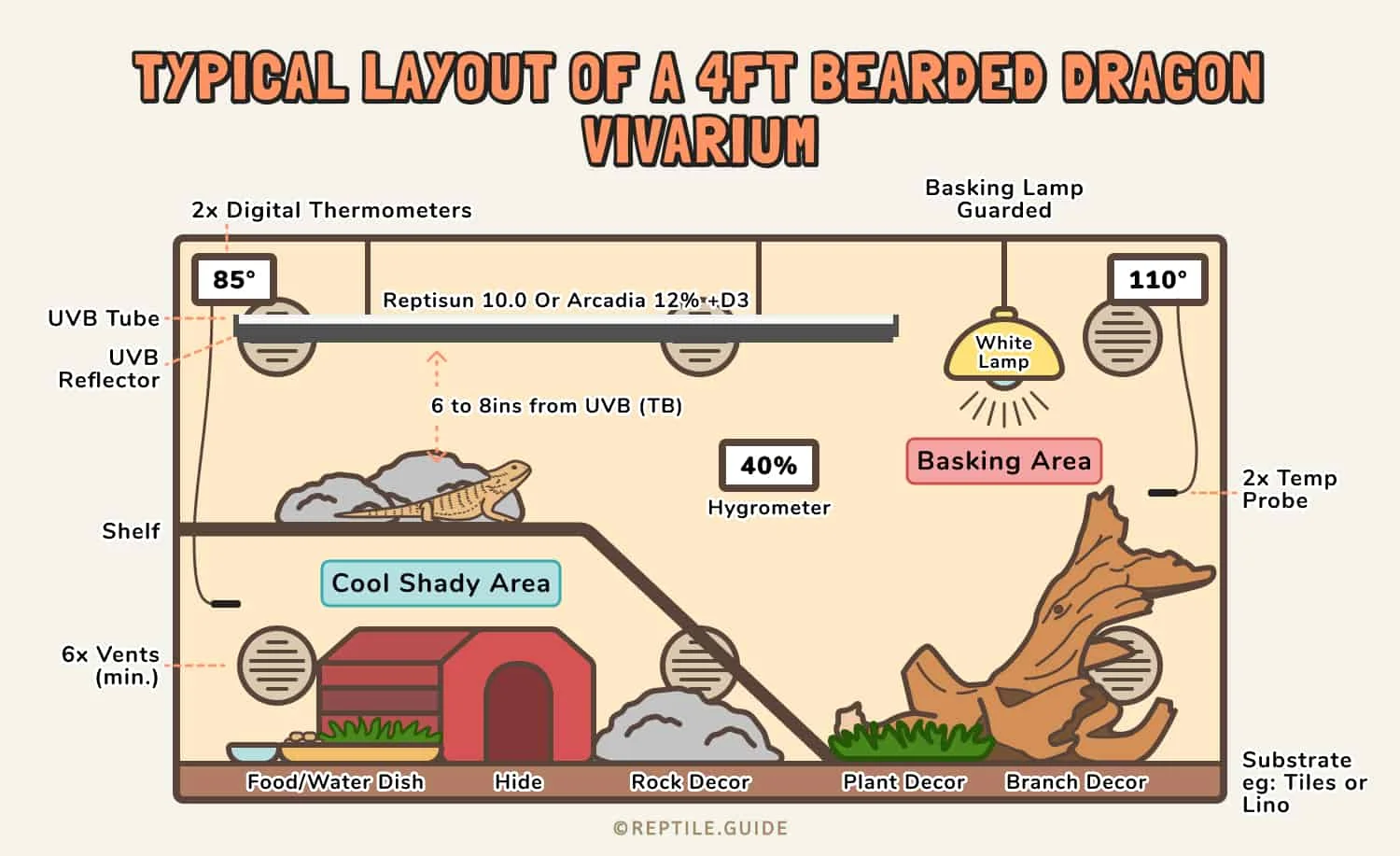
Correct bulb placement is critical for achieving the desired UVB exposure levels. Fluorescent tube bulbs are often placed across the length of the enclosure to provide a broad UVB gradient. Mercury vapor bulbs, which also produce heat, are usually placed at one end to create a basking spot. Always ensure the UVB light can reach your dragon’s basking spot. Avoid placing the bulb behind any barriers like glass or plastic, as these materials can filter out UVB rays. Placement directly above the basking spot is usually ideal, allowing your dragon to regulate its UVB exposure by moving closer or further from the light source.

Best UVB Bulb Brands
Several reputable brands offer UVB bulbs specifically designed for reptiles. Arcadia and Zoo Med are widely recommended and trusted for providing high-quality, effective UVB lighting. Arcadia bulbs are known for their accurate UVB output and are often favored for their natural spectrum. Zoo Med offers a range of UVB bulbs, including mercury vapor and fluorescent options. It is essential to research the brands and bulbs available to choose one that aligns with your enclosure setup and your dragon’s needs.
Safe Installation of UVB Lighting
Installing UVB lighting requires careful planning and execution to ensure your bearded dragon’s safety and effectiveness of the lighting. Following safety precautions and understanding the steps involved is key to ensuring the health of your pet. From selecting the correct bulb type to setting up the placement, the installation process is critical for providing your dragon with the essential UVB needed for optimal health.
Preparation and Safety Precautions

Before starting the installation, switch off the power supply to the enclosure. Gather all the necessary tools and materials. Wear safety glasses and use a ladder or sturdy platform for easy reach. Consider using a reflector to direct the UVB rays. Read the manufacturer’s instructions for the bulb and fixture to ensure you understand the setup. Ensure the bulb and fixture are compatible and rated for reptile use. Ensure ventilation in the enclosure and consider the placement of the bulb to avoid any fire hazards. Safety first!
Tools and Materials Needed
You will need the correct size and type of UVB bulb and a suitable fixture or housing. You may need a reflector to enhance the UVB output. A measuring tape to assess the distance from the basking spot is helpful. A level for ensuring the fixture is correctly positioned. Depending on the fixture, you might need screws, clips, or adhesive to secure it. You will also need a UVB meter to test the UVB output levels once the installation is complete. Having these tools and materials will allow for a smooth and safe installation process.
Step-by-Step Installation Guide
First, attach the fixture to the inside of the enclosure. Ensure it’s securely fastened and positioned according to the bulb manufacturer’s recommendations for optimal UVB distribution. Next, insert the UVB bulb into the fixture, taking care not to touch the glass with your bare hands. Position the fixture so the light is focused above the basking spot. If using a reflector, attach it to the fixture or enclosure, following the instructions. Ensure all the wires are safely tucked away to prevent any potential hazards. Finally, plug in the fixture and turn on the power to test the lighting. Ensure the bulb starts without issue. Check the setup is stable and secure.
Proper Placement Inside the Enclosure
The position of the UVB lighting inside the enclosure directly impacts its effectiveness. The UVB source should be positioned to provide a gradient of UVB exposure, with the highest levels at the basking spot. The basking spot should be at a suitable distance from the UVB bulb, as recommended by the bulb’s manufacturer. This ensures the dragon receives optimal UVB exposure. Allow your bearded dragon to move closer or further away from the light, allowing it to thermoregulate and control its UVB exposure. Avoid positioning the UVB bulb behind any glass or plastic, as it can filter out the UVB rays.
Testing UVB Levels
After installing your UVB lighting, it’s crucial to test the UVB levels to ensure they meet your dragon’s needs. Use a UVB meter to measure the UVB index (UVB-i) at the basking spot and other areas of the enclosure. The UVB-i readings should align with the recommendations for bearded dragons, typically between 2.0 and 7.0 at the basking spot. If the readings are too low, adjust the bulb distance or consider using a higher output bulb. If the readings are too high, increase the distance between the bulb and the basking spot. Regular testing is critical to ensuring consistent and safe UVB exposure.
Maintaining UVB Lighting
Maintaining your UVB lighting is crucial for ensuring its effectiveness. Like all lighting, UVB bulbs have a limited lifespan and their UVB output diminishes over time. Regular monitoring and replacement are necessary to ensure your bearded dragon continues to receive adequate UVB exposure for proper health. Cleaning, inspection, and consistent practices will ensure your lighting system performs effectively.
Regular Bulb Replacement
UVB bulbs should be replaced according to the manufacturer’s recommendations. Most fluorescent tube bulbs need replacing every 6-12 months. Mercury vapor bulbs generally last longer, often up to a year. Replacing your bulbs at the recommended intervals is critical, even if the bulb still appears to be working. This is because the UVB output diminishes significantly over time. Keep track of the date you installed the bulb, and set reminders for replacement. This practice will ensure your bearded dragon continually receives the UVB radiation it needs.
Cleaning and Inspection
Regular cleaning and inspection of your UVB lighting setup will help maintain its effectiveness and safety. Gently wipe the bulb and fixture with a soft, dry cloth to remove any dust or debris that could block UVB rays. Inspect the fixture for any signs of damage, such as loose wires or cracked components. Ensure the bulb is securely in place and there are no obstructions blocking the light. Cleaning and inspection, combined with replacement schedules, are important parts of proper reptile care.
Common Mistakes to Avoid
There are several common mistakes that reptile keepers make when setting up and maintaining UVB lighting. These mistakes can negatively affect a bearded dragon’s health, so it’s crucial to understand and avoid them. Preventing common mistakes will ensure your bearded dragon thrives in its environment, promoting a longer, healthier life.
Incorrect Bulb Placement
One of the most common mistakes is incorrect bulb placement. Placing the UVB bulb too far from the basking spot can reduce the UVB exposure levels to ineffective levels. Conversely, placing the bulb too close can lead to overexposure and potential eye damage. Always follow the manufacturer’s instructions regarding distance and ensure the light reaches the basking area directly. Using a UVB meter to measure the UVB index at the basking spot is the best way to ensure correct positioning.
Ignoring Bulb Lifespan

Another common mistake is failing to replace the UVB bulbs on schedule. Even if the bulb appears to be working, the UVB output decreases significantly over time. This decline in UVB output is not visible to the naked eye. Ignoring the recommended lifespan of your UVB bulb will leave your bearded dragon under-exposed to UVB, leading to potential health problems. Always keep track of the bulb’s installation date and replace it as recommended by the manufacturer.
Insufficient UVB Levels
Providing insufficient UVB levels is a serious mistake that can lead to MBD and other health issues. Choosing the wrong type of bulb, using an old bulb, or incorrect placement can contribute to inadequate UVB exposure. Ensure you select a bulb appropriate for your enclosure and your dragon’s needs. Use a UVB meter to measure the UVB index and make adjustments to the bulb’s placement or consider a stronger bulb if needed. Insufficient UVB levels is the biggest problem and the most common cause of health issues. Therefore, this is an extremely important point to address and avoid.

Creating a Safe and Healthy Environment
By following the guidelines outlined in this guide, you can create a safe and healthy environment for your bearded dragon, promoting optimal health and well-being. A healthy environment includes providing proper UVB lighting, a balanced diet, and a clean habitat. All these elements work together to ensure that your pet thrives. Understanding the essential elements of bearded dragon care is a fundamental aspect of responsible pet ownership.
Monitoring Your Bearded Dragon’s Health
Regularly monitor your bearded dragon for signs of illness or UVB deficiency. These signs include lethargy, loss of appetite, weakness, and bone deformities. If you notice any of these symptoms, consult a veterinarian immediately. Proper UVB lighting, combined with regular monitoring, ensures that you can catch potential problems early. Early detection and intervention significantly improves the likelihood of successful treatment. Always observe your pet’s behavior and habits for early indicators of health concerns. Make sure to schedule regular vet visits to prevent issues from occurring.
Signs of UVB Deficiency

Recognizing the signs of UVB deficiency is crucial for providing prompt care. Some of the most common signs include lethargy, lack of appetite, and a reluctance to move. Other signs include weakness, and swollen limbs. In advanced cases, you might notice bone deformities or paralysis. If your bearded dragon exhibits any of these signs, review your UVB lighting setup and schedule an appointment with a veterinarian immediately. Prompt treatment can prevent the progression of MBD and improve your dragon’s prognosis.
Conclusion
Providing proper UVB lighting is essential for the health and well-being of your bearded dragon. By understanding the benefits of UVB, choosing the right equipment, and installing it correctly, you can create a safe and healthy environment. Regular maintenance, including bulb replacement and monitoring, is vital for ensuring your dragon gets the UVB it needs. By following these guidelines, you can provide your bearded dragon with everything needed to lead a long, healthy, and happy life. Remember, a well-lit and well-cared-for bearded dragon is a happy bearded dragon.