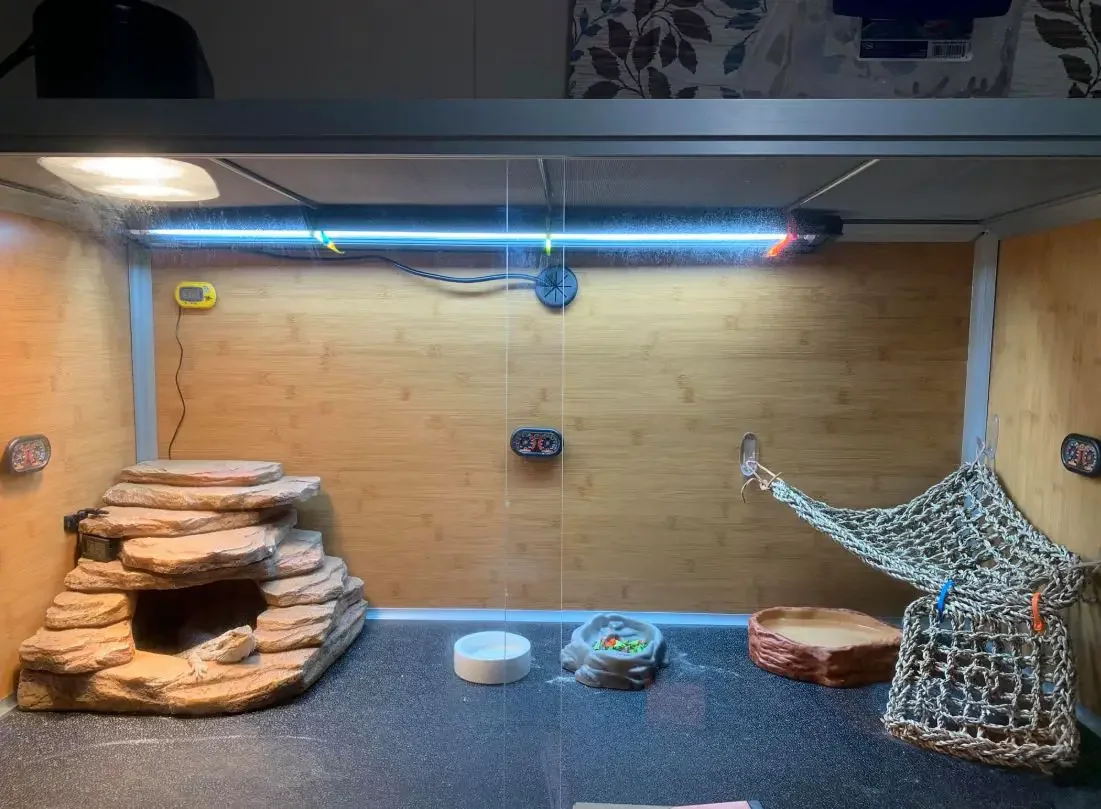
Top 5 UVB Lighting Mistakes for Bearded Dragons
Bearded dragons, with their captivating personalities and unique needs, have become popular pets. One of the most critical aspects of their care is proper UVB lighting, which is essential for their health and well-being. However, many owners inadvertently make mistakes that can harm their beloved reptiles. This guide will help you avoid the top 5 common UVB lighting errors and ensure your bearded dragon thrives. By understanding these pitfalls, you can create an ideal environment where your dragon can bask, absorb vital nutrients, and display natural behaviors.
Incorrect UVB Bulb Type
Choosing the wrong type of UVB bulb is a frequent mistake. Not all UVB bulbs are created equal, and selecting the appropriate one is vital for your bearded dragon’s health. The ideal UVB bulb emits the correct spectrum of UVB light that mimics the natural sunlight they would receive in their native habitat. Using an inappropriate bulb can lead to various health issues, including metabolic bone disease (MBD), which is a severe condition caused by calcium deficiency.
Importance of Proper UVB Bulb Selection
When selecting a UVB bulb, research is paramount. Consider the UVB output (UVI or percentage) of the bulb and choose one that matches the specific needs of your bearded dragon. T5 bulbs are often preferred over T8 bulbs because they provide a more intense and focused UVB output, which is beneficial for larger enclosures. Furthermore, different brands offer varying levels of UVB, so research the brand’s reputation and ensure it is specifically designed for reptiles.
Choosing the Right UVB Strength (UVI)
The strength or UVI (UV Index) of your UVB bulb is essential. Bearded dragons require a specific UVI range for optimal health. The ideal UVI for a bearded dragon basking spot is usually between 4.0 and 7.0. This level allows them to synthesize vitamin D3 efficiently, crucial for calcium absorption. The correct UVI also supports healthy appetite, proper digestion, and overall activity levels. Using a UV meter to measure the UVI at your dragon’s basking spot is highly recommended to ensure it meets these requirements. Ensure the bulb is appropriate for the enclosure size, too large an enclosure may need a stronger bulb.
Positioning UVB Lighting Too Far
One of the most common mistakes is placing the UVB lighting too far from the basking spot. The intensity of UVB light decreases significantly with distance. If the UVB bulb is too far away, your bearded dragon might not receive enough UVB radiation to maintain optimal health. This can lead to various health problems, including reduced appetite, lethargy, and MBD. It is, therefore, crucial to position the UVB bulb correctly.
Impact of Distance on UVB Effectiveness
As the distance between the UVB source and your bearded dragon increases, the UVB output decreases exponentially. This is why it’s crucial to maintain the manufacturer’s recommended distance. Many UVB bulbs come with specific instructions on how far away they should be from your reptile. Always check the bulb’s specifications. Furthermore, the placement of decorations such as branches, rocks, and plants should allow your dragon to get close enough to the UVB source to bask effectively. Using a UV meter to check the UVI at the basking spot is the most accurate way to confirm the correct distance.

Why Distance Matters for Bearded Dragons
Bearded dragons need UVB to synthesize vitamin D3, which helps them absorb calcium. Insufficient UVB exposure due to improper distance can lead to calcium deficiency, resulting in MBD. This condition causes bone deformities, weakness, and other severe health issues. Correct positioning of the UVB bulb is, therefore, vital to prevent such problems. Regularly monitoring your dragon’s basking habits can also offer clues regarding appropriate UVB levels. If the dragon spends excessive time trying to get closer to the bulb, it may be an indication that the UVB source is too far away.
Failure to Replace UVB Bulbs
UVB bulbs don’t last forever; they degrade over time, even if the light still appears to be emitting. Many owners are unaware of this fact and fail to replace their bulbs regularly, leading to insufficient UVB exposure for their bearded dragons. The lifespan of a UVB bulb varies depending on the brand and type, but typically, they need to be replaced every 6 to 12 months. Regular replacement ensures your dragon continues to receive the necessary UVB radiation for optimal health.
UVB Bulb Lifespan and Degradation
UVB bulbs gradually lose their effectiveness over time. The UVB output decreases significantly, even if the bulb still emits visible light. This degradation occurs due to the bulb’s internal components aging and the gases inside breaking down. Many bulb manufacturers provide an estimated lifespan for their products. Keeping track of when you installed your UVB bulb is crucial, and replacing it according to the manufacturer’s recommendations ensures your dragon’s health is not compromised. Note the date of installation directly on the bulb or enclosure to help you track its life.
Consequences of Expired UVB Bulbs
Using an expired UVB bulb can lead to a variety of health problems for your bearded dragon. The most common issue is insufficient UVB exposure, leading to vitamin D3 deficiency and a decrease in calcium absorption. This can result in MBD, a potentially fatal condition characterized by bone deformities, paralysis, and metabolic issues. Other potential effects include reduced appetite, lethargy, and suppressed immune function. Regularly replacing the UVB bulb within its recommended lifespan is, therefore, vital for your bearded dragon’s health and well-being.
Ignoring the Basking Spot Temperature
Creating an appropriate temperature gradient in the enclosure is essential for a bearded dragon’s well-being. This means providing a basking spot with a specific temperature that allows the dragon to regulate its body temperature. The basking spot should be warm enough to promote optimal digestion and metabolic processes. Ignoring the basking spot temperature can lead to various health problems, including digestive issues and a weakened immune system.
Optimizing the Basking Spot Temperature
The ideal basking spot temperature for a bearded dragon is typically between 95°F and 110°F (35°C and 43°C). The exact temperature depends on the age and species of the dragon, so research the specific requirements. Ensure the basking spot is easily accessible and that the dragon can regulate its temperature by moving between warm and cooler areas of the enclosure. Using a heat lamp or a ceramic heat emitter to create the basking spot is essential. Always monitor the temperature with a digital thermometer placed directly at the basking spot. Provide a cooler side in the enclosure with temperatures around 75°F to 85°F to allow your dragon to thermoregulate.
Importance of Thermometers and Thermostats
Accurate temperature monitoring is critical for the health of your bearded dragon. Use a digital thermometer with a probe to measure the basking spot temperature. Place the probe directly where the dragon basks to get an accurate reading. Thermostats are recommended, particularly for heat lamps, to regulate the temperature and prevent overheating. A thermostat will automatically adjust the heat output to maintain a stable temperature, which is safer for your dragon. Regular temperature checks and a thermostat will create a comfortable and healthy environment.
Using the Wrong Type of Enclosure
The material of your bearded dragon’s enclosure can significantly affect the effectiveness of the UVB lighting. Glass, in particular, blocks a significant portion of UVB rays. This means that even if you have the correct UVB bulb, your dragon might not receive enough UVB exposure if the enclosure is made of glass. Choosing the wrong type of enclosure can therefore undermine all your efforts to provide optimal lighting.
Impact of Enclosure Materials on UVB Penetration
Glass is a common enclosure material that significantly reduces UVB penetration. A glass enclosure can block a substantial amount of UVB rays, hindering your dragon’s ability to synthesize vitamin D3. Other materials, such as screen tops, may allow for better UVB penetration, but they can also affect heat and humidity levels. It is, therefore, essential to select the correct enclosure type, which permits adequate UVB exposure for your bearded dragon. The enclosure design must also allow you to maintain the required temperature and humidity levels.
Best Enclosure Materials for UVB Exposure
When choosing an enclosure for your bearded dragon, consider materials that allow for maximum UVB penetration. Screen-topped enclosures are often preferred because they permit good airflow and let a high percentage of UVB rays pass through. If you use a glass enclosure, ensure that the UVB bulb is of the appropriate strength to compensate for the reduced penetration. Position the UVB bulb closer to the basking spot to increase the UVB exposure. Alternatively, you can look for enclosures made of materials with higher UVB transmission rates. When selecting an enclosure, always prioritize the health and well-being of your bearded dragon.

Bonus Mistake Not Providing a Proper Diet

While UVB lighting is critical for a bearded dragon’s health, it is not the only factor. Proper nutrition also plays a crucial role. A balanced diet ensures your dragon receives all the essential vitamins and minerals it needs to thrive. Without a good diet, even with the best UVB setup, your bearded dragon might develop health problems. A varied diet, supplemented with calcium and vitamin D3, is vital to support your reptile’s health.
A proper diet should include a variety of live insects, such as crickets, dubia roaches, and mealworms, and leafy greens, vegetables, and occasional fruits. Dust the insects with calcium and vitamin D3 supplements to ensure your dragon gets adequate amounts of these essential nutrients. Make sure you provide fresh water daily. A well-balanced diet, combined with proper UVB lighting, creates an ideal environment for your bearded dragon to flourish. Make sure you understand your reptile’s nutritional needs.

Conclusion


Avoiding these top 5 UVB lighting mistakes is crucial for the health and well-being of your bearded dragon. By selecting the correct UVB bulb, positioning it at the appropriate distance, replacing it regularly, and maintaining the correct basking spot temperature, you will ensure your dragon gets the UVB it needs. The correct enclosure and a proper diet also contribute to its health. By understanding these common mistakes and taking proactive steps to correct them, you can create an environment where your bearded dragon can thrive. Remember, proper care ensures your scaly companion enjoys a long, healthy, and happy life.