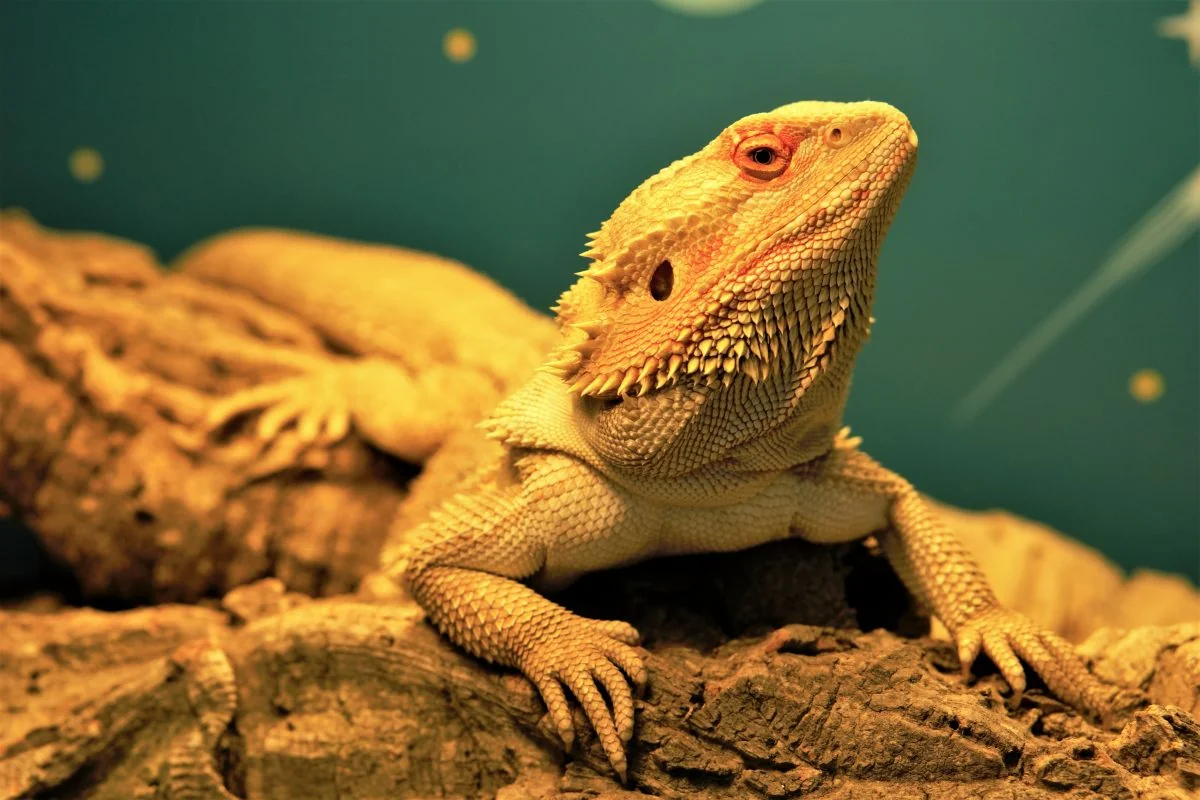
Why UVB Lighting is Essential for Bearded Dragons
Maintaining the health and well-being of your bearded dragon involves several critical elements, and one of the most crucial is UVB lighting. Unlike humans, bearded dragons and other reptiles require UVB (ultraviolet B) light to thrive. This special type of light is not just a luxury; it’s a necessity for their survival and overall health. Without adequate UVB exposure, your bearded dragon can suffer from a range of health problems, including metabolic bone disease, which can be debilitating and even fatal. Understanding the importance of UVB lighting is the first step in providing a suitable environment for your scaly companion. This article highlights the top 5 essentials for UVB lighting, ensuring your bearded dragon lives a long, healthy, and active life.
Understanding UVB and its Benefits
UVB light is a specific part of the ultraviolet light spectrum that is essential for reptiles. In the wild, bearded dragons bask in sunlight, which provides them with this vital UVB radiation. This exposure enables them to synthesize Vitamin D3 in their skin. Vitamin D3 then plays a crucial role in absorbing calcium from their diet. Without sufficient UVB exposure, bearded dragons cannot effectively utilize the calcium they consume, leading to a cascade of health issues. This light helps regulate various physiological processes, including bone growth, immune function, and overall vitality. Properly implemented UVB lighting ensures that your bearded dragon exhibits vibrant colors, maintains healthy bones, and enjoys a robust immune system.
The Importance of UVB for Calcium Absorption

Calcium absorption is arguably the most critical function supported by UVB lighting in bearded dragons. Calcium is a building block for strong bones and teeth. Without adequate UVB, a bearded dragon cannot absorb calcium properly, even if their diet is rich in it. This can lead to metabolic bone disease (MBD), a condition that weakens the bones, making them brittle and prone to fractures. Symptoms of MBD include lethargy, loss of appetite, tremors, and difficulty moving. Severe cases can result in paralysis and death. Providing the right UVB lighting is, therefore, non-negotiable for preventing MBD and ensuring your bearded dragon thrives. Regular monitoring of your dragon’s health and habitat is crucial for early detection of potential issues.

Essential 1 The Correct UVB Bulb

Choosing the right UVB bulb is the first and most important step in providing proper lighting for your bearded dragon. Not all bulbs are created equal, and selecting the wrong one can be detrimental to your pet’s health. Look for bulbs specifically designed for reptiles, and pay attention to the UVB output percentage. These bulbs are designed to mimic the natural sunlight and provide the necessary UVB radiation for your dragon. Avoid using bulbs that are not specifically designed for reptiles, as they may not emit the correct spectrum or intensity of UVB light. The correct bulb will ensure your bearded dragon receives the appropriate UVB levels to synthesize vitamin D3 and absorb calcium effectively. Always check the bulb’s specifications and recommendations for use with reptiles.
Choosing the Right UVB Strength
The strength, or UVB output, of the bulb you choose is crucial. The appropriate strength depends on several factors, including the size of your dragon’s enclosure and the distance between the bulb and your pet. Generally, higher UVB output bulbs are needed for larger enclosures, and lower output bulbs may be suitable for smaller tanks. A common recommendation is to use a bulb with a UVB output of around 10-12% for most bearded dragons. The strength of the bulb should be appropriate for the size of the enclosure and the dragon’s basking spot. Using a solarmeter can help determine the appropriate UVB levels at the basking spot to ensure the proper amount of radiation.
Types of UVB Bulbs T5 vs T8
There are two main types of UVB bulbs commonly used for reptiles T5 and T8 bulbs. T5 bulbs are more powerful and typically emit UVB over a greater distance than T8 bulbs. T5 bulbs are often preferred for larger enclosures or when the bulb needs to be mounted further away from the basking area. T8 bulbs are less powerful and are often suitable for smaller enclosures or when the bulb is mounted closer to the basking spot. Consider the size of your enclosure and the placement of the bulb when deciding between T5 and T8. T5 bulbs usually require a reflector to maximize UVB output. When choosing a bulb, always check the manufacturer’s recommendations for the correct distance and placement to ensure your bearded dragon gets the optimal UVB exposure.
Essential 2 Optimal Placement and Distance
Proper placement and distance of the UVB bulb are critical for its effectiveness. The UVB light must reach your bearded dragon at the correct intensity to be beneficial. If the bulb is too far away, your dragon won’t receive enough UVB, while if it’s too close, it could be exposed to excessive levels that could cause health problems. It’s crucial to understand the manufacturer’s guidelines for the specific bulb you are using. This information will dictate the proper distance between the bulb and the basking spot where your dragon spends the most time. The basking spot is where your dragon will regulate its body temperature by absorbing the UVB light.
Correct Distance for T5 and T8 Bulbs
The recommended distance varies depending on the type of bulb. T5 bulbs, which are more powerful, can typically be placed further away from the basking spot than T8 bulbs. As a general guideline, T5 bulbs may be placed 12-18 inches away from the basking spot, whereas T8 bulbs may need to be placed 6-12 inches away. However, these are only general guidelines, so always consult the manufacturer’s recommendations for your specific bulb. Incorrect distance can lead to insufficient UVB exposure, which can cause health problems. Proper distance also ensures that your dragon does not get too much exposure which can also cause problems.
The Impact of Obstructions
Obstructions such as glass, plastic, or mesh screens can significantly reduce the amount of UVB light that reaches your bearded dragon. Glass and plastic, in particular, can block a significant portion of the UVB rays. If your enclosure has a glass or plastic top, it’s essential to consider this when positioning the bulb. Mesh screens can also reduce UVB levels, with denser mesh blocking more light than a more open mesh. When setting up your enclosure, try to minimize obstructions between the UVB bulb and your bearded dragon’s basking area. This ensures that the UVB light can penetrate directly to your dragon, providing the optimal benefits for its health. Regularly inspect the enclosure for any potential obstructions that may be hindering UVB penetration.
Essential 3 Daily and Weekly Maintenance
Maintaining your UVB lighting setup is crucial for ensuring it continues to function correctly. Regular maintenance helps extend the lifespan of your bulb and guarantees that your bearded dragon receives the required UVB radiation. Consistent care will help you avoid potential issues and ensure that your dragon remains healthy. Establishing a routine of both daily and weekly checks is important for optimizing your dragon’s habitat. This routine should include visual inspections, cleaning, and monitoring to provide your dragon with the best possible care.
Daily Spot Checks
Daily spot checks involve visually inspecting the UVB bulb, its housing, and the surrounding enclosure. Look for any signs of damage to the bulb or housing, such as cracks, flickering, or unusual noises. Ensure the bulb is turned on and functioning correctly. Additionally, observe your bearded dragon for any changes in behavior, such as lethargy, loss of appetite, or unusual movements. These observations can indicate potential problems with the UVB lighting or your dragon’s overall health. If you notice any issues, address them promptly by checking the bulb or, if necessary, consulting with a veterinarian. Always ensure the power supply to the bulb is stable and safe to prevent unexpected malfunctions. These daily checks are crucial for early detection of problems.
Weekly Cleaning and Inspection
Weekly cleaning and inspection of the UVB setup are essential for maintaining its efficiency. Dust and debris can accumulate on the bulb and its housing, reducing the amount of UVB light that reaches your bearded dragon. Turn off and unplug the bulb before cleaning. Gently wipe the bulb and housing with a soft, dry cloth to remove any dust or dirt. Avoid using any cleaning agents, as these can damage the bulb. In addition to cleaning, inspect the bulb for any signs of wear and tear, such as discoloration or changes in the light output. Check the fixture for any loose wires or other potential hazards. These weekly tasks are crucial for ensuring the longevity and effectiveness of your UVB lighting system.
Essential 4 Monitoring UVB Output
Monitoring the UVB output is crucial because UVB bulbs degrade over time. Even if the bulb appears to be working, its UVB output diminishes, which can lead to health problems for your bearded dragon. Regular monitoring helps you ensure that your dragon is receiving the necessary UVB levels throughout the bulb’s lifespan. Various methods exist for assessing UVB output, but using a solarmeter is the most accurate and reliable method. Regular monitoring helps to identify and address any issues with your lighting setup, ensuring your bearded dragon receives adequate UVB radiation for optimal health.
Using a Solarmeter

A solarmeter is a device specifically designed to measure UVB output. It provides precise readings of the UVB intensity emitted by the bulb. By using a solarmeter, you can accurately determine whether the bulb is providing the correct amount of UVB light at your dragon’s basking spot. To use a solarmeter, position it at the basking spot and measure the UVB reading. Compare this reading to the manufacturer’s recommendations for your specific bulb and species. Record the readings over time to track the bulb’s performance and identify any significant drops in output. If the readings fall below the recommended levels, it’s time to replace the bulb. This tool is essential for ensuring that the UVB lighting is effective and supporting the health of your dragon.
Signs of UVB Bulb Degradation
Even if a UVB bulb appears to be working, it degrades over time. The UVB output diminishes, even before the bulb completely fails. Therefore, it’s essential to monitor for signs of degradation, which will require replacement. Common signs of degradation include a change in the color of the light emitted by the bulb, a decrease in the intensity of the light, or a significant drop in the UVB readings measured with a solarmeter. In some cases, you might also notice flickering or inconsistent lighting. Although these signs are helpful, using a solarmeter and keeping track of the bulb’s age are more reliable. Bulb degradation is a natural process. Monitoring the bulb’s performance and understanding these signs will ensure your dragon receives the necessary UVB to remain healthy.


Essential 5 Replacement and Longevity
Knowing when to replace your UVB bulb is crucial for your bearded dragon’s health. UVB bulbs have a limited lifespan, after which they no longer produce sufficient UVB radiation to benefit your pet. Replacing your bulb at the recommended intervals, regardless of whether it appears to be functioning, is critical to maintaining the health of your bearded dragon. Overlooking this step can lead to deficiency, bone disorders, and other serious health problems. Keep track of the date you installed the bulb, and adhere to the manufacturer’s recommendations for replacement. Replacement ensures your pet receives the correct amount of UVB.
Understanding Bulb Lifespan
The lifespan of a UVB bulb varies depending on the type and manufacturer. Generally, T5 bulbs last longer than T8 bulbs. Most T5 bulbs have a lifespan of 9-12 months, while T8 bulbs typically last 6-9 months. Always check the manufacturer’s specifications for your specific bulb. Even if the bulb is still emitting light, its UVB output diminishes over time. The bulb’s ability to emit the correct UVB levels will reduce over time, so regular replacement is essential. Setting a reminder in your calendar to replace the bulb at the recommended interval can help ensure your bearded dragon receives the necessary UVB exposure. Using a solarmeter can help track the bulb’s performance.
Proper Disposal and New Bulb Installation

When it’s time to replace your UVB bulb, dispose of the old bulb responsibly. Many UVB bulbs contain small amounts of mercury, so they cannot simply be thrown in the trash. Contact your local waste management facility to find out the proper disposal method for fluorescent bulbs. Following proper disposal procedures protects the environment and ensures the safe handling of the bulb. Before installing a new bulb, clean the fixture to remove any dust or debris. Always handle the new bulb carefully to avoid damage. Install the new bulb according to the manufacturer’s instructions, ensuring it is properly seated and securely mounted. Once the new bulb is installed, check its distance from your bearded dragon’s basking spot and verify it is working correctly. The proper disposal of the old bulb and installation of the new one will keep your bearded dragon healthy.
In conclusion, providing proper UVB lighting is one of the most important aspects of caring for a bearded dragon. By understanding the essentials of UVB lighting, including the correct bulb, placement, maintenance, monitoring, and replacement, you can ensure that your pet thrives. Make sure to always consult with a veterinarian or reptile expert for any questions or concerns regarding your dragon’s health and habitat. Implementing these top 5 essentials will provide your bearded dragon with the best possible care and help to maintain a long, healthy, and active life. Prioritize these practices to create a healthy and vibrant environment for your beloved pet.