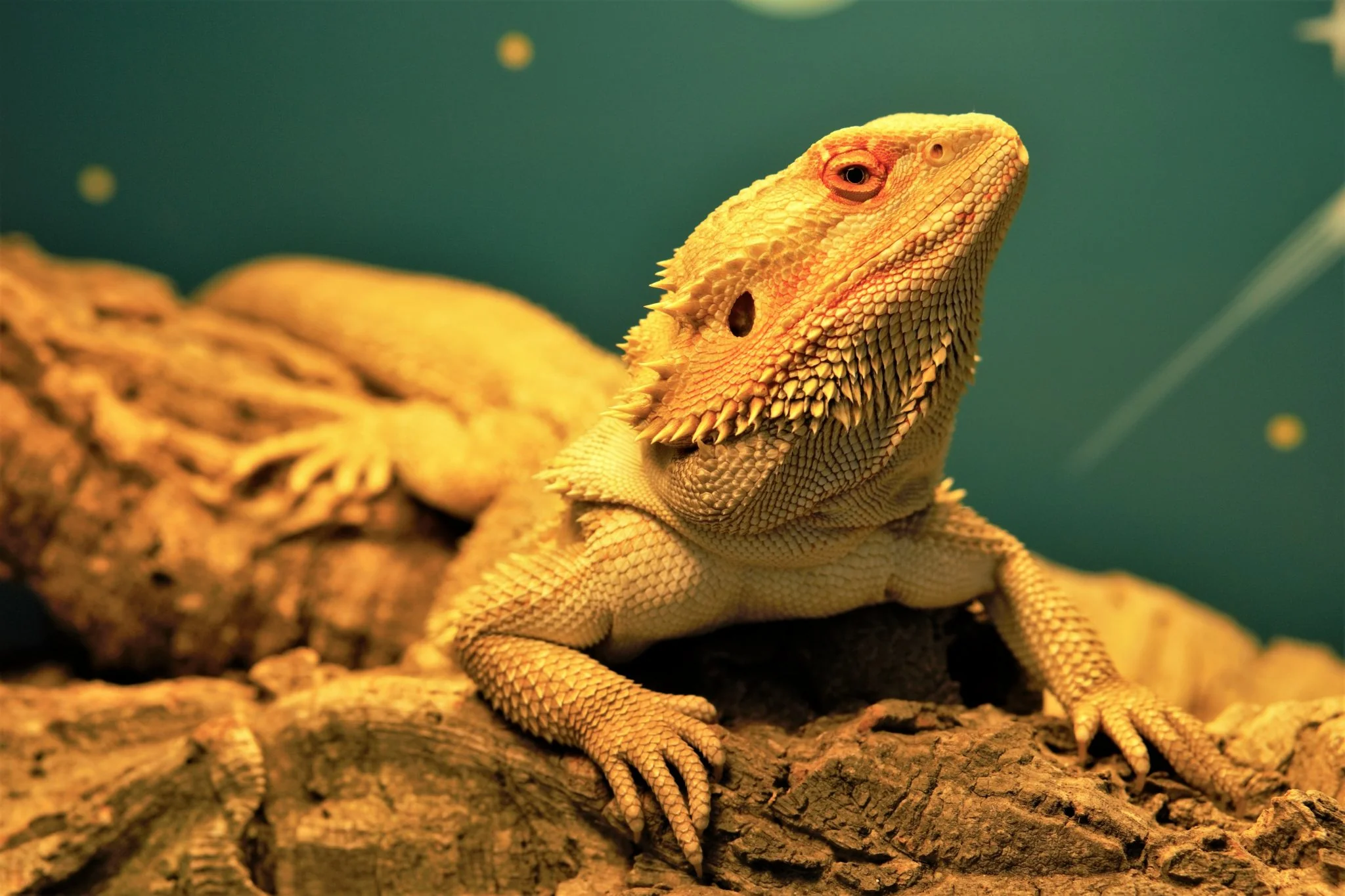
Understanding UVB Lighting for Bearded Dragons
Bearded dragons, native to the arid regions of Australia, thrive under specific environmental conditions that mimic their natural habitat. One of the most critical aspects of their care is providing appropriate lighting, particularly UVB (ultraviolet B) radiation. Unlike humans, bearded dragons and other reptiles require UVB to synthesize vitamin D3, which is essential for calcium absorption. This article will delve into the importance of UVB lighting for bearded dragons, covering everything from the ‘why’ to the ‘how,’ ensuring your scaly friend lives a healthy and vibrant life. Understanding the significance of UVB is the first step towards responsible bearded dragon ownership.
Why is UVB Lighting Essential?
UVB lighting is not just a luxury for bearded dragons; it’s a fundamental necessity. Without it, they cannot properly process calcium, leading to severe health issues. Think of it as the equivalent of sunshine for these reptiles. In their natural environment, bearded dragons bask in the sun, absorbing UVB rays. These rays trigger a process in their skin that converts a form of cholesterol into vitamin D3. Vitamin D3 then plays a crucial role in calcium absorption from their diet. Without sufficient UVB, this entire process breaks down, setting the stage for numerous health problems. It’s the cornerstone of their well-being, directly impacting their ability to thrive.
The Role of UVB in Bearded Dragon Health
UVB lighting supports multiple crucial bodily functions. Its impact extends far beyond just calcium absorption. It also affects behavior and overall activity levels, and is critical for a bearded dragon’s health. Here’s a closer look at the specific roles it plays:

Vitamin D3 Synthesis
As mentioned earlier, UVB exposure is the catalyst for vitamin D3 synthesis. This vital vitamin is essential for various bodily functions, and plays a critical role in calcium absorption and metabolism.
Calcium Absorption and Metabolism
Vitamin D3 facilitates the absorption of calcium from the food bearded dragons consume. Calcium is then used for bone growth, muscle function, and other essential processes. Without sufficient calcium, dragons can develop metabolic bone disease (MBD).

Impact on Behavior and Activity
UVB exposure also influences a bearded dragon’s behavior and activity levels. It helps regulate their circadian rhythm, which controls their sleep-wake cycle. This in turn contributes to their overall well-being. Dragons with access to UVB are typically more active, alert, and exhibit natural behaviors like basking.
Factors Influencing UVB Requirements
The amount of UVB your bearded dragon needs can vary depending on several factors. Understanding these influences allows you to tailor their care to their specific requirements, ensuring they receive the optimal amount of UVB exposure.
Bearded Dragon Age and Size

Young, growing bearded dragons have higher UVB needs than adults. This is because their bones are developing rapidly, and they need more calcium to support growth. As they mature, their UVB requirements may decrease slightly, but UVB remains crucial throughout their lives.
Vivarium Setup and Design
The design of your bearded dragon’s enclosure can affect UVB exposure. For instance, a screen top can filter out a significant amount of UVB, requiring you to choose a stronger UVB bulb or position it closer to the basking spot. Solid-topped enclosures will not allow UVB penetration and require careful consideration for supplemental lighting. Ensure that the basking area is within the correct range for UVB output.
UVB Bulb Types and Recommendations
There are several types of UVB bulbs available, each with its own characteristics and suitability for bearded dragons. Choosing the right bulb is critical for providing adequate UVB exposure.
Mercury Vapor Bulbs (MVBs)

MVBs are a popular choice because they provide both UVB and heat. They offer a strong UVB output and are often recommended for larger enclosures. However, they also produce significant heat, so it’s essential to monitor the temperature in your dragon’s enclosure carefully to avoid overheating. Proper placement and wattage are crucial to prevent burns or other heat-related issues.
https://example.com/bearded-dragon-mercury-vapor.webp


Linear Fluorescent Bulbs
Linear fluorescent bulbs are a more common option, providing UVB without as much heat as MVBs. They come in various lengths and UVB strengths, making them suitable for different enclosure sizes. These bulbs usually need to be paired with a separate heat source. Look for brands that specialize in reptile lighting for accurate UVB output.
Compact Fluorescent Bulbs
Compact fluorescent bulbs are another option, offering UVB in a smaller package. They are generally not as effective as linear bulbs for larger enclosures but can be suitable for smaller habitats. Like linear bulbs, they typically require a separate heat source.
Choosing the Right UVB Strength (UV Index)
The strength of your UVB bulb is measured by its UV Index (UVI). This index indicates the intensity of the UVB radiation. It’s essential to choose a bulb that provides the correct UVI for your bearded dragon’s needs. Too little UVB can lead to health problems, while too much can be harmful.
https://example.com/bearded-dragon-uv-index.webp

Measuring UVB Output
To ensure you are providing the correct amount of UVB, you can use a UV meter. These devices measure the UVI at the basking spot, allowing you to adjust the bulb type or placement to achieve the recommended levels. This is a helpful method for determining the appropriate setup.
UVB Bulb Placement and Distance
Proper placement of your UVB bulb is critical to ensure your bearded dragon receives the correct amount of UVB exposure. The distance between the bulb and your dragon, along with the specific type of bulb, significantly impacts the amount of UVB they receive.
Proper UVB Bulb Placement
Place the UVB bulb directly above the basking spot where your dragon spends most of its time. This ensures they can access the UVB rays when they are thermoregulating. Avoid placing the bulb where it can be blocked by decorations or other objects that would prevent the dragon from basking in the UVB light. Remember that mesh screen tops can filter UVB, so placement may need to be adjusted accordingly.
https://example.com/bearded-dragon-basking.webp

Distance Guidelines for Different Bulbs
Follow the manufacturer’s recommendations for the distance between the UVB bulb and your bearded dragon’s basking spot. This is crucial because UVB output diminishes with distance. Generally, higher output bulbs (like MVBs) need to be placed further away, while lower output bulbs need to be closer. Regularly measure the UVI at the basking spot to confirm optimal levels. Incorrect distances can lead to insufficient UVB exposure or even harm.
UVB Duration and Cycle
Just as important as the type of bulb is the duration of UVB exposure. It is crucial to mimic the natural day-night cycle to support the well-being of your pet. Maintaining a consistent cycle helps regulate their circadian rhythm and other essential biological processes.
Daily UVB Exposure Time
Bearded dragons should have access to UVB for 10-14 hours per day, mimicking the length of a typical summer day. This ensures they have sufficient exposure to trigger vitamin D3 synthesis without overexposure. Using a timer to control the lighting cycle helps maintain consistency and ensures the dragon receives the required amount of UVB.
UVB Bulb Lifespan and Replacement
UVB bulbs have a limited lifespan, after which their UVB output diminishes, even if the bulb still produces visible light. It’s important to replace UVB bulbs regularly, following the manufacturer’s recommendations. Typically, fluorescent bulbs should be replaced every 6-12 months, while MVBs may last longer, but it is always advisable to check the manufacturer’s guidelines. Failing to replace a depleted bulb can lead to insufficient UVB and potential health problems.
Monitoring and Maintenance
Regular monitoring and maintenance are essential to ensure your bearded dragon continues to receive the correct amount of UVB. This includes observing your dragon for any signs of deficiency, as well as regular checks of your lighting equipment.
Signs of UVB Deficiency
Bearded dragons suffering from UVB deficiency may exhibit various symptoms. Early detection is essential to prevent long-term health issues. Common signs of deficiency include:
Metabolic Bone Disease (MBD)
MBD is one of the most severe consequences of insufficient UVB. It results in weakened bones that are prone to fractures and deformities. Symptoms of MBD include a rubbery jaw, bowed legs, and difficulty moving. It can be fatal if left untreated. Provide adequate UVB lighting and consider adding a calcium supplement to your bearded dragon’s diet. In the early stages, MBD can be reversed with proper care. In more advanced cases, it can cause permanent damage.
https://example.com/bearded-dragon-mbd.webp

Lethargy and Loss of Appetite
Bearded dragons deprived of UVB often become lethargic and lose their appetite. They may spend more time hiding and less time basking. These behaviors can indicate a range of health problems and should prompt a review of their enclosure conditions, including the UVB lighting.
Tips for Optimizing UVB Exposure
To ensure your bearded dragon receives optimal UVB exposure, consider these tips:
- Use a UVB meter to regularly check the UVI at the basking spot.
- Replace UVB bulbs according to the manufacturer’s recommendations.
- Ensure the basking spot is within the correct distance from the UVB bulb.
- Provide a variety of basking spots with different temperature gradients.
- Clean the bulb and enclosure regularly to remove dust and debris.
Providing UVB in a Naturalistic Vivarium

Creating a naturalistic vivarium for your bearded dragon can enhance their UVB exposure and overall well-being. By providing a diverse environment that mimics their natural habitat, you can encourage natural behaviors and provide enrichment. This also includes choosing appropriate UVB lighting.
https://example.com/bearded-dragon-vivarium.webp

Regular Veterinary Checkups

Regular veterinary checkups are a crucial aspect of responsible bearded dragon ownership. Your veterinarian can assess your dragon’s health, identify any potential issues early, and provide personalized recommendations for their care. They can also offer advice on UVB lighting, diet, and other aspects of your dragon’s well-being.
