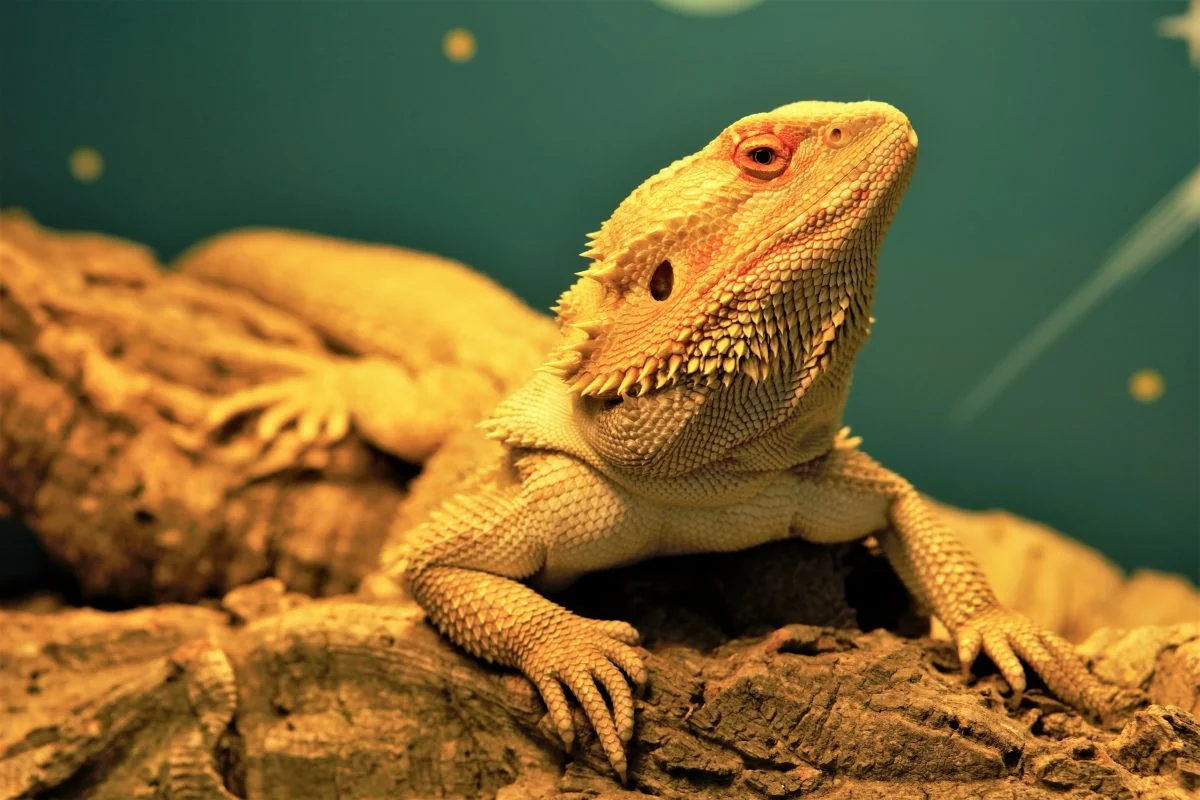
The Importance of UVB Light for Bearded Dragons
Providing the right UVB light is paramount for the health and well-being of your bearded dragon. In the wild, these reptiles bask under the sun, absorbing UVB rays essential for their survival. Captive environments, however, require artificial UVB lighting to replicate this natural process. Without adequate UVB exposure, bearded dragons can suffer from a range of health issues, impacting their ability to thrive. This guide will delve into the crucial role of UVB light, offering actionable tips to ensure your dragon receives the optimal care it deserves. Understanding the science behind UVB and its impact is the first step towards ensuring your pet lives a long, healthy, and happy life.
Why UVB is Crucial for Bearded Dragons
UVB light is not just beneficial; it’s absolutely essential for bearded dragons. It facilitates the synthesis of Vitamin D3 in their skin. Vitamin D3 is critical for calcium absorption. Calcium is the building block for strong bones. Without sufficient UVB exposure, bearded dragons are unable to properly absorb and metabolize calcium from their diet, leading to metabolic bone disease (MBD). This debilitating condition weakens bones, making them prone to fractures and deformities. Further, UVB light plays a role in the immune system function, helping them fight off infections. Therefore, proper UVB lighting is not just about bone health; it’s about overall health and vitality.

Benefits of UVB Exposure
The benefits of UVB exposure for bearded dragons extend beyond bone health. Exposure to UVB light promotes healthy appetite, enhances activity levels, and contributes to improved overall behavior. Bearded dragons exposed to proper UVB levels tend to be more active, alert, and exhibit natural behaviors. UVB exposure also enhances the colors of the dragon. Brighter colors are a sign of a healthy, thriving bearded dragon. Additionally, the UVB spectrum helps regulate their circadian rhythms, ensuring they maintain a healthy sleep-wake cycle. This is crucial for their overall well-being and prevents issues associated with disrupted sleep patterns. In short, UVB is foundational to a happy and healthy bearded dragon.
Understanding UVB Light
UVB light is a specific spectrum of ultraviolet light that falls between UVA and UVC. It is measured in terms of its intensity and the percentage of UVB emitted by the bulb. UVB bulbs produce a certain amount of UVB radiation. However, the actual amount of UVB radiation that your bearded dragon receives also depends on the distance from the bulb. The intensity of the UVB light diminishes with distance. This is why proper bulb placement is vital. Several factors influence how effectively a UVB bulb provides the necessary radiation. Understanding the science helps ensure that you make informed decisions. The right bulb, correctly positioned, contributes to optimal health and development of your pet.
Types of UVB Bulbs for Bearded Dragons

There are several types of UVB bulbs available, each with its pros and cons. The most common types include fluorescent tubes, compact fluorescent bulbs, and mercury vapor bulbs. Fluorescent tubes, usually T5 or T8, provide UVB over a wide area and are generally considered the safest and most efficient. Compact fluorescent bulbs are a more affordable option but may have a more focused UVB output. Mercury vapor bulbs produce a high intensity of UVB and heat. Therefore, these bulbs require careful monitoring to prevent overheating. The best choice depends on your terrarium size, budget, and dragon’s specific needs. Researching the different types will help you make the best decision for your bearded dragon. (Image: UVB bulb types)
Choosing the Right UVB Strength
Choosing the right UVB strength is crucial for your bearded dragon’s health. The ideal UVB strength varies based on the bulb type and the distance from the basking spot. Generally, a 10% to 12% UVB output is recommended for most bearded dragons. This range provides a good balance of UVB without being excessive. It’s important to consider the height of your enclosure. A higher enclosure may require a higher UVB output bulb, as the intensity decreases with distance. Use a UVB meter to measure the UVB output at the basking spot. This will give you the most accurate reading. Using the right strength ensures your pet receives enough UVB to synthesize Vitamin D3. This will help them absorb calcium and thrive. Consult with a reptile veterinarian if you are unsure about the right choice.
Top 5 UVB Light Care Tips for Bearded Dragons
Implementing proper UVB light care practices is vital for your bearded dragon’s health and well-being. These tips will help you maximize the benefits of UVB light and provide the best possible environment for your pet. Following these guidelines will assist in preventing common health issues. This care is not just about the bulb; it includes setup, maintenance, and consistent monitoring. Proper care helps ensure a long and healthy life for your bearded dragon.
Proper Bulb Placement and Distance
Proper placement is critical for the effectiveness of your UVB bulb. The bulb should be positioned at the correct distance from the basking spot. The distance varies depending on the bulb type and output. Follow the manufacturer’s guidelines. As a general rule, the basking spot should be within 6-12 inches of the bulb. Make sure the dragon cannot get too close to the bulb and burn themselves. Use a reflector with the bulb to direct UVB light towards the basking area. This optimizes the UVB exposure. Regular measurements with a UVB meter will give you the appropriate UVB levels. (Image: bearded-dragon-uvb-placement)
Regular Replacement Schedule
UVB bulbs lose their effectiveness over time, even if they still emit visible light. This means that even if the bulb appears to be working, it may no longer be producing adequate levels of UVB radiation. Replace fluorescent bulbs every six months. Mercury vapor bulbs may last longer, but they should be replaced based on the manufacturer’s recommendations, usually annually. Keeping a log of when you replace the bulbs will help. Mark the date on your calendar or use a reminder app. Regularly replacing the bulb ensures your bearded dragon receives a consistent and adequate supply of UVB, which is essential for good health and vitality.
Providing Appropriate Basking Spots
Bearded dragons need a basking spot where they can regulate their body temperature. This area should be directly under the UVB and heat lamp. The basking spot should have a temperature of around 100-110°F (37-43°C). This encourages them to bask and absorb UVB. Use a thermometer to measure the temperature. Provide a variety of basking surfaces. This allows the dragon to choose their preferred temperature. Ensure the basking spot is large enough for the dragon to comfortably lay out. A good basking spot will promote proper digestion, immune function, and overall well-being. (Image: bearded-dragon-basking)
Monitoring UVB Output
Regularly monitoring UVB output is a key component of ensuring your bearded dragon is receiving the right amount of UVB. Use a UVB meter to measure the UVB index (UVBI) at the basking spot. The ideal UVBI for bearded dragons is between 2.0 and 4.0. Take measurements at different times of the day. This ensures that the UVBI is consistent. Checking the bulb regularly will help you avoid health issues. Document your measurements. You can keep a log to track changes in the UVB output over time. Adjust the bulb placement or the type of bulb to achieve the optimal UVBI level for your pet. (Image: bearded-dragon-uvb-meter)
Using a UVB Meter

A UVB meter is an essential tool for reptile keepers. This tool measures the intensity of UVB radiation. It helps determine if your bulb is providing the correct level. To use the meter, place it at the basking spot at the level of your bearded dragon’s back. Take readings at different times of the day and in different locations in the enclosure. Record the readings in a log. The meter gives you the real numbers. It provides valuable data. It helps prevent the health issues associated with too little or too much UVB exposure. Investing in a UVB meter is a worthwhile investment. It will assist you in providing the best possible environment for your bearded dragon. (Image: bearded-dragon-uvb-meter)

Avoiding Common Mistakes with UVB Lighting
Avoiding common mistakes is critical. Many owners may make mistakes. These mistakes impact the effectiveness of the UVB lighting. These errors can lead to serious health problems. Being aware of these issues helps to ensure your bearded dragon receives the UVB they need. Addressing these pitfalls is essential for promoting a healthy environment for your pet. This also maximizes the benefits of UVB lighting.
Incorrect Bulb Type


One of the most common mistakes is using the wrong type of UVB bulb for your bearded dragon. Some bulbs may not produce the correct UVB spectrum or intensity. Avoid using UVB bulbs that are designed for other reptiles or that have a low UVB output. Always research the best type of bulb. Make sure the bulb is appropriate for your specific bearded dragon. Using an incorrect bulb is one of the most common reasons for insufficient UVB exposure. (Image: uvb-bulb-types)

Improper Placement
Improper placement can dramatically reduce the effectiveness of your UVB lighting. The bulb must be placed at the correct distance from the basking spot. Too far away, and your dragon won’t get enough UVB. Too close, and they risk burning. Follow the manufacturer’s instructions. Adjust the placement based on your enclosure size and the bulb type. Regularly checking the distance with a measuring tape. Ensure the basking spot is at the correct temperature. Proper placement ensures your bearded dragon gets enough UVB. (Image: bearded-dragon-uvb-placement)
Ignoring Replacement Schedules
Failing to replace the UVB bulbs regularly is a common mistake. As mentioned earlier, UVB bulbs lose their effectiveness over time. Even if the bulb still emits visible light, the UVB output will decrease. Set a replacement schedule. Mark the date you replace the bulb. The replacement schedule will depend on the bulb type. Ignoring this schedule can lead to a deficiency in UVB. Replace the bulbs at the recommended intervals. This ensures your bearded dragon gets the UVB light it needs. This will prevent health problems. Consistent UVB exposure will lead to a healthier dragon. (Image: bearded-dragon-healthy vs. unhealthy)
Insufficient UVB Strength
Choosing a bulb with insufficient UVB strength is a common pitfall. You should consider the size of your enclosure. Choose a UVB bulb with enough UVB output. Use a UVB meter to measure the UVB index. This will help you ensure the bulb is providing adequate levels. An insufficient UVB strength can lead to MBD. This can cause bone weakness and other health problems. Providing the appropriate UVB strength promotes overall health and well-being. Consult with a veterinarian if you are unsure about the appropriate strength. This will also help you in choosing the correct bulb.
Conclusion
Providing proper UVB lighting is a fundamental aspect of caring for your bearded dragon. This guide has covered the importance of UVB, the different types of bulbs, and the essential care tips. Prioritizing UVB light is not only good pet care. It is essential to maintaining your bearded dragon’s health. Remember to choose the right bulb, position it correctly, and replace it on schedule. By understanding and implementing these guidelines, you can ensure your bearded dragon thrives in a healthy and stimulating environment. Your commitment to providing the right UVB light will contribute to a happy and long life for your reptile friend. (Image: bearded-dragon-vivarium)