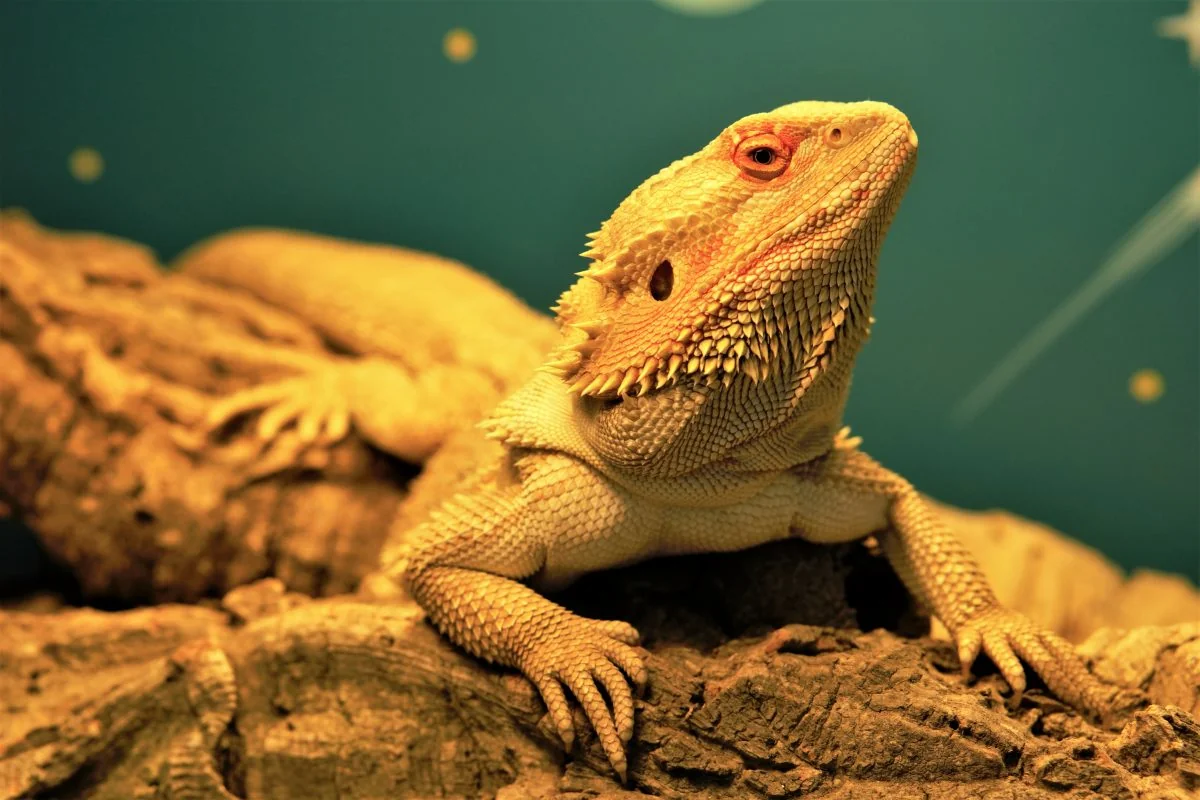
Understanding UVB Lighting for Bearded Dragons
Bearded dragons, native to the arid regions of Australia, thrive under specific environmental conditions. One of the most critical aspects of their care is providing appropriate lighting, particularly UVB (ultraviolet B) light. Unlike humans, bearded dragons cannot synthesize Vitamin D3 efficiently without UVB exposure. This vitamin is essential for calcium absorption, which is crucial for bone health, muscle function, and overall well-being. Selecting the right UVB lamp is paramount to ensuring your bearded dragon thrives.
Why is UVB Lighting Crucial?
UVB lighting is not merely a luxury for bearded dragons; it’s a necessity. Without adequate UVB exposure, these reptiles are prone to metabolic bone disease (MBD), a debilitating condition that weakens bones and can lead to paralysis and death. The UVB rays stimulate the production of Vitamin D3 in their skin, enabling them to process calcium from their diet. Furthermore, UVB helps regulate the production of important hormones and contributes to healthy immune function. A well-chosen UVB lamp directly impacts their longevity and quality of life. Therefore, understanding and implementing proper UVB lighting is a fundamental aspect of responsible bearded dragon ownership.
Benefits of Proper UVB Exposure
The advantages of providing the correct UVB lighting extend far beyond preventing MBD. Proper UVB exposure supports healthy appetite and digestion. Bearded dragons exposed to adequate UVB tend to be more active, exhibit brighter coloration, and display natural behaviors such as basking. It also plays a crucial role in their immune system, making them more resistant to diseases. A well-lit environment stimulates their natural circadian rhythms, contributing to their overall psychological well-being. In essence, proper UVB lighting is a cornerstone of their physical and mental health, ensuring a vibrant and fulfilling life for your bearded dragon.
Top 5 Tips for Choosing the Best UVB Lamp
Selecting the right UVB lamp can seem daunting, but by following these key tips, you can make an informed decision. The market offers various options, each with its own strengths and weaknesses. Consider factors like UVB output strength, the lamp type, the UVB percentage, the correct distance from the basking spot, and the lamp’s lifespan. This guide will illuminate the critical aspects of lamp selection, empowering you to create the perfect environment for your beloved pet.
Tip 1 Consider the UVB Output Strength
The UVB output strength is measured in a few different ways, including the percentage of UVB emitted and the actual microwatts per square centimeter (µW/cm²). A higher output isn’t always better; it needs to be appropriate for your setup. Too much UVB can be as detrimental as too little, potentially leading to eye problems or skin damage. The ideal output depends on the lamp type, the distance from the basking spot, and the specific needs of your bearded dragon. Always consult the manufacturer’s recommendations and monitor your dragon’s behavior for signs of overexposure. Look for lamps that provide a suitable UVB gradient, allowing your dragon to self-regulate its exposure.
Understanding UVB Levels
UVB levels are not uniform across the enclosure. The highest levels are usually found closest to the lamp. Your dragon needs a range of UVB exposure, allowing it to choose the right amount. The basking spot, where your dragon spends most of its time, should have the most intense UVB. Cooler areas should have less UVB. This setup allows your dragon to thermo-regulate properly. Understanding how the UVB levels vary across the enclosure is vital to provide the appropriate environment.
Measuring UVB Output
To accurately measure UVB output, you will need a Solarmeter 6.5 UVB meter. This device measures the UVB irradiance in µW/cm². Measure the UVB levels at the basking spot, at various distances from the lamp, and in the cooler areas of the enclosure. This will allow you to determine the UVB gradient and ensure the levels are within the recommended range for bearded dragons. Remember to test the lamp when it’s new and periodically, as UVB output diminishes over time. Regularly monitoring the output ensures you are providing optimal UVB levels for your pet.

Tip 2 Choose the Right Type of UVB Lamp
Several types of UVB lamps are available, each with its characteristics. The best choice depends on your enclosure size, your bearded dragon’s needs, and your budget. It’s essential to research and choose the lamp that best fits your setup and provides adequate UVB coverage.
Linear Fluorescent Tubes

Linear fluorescent tubes, such as T5 or T8 lamps, are a popular choice. T5 lamps generally have a higher UVB output than T8 lamps and are a better option for larger enclosures. These lamps provide a broad, even distribution of UVB and are well-suited for covering a larger area. They are typically installed across the top of the enclosure and can be combined with a heat lamp to provide a complete basking setup.

Compact Fluorescent Bulbs
Compact fluorescent bulbs are another option and are readily available. They are typically less expensive than linear tubes and are suitable for smaller enclosures. These bulbs often concentrate UVB in a smaller area, so careful placement is essential to provide adequate coverage for the entire enclosure.
Mercury Vapor Lamps
Mercury vapor lamps (MVLs) combine UVB, UVA, and heat output in a single bulb. They are convenient as they reduce the need for multiple fixtures. However, MVLs can generate significant heat, so you must carefully monitor temperatures to prevent overheating. Proper placement and the use of a thermostat are crucial. While they are convenient, these lamps need careful monitoring to ensure they are not too close to the basking spot.
Tip 3 Select the Correct UVB Percentage
The UVB percentage refers to the proportion of the lamp’s light output that falls within the UVB spectrum. Lamps are often labeled with a UVB percentage, such as 10% or 12%. The recommended UVB percentage depends on the lamp type, the distance from the basking spot, and the enclosure’s design. The correct UVB percentage will help the dragon synthesize Vitamin D3, which is critical to their health. Too low a percentage may result in vitamin deficiencies, and too high can lead to health problems.
UVB Percentage and Bearded Dragon Needs

Bearded dragons generally thrive with lamps providing around 10-12% UVB output. However, this is a generalization, and the actual levels reaching your dragon depend on the distance, the lamp type, and the presence of any mesh or other obstructions. Always cross-reference the UVB percentage with the manufacturer’s recommendations and your pet’s behaviors. Also, consider the size of the enclosure; a larger enclosure will require a higher output lamp to ensure adequate coverage.
Tip 4 Determine the Appropriate Distance
The distance between the UVB lamp and your bearded dragon is crucial. The intensity of UVB rays diminishes as the distance increases. The manufacturer will provide recommendations for the optimal distance based on the lamp’s UVB output. Placing the lamp too close can lead to overexposure, causing eye damage or skin problems. Conversely, placing it too far away will result in insufficient UVB exposure, leading to health problems. The correct distance ensures optimal UVB levels while preventing potential harm. Therefore, carefully following the manufacturer’s guidelines is essential for your bearded dragon’s health.
Distance and UVB Intensity
UVB intensity is measured by the Solarmeter, and the distance from the lamp dramatically affects this measurement. Always check the UVB levels with the Solarmeter at the basking spot and in other areas of the enclosure to ensure the proper range. A gradient of UVB exposure is beneficial, allowing your dragon to choose the level of UVB exposure it needs. Remember to consider any mesh or other materials between the lamp and your dragon, as these can reduce UVB output.
Tip 5 Replace Your UVB Lamp Regularly

UVB lamps don’t last forever. The UVB output gradually decreases over time, even if the lamp still produces visible light. Replacing your UVB lamp regularly is essential to maintain the correct UVB levels. The lifespan of a UVB lamp varies depending on the type and the manufacturer. It is essential to understand the replacement schedule for your selected lamp. Be sure to set a reminder to ensure you replace your lamp regularly.
UVB Lamp Lifespan
Most fluorescent UVB tubes have a lifespan of 6-12 months, while mercury vapor lamps may last a year or more. However, even within this timeframe, the UVB output can decline. Always check the manufacturer’s recommendations for the specific lamp you are using. Keep track of when you install the lamp, and mark it in your calendar. Regular replacement ensures that your bearded dragon receives the necessary UVB exposure for optimal health.
Other Important Considerations
Beyond the core tips, other factors can influence the effectiveness of your UVB setup. These include the size of the enclosure, the placement of the lamp, the presence of any obstructions, and your dragon’s behavior. It’s critical to consider the overall setup and make adjustments as necessary to provide the best possible environment. Remember to continually evaluate and adjust your setup to meet your bearded dragon’s individual needs.
Tank Size and UVB Lamp Placement
The size of your bearded dragon’s enclosure will impact the lamp choice and placement. For smaller enclosures, a compact fluorescent bulb might be sufficient. However, larger enclosures will often require a linear tube to provide sufficient UVB coverage across the entire area. Always position the lamp in a way that allows your dragon to bask comfortably in the UVB rays. The correct lamp placement ensures a proper UVB gradient throughout the enclosure.
Providing Adequate Basking Spots
Bearded dragons need a basking spot where they can absorb UVB and regulate their body temperature. This spot should be directly under the UVB lamp and a heat lamp. Ensure the basking spot is at the appropriate temperature to allow the dragon to warm up. Provide various levels of heat and UVB exposure, so your bearded dragon can move between the different zones. Consider the position of the basking spot in relation to the UVB lamp when choosing your lighting.
Monitoring Your Bearded Dragon’s Behavior
Pay close attention to your bearded dragon’s behavior. Are they spending time under the UVB lamp, or are they avoiding it? Do they appear to be struggling to shed or are they showing signs of MBD such as twitching or lethargy? These can be symptoms of overexposure or insufficient UVB exposure. Observe your bearded dragon’s eating habits and activity levels to monitor the effectiveness of your UVB setup. Adjust the lamp type, placement, and distance based on your observations to ensure the ideal environment.

Conclusion
Selecting the right UVB lamp for your bearded dragon is a critical step in providing proper care. By following these five tips, you can ensure your reptile receives the necessary UVB exposure to thrive. Remember to consider the UVB output strength, lamp type, UVB percentage, distance, and replacement schedule. Continually monitor your dragon’s behavior and adjust your setup as needed. With the correct lighting, you’ll provide your bearded dragon with a healthy and happy life.