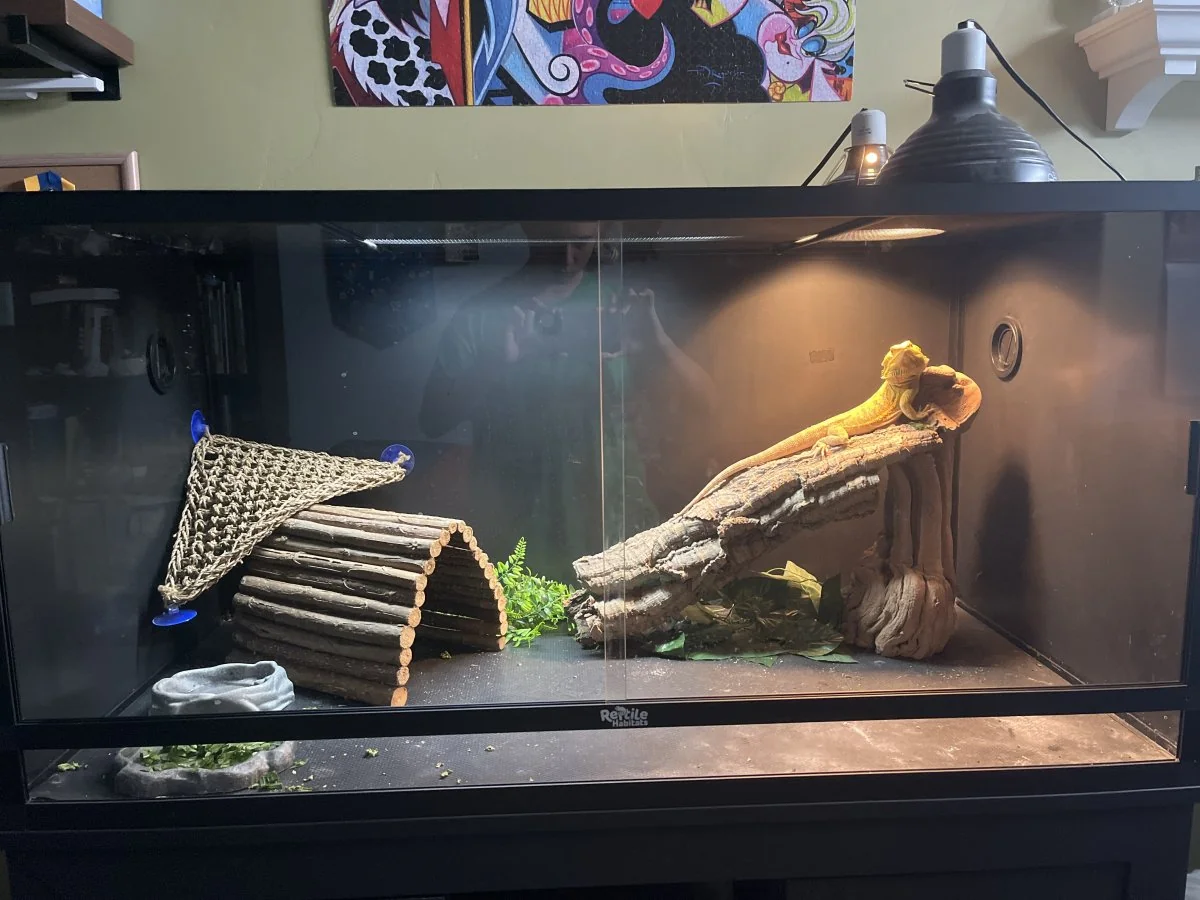
The Importance of UVB Lighting for Bearded Dragons
UVB lighting is not merely a luxury, but a necessity for the health and well-being of your bearded dragon. In their natural habitat, these reptiles bask in the sun, absorbing UVB rays essential for various physiological processes. Replicating this environment in captivity is crucial for ensuring your pet thrives. Without adequate UVB, your bearded dragon is at risk of developing serious health problems. This guide is designed to equip you with the knowledge to provide the best possible care for your scaly friend, focusing specifically on the safe and effective use of UVB lamps.
Why UVB is Essential for Bearded Dragons
UVB radiation plays a critical role in bearded dragons’ ability to synthesize vitamin D3. Vitamin D3 is vital for the absorption of calcium from their diet. Calcium is essential for strong bones, healthy teeth, and proper muscle function. Without sufficient UVB, bearded dragons cannot properly process calcium, leading to a range of health issues. Moreover, UVB exposure stimulates natural behaviors, such as basking and increased activity, contributing to their overall mental and physical health. Ensuring your bearded dragon gets the right amount of UVB is one of the most important things you can do to provide them with a long and healthy life.
Benefits of UVB Exposure
The benefits of proper UVB exposure are extensive. Firstly, it prevents and treats metabolic bone disease (MBD), a common and often fatal condition in captive reptiles. Secondly, it supports healthy appetite and digestion by ensuring the proper use of calcium. UVB also boosts the immune system, making your bearded dragon less susceptible to illness. Additionally, it encourages natural behaviors, reduces stress, and promotes better overall mental and physical health. A well-lit enclosure with appropriate UVB levels contributes to a happier, more active, and vibrant bearded dragon.
Health Problems Caused by UVB Deficiency
UVB deficiency can lead to a host of serious health problems. Metabolic Bone Disease (MBD) is the most prevalent, characterized by soft bones, skeletal deformities, and paralysis. Other issues include lethargy, loss of appetite, and weakened immune systems, making them vulnerable to infections. Deficiencies also impact their ability to absorb essential nutrients from their food, hindering growth and development. Furthermore, inadequate UVB can lead to behavioral problems, such as depression and decreased activity levels. It is absolutely vital to provide proper UVB lighting to prevent these severe health consequences.
Understanding UVB Lamp Types
Choosing the right type of UVB lamp is crucial for your bearded dragon’s health. Several options are available, each with its own pros and cons. Understanding the differences between these lamps will help you make an informed decision and ensure you’re providing the best possible UVB exposure for your pet. Always research and consider the specific needs of your bearded dragon based on its age, health, and enclosure setup. Careful selection ensures that your reptile receives the correct amount and type of UVB rays needed to thrive.
Mercury Vapor Lamps (MVB)
Mercury Vapor Lamps (MVB) are a popular option as they provide both UVB and heat in a single bulb. They are particularly convenient for creating a basking spot, simulating the natural sunlight that bearded dragons need. However, they can be intense and require careful monitoring of temperature and distance to avoid overheating or overexposure to UVB. These lamps should be used with a thermostat to regulate temperature. It is also important to position the basking area at a proper distance from the lamp to prevent potential burns.
Pros and Cons of MVB Lamps

MVB lamps offer the benefit of providing both heat and UVB, simplifying setup and saving space. They can also provide a good intensity of UVB, which is beneficial for bearded dragons. However, they also have some drawbacks. They tend to be more expensive than fluorescent bulbs. They produce a lot of heat and can be dangerous if not used correctly. It is crucial to monitor temperatures closely, and the UVB output can decrease over time, requiring frequent replacement. Careful consideration of these factors will allow you to determine if MVB lamps are the right choice for your bearded dragon.
T5 and T8 Fluorescent UVB Bulbs

T5 and T8 fluorescent UVB bulbs are a more energy-efficient and often safer option. They provide UVB without the intense heat of MVB lamps. T5 bulbs generally offer a higher UVB output and can be placed further from the basking area. T8 bulbs are typically less powerful and require closer placement. Both types come in varying lengths and UVB percentages, so you can tailor the lighting to your enclosure size and needs. They are often used in conjunction with a separate heat source, such as a basking bulb or ceramic heat emitter, to maintain the proper temperature gradient.
Choosing the Right UVB Strength
The UVB strength needed depends on several factors, including the type of lamp, the distance from the basking area, and the enclosure setup. For fluorescent bulbs, a UVB output of around 10-12% is often recommended, while MVB lamps have different specifications. Consult the manufacturer’s guidelines and use a Solarmeter to measure the UVB output to ensure it falls within the safe range for your bearded dragon. The strength of the bulb should be appropriate for the size of the enclosure to provide adequate UVB exposure without causing overexposure. Incorrect strength can lead to either deficiencies or overexposure, so selecting the right bulb is vital.
UVB Lamp Placement and Distance Guidelines
Proper placement and distance are critical for safe and effective UVB exposure. Incorrect placement can lead to burns or, conversely, inadequate UVB levels. Always adhere to the manufacturer’s recommendations for lamp placement, as this is crucial to ensure the lamp is performing as intended. Regularly checking the distance from the basking spot to your bearded dragon is necessary for their well-being.
Proper Distance from the Basking Spot
The distance between the UVB lamp and the basking spot is one of the most important factors to consider. Each lamp has a specific effective range. If the lamp is too close, your bearded dragon could suffer from burns or eye damage. If the lamp is too far away, the UVB rays will be too weak to provide the necessary benefits. Refer to the lamp’s instructions for the recommended distance. Generally, T5 bulbs can be placed further away than T8 bulbs. Monitor your bearded dragon’s behavior for signs of discomfort, such as avoiding the basking spot.
Measuring UVB Levels with a Solarmeter
A Solarmeter is a valuable tool for accurately measuring UVB levels. This device provides precise readings of the UVB output, ensuring that your bearded dragon is receiving the right amount of UVB. Hold the Solarmeter at the basking spot and record the reading. Compare the measurement to the recommended range for your lamp type. By regularly checking the UVB output, you can make adjustments to lamp placement or replacement schedules to maintain optimal levels. Using a Solarmeter is a proactive way to monitor and ensure your bearded dragon’s health.
Avoiding Overexposure to UVB
Overexposure to UVB can be just as harmful as a deficiency. It can lead to eye damage, sunburn, and other health issues. Watch for signs of overexposure, such as squinting, lethargy, and avoiding the basking area. If you suspect overexposure, immediately adjust the lamp’s distance or reduce the duration of exposure. Providing shaded areas within the enclosure is also essential, allowing your bearded dragon to regulate its UVB exposure. Constant monitoring and adjustments will ensure your pet’s safety.
UVB Lamp Duration and Schedule
The duration of UVB exposure is another critical factor. Proper lighting schedules mimic natural daylight and are key for optimal health. Consistent timing of light exposure ensures the natural metabolic process, and provides the appropriate conditions for your pet.
Daily and Seasonal Lighting Schedules
A consistent daily lighting schedule is essential for your bearded dragon’s health. Aim for 12-14 hours of UVB exposure during the day, followed by a period of darkness at night. This simulates the natural day-night cycle and helps regulate the reptile’s biological processes. During the winter months, you may need to reduce the duration slightly to account for shorter daylight hours. Always adjust the schedule to mimic the environment in which they naturally evolved. Using a timer to control the lights will help maintain a consistent schedule.
Recognizing and Addressing UVB Issues
Being able to recognize the signs of UVB issues and how to address them will save your bearded dragon from numerous health complications. Knowing the correct method will ensure your pet is given the necessary treatment in a timely manner.
Signs of Insufficient UVB Exposure
Signs of insufficient UVB exposure can include lethargy, loss of appetite, and difficulty shedding. Metabolic Bone Disease (MBD) is a common consequence of UVB deficiency, which results in soft bones and skeletal deformities. If you notice any of these symptoms, immediately check your UVB lamp, its placement, and the duration of exposure. Ensure the correct UVB lamp type and strength is used, and consider consulting with a veterinarian to rule out other potential health issues.
Addressing Skin and Bone Problems


If your bearded dragon is showing signs of skin or bone problems, immediate action is necessary. Consult a veterinarian for diagnosis and treatment. Ensure that the UVB lamp is the correct type and strength and is placed at the appropriate distance. Supplementing with calcium and vitamin D3 may be necessary, but only under the guidance of a vet. Increase the duration of UVB exposure and monitor your bearded dragon’s progress closely. Addressing these issues promptly can significantly improve your reptile’s health and quality of life.
Best Practices and Maintenance
Regular maintenance and best practices will help you ensure the longevity of the equipment and the health of your pet. Sticking to a schedule will help with identifying issues before they become too advanced. Proper maintenance reduces the risk of health complications.
Regular UVB Lamp Replacement
UVB lamps lose their effectiveness over time, even if they still emit light. Replace fluorescent bulbs every 6-12 months, as recommended by the manufacturer. MVB lamps may last longer, but their UVB output decreases with time. To ensure your bearded dragon is receiving adequate UVB, keep track of when you installed the lamp and replace it according to the manufacturer’s recommendations. Use a Solarmeter to test the lamp’s UVB output regularly to make sure it’s still within the safe range.
Cleaning the Lamp and Enclosure
Regular cleaning of the lamp and enclosure will help optimize UVB exposure and improve your bearded dragon’s health. Dust and debris can block UVB rays, reducing their effectiveness. Wipe down the lamp and the enclosure regularly with a reptile-safe cleaner. Keep the reflector clean to maximize light output. Ensure there’s nothing obstructing the UVB rays from reaching your bearded dragon. A clean environment is essential for your pet’s health and well-being.
Monitoring Your Bearded Dragon’s Behavior

Observing your bearded dragon’s behavior is vital for identifying potential health problems. It is a great way to identify issues before they advance. Make sure you’re paying close attention to the changes of your pet’s behavior.
Observing for Healthy Behavior
A healthy bearded dragon will be active, alert, and have a good appetite. They should bask in the light, explore their enclosure, and interact with their environment. The skin should be smooth and free of any problems. Regularly observe your bearded dragon and take note of any changes in behavior or appearance. Consistent observation of your bearded dragon will give you a better idea of what is normal and what might be a sign of a problem.
Consulting a Veterinarian
If you suspect any health issues, it’s essential to consult a veterinarian experienced in reptile care. A veterinarian can provide a proper diagnosis and recommend an appropriate treatment plan. Regular check-ups are also a good idea to help prevent and address health concerns early on. Make sure you find a qualified veterinarian, and don’t hesitate to ask questions about your bearded dragon’s health and care.

