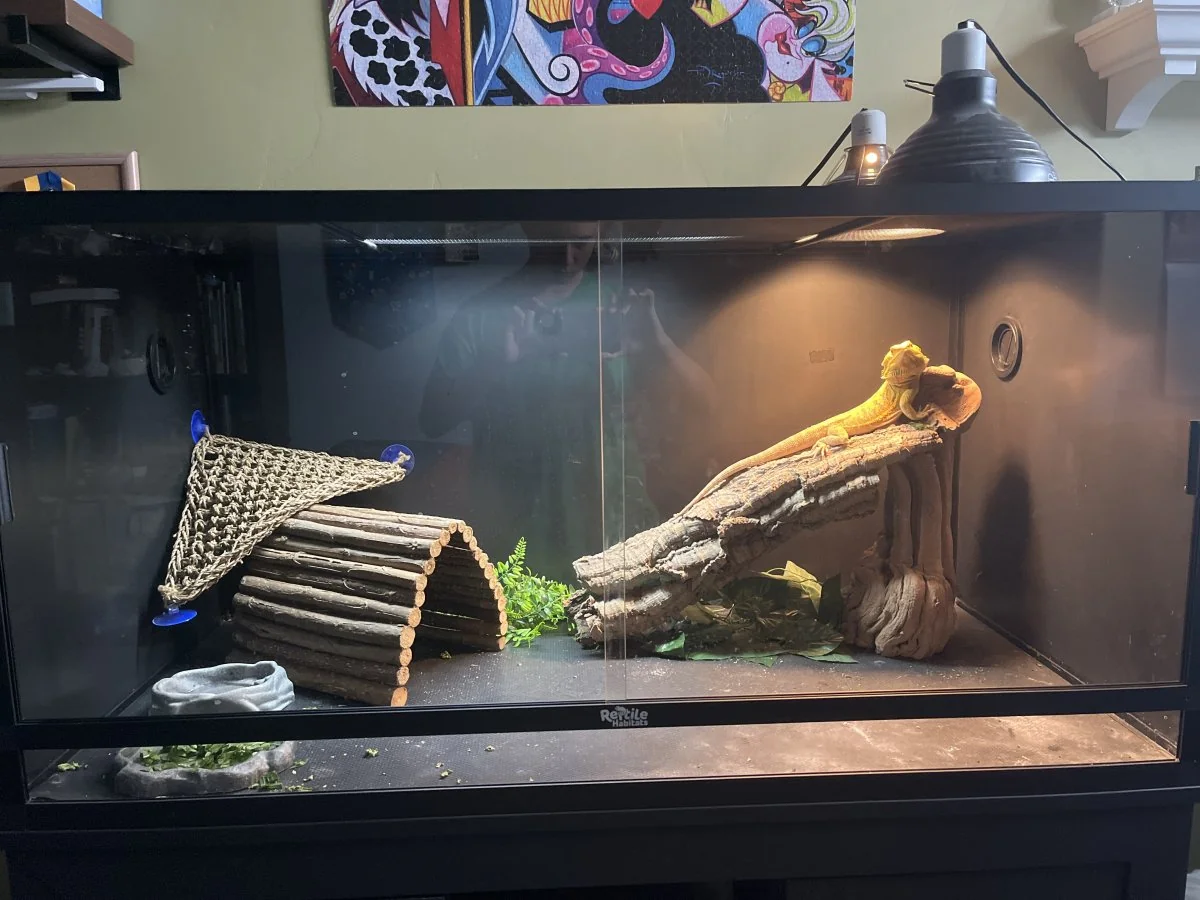
Understanding the Importance of UVB for Bearded Dragons
Providing the right environment is essential for the health and well-being of your bearded dragon. One of the most critical components of this environment is a proper UVB lamp. Unlike humans, bearded dragons require UVB (ultraviolet B) radiation to synthesize vitamin D3, which is crucial for calcium absorption. Without adequate UVB exposure, they cannot properly process calcium, leading to a range of health issues. This article will explore the significance of UVB for bearded dragons and provide actionable tips to help you choose the best UVB lamp for your pet. A well-informed selection ensures that your bearded dragon receives the necessary UVB exposure to thrive.
Why UVB is Essential for Bearded Dragon Health
Bearded dragons are diurnal reptiles, meaning they are active during the day and require UVB light to replicate their natural habitat. In the wild, they bask in the sun to regulate their body temperature and absorb UVB. In captivity, a UVB lamp serves the same purpose. This radiation allows them to produce vitamin D3, which is vital for calcium metabolism. Without this process, bearded dragons can develop metabolic bone disease (MBD), a severe condition that weakens their bones, leading to fractures, paralysis, and ultimately, death. Proper UVB exposure supports a strong immune system, aids in digestion, and helps maintain overall vitality.
Health Benefits of Proper UVB Exposure
The benefits of correct UVB exposure extend far beyond just preventing metabolic bone disease. UVB exposure also contributes to enhanced appetite and digestion, as it helps regulate the digestive processes. It encourages natural behaviors such as basking and thermoregulation, which are crucial for their psychological well-being. Furthermore, UVB light aids in the synthesis of other essential hormones and enzymes that contribute to overall health. Properly exposed bearded dragons are often more active, alert, and display vibrant coloration. Therefore, a well-chosen UVB lamp is a fundamental investment in your bearded dragon’s health and happiness. Investing in a good UVB lamp is an investment in your pet’s future.
Top 5 UVB Lamp Selection Tips for Bearded Dragons


Choosing the right UVB lamp can be overwhelming due to the variety of products available. The following tips will help you navigate the market and select a lamp that meets your bearded dragon’s specific needs. Considering these key factors ensures that your pet gets the appropriate UVB exposure to thrive. From understanding output levels to knowing when to replace your lamp, these tips cover everything you need to know for effective bearded dragon care.
Tip 1 Understanding UVB Output Levels
UVB lamps come in various strengths, which are typically measured as a percentage. This percentage indicates the amount of UVB radiation emitted by the lamp. The appropriate UVB output depends on the distance between the lamp and the basking spot. For bearded dragons, a lamp with an output suitable for the distance they are basking from is essential. Too little UVB can lead to deficiencies, while too much can cause health problems like eye damage. Carefully consider the specifications to ensure the lamp delivers the right level of UVB for your pet’s needs.
Choosing the Right UVB Strength
The strength of your UVB lamp should be determined by the distance the lamp will be from your bearded dragon. Higher output lamps are suitable for larger enclosures where the lamp is further away from the basking spot, while lower output lamps work well in smaller enclosures. As a general guideline, consider the UVB output percentage, such as 10% or 12% for a distance of 12-18 inches. It’s always best to consult with a veterinarian or a reptile specialist to determine the best UVB strength for your specific setup and your bearded dragon’s needs.
Factors Influencing UVB Output
Several factors can affect the UVB output of a lamp, including the type of lamp, the brand, and the age of the bulb. The presence of a mesh screen on the top of the enclosure can also reduce the amount of UVB reaching your dragon. It’s crucial to regularly check the UVB output with a UVB meter to ensure it remains at the appropriate level throughout the lamp’s lifespan. Position the lamp correctly, taking into consideration the height and any obstructions, and always adhere to the manufacturer’s instructions to ensure optimal performance.
Tip 2 Lamp Types T5 vs T8

When selecting a UVB lamp, you’ll encounter two primary types: T5 and T8 lamps. These refer to the diameter of the fluorescent tube. Both have their advantages and disadvantages, so understanding these differences will help you make the right decision. Consider your enclosure size, the basking distance, and your bearded dragon’s needs when choosing between a T5 and a T8 lamp. The key is to choose the option that best delivers the necessary UVB radiation to your pet.
Advantages and Disadvantages of T5 Lamps
T5 lamps are generally considered the superior option for providing UVB to bearded dragons. They have a smaller diameter, which allows for higher UVB output and greater penetration, making them more effective. The higher output means they can be placed further away from the basking spot while still providing adequate UVB. T5 lamps also typically last longer than T8 lamps, which translates to fewer replacements and, thus, more convenience. However, T5 lamps are usually more expensive than T8 lamps. This higher initial cost can be offset by their longer lifespan and superior performance.
Advantages and Disadvantages of T8 Lamps
T8 lamps are a more budget-friendly option and are still capable of providing UVB to your bearded dragon, although they might require closer placement to the basking spot. They have a larger diameter, which often results in lower UVB output and a shorter lifespan. T8 lamps also tend to lose their effectiveness more quickly. Therefore, they may need more frequent replacements to ensure your bearded dragon receives the necessary UVB. If you’re on a tight budget, a T8 lamp can be a reasonable choice, but ensure it’s supplemented with proper placement and regular UVB output monitoring.
Tip 3 Placement and Distance

The placement and distance of the UVB lamp are critical factors in ensuring your bearded dragon receives the appropriate level of UVB exposure. Incorrect placement can lead to either overexposure or underexposure, both of which can be harmful. Understanding these factors is critical to your pet’s health, so you must install the lamp correctly and monitor the setup regularly.
Optimal Distance for UVB Exposure

The optimal distance between the UVB lamp and your bearded dragon’s basking spot is determined by the lamp’s output and the manufacturer’s recommendations. For T5 lamps, a distance of 12-18 inches is often appropriate, while T8 lamps might need to be closer. Always consult the product instructions to determine the recommended distance for your specific lamp. It’s also a good practice to measure the UVB levels with a meter to ensure the basking area provides the correct UVB index. If a screen is present, it can reduce the UVB output, so this should be considered when positioning the lamp.

Avoiding Overexposure and Underexposure
Overexposure to UVB can cause eye damage, skin irritation, and even cancer. Underexposure, on the other hand, can lead to metabolic bone disease. Monitor your bearded dragon’s behavior for signs of overexposure, such as hiding frequently or avoiding the basking spot. Regularly observe the dragon and adjust the lamp position if needed, using a UVB meter for precise measurements. Provide a basking area where your bearded dragon can choose the appropriate level of UVB exposure. Always provide a shaded area where the dragon can retreat to avoid excessive UVB.
Tip 4 Checking the UVB Spectrum and Ratings
Understanding the UVB spectrum and lamp ratings is vital for choosing the correct lamp. The UVB spectrum refers to the range of wavelengths emitted by the lamp, which determines its effectiveness in producing vitamin D3. The lamp ratings provide information on the UVB output and lifespan of the bulb. Ensuring the selected lamp meets these criteria will contribute to your bearded dragon’s health. Regular inspections using a meter are essential to ensuring the UVB level is adequate and safe.
Understanding UVB Spectrum
The UVB spectrum is measured in nanometers (nm), typically ranging from 280 to 320 nm, which is most effective for vitamin D3 synthesis. Look for lamps that emit UVB within this range. Some lamps also include UVA (ultraviolet A) radiation, which can contribute to the natural behaviors and coloration of bearded dragons. The ideal lamp will provide a balanced spectrum that mimics natural sunlight. Always check the product specifications to confirm the lamp emits the necessary wavelengths for optimal health.
Checking Lamp Ratings and UVB Percentage
Lamp ratings provide crucial information about the UVB output, typically expressed as a percentage. Ensure the lamp you choose has the correct UVB percentage for your enclosure size and the distance from the basking spot. A higher percentage is not always better; the key is matching the lamp to your setup. Also, consider the lamp’s lifespan, as UVB output decreases over time. Replace the lamp as recommended by the manufacturer to guarantee your dragon receives adequate UVB exposure. Regularly check the UVB output using a meter to verify the lamp’s performance.
Tip 5 Replacing Your UVB Lamp
UVB lamps lose their effectiveness over time, even if they still produce visible light. Therefore, regular replacement is crucial. The lamp’s lifespan varies depending on the type and brand, but it’s essential to adhere to the manufacturer’s recommendations. Replacing the lamp at the correct intervals ensures your bearded dragon consistently receives adequate UVB. To ensure your dragon’s health, make lamp replacement a priority.
How Often to Replace UVB Lamps
Most UVB lamps need to be replaced every 6 to 12 months, depending on the type and brand. T5 lamps often last longer than T8 lamps. Note the date you install the lamp and set a reminder to replace it on schedule. Even if the lamp still seems to be working, its UVB output diminishes over time, potentially leading to health problems. Refer to the lamp’s packaging or manufacturer’s instructions for specific replacement guidelines.
Signs Your UVB Lamp Needs Replacing
Besides adhering to the manufacturer’s recommended replacement schedule, there are a few signs that may indicate your UVB lamp needs to be replaced sooner. If your bearded dragon starts showing signs of MBD, such as lethargy, loss of appetite, or difficulty moving, the UVB lamp could be failing. Also, use a UVB meter to check the output regularly. If the UVB output drops below the recommended levels, the lamp needs to be replaced. Regularly inspecting your dragon and monitoring the UVB levels ensures their health and well-being.
Additional Care and Maintenance Tips
In addition to selecting the right UVB lamp, providing your bearded dragon with the correct environment involves other crucial factors. Regular monitoring, a balanced diet, and the right temperature and humidity levels contribute significantly to the health and happiness of your pet. Incorporating these care practices supports optimal health and overall well-being.
Monitoring Your Bearded Dragon’s Behavior
Observe your bearded dragon’s behavior daily. Look for signs of good health, such as alertness, a healthy appetite, and active basking. Also, monitor for any symptoms of health issues. A decrease in activity, loss of appetite, or changes in coloration could indicate a problem with the UVB lighting, diet, or environmental conditions. Regular observations can help you catch any problems early on and take the necessary steps to address them promptly.
Providing a Balanced Diet

A balanced diet is essential for a healthy bearded dragon. Offer a varied diet of insects, such as crickets and dubia roaches, and leafy greens, vegetables, and occasional fruits. Supplement their diet with calcium and vitamin D3, especially if your UVB lighting is less than ideal. The proper diet ensures your bearded dragon receives all the essential nutrients they need, complementing the benefits of UVB exposure.
Maintaining Proper Temperature and Humidity
Maintaining the correct temperature and humidity levels is critical for your bearded dragon’s health. Provide a temperature gradient within the enclosure, with a basking spot of 95-110°F (35-43°C) and a cooler side. Humidity levels should generally be kept between 30-40%. Regularly monitor temperature and humidity levels with accurate thermometers and hygrometers. Adjust the environment as needed to provide the correct conditions, as these factors can greatly affect your pet’s health and well-being.