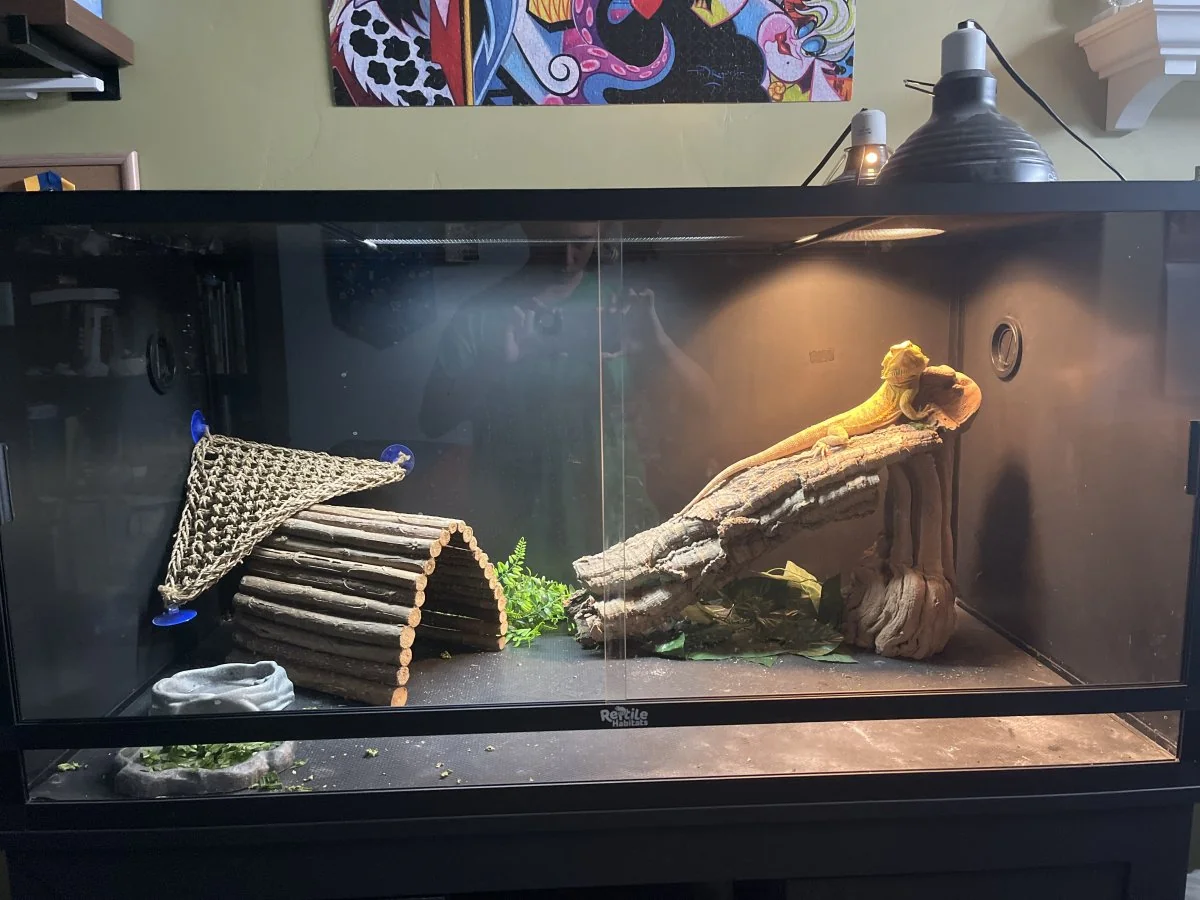
Understanding UVB Lighting for Bearded Dragons
UVB lighting is an essential component of a healthy environment for your bearded dragon. Unlike humans, bearded dragons require UVB radiation to synthesize vitamin D3, which is crucial for calcium absorption. Without adequate UVB, bearded dragons can develop metabolic bone disease (MBD), a debilitating condition that can lead to bone deformities, paralysis, and a significantly shortened lifespan. Providing proper UVB is not just a luxury; it’s a fundamental aspect of responsible bearded dragon ownership. Correct installation and ongoing monitoring of your UVB setup are crucial for your reptile’s health and well-being, supporting everything from their bone density to their immune system.
Why UVB is Crucial
Bearded dragons, being diurnal reptiles, are naturally exposed to UVB in their native habitats. This exposure allows them to produce vitamin D3 in their skin, which is then used to absorb calcium from their diet. Calcium is vital for strong bones, proper muscle function, and the overall health of the dragon. Without enough UVB, the dragon’s body cannot efficiently process calcium, leading to a variety of health issues. It’s a foundational element of their biology. The correct UVB setup mimics their natural sunlight environment, enabling them to thrive in captivity and display their natural behaviors, such as basking and thermoregulation.


Health Benefits of UVB
The benefits of UVB extend far beyond bone health. UVB exposure is also linked to improved immune function, better appetite, and increased activity levels. Bearded dragons that receive adequate UVB are generally more active and exhibit more natural behaviors, such as basking and foraging. Furthermore, UVB exposure can influence the dragon’s mood and overall well-being, contributing to a happier and healthier pet. It’s a key factor in preventing and treating conditions like metabolic bone disease (MBD). Adequate UVB radiation helps them digest their food properly and maintain optimal organ function.
Selecting the Right UVB Bulb
Choosing the right UVB bulb is paramount for your bearded dragon’s health. The market offers a variety of bulbs, and understanding the differences between them is crucial for selecting the best option for your pet’s specific needs. Consider the size of the enclosure, the basking spot distance, and the intensity of UVB output. Regular bulb replacement, as recommended by the manufacturer, is non-negotiable to ensure your dragon continuously receives the benefits of optimal UVB output. Take into account the enclosure dimensions and the dragon’s basking behavior when making your selection. Consider the bulb’s specifications in terms of UVB percentage and the optimal distance from the basking spot.
Types of UVB Bulbs

There are several types of UVB bulbs available. Linear fluorescent tubes are a popular choice because they provide a broad distribution of UVB and are often a cost-effective option. Compact fluorescent bulbs are another option, but they typically have a more focused UVB output, so correct placement is crucial. Mercury vapor bulbs are a third option, producing both UVB and heat, which can be beneficial, but they must be used with caution because they can also produce significant heat. Always check the manufacturer’s recommendations regarding the best usage of each kind of bulb and the optimal distance from the basking spot to avoid any potential harm. Ensure the UVB bulb covers a significant portion of the enclosure.
Choosing the Right UVB Strength
The strength of the UVB bulb is measured by its UVB percentage. The appropriate strength depends on the distance between the bulb and the dragon’s basking spot, as well as the enclosure size. For example, a higher UVB percentage might be required for a bulb that is further away from the basking spot. A lower percentage may be sufficient for a bulb that is positioned closer. Research the manufacturer’s recommendations and consult with a reptile specialist to determine the best UVB strength for your bearded dragon’s setup. Pay close attention to the required basking distance to ensure your dragon receives the correct UVB exposure without risking overexposure. Measure the UVB output regularly using a solarmeter.

Optimal UVB Placement
Proper placement of your UVB bulb is as critical as selecting the right bulb. The goal is to ensure the dragon can bask within the UVB range to receive the necessary radiation. The best approach is to place the UVB bulb in line with the basking spot. The UVB source should be positioned to provide the correct gradient and coverage within the enclosure. Ensure there is a proper basking spot where the dragon can comfortably position itself. This allows your dragon to self-regulate its exposure, moving closer or farther from the light as needed. Correct UVB placement also allows them to receive the full spectrum of benefits from the light source, promoting their health.
Distance Guidelines
Distance is a crucial factor in UVB effectiveness. Follow the manufacturer’s recommendations for the specific bulb you have chosen. Too close, and your dragon could suffer from overexposure and potential health issues. Too far, and your dragon might not receive enough UVB to stay healthy. Regularly check the distance between the basking spot and the UVB bulb to ensure it meets the guidelines. A general rule of thumb is to keep the bulb at the recommended distance as specified by the manufacturer. Monitor your dragon’s behavior and health to see if you need to adjust the distance. In case of any doubt, consult a reptile specialist. Correct distance also prevents eye problems.
Avoiding Obstructions
Any material between the UVB bulb and your bearded dragon can block or reduce the UVB radiation. Glass and plastic, in particular, can significantly filter out UVB rays. This is why you should never place the UVB bulb behind a glass or plastic barrier. Ensure the UVB rays can directly reach your dragon’s basking spot. Position the bulb above a mesh screen, if necessary, but be aware that some mesh screens can also reduce the UVB output. If using a screen, opt for one with a larger mesh size to minimize UVB blockage, or consider placing the UVB bulb inside the enclosure. Check the UVB output with a meter if you use a screen to verify if the light is reaching the basking spot.
Testing and Measuring UVB Output
The only way to know the exact UVB output of your bulb is to measure it with a UVB meter, like a solarmeter. These devices will provide accurate readings of the UVB levels at the basking spot, allowing you to verify that the bulb is functioning correctly and that your dragon is receiving the appropriate amount of UVB. Regularly check the UVB output, especially when you replace the bulb, to make sure it falls within the recommended range. Keep a record of your readings to track any decrease in UVB output over time. This also helps in determining when the bulb needs to be replaced. Measuring UVB output is especially important if you are unsure about the correct distance or bulb type.
Proper UVB Setup Equipment
In addition to the bulb itself, a proper UVB setup involves other crucial equipment. Investing in high-quality components will ensure your bearded dragon receives the necessary UVB exposure and that the setup is safe and efficient. This includes a suitable fixture for the bulb, reflectors, and any accessories that can enhance UVB exposure and overall enclosure conditions. Make sure you invest in the right components to enhance the UVB exposure for your dragon. Regularly inspect these components for wear and tear. Also, make sure to clean the equipment as per the instructions provided by the manufacturer, to maintain optimal performance and safety.
UVB fixture recommendations
The fixture you choose should be designed for reptile UVB bulbs, ensuring that it is the appropriate size for your bulb. It must also be able to withstand the heat generated by the bulb. Many fixtures have a built-in reflector to direct the UVB rays towards the basking spot, maximizing their effectiveness. Make sure the fixture is securely attached to the enclosure, preventing any risk of it falling and potentially harming your dragon. There are various fixture designs available including those that can be mounted inside and outside of the enclosure. Always follow the manufacturer’s instructions for installing the fixture and bulb to ensure safe and proper operation, and keep the fixture clean from dust.
Reflectors and Accessories
Reflectors are essential for directing UVB rays toward the basking spot, increasing the efficiency of the UVB setup. They help to focus the UVB output and prevent light from being wasted. A good reflector will maximize the amount of UVB radiation that reaches your dragon. Consider using a light meter to measure UVB levels with and without a reflector to see the difference. Other accessories might include timers to regulate the on and off times of your UVB bulb, ensuring a consistent day-night cycle. Make sure to check the accessories periodically for any signs of wear and tear. Always ensure that the accessories do not pose any hazards to your reptile.
Monitoring and Maintenance
Maintaining the UVB setup is just as important as the initial installation. This includes regular bulb replacement, periodic checks of UVB levels, and addressing any issues that may arise. Consistent monitoring and maintenance will help ensure your bearded dragon continues to receive the benefits of UVB lighting, promoting its health and well-being. Perform routine checks to ensure the fixture is working and the bulb is clean. Keep track of your bulb replacement schedule to be proactive about the dragon’s UVB needs.

Regular Bulb Replacement
UVB bulbs have a limited lifespan. Even if a bulb still emits light, the UVB output will gradually decrease over time. Always adhere to the manufacturer’s recommended replacement schedule. It is best to replace the bulb before the UVB output diminishes too much. This ensures your bearded dragon continuously receives the required amount of UVB. Keep track of the date you installed the bulb to help you stay on schedule with replacement. Regularly replace the bulb to maintain the right level of UVB. Do not wait until the bulb burns out before replacing it, and mark the date on the enclosure to know when the bulb should be replaced.
Checking UVB Levels
Use a UVB meter to measure the UVB output of your bulb regularly, especially after installing a new bulb and every few months thereafter. This will help you monitor the decrease in UVB output over time and determine if the bulb needs to be replaced. Take readings at the basking spot and at various points within the enclosure. Compare the readings with the manufacturer’s recommendations to ensure your bearded dragon is receiving the correct UVB exposure. Record the readings for future reference, and this will help you identify any issues with your setup before they cause harm to your dragon. Consistent testing and checking of levels will help detect any potential issues.
Troubleshooting Common Issues
Even with careful planning, issues can sometimes arise with a UVB setup. It’s important to be aware of potential problems and know how to address them. The signs of insufficient UVB, and overexposure, are vital aspects. Prompt action is crucial to protect your bearded dragon’s health. Regular inspections and a proactive approach to troubleshooting can prevent minor issues from becoming major health problems. Regular checks of your bearded dragon can assist in determining if there are any potential issues. Consider consulting with a reptile specialist to get further support.
Signs of Insufficient UVB
If your bearded dragon is not receiving enough UVB, it may exhibit several telltale signs. These may include lethargy, loss of appetite, and changes in the dragon’s behavior. Look out for signs of metabolic bone disease (MBD), such as tremors, difficulty moving, and swollen limbs. Ensure you monitor these signs in your reptile. The dragon might also spend an excessive amount of time basking. If you observe any of these signs, it is important to review your UVB setup immediately. Low UVB can also manifest as sunken eyes or a hunched posture. If in doubt, consult a veterinarian or reptile specialist, for assessment.
Addressing Overexposure
While insufficient UVB is a common concern, overexposure is also possible and can lead to health problems, such as eye damage. Ensure the bulb is placed at a safe distance from your dragon to prevent overheating. Watch for signs such as eye irritation, lethargy, or skin burns. Ensure the bulb has been placed at the correct distance from the basking spot. These are the indicators you need to address for any signs of overexposure. Make sure the dragon has a place to escape the direct UVB radiation and a place to cool down. If you notice signs of overexposure, make immediate changes in the bulb’s placement and reduce the exposure time. If the symptoms persist, contact a veterinarian.
Conclusion
Installing and maintaining a proper UVB setup is crucial for the health and well-being of your bearded dragon. By understanding the importance of UVB, selecting the right bulb, and following the installation and maintenance guidelines, you can provide your pet with the essential radiation it needs to thrive. Remember to regularly monitor your setup, and never hesitate to seek professional advice if you have any concerns. Prioritizing UVB needs and providing a comfortable and healthy habitat contributes significantly to your dragon’s overall health. A correctly installed UVB setup can improve the health and vitality of your bearded dragon, ensuring a long and healthy life.
