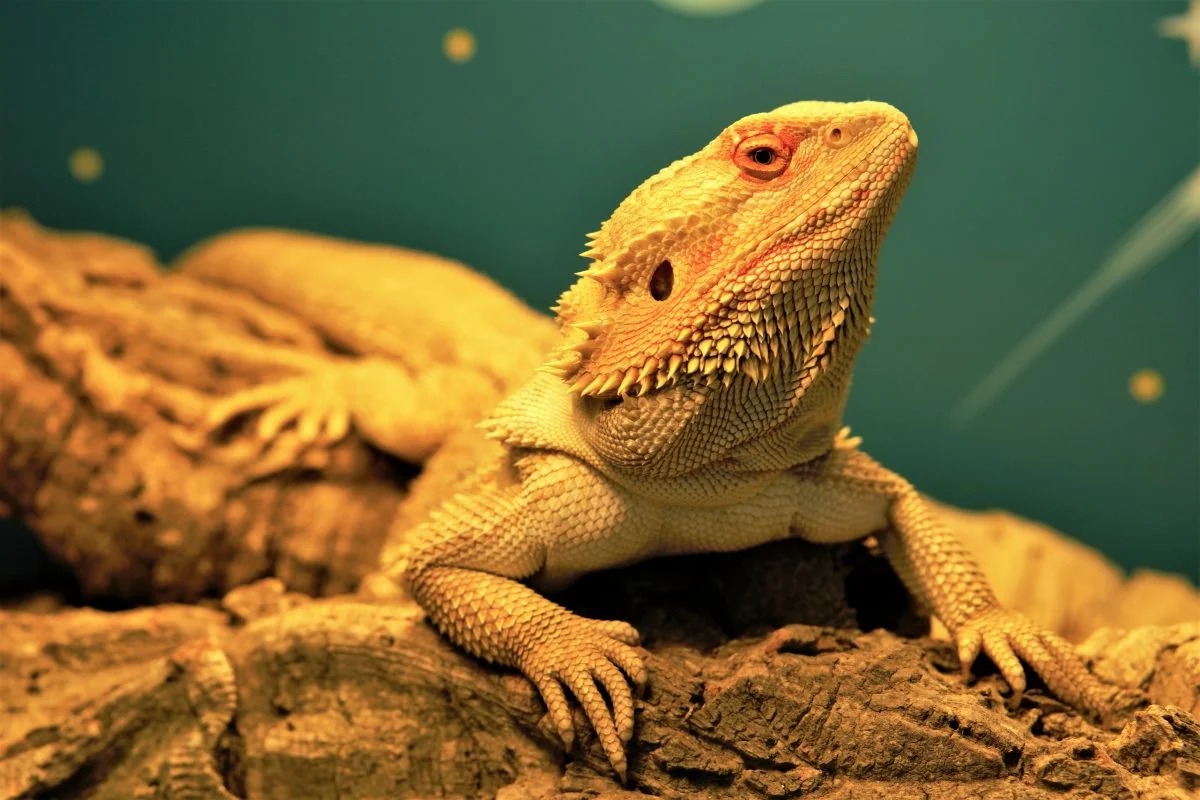
Understanding UVB for Bearded Dragons
Bearded dragons, native to the arid regions of Australia, require specific environmental conditions to thrive in captivity. One of the most critical aspects of their care is providing adequate UVB (ultraviolet B) radiation. Unlike humans, bearded dragons cannot synthesize Vitamin D3 efficiently without UVB exposure. This essential component of their environment is vital for their health and overall well-being. Understanding the significance of UVB is the first step toward ensuring your pet’s longevity and vitality.
Why is UVB Essential for Bearded Dragons?
UVB radiation is not just a luxury; it’s a necessity for bearded dragons. It plays a critical role in several physiological processes. Without UVB, bearded dragons cannot properly absorb calcium from their diet. Calcium is vital for healthy bone development and preventing metabolic bone disease (MBD), a common and debilitating condition in captive reptiles. Moreover, UVB exposure stimulates natural behaviors such as basking and promotes a healthy appetite. The proper levels of UVB exposure are crucial for their physiological and psychological health. Without it, your bearded dragon is likely to experience significant health problems.


The Role of UVB in Vitamin D3 Synthesis
The primary function of UVB is to facilitate the synthesis of Vitamin D3 in a bearded dragon’s skin. Vitamin D3, in turn, is essential for calcium absorption. When UVB rays hit the skin, they convert a precursor molecule into Vitamin D3. This vitamin then aids the body in absorbing calcium from the food the dragon consumes. Without sufficient Vitamin D3, even a calcium-rich diet will be ineffective, leading to calcium deficiencies and MBD. Therefore, a proper UVB setup is as important as the dietary components for a healthy bearded dragon.
Top 5 UVB Maintenance Tips for Bearded Dragons
Maintaining the correct UVB levels for your bearded dragon isn’t a set-it-and-forget-it process. Regular maintenance is key to ensuring your pet receives the necessary UVB radiation. Here are five essential maintenance tips to help you provide a healthy environment for your bearded dragon. Following these tips ensures the longevity and well-being of your pet. Keep in mind that these tips often go hand in hand. For example, a good bulb type and placement depend on each other to work effectively.

Tip 1 Proper UVB Bulb Selection
Choosing the right UVB bulb is the foundation of providing adequate UVB. There are several types available, including fluorescent tubes and mercury vapor bulbs. Fluorescent tubes are generally preferred for their consistent output and wider coverage, while mercury vapor bulbs provide higher UVB intensity in a concentrated area. Ensure the bulb you choose is specifically designed for reptiles and emits UVB radiation. Avoid bulbs labeled as ‘aquarium’ or ‘plant growth’ as they often do not provide the correct spectrum or intensity of UVB needed for reptiles, which is vital for your bearded dragon’s health.

Choosing the Right UVB Strength
The UVB strength, often indicated by a percentage (e.g., 10% UVB), is critical. The appropriate strength depends on the type of bulb and the distance from the basking spot. For fluorescent tubes, a 10% or 12% UVB bulb is typically recommended. Mercury vapor bulbs often have a higher UVB output and should be used with caution to avoid overexposure. Research the specific needs of your bearded dragon and the manufacturer’s recommendations for the bulb you select, as the wrong level can cause various problems, including insufficient Vitamin D3 production, or in rare cases, eye and skin damage.
Consider Your Bearded Dragon’s Enclosure Size
The size of your bearded dragon’s enclosure impacts the UVB bulb choice. Larger enclosures may require longer bulbs or multiple bulbs to ensure proper coverage across the entire basking area. Make sure the UVB light can reach the basking area without obstructions. It’s important that the whole body of your bearded dragon gets exposed to UVB rays. This is particularly important for juveniles as they have higher needs for UVB exposure. The placement of the bulb and the size of the enclosure go hand in hand and should be considered carefully when designing your setup.
Tip 2 Correct Placement and Distance
The placement and distance of the UVB bulb are crucial for optimal UVB exposure. The bulb should be positioned above the basking area, where your bearded dragon spends most of its time. The distance from the bulb to the basking spot directly affects the intensity of the UVB radiation. Too close, and it can be harmful; too far, and it might be ineffective. Remember to always follow the manufacturer’s recommendations for the specific bulb type and strength when placing your bulb.
Measuring the Distance from the UVB Source
The correct distance from the UVB source is vital for ensuring your bearded dragon gets the right amount of UVB. The ideal distance varies depending on the bulb type and output. It is very important to follow the bulb manufacturer’s instructions. It is recommended to check the distance when setting up the enclosure and after any adjustment. Always check the distance to ensure the safety and health of your bearded dragon. Incorrect placement may lead to issues such as not enough UVB or overexposure.
Avoiding Obstructions
Anything between the UVB bulb and your bearded dragon can block UVB radiation. This includes glass, plastic, and even some types of mesh. Glass and plastic, in particular, can filter out a significant amount of UVB. If you’re using a screen top on your enclosure, make sure it allows UVB to pass through. If the screen is too dense, consider using a different type of screen or placing the bulb inside the enclosure. Make sure to remove any obstacles and keep a clear path for the UVB rays to reach your pet.
Tip 3 Regular UVB Bulb Replacement
UVB bulbs don’t last forever. Over time, their UVB output decreases, even if the bulb still produces visible light. Regular bulb replacement is essential to ensure your bearded dragon continues to receive adequate UVB. The lifespan of a UVB bulb varies depending on the type and brand. Check the manufacturer’s specifications for your specific bulb to determine its recommended lifespan. Keeping track of the date you install the bulb is crucial for an effective maintenance routine. Failing to replace the bulb in time can lead to a drop in UVB levels, affecting your dragon’s health.
Understanding UVB Bulb Lifespan
Most fluorescent UVB bulbs have a lifespan of 6-12 months, while mercury vapor bulbs often last slightly longer. However, even within this timeframe, the UVB output gradually diminishes. It’s crucial to replace the bulb at or before the end of its recommended lifespan, even if it appears to be working fine. Some bulbs may still emit visible light long after their UVB output has diminished. Always adhere to the manufacturer’s recommendation to ensure your pet receives the right amount of UVB.
Tracking Bulb Replacement Schedules
Keep a record of when you install your UVB bulb and mark the replacement date on your calendar. This helps you stay on track and ensures you don’t miss replacing it. You can use a simple system such as a sticker on the enclosure or a note on your phone. Another option is to use a habit-tracking app to help you manage your maintenance routine. Regularly replacing the bulb prevents health issues caused by insufficient UVB exposure, promoting the well-being of your bearded dragon.
Tip 4 Monitoring UVB Output
While regular bulb replacement is crucial, monitoring the actual UVB output is even better. This can help you catch potential problems early and ensure your setup is functioning correctly. UVB bulbs can degrade at different rates depending on factors like the brand, quality, and usage. This is especially important if you’re using a high-output bulb or have a particularly large enclosure. Monitoring the UVB output is a great way to make sure the bulb is providing the correct amount of UVB.

Using a Solarmeter to Check UVB Levels
A Solarmeter is a handheld device that measures the UVB intensity emitted by your bulb. It provides precise readings, allowing you to determine if the UVB levels are within the recommended range for your bearded dragon. This tool is particularly useful for ensuring your bulb is functioning properly and that your setup is providing the appropriate amount of UVB. It can also help identify any issues with the placement or obstructions, such as the screen top, that might be interfering with the UVB output. Using this device is an effective way to ensure the health and well-being of your bearded dragon.
Interpreting Solarmeter Readings
When using a Solarmeter, be sure to consult the manufacturer’s recommendations for your specific bulb type. The ideal UVB levels vary depending on the bulb and the distance from the basking spot. Generally, the reading should fall within a specific range. If the readings are too low, it may indicate the bulb is nearing the end of its lifespan, or the distance is too great. If the readings are too high, the bulb may be too strong or too close, which can cause harm. Interpreting these readings is a vital part of the maintenance routine, and it ensures your bearded dragon receives the appropriate UVB dosage.
Tip 5 Maintaining a Clean Environment
A clean enclosure is essential for your bearded dragon’s health and the effectiveness of your UVB setup. Dust, debris, and other contaminants can accumulate on the bulb and reduce its UVB output. Regularly cleaning the bulb and the enclosure ensures that the UVB radiation can reach your bearded dragon without obstruction. A clean environment also helps prevent the spread of diseases and promotes overall well-being.
Cleaning the Enclosure and the UVB Bulb
Clean the enclosure regularly, at least once a week, including the basking area, the floor, and the walls. Use a reptile-safe disinfectant. Gently wipe the UVB bulb with a soft, damp cloth to remove any dust or debris. Make sure the bulb is cool before cleaning it. Avoid using harsh chemicals or abrasive cleaners. Regular cleaning will help maintain the effectiveness of your UVB bulb and create a healthier environment for your bearded dragon. A clean enclosure ensures the UVB rays can reach the bearded dragon without any obstructions.
Preventing Dust and Debris Buildup
To minimize dust and debris buildup, place the UVB bulb in a location where it’s less likely to get dirty. This can be achieved by ensuring the enclosure is covered and the dragon is provided with a clean substrate. Consider using a screen top to prevent dust from settling on the bulb. Check and clean the bulb regularly to prevent dust and debris from building up. This helps the bulb’s effectiveness and makes sure your bearded dragon gets the necessary UVB. Proper prevention helps make the maintenance routine easier and more efficient.
Common UVB Maintenance Mistakes and How to Avoid Them
Even with the best intentions, it’s easy to make mistakes when caring for your bearded dragon’s UVB setup. Being aware of these common pitfalls can help you avoid them and keep your pet healthy. Some common mistakes are selecting the wrong type of bulb, improper placement, and neglecting bulb replacement. Avoiding these mistakes leads to a healthier life for your bearded dragon.


Mistake 1 Incorrect Bulb Type
Using the wrong type of bulb is a common mistake. Using a bulb not designed for reptiles may not provide enough UVB. Using a bulb for plants is one example of this. Incorrect bulb types can lead to Vitamin D3 deficiency and MBD. Always choose a bulb specifically designed for reptiles and suited to your bearded dragon’s needs and follow the manufacturer’s instructions. Research and choose the right bulb type based on the intensity and the area coverage.
Mistake 2 Improper Placement
Improper placement affects the UVB intensity and coverage. Placing the bulb too far from the basking spot will result in insufficient UVB exposure. Placing it too close can cause burns and eye damage. The ideal distance depends on the bulb type and output. Following the manufacturer’s instructions is key to proper placement. Regularly checking the distance and using a Solarmeter can help prevent this mistake. Make sure the bearded dragon gets the right amount of UVB by implementing the proper distance.
Mistake 3 Neglecting Bulb Replacement
Failing to replace UVB bulbs on time is a common error. Even though the bulb may still emit light, its UVB output decreases over time. This can lead to insufficient UVB exposure and health problems. Always follow the manufacturer’s recommended lifespan for the bulb. Setting up a replacement schedule and keeping track of the installation date helps prevent this mistake. Neglecting to replace the bulb is a common error, but one that is easy to avoid by following a schedule.
The Benefits of Proper UVB Maintenance
Providing your bearded dragon with the correct UVB setup and maintaining it properly offers numerous benefits, contributing to their overall health and well-being. Proper maintenance not only meets the reptile’s requirements but also allows you to enjoy your pet longer. By keeping the UVB at an optimal level, you’re guaranteeing your bearded dragon will live a better life.
Promoting Healthy Bones and Metabolism
The primary benefit of proper UVB maintenance is promoting healthy bone development and a strong metabolism. UVB radiation helps your bearded dragon synthesize Vitamin D3, which in turn aids in calcium absorption. This leads to robust bones and prevents MBD, a potentially fatal condition. A healthy metabolism ensures the dragon’s body functions correctly, supporting all other bodily functions. Proper UVB promotes healthy bones and a good metabolism for your bearded dragon.
Enhancing Behavior and Well-being
Adequate UVB exposure positively impacts a bearded dragon’s behavior and overall well-being. It encourages natural behaviors such as basking, stimulating their appetite. A well-lit enclosure also reduces stress and promotes activity, leading to a happier, healthier dragon. UVB exposure is also crucial for their immune system and helps them thrive. Proper UVB exposure is an integral part of a happy and healthy life for your bearded dragon.
Conclusion
Maintaining the correct UVB levels is a fundamental aspect of bearded dragon care. By following these five maintenance tips and avoiding common mistakes, you can ensure your pet receives the essential UVB radiation they need to thrive. Regular bulb replacement, proper placement, and a clean enclosure will help your bearded dragon live a long, healthy, and fulfilling life. Remember, consistent care is the key to a happy and thriving bearded dragon. By taking these steps, you can enjoy many years of companionship with your amazing reptile companion.