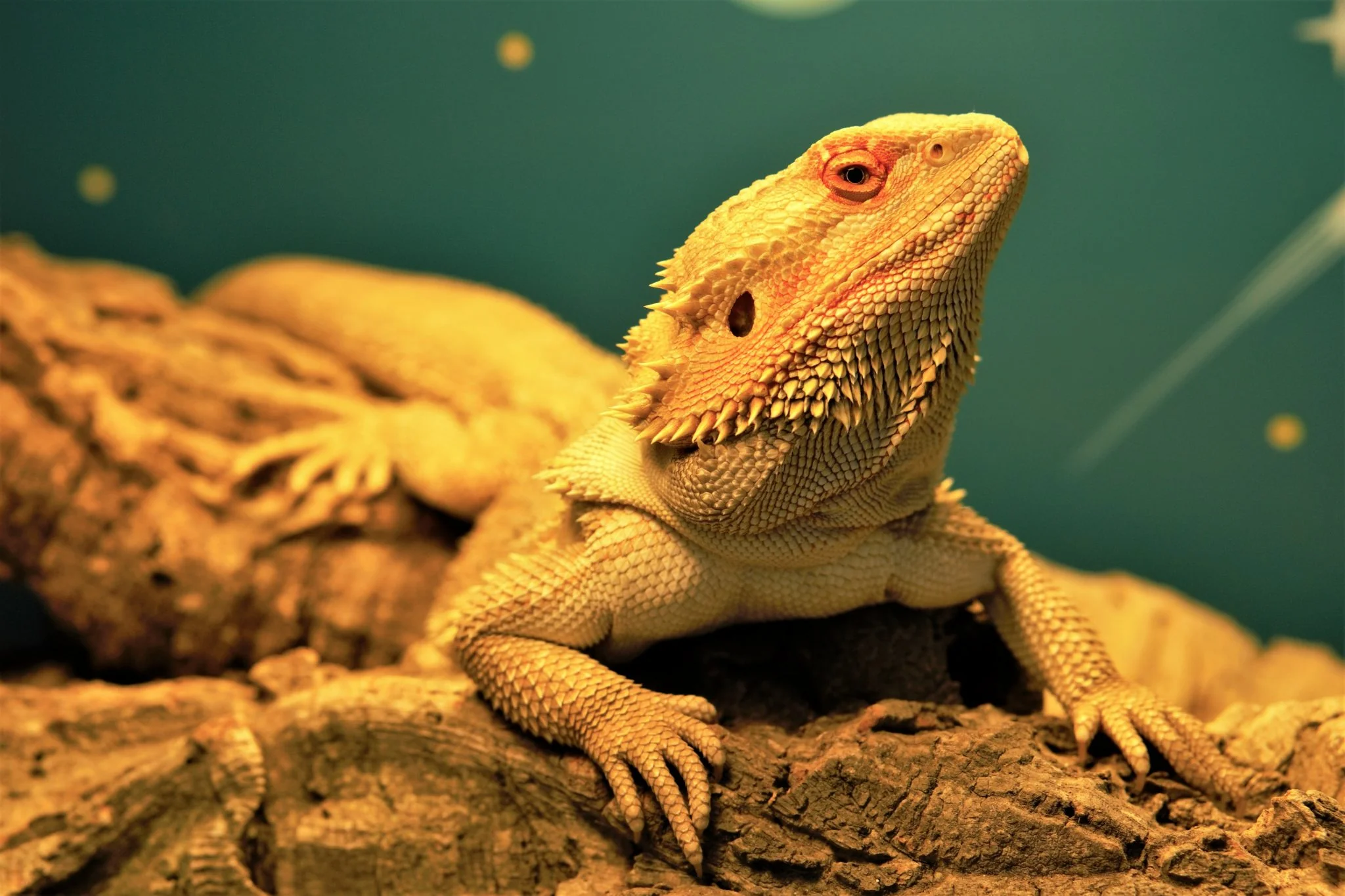
The Importance of UVB for Bearded Dragons
Bearded dragons, native to the arid regions of Australia, are diurnal reptiles that thrive on exposure to ultraviolet B (UVB) light. This essential component of their habitat plays a crucial role in their overall health and well-being. Unlike humans, bearded dragons cannot synthesize Vitamin D3 efficiently without UVB exposure. This vitamin is essential for calcium absorption, bone health, and a strong immune system. Providing the correct UVB lighting is not merely a preference, but a necessity for your bearded dragon to flourish. Without adequate UVB, your pet will be susceptible to various health problems, significantly reducing their quality of life and longevity. Understanding and implementing proper UVB maintenance is therefore paramount for responsible bearded dragon ownership.
Why UVB is Crucial for Bearded Dragon Health
UVB light mimics the natural sunlight that bearded dragons would receive in their native habitat. This exposure is vital for several key physiological processes. It aids in the synthesis of Vitamin D3, which is then used to absorb calcium from their diet. Calcium is essential for bone development, muscle function, and nerve transmission. Adequate UVB exposure also supports a healthy immune system, helping your dragon fight off infections and diseases. Furthermore, UVB light can also improve a bearded dragon’s overall metabolism and behavior. A healthy bearded dragon with proper UVB exposure is typically more active, alert, and displays natural behaviors such as basking. Ignoring this key element of their care can lead to a range of serious health complications, making UVB an indispensable aspect of their well-being.
UVB and Vitamin D3 Synthesis
The process of Vitamin D3 synthesis is a cornerstone of UVB’s importance. When UVB rays strike the skin of a bearded dragon, they trigger a chemical reaction that converts a precursor molecule into Vitamin D3. This critical step is essential, as Vitamin D3 plays a crucial role in calcium absorption. Without enough UVB exposure, the conversion process is impaired, and the dragon is unable to absorb the calcium from its diet effectively. This can lead to calcium deficiencies, which can rapidly develop into serious health issues. Therefore, maintaining the correct UVB levels is not only a preventative measure but a crucial daily requirement to ensure that your bearded dragon can properly utilize the nutrients from its food, supporting healthy bones, muscles, and overall vitality.


The Role of Vitamin D3 in Bearded Dragons
Vitamin D3, synthesized through UVB exposure, is central to a bearded dragon’s overall health. Its primary function is to facilitate the absorption of calcium from the digestive tract. Calcium is essential for numerous bodily functions, including bone growth and maintenance, muscle contraction, and nerve function. Without sufficient Vitamin D3, a bearded dragon cannot properly utilize the calcium it consumes in its diet, even if the diet is calcium-rich. A deficiency can lead to a cascade of health problems, including metabolic bone disease (MBD), muscle weakness, and even paralysis. This highlights the crucial importance of UVB lighting as it directly impacts the dragon’s ability to maintain a healthy skeletal structure and overall physiological well-being. Supplementing the diet with calcium alone is often insufficient without adequate UVB, which underscores its role as the foundation of good health for your pet.
Preventing Metabolic Bone Disease
Metabolic Bone Disease (MBD) is a common and devastating ailment in bearded dragons. It results directly from a deficiency in calcium, often linked to inadequate UVB exposure. The lack of UVB impairs the dragon’s ability to synthesize Vitamin D3, which is essential for calcium absorption. Symptoms of MBD include soft bones, skeletal deformities, muscle tremors, and paralysis. Early detection is essential, but prevention through proper UVB lighting is paramount. Ensuring the dragon receives the correct intensity and duration of UVB exposure, alongside a balanced diet with adequate calcium and phosphorus levels, is the best defense against MBD. Regular checkups with a reptile veterinarian can further aid in early detection and treatment if any signs of the disease appear.
Essential UVB Maintenance Tips
Maintaining proper UVB lighting requires diligent care and attention. Regular bulb replacement is paramount, as UVB output diminishes over time, even if the bulb still emits visible light. Most UVB bulbs need to be replaced every six to twelve months, depending on the type and manufacturer’s recommendations. Keep track of the bulb’s age and replace it proactively. Clean the light fixture regularly to remove dust and debris that can block UVB rays. Monitor the distance between the bulb and your dragon’s basking spot, as the intensity of UVB decreases with distance. Finally, use a UVB meter to periodically measure the UVB output of your bulb, ensuring it is providing the necessary levels for your bearded dragon’s health and well-being. This active approach to maintenance guarantees that your pet benefits fully from its UVB lighting.

Choosing the Right UVB Bulb for Your Dragon
Selecting the appropriate UVB bulb is critical to ensuring your bearded dragon receives the optimal amount of UVB radiation. There are various types available, each with its own specifications. Consider the size of your dragon’s enclosure, the basking distance, and the bulb’s UVB output when making your selection. T5 and T8 fluorescent UVB bulbs are popular choices, with T5 bulbs typically providing a higher output and longer lifespan. Mercury vapor bulbs (MVBs) also provide both UVB and heat. Always choose a bulb specifically designed for reptiles and follow the manufacturer’s instructions for placement and usage. Research different brands and read reviews to find a reliable and effective UVB solution that meets your dragon’s specific needs.
UVB Bulb Types and Recommendations
Several types of UVB bulbs are available, each with its characteristics. Fluorescent UVB bulbs, such as T5 and T8, are widely used. T5 bulbs offer a higher UVB output and last longer than T8 bulbs. Mercury vapor bulbs (MVBs) are another option, providing both UVB and heat, making them suitable for larger enclosures or where additional heat is required. The choice depends on the size of the enclosure, the dragon’s basking distance, and the desired UVB output. Consider using a UVB meter to check the output of the bulb. Reputable brands that offer reliable UVB bulbs for bearded dragons include Zoo Med, Arcadia, and ReptiSun. Always follow the manufacturer’s instructions for placement and replacement, ensuring your dragon gets the correct amount of UVB exposure.

Optimal UVB Distance and Placement
Correct positioning of the UVB bulb is crucial for effective UVB exposure. The distance between the bulb and the basking spot affects the intensity of the UVB rays. A distance that is too great may result in insufficient UVB, while a distance that is too small can be harmful. As a general guideline, follow the manufacturer’s recommendations for distance. This distance varies depending on the bulb type and output. For T5 fluorescent bulbs, a distance of 12-18 inches is often recommended, whereas T8 bulbs may require closer placement. Place the UVB bulb over the basking area, where the dragon spends a significant amount of time. Always allow your dragon access to a gradient of UVB exposure, so they can move away if they need to. Regularly observe your dragon’s behavior, and adjust the distance if needed, and ensure the UVB rays can reach the basking spot without obstruction.
UVB Bulb Lifespan and Replacement
The UVB output of a bulb diminishes over time, even if the bulb still emits visible light. Therefore, replacing your UVB bulb regularly is crucial, to maintain effective UVB levels for your dragon. The lifespan of a UVB bulb can vary, typically ranging from 6 to 12 months, depending on the type of bulb and manufacturer. Fluorescent bulbs, such as T5 and T8, generally have a shorter lifespan than mercury vapor bulbs. To ensure your dragon receives adequate UVB, track the date the bulb was installed and replace it according to the manufacturer’s recommendations. Consider using a UVB meter to measure the bulb’s output periodically, this helps to verify whether the bulb is still effective. Regular bulb replacement prevents potential health issues and ensures your dragon consistently benefits from the vital UVB rays.
Monitor Your Bearded Dragon’s Health

Regularly monitoring your bearded dragon’s health is crucial to detect and address any potential issues, including UVB deficiencies. Observe your dragon’s behavior, appetite, and physical condition. Look for signs of lethargy, loss of appetite, or changes in stool consistency. Assess their overall activity levels and look for any signs of discomfort or unusual movements. Check for any swelling in the limbs or jaw, which may be signs of metabolic bone disease. Regular weigh-ins can also help track your dragon’s health. Keep a journal of your observations and consult with a reptile veterinarian if you notice any concerning changes. Early detection of problems, coupled with professional veterinary care, significantly improves the chances of a full recovery.
Recognizing UVB Deficiency Symptoms
Recognizing the symptoms of UVB deficiency is crucial for the health of your bearded dragon. Early signs may include lethargy, loss of appetite, and a decrease in activity levels. As the deficiency progresses, you might notice skeletal deformities, such as a curved spine or bowed legs. The dragon might also display muscle tremors or paralysis. Another significant symptom is a rubbery lower jaw, which indicates bone softening. If your bearded dragon shows any of these signs, it is essential to address the UVB situation immediately and consult a reptile veterinarian. Ensure proper UVB lighting, dietary adjustments, and veterinary treatment can often reverse the effects of UVB deficiency if caught early.
How to Observe Your Dragon’s Behavior
Observing your bearded dragon’s behavior is a critical part of its care and provides valuable insights into its health. Pay attention to its basking habits, appetite, and activity levels. A healthy dragon will typically bask under the UVB light, regulating its body temperature. A loss of appetite or refusal to eat may indicate illness or a problem with its environment. Note any changes in behavior, such as lethargy, hiding, or restlessness. Observe the dragon’s stools, as changes in consistency can signal digestive issues. Interacting with your dragon and handling it regularly helps in understanding its temperament and early detection of any discomfort. Recording observations in a journal helps track changes and provides valuable information for your vet.
Other Health Considerations
While UVB is essential, other factors contribute to your bearded dragon’s overall health. A balanced diet, including insects and vegetables, provides essential nutrients. Proper hydration is vital, so provide fresh water daily and monitor the dragon’s drinking habits. Maintain the appropriate temperature and humidity levels within the enclosure. Regular cleaning and disinfection of the enclosure are essential to prevent the spread of bacteria. Schedule regular checkups with a reptile veterinarian to catch any potential health issues early. Creating a stimulating environment with appropriate enrichment, such as climbing branches and hiding spots, also helps to maintain your dragon’s well-being. By addressing these factors, you can create a comprehensive health plan for your bearded dragon.
Provide a Balanced Diet
Nutrition plays a crucial role in the health and vitality of your bearded dragon. Providing a balanced diet is essential to supplement the benefits of UVB lighting. The diet should consist primarily of insects, such as crickets, dubia roaches, and mealworms, with vegetables and leafy greens forming a smaller portion. Insects provide protein and essential nutrients, while vegetables and greens supply vitamins and minerals. Dust insects with a calcium and vitamin D3 supplement before feeding them to your dragon. Offer a variety of foods to provide a wide range of nutrients, and avoid feeding foods that are high in oxalates or that may be difficult to digest. Adjust the diet based on the dragon’s age, ensuring growing juveniles receive more protein and younger dragons are fed more frequently.
Proper Hydration
Ensuring proper hydration is vital for the health of your bearded dragon, and it works in tandem with proper UVB exposure and a balanced diet. Provide a shallow water dish filled with fresh, clean water daily, and monitor the water level. Some bearded dragons may not drink from a water dish, so you may need to mist the enclosure or offer water via a dropper. Signs of dehydration include sunken eyes, dry skin, and lethargy. Offer fresh, clean water daily and observe the dragon’s drinking habits. Adequate hydration is critical for maintaining proper organ function, digestion, and overall health. Making sure your dragon is well-hydrated will help them thrive and stay active.
Creating a Comfortable Habitat
Creating a comfortable and appropriate habitat is vital for the health and well-being of your bearded dragon. The enclosure should be spacious, providing adequate room for movement and exercise. Maintain appropriate temperature gradients within the enclosure, with a basking spot at the correct temperature. Provide a range of enrichment items, such as branches, rocks, and hides, to stimulate the dragon’s natural behaviors and offer places to hide and feel safe. Use appropriate substrate, such as reptile carpet or paper towels, and avoid substrates that can be ingested, potentially causing impaction. Regularly clean and disinfect the enclosure to maintain a hygienic environment, and ensure the correct humidity levels. By creating a proper habitat, you not only meet the needs of your pet but also enhance their overall quality of life.