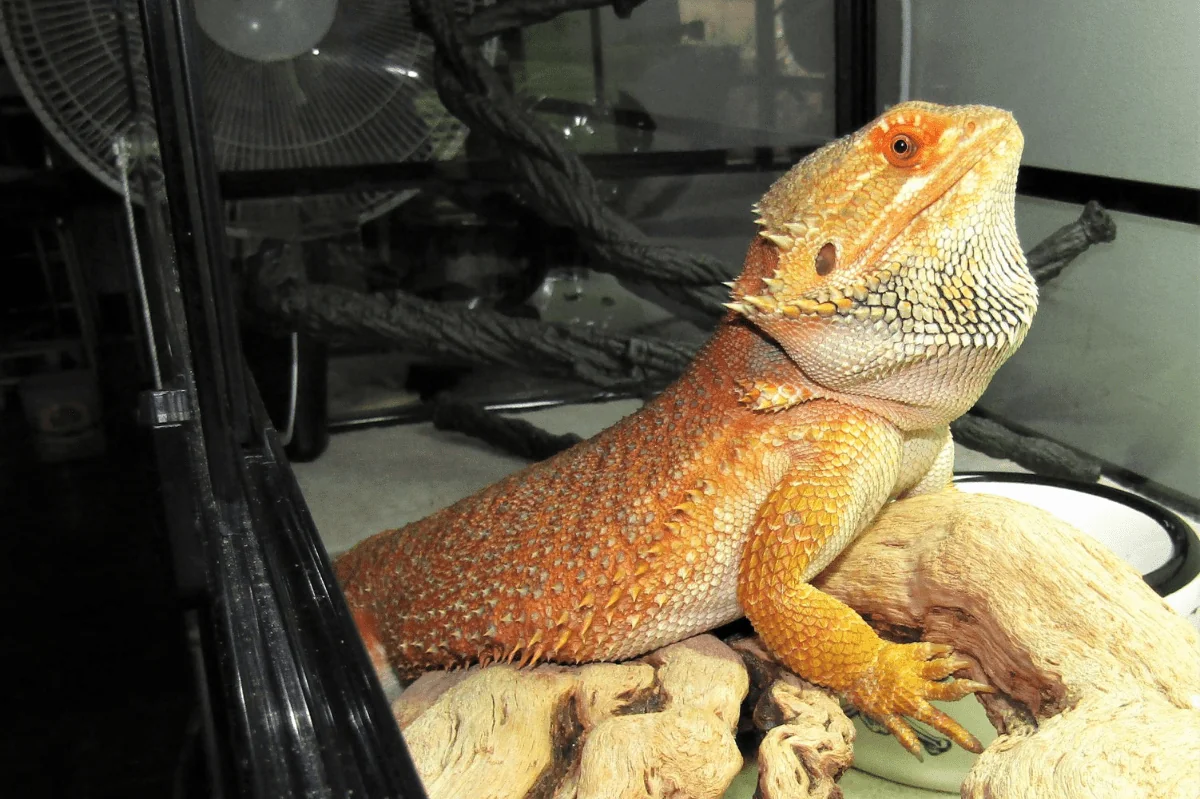
UVB for Bearded Dragons Top 10 Skin Health Tips
Keeping your bearded dragon healthy and happy is a top priority for any reptile owner. A key aspect of bearded dragon care is providing the correct lighting, specifically UVB radiation. UVB is essential for their overall well-being, playing a crucial role in vitamin D3 synthesis, calcium absorption, and healthy skin. This guide will provide you with 10 essential tips to ensure your bearded dragon receives adequate UVB exposure for optimal skin health, preventing common problems and promoting a vibrant, active life for your scaly friend. Understanding and implementing these guidelines can significantly improve your pet’s quality of life, ensuring they thrive in their captive environment.
Understanding UVB and its Importance
What is UVB Radiation?
UVB radiation is a specific type of ultraviolet light that is part of the light spectrum emitted by the sun. It’s crucial for reptiles because, unlike humans, they cannot naturally produce vitamin D3 from their diet alone. UVB exposure allows bearded dragons to synthesize vitamin D3 in their skin. This process is vital for absorbing calcium from their diet, which is essential for bone health, muscle function, and overall metabolic processes. Without adequate UVB exposure, bearded dragons can suffer from a range of health issues, significantly impacting their quality of life. Providing the right UVB source is therefore a cornerstone of responsible bearded dragon ownership.
Why UVB is Vital for Bearded Dragons
UVB radiation facilitates vitamin D3 synthesis, which is indispensable for calcium absorption. Calcium is a critical mineral for strong bones and skeletal development, and UVB exposure allows for the proper use of calcium, preventing metabolic bone disease (MBD). MBD is a severe condition that can lead to bone deformities, paralysis, and even death. In addition to bone health, UVB exposure supports the immune system, helps regulate metabolic processes, and aids in the production of essential hormones. It also contributes to the natural behaviors and overall vitality of your bearded dragon, making it an integral part of their well-being.

Symptoms of UVB Deficiency
Recognizing the signs of UVB deficiency is crucial for early intervention. Common symptoms include lethargy, loss of appetite, and weakness. Advanced stages can manifest as bone deformities, such as a rubbery jaw or curved spine. You might also notice a loss of appetite or difficulty moving. Skin problems, such as poor shedding and infections, can also indicate a lack of UVB. Early diagnosis and prompt corrective measures, such as providing the appropriate UVB lighting, are vital for reversing these effects and restoring your bearded dragon’s health. Regular observation of your pet’s behavior and physical condition can help detect early signs of deficiency.
Top 10 Skin Health Tips for Bearded Dragons
Provide the Right UVB Lighting
The cornerstone of healthy skin for bearded dragons is the correct UVB lighting. Using a high-quality UVB bulb designed specifically for reptiles is essential. These bulbs emit the necessary wavelengths of UVB radiation that stimulate vitamin D3 production. Position the UVB bulb properly to ensure your dragon can bask within the recommended distance from the light source. Regularly replace the bulb as recommended by the manufacturer, as the UVB output diminishes over time. Proper UVB lighting, combined with other care tips, provides the best chance of a healthy and vibrant dragon.
Choosing the Correct UVB Bulb
Choosing the right UVB bulb is crucial. There are various types available, including fluorescent tubes and mercury vapor bulbs. Fluorescent tubes, like T5 HO bulbs, are popular for their consistent UVB output over a broader area and are often recommended for their safety and effectiveness. Mercury vapor bulbs provide both heat and UVB, but require careful monitoring to avoid overheating the enclosure. Choose a bulb with the appropriate UVB output percentage (e.g., 10% or 12%) suitable for the size of your enclosure. Research different brands and read reviews to ensure you choose a reliable and effective UVB source for your bearded dragon.
Placement and Distance of the UVB Bulb

Proper placement and distance are key to ensure effective UVB exposure. Follow the manufacturer’s guidelines for bulb distance; the distance between the bulb and your dragon’s basking spot is critical. Too far, and they won’t receive sufficient UVB; too close, and they risk overexposure and potential eye damage. The basking spot should allow your dragon to position itself within the optimal range. Use a digital thermometer to monitor the basking spot temperature to ensure it stays within the recommended range (usually between 95-110°F or 35-43°C). Providing a basking spot is where the reptile can absorb UVB radiation while regulating its body temperature.
Regular Bulb Replacement
UVB bulbs do not last forever. Even though a bulb may still emit light, the UVB output degrades over time. Therefore, it’s crucial to replace the bulb according to the manufacturer’s recommendations, typically every 6-12 months, depending on the bulb type and usage. Regularly check the bulb’s age and make sure it’s within the recommended lifespan. Replace the bulb at the appropriate intervals to ensure your bearded dragon continues to receive the necessary UVB radiation for optimal health. It is a small investment that provides huge health benefits. A fresh bulb is your pet’s best defense against a range of potential health issues.

Offer a Varied Diet
A balanced diet is fundamental for skin health. Offer a variety of insects, such as crickets, dubia roaches, and mealworms, and a diverse range of leafy greens like collard greens, mustard greens, and dandelion greens. Supplement the diet with calcium and vitamin D3, but follow the recommended dosage to avoid over-supplementation. Always ensure that the food is properly gut-loaded before feeding it to your dragon, so it passes on more nutrients. A nutritious diet supports overall health, which in turn, contributes to healthy skin and proper shedding. A well-fed dragon is a healthy dragon, capable of proper growth and development.
The Importance of Calcium and Vitamin D3
Calcium and vitamin D3 are essential partners in maintaining bone and skin health. Provide a calcium supplement with vitamin D3, typically sprinkled on food, but use it as directed to avoid overdosing. Vitamin D3 is crucial because it assists in the absorption of calcium, which in turn supports bone growth, healthy muscle function, and a strong immune system. Without these, MBD can develop, leading to serious health complications. Therefore, the correct balance of calcium and vitamin D3, coupled with proper UVB exposure, is vital for the overall well-being of your bearded dragon.
Hydration is Key
Maintaining proper hydration is crucial for skin health. Provide a shallow water dish in the enclosure and replace the water daily to keep it fresh and clean. Mist the enclosure daily, especially during shedding, to provide humidity that supports the shedding process. Ensure your bearded dragon has access to clean water at all times. Adequate hydration is vital for healthy skin and shedding. Dehydration can lead to skin problems, like stuck shed, which can cause discomfort. It is also important for kidney function. Hydration, therefore, is a critical aspect of good health and vibrant skin in bearded dragons.
Create a Proper Temperature Gradient
Bearded dragons are ectothermic, meaning they rely on external sources to regulate their body temperature. A proper temperature gradient is critical in the enclosure. Provide a basking spot at the high end of the temperature range (95-110°F or 35-43°C) and a cooler area (around 75-85°F or 24-29°C) on the other end of the enclosure. This gradient allows your dragon to move between temperatures to regulate its body temperature, which is crucial for digestion, metabolism, and shedding. Use a reliable thermometer to monitor the temperature in both areas and make adjustments as needed. Proper temperature control helps prevent health issues and ensures overall vitality for your pet.
Maintain a Clean and Hygienic Enclosure
A clean enclosure helps prevent skin infections and other health problems. Regularly spot-clean the enclosure to remove feces and uneaten food. Thoroughly clean and disinfect the enclosure at least once a month, including all decorations and accessories. Use reptile-safe disinfectants. A clean environment reduces the risk of bacterial and fungal infections, which can lead to skin irritation and more serious health issues. The substrate should be chosen to be safe and easy to clean. Regular cleaning minimizes the risk of pathogens and parasites, guaranteeing a healthy environment for your bearded dragon.
Monitor Your Dragon’s Skin

Regularly inspect your dragon’s skin for any signs of problems. Look for changes in color, texture, or any unusual growths. Check for shedding problems, such as stuck shed, and address them promptly. Be aware of signs of infection, like redness, swelling, or discharge. Early detection is critical. Any irregularities should be noted. Early intervention is the key to preventing minor issues from turning into something more significant. Regular checks allow for quick action, ensuring your dragon stays healthy and comfortable. If you notice anything unusual, consult with a veterinarian.
Provide Enrichment and Exercise
Enrichment and exercise contribute to a healthy and happy bearded dragon. Provide opportunities for climbing, digging, and exploring, such as branches, rocks, and hides. Allowing your dragon to exercise stimulates circulation and supports skin health. Regularly take your dragon out of the enclosure for supervised exercise time in a safe environment. A stimulated and active dragon is less likely to experience health problems and sheds better. This is important for their overall well-being. By offering an engaging and varied environment, you’ll contribute to both their physical and mental health.
Regular Vet Check-ups
Regular veterinary check-ups are important. A reptile veterinarian can identify potential health problems early. They can perform a physical exam, check for parasites, and offer advice on husbandry and nutrition. Routine check-ups help maintain your dragon’s health. They can identify problems before they worsen and provide proactive care. Finding a vet experienced with reptiles is vital. They can help provide the best care. Establishing a relationship with a veterinarian ensures your dragon receives prompt medical attention should it be necessary.

Avoid Overexposure to UVB
While UVB is crucial, overexposure can be harmful. Always follow the manufacturer’s recommendations for bulb distance and on-time use. Excessive UVB exposure can lead to eye damage, sunburn, and other health issues. Ensure your dragon has a shaded area in the enclosure where they can escape the direct UVB rays. Provide a basking spot that allows your dragon to regulate its exposure and temperature. Monitoring and preventing overexposure will help protect their skin and overall health. Be mindful of the intensity and duration of UVB exposure.
Spotting and Addressing Skin Issues
Common Skin Problems in Bearded Dragons

Bearded dragons are susceptible to a few skin problems. These include scale rot, fungal infections, and bacterial infections. Scale rot, often caused by a dirty and humid environment, presents as reddish or dark patches on the scales. Fungal infections may appear as discolored patches, while bacterial infections can result in inflammation and discharge. Recognizing the symptoms of these problems early can help prevent them. If you notice any skin issues, consult a veterinarian promptly.
Recognizing the Signs of Shedding Problems
Shedding problems, such as retained shed, are common. Retained shed can lead to constricted limbs and infections. Signs include dry, flaky skin, and difficulty shedding. Provide a humid environment, and assist your dragon with shedding by gently soaking them in warm water. Never forcibly remove stuck shed, as this can damage the skin. Consult a vet. Proper humidity and care ensure a smooth and successful shedding process. Proper care reduces the risk of any health complication and maximizes your pet’s well-being.
When to Consult a Veterinarian

If you observe any concerning signs of skin issues, it is crucial to consult a veterinarian. Signs like skin discoloration, unusual growths, or persistent shedding problems all warrant a vet visit. A vet can diagnose the problem and recommend an appropriate treatment. Delaying treatment can worsen your pet’s condition. A vet visit provides a quick solution. Professional medical attention will ensure your dragon gets the best care. They can provide you with the appropriate treatment to help maintain a healthy and vibrant skin.
Conclusion
Providing proper UVB exposure is essential for the skin health and overall well-being of your bearded dragon. By following the 10 tips outlined in this guide, you can ensure your pet receives the necessary UVB radiation for optimal health. Remember to choose the right UVB bulb, maintain a proper temperature gradient, provide a varied diet, and maintain a clean environment. Regular monitoring of your dragon’s skin and seeking veterinary care when needed will help keep your pet happy and healthy. By prioritizing their care, you’ll be rewarded with a vibrant and active companion. Responsible pet ownership involves providing the best possible conditions to help ensure the highest quality of life.