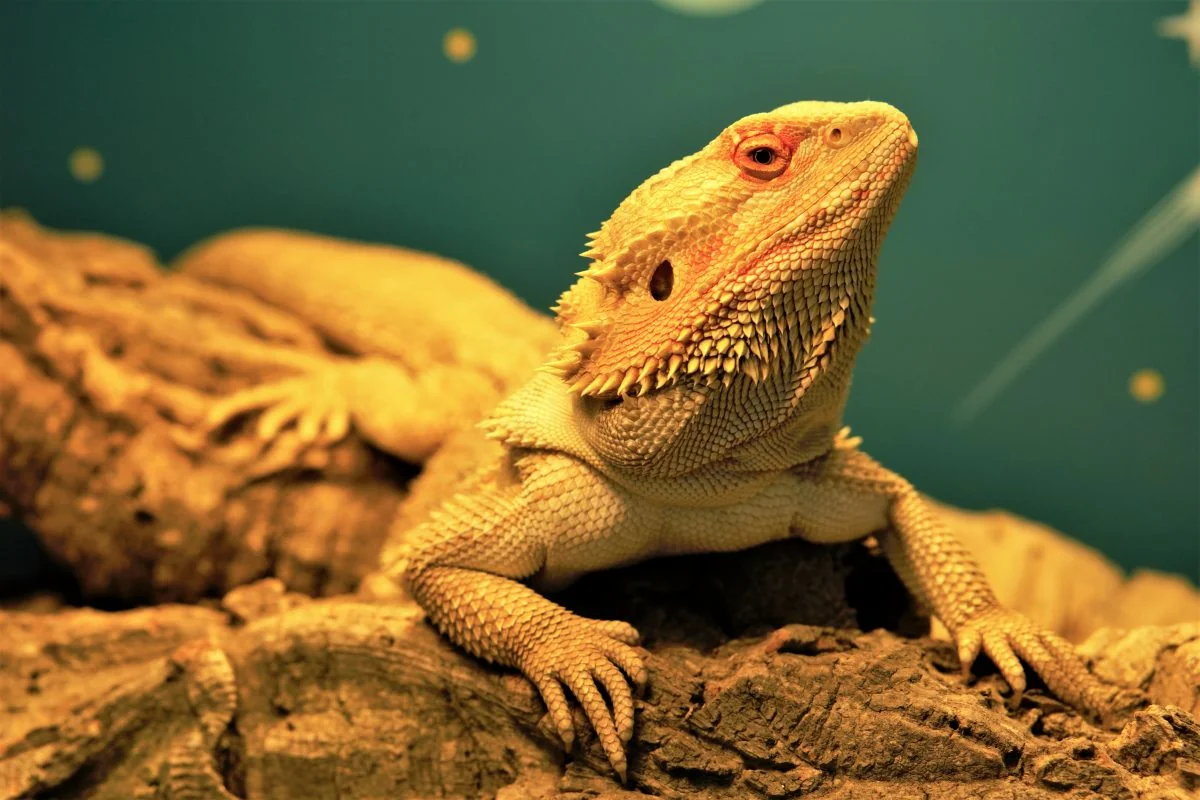
Understanding UVB Lighting for Bearded Dragons
Bearded dragons, native to the arid regions of Australia, require specific environmental conditions to thrive in captivity. One of the most critical aspects of their care is providing adequate UVB (ultraviolet B) light. Unlike humans, bearded dragons cannot synthesize vitamin D3 efficiently without UVB exposure. This essential light source plays a vital role in their overall health and well-being, impacting everything from bone development to their immune system. Understanding the importance of UVB is the first step in ensuring your pet lives a long, healthy, and happy life.
The Importance of UVB Exposure
1. Vitamin D3 Synthesis
UVB light is crucial for the synthesis of vitamin D3 in bearded dragons. Vitamin D3 is essential for calcium absorption. Without sufficient vitamin D3, bearded dragons cannot effectively utilize the calcium in their diet, leading to serious health problems.
2. Bone Health and Growth
Calcium absorption, facilitated by vitamin D3, is directly linked to strong bone health. UVB exposure allows bearded dragons to develop and maintain healthy bones, crucial for their growth and overall physical well-being. Insufficient UVB can lead to metabolic bone disease (MBD), a life-threatening condition.

3. Enhanced Appetite and Digestion
Proper UVB exposure contributes to improved digestion and appetite. A healthy bearded dragon, with adequate vitamin D3 levels, will digest food more efficiently, absorbing essential nutrients. This leads to a healthier and more active dragon.
4. Improved Immune Function
UVB light plays a role in boosting the immune system of bearded dragons. Healthy vitamin D3 levels contribute to a stronger immune response, making them less susceptible to infections and illnesses. This is crucial for keeping your dragon healthy.
5. Behavioral Benefits
Bearded dragons exposed to proper UVB often exhibit more natural behaviors. They are more active, alert, and display normal basking behaviors. These behaviors are essential for their physical and psychological well-being.
6. Naturalistic Environment

Providing UVB light helps replicate their natural habitat. Mimicking the sun’s rays creates a more enriching and stimulating environment, promoting their natural instincts and behaviors. This contributes significantly to their overall happiness and well-being.
7. Increased Activity Levels
UVB exposure encourages activity. This aids in preventing obesity and promotes muscle development. Active dragons are typically healthier and more engaged with their surroundings.
8. Prevention of Metabolic Bone Disease
MBD is a common and serious illness in captive reptiles. UVB exposure is the primary preventative measure. By ensuring proper calcium absorption, UVB prevents the development of this potentially fatal condition.
9. Better Coloration

Healthy UVB levels often result in enhanced coloration. Many bearded dragons will display richer and more vibrant colors when they receive adequate UVB exposure, a sign of overall good health.
10. Overall Health and Well-being
In conclusion, UVB exposure is fundamental to the overall health and well-being of a bearded dragon. From vitamin D3 synthesis to bone health and behavior, UVB light is a cornerstone of proper reptile care. Ensuring your dragon receives adequate UVB exposure is one of the most important steps you can take to provide a long and fulfilling life.
Setting Up UVB Lighting for Your Bearded Dragon
Proper setup of UVB lighting is just as crucial as understanding its benefits. Incorrect setup can render the UVB light ineffective or even harmful. Careful consideration of the bulb type, strength, placement, and maintenance is vital for your dragon’s health.
Choosing the Right UVB Bulb
Selecting the correct UVB bulb is the first step. Different bulbs have varying UVB outputs, and it is essential to choose one appropriate for bearded dragons. Consider the bulb type and the UVB strength when making your decision.

UVB Bulb Types
There are two main types of UVB bulbs commonly used for reptiles compact fluorescent bulbs (CFBs) and linear fluorescent tubes (T5 and T8). T5 bulbs generally have a higher UVB output and longer lifespan than T8 bulbs. T5 bulbs are usually the preferred option for bearded dragons because they offer greater UVB penetration. CFBs are often less effective, and care should be taken to ensure adequate UVB exposure with these types.

UVB Strength and Output
The strength of the UVB bulb is measured by its percentage output (e.g., 10% UVB). The correct UVB percentage depends on the distance between the bulb and the basking spot. Choose a bulb that provides an appropriate UVB gradient throughout the enclosure, allowing your dragon to regulate its exposure based on its needs.
Placement and Distance of UVB Lighting
The distance between the UVB bulb and your bearded dragon is a crucial factor in ensuring effective UVB exposure. Too far away, and the dragon won’t receive enough UVB; too close, and it could be exposed to excessive UVB. Follow the manufacturer’s recommendations for the specific bulb type and strength. Provide a basking spot at the correct distance for the bulb.
UVB and Glass or Screen Barriers
Glass and many types of screen can filter out a significant amount of UVB radiation, rendering the light ineffective. If your enclosure has a glass or screen top, choose a UVB bulb with a higher output to compensate for the filtering effect. Regularly check the UVB output with a Solarmeter or similar device to ensure effectiveness.
Monitoring and Maintenance of UVB Lighting

UVB bulbs have a limited lifespan and their output diminishes over time, even if the bulb still produces visible light. Regular monitoring and maintenance are necessary to ensure that your bearded dragon receives the correct amount of UVB throughout its life.
Testing UVB Output
The best way to verify UVB output is by using a UVB meter, such as a Solarmeter. This device accurately measures the UVB intensity and allows you to determine if the bulb is still providing adequate UVB. This is especially important for bulbs with a long lifespan.
Replacing UVB Bulbs
Even if a UVB bulb still appears to be working, its UVB output decreases over time. The lifespan of a UVB bulb varies by manufacturer. It’s essential to replace the bulb as recommended by the manufacturer, typically every six months to a year, depending on the bulb type and usage. Mark your calendar to keep track of bulb replacement dates.
Signs of Insufficient UVB Exposure
Being able to recognize the signs of inadequate UVB exposure is critical for swift intervention. Catching the issues early will allow you to adjust and help your pet. These can be easily monitored with some regular observation.

Common signs of insufficient UVB include lethargy, loss of appetite, and changes in behavior. More severe symptoms of MBD, like tremors, skeletal deformities, and difficulty moving, may also appear. If you notice any of these signs, immediately assess your UVB setup and consult with a reptile veterinarian.
Conclusion
Providing appropriate UVB lighting is paramount for the health and well-being of your bearded dragon. Understanding the benefits of UVB exposure, choosing the right bulb, setting it up correctly, and regularly monitoring its output are all crucial steps in responsible bearded dragon care. By prioritizing UVB lighting, you can ensure your pet lives a long, happy, and healthy life.