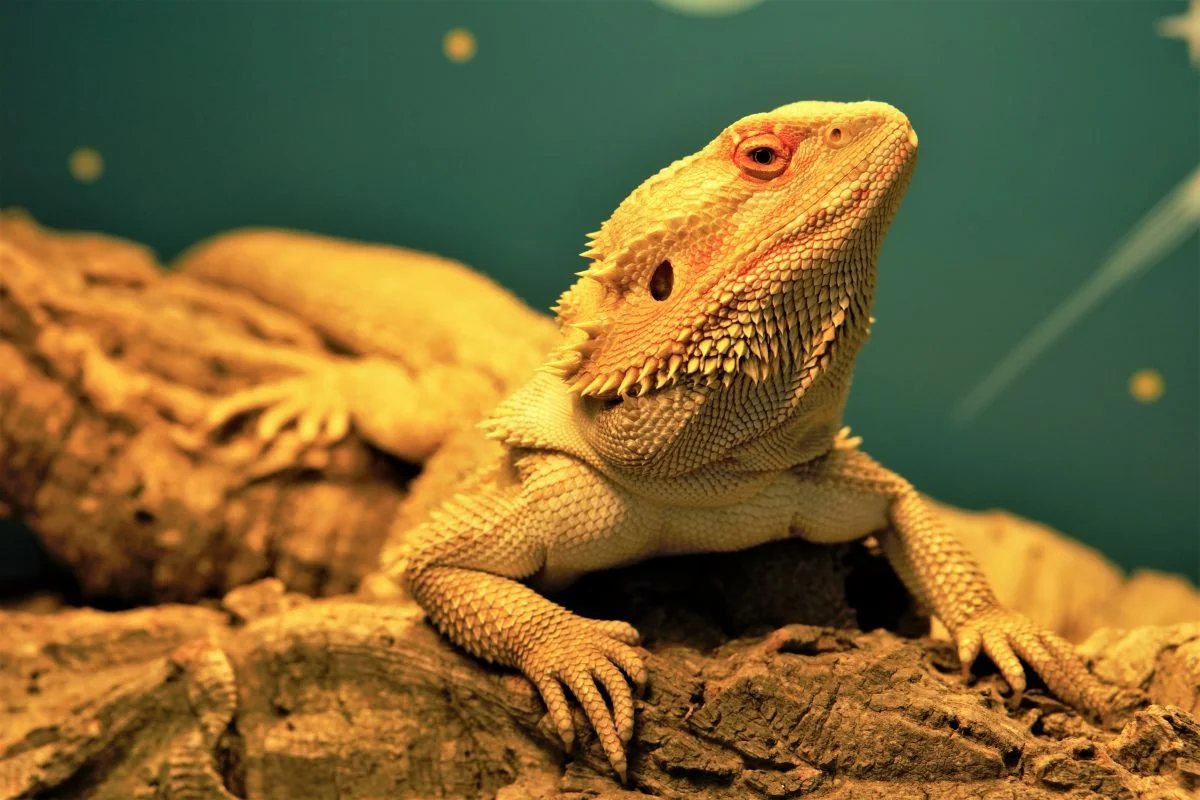
Understanding UVB Exposure for Bearded Dragons
Bearded dragons, native to the arid regions of Australia, thrive on UVB radiation, a crucial element for their health and well-being. Unlike humans, these reptiles cannot synthesize vitamin D3 efficiently without adequate UVB exposure. This essential vitamin plays a pivotal role in calcium absorption, enabling the dragon’s body to build and maintain strong bones and a robust skeletal structure. Without sufficient UVB, bearded dragons are prone to metabolic bone disease (MBD), a debilitating condition that can lead to paralysis, deformities, and a shortened lifespan. This underscores the critical importance of providing the appropriate UVB levels in their captive environments.
The Importance of UVB in Bearded Dragon Care
The significance of UVB exposure extends far beyond bone health. UVB radiation also influences a bearded dragon’s immune system, supporting its ability to ward off infections and diseases. It contributes to overall vitality, encouraging proper digestion and metabolism. Furthermore, UVB plays a role in the dragon’s behavioral health, stimulating natural behaviors such as basking, foraging, and breeding. A well-lit enclosure with adequate UVB can significantly improve a bearded dragon’s mood, appetite, and activity levels. Neglecting this aspect of care can lead to a listless, unhealthy dragon, susceptible to a range of health problems.
Benefits of Proper UVB Exposure
Proper UVB exposure offers a plethora of benefits for bearded dragons. Firstly, it ensures healthy bone development by facilitating the absorption of calcium. This prevents MBD, a common and serious ailment in captive reptiles. Secondly, UVB boosts the immune system, making the dragon more resistant to illness. It also supports healthy digestion and metabolism, allowing the dragon to efficiently process food and absorb nutrients. Additionally, UVB promotes natural behaviors, such as basking and foraging, which contribute to the dragon’s mental and physical well-being. A well-lit environment with adequate UVB can lead to increased energy levels, a healthy appetite, and a generally happier dragon.
Negative Effects of Insufficient UVB
Insufficient UVB exposure can have devastating consequences for bearded dragons. The most prominent is metabolic bone disease (MBD), characterized by weak bones, skeletal deformities, and paralysis. Without sufficient UVB, the dragon cannot absorb calcium effectively, leading to this debilitating condition. Moreover, a lack of UVB weakens the immune system, making the dragon more susceptible to infections and diseases. Digestive issues, such as poor appetite and constipation, can also arise due to impaired metabolism. In severe cases, inadequate UVB exposure can lead to a shortened lifespan and a significantly reduced quality of life. Regular monitoring and adjustments to ensure proper UVB levels are therefore paramount.
Top 5 UVB Exposure Tips for Bearded Dragons
Tip 1 Selecting the Right UVB Bulb
Choosing the right UVB bulb is the foundation of proper care. Not all bulbs are created equal, and selecting the wrong one can be detrimental. The type of bulb, its strength (measured in percentage or UVB output), and its effective lifespan are all crucial factors. Avoid incandescent bulbs without a specific UVB rating. Compact fluorescent bulbs are often a budget-friendly option, but their UVB output can diminish quickly. T5 and T8 fluorescent tubes are popular choices, providing more consistent UVB over a larger area. Mercury vapor bulbs offer high UVB output but require careful monitoring due to their intense heat. Always check the manufacturer’s specifications for the bulb’s recommended distance from the basking spot.
UVB Bulb Types and Recommendations
There are several types of UVB bulbs available, each with its own advantages and disadvantages. Linear fluorescent bulbs, such as T5 or T8 tubes, are popular for their even UVB distribution and relatively low heat output. They are often a good choice for larger enclosures. Mercury vapor bulbs, on the other hand, provide high UVB output but also generate significant heat. These are better suited for larger enclosures with adequate ventilation and require careful monitoring to prevent overheating. Compact fluorescent bulbs are typically more affordable but may not provide as consistent UVB output. The best choice depends on the size of the enclosure, the dragon’s specific needs, and the ambient temperature of the room.
Choosing the Right UVB Strength
The UVB strength of the bulb is another critical factor. This is typically indicated by the percentage of UVB output, such as 5%, 10%, or 12%. The appropriate strength depends on the bulb type, the distance from the basking spot, and the dragon’s needs. In general, higher UVB percentages are needed for bulbs placed further away or if the dragon has access to a taller enclosure. For example, a T5 10% UVB bulb may be suitable for a dragon basking under it at 12-15 inches. Consider a higher percentage if the distance is increased. It’s essential to consult resources and consider your dragon’s specific setup. Never use a bulb that exceeds the recommended output for your enclosure size and setup, as this can lead to overexposure.


Tip 2: Proper Placement and Distance
Correct placement and distance are paramount to ensuring the dragon receives the necessary UVB exposure without overdoing it. The bulb’s distance from the basking spot directly impacts the intensity of UVB radiation. Generally, the closer the bulb, the more intense the UVB. Always adhere to the manufacturer’s recommendations for the specific bulb type, as the optimal distance varies. Avoid placing the bulb too close, which can cause eye or skin damage. Ensure the UVB light shines directly onto the basking spot, where the dragon will spend the most time. It is also important to avoid obstructions like glass or plastic, as they can filter out UVB rays.
Understanding the UVB Gradient
Creating a UVB gradient within the enclosure is essential. This allows the bearded dragon to choose its level of UVB exposure. The basking spot should have the highest UVB intensity, with a gradual decrease in UVB levels towards the cooler side of the enclosure. This enables the dragon to regulate its exposure based on its needs. Provide shaded areas, such as hides and plants, where the dragon can escape the UVB rays if it chooses. This gradient is essential for preventing overexposure and allowing the dragon to self-regulate its UVB intake. The proper gradient ensures optimal health and well-being.
Avoiding Overexposure
Overexposure to UVB can be as harmful as insufficient exposure. Symptoms of overexposure include eye irritation, lethargy, and skin burns. To prevent overexposure, adhere to the manufacturer’s recommended distances and bulb specifications. Provide shaded areas within the enclosure where the dragon can escape the UVB rays. Avoid using multiple UVB bulbs simultaneously, unless specifically recommended for the enclosure size and setup. If you notice any signs of overexposure, immediately adjust the bulb’s distance, reduce the exposure time, or provide more shaded areas. Regular monitoring is crucial to ensure the dragon receives the right amount of UVB without causing harm.
Tip 3 Adjusting for Different Climates
The climate in which you keep your bearded dragon plays a significant role in determining its UVB needs. The amount of natural sunlight a dragon receives and the ambient temperature of the environment will influence how much artificial UVB is required. You will need to adjust your approach based on the prevailing climate conditions to ensure the bearded dragon thrives.
UVB Needs in Hot and Sunny Climates
In hot and sunny climates, where the ambient temperatures are naturally high and there is ample sunshine, you may need to adjust the UVB setup. Consider the following. First, provide ample shade within the enclosure to prevent overexposure. Second, ensure the basking spot does not become excessively hot, which can be damaging. Third, monitor the dragon for signs of overheating, such as panting or lethargy. In very sunny locations, you might consider reducing the UVB bulb’s intensity or using a lower percentage bulb to compensate for the natural sunlight, if the enclosure is placed near a window with direct sunlight. Always monitor the dragon’s behavior and adjust accordingly.
UVB Needs in Cooler, Cloudier Climates
In cooler, cloudier climates, a higher level of artificial UVB may be required to compensate for the reduced natural sunlight. Ensure the UVB bulb is of the appropriate strength and is positioned at the correct distance from the basking spot. Regularly monitor the dragon for any signs of insufficient UVB, such as lethargy or poor appetite. Consider extending the duration of the UVB exposure, especially during the winter months when natural light is scarce. In extremely cloudy conditions, you might need to increase the UVB bulb’s intensity or the number of hours it is on, but monitor for signs of overexposure and adjust appropriately.

Tip 4 Seasonal Adjustments

Just as the climate dictates, seasonal changes also affect a bearded dragon’s UVB requirements. These adjustments ensure their well-being throughout the year.
UVB Exposure During Winter Months

During winter, when days are shorter and the amount of natural sunlight decreases, it is crucial to maintain or even increase the duration of UVB exposure. Ensure the UVB bulb is functioning correctly and is positioned at the proper distance. You may need to extend the daily photoperiod (the amount of time the lights are on) to compensate for the reduced daylight hours. Consider providing a consistent photoperiod of 12-14 hours of UVB exposure. Monitor the dragon’s behavior and health, and adjust the exposure time or UVB intensity as needed. Pay particular attention to the dragon’s appetite and activity levels.
UVB Exposure During Summer Months
During the summer, when days are longer and sunlight is more intense, you might slightly adjust the UVB exposure. However, avoid significant changes unless the enclosure is exposed to direct sunlight. If the enclosure receives substantial natural sunlight, ensure the dragon has adequate shaded areas to escape the UVB rays. Monitor for any signs of overexposure. Maintain a consistent daily photoperiod, similar to the winter months, or slightly reduce it if the dragon spends significant time basking in natural sunlight. Always prioritize the dragon’s health and adjust the UVB exposure accordingly, based on its behavior.
Tip 5 Monitoring and Observation
Consistent monitoring and observation are essential for any bearded dragon owner. Regularly assess the dragon’s behavior, physical condition, and the environment to ensure optimal health.
Signs of Insufficient UVB Exposure
Recognizing the signs of insufficient UVB exposure is crucial for timely intervention. Common indicators include lethargy, loss of appetite, and a reluctance to bask. The dragon may become less active and spend most of its time hiding. Other signs include soft or rubbery bones (a symptom of MBD), skeletal deformities, and difficulty shedding. In severe cases, the dragon may develop muscle twitching or paralysis. If you observe any of these symptoms, review your UVB setup immediately. Replace the bulb if needed, adjust the distance or duration of exposure, and consult with a veterinarian specializing in reptiles.

Signs of Overexposure
It’s equally important to recognize the signs of overexposure. These may include red or irritated eyes, lethargy, and a tendency to hide in shaded areas. The dragon may develop skin burns, characterized by redness, blistering, or peeling. Excessive UVB exposure can cause the dragon to become stressed and dehydrated. If you notice any of these symptoms, immediately adjust the UVB setup. Increase the distance between the bulb and the basking spot, provide more shaded areas, and reduce the daily exposure time. Consult a veterinarian if the condition worsens, or if you have any concerns.
Maintaining Optimal UVB Levels
Maintaining optimal UVB levels is a dynamic process. This involves regular assessment of your setup and the dragon’s response. Choose the correct UVB bulb, position it appropriately, and provide shaded areas. Adjust the exposure based on climate, seasons, and your dragon’s needs. Remember to monitor your dragon’s behavior and physical condition and react to any changes. Consider keeping a journal to track bulb replacement dates, exposure times, and any adjustments. By consistently adhering to these practices, you can provide your bearded dragon with the essential UVB radiation necessary for a long, healthy, and happy life.