Understanding Bearded Dragon Behavior
Before you even consider handling your bearded dragon, it’s crucial to understand their behavior. These reptiles are not like dogs or cats; they communicate differently. Bearded dragons are naturally solitary creatures, and while they can become accustomed to human interaction, they don’t necessarily crave it. Observing your dragon’s behavior will allow you to determine their mood, which is essential for safe and positive handling experiences. A content dragon will exhibit relaxed behavior, while a stressed one may show signs of discomfort or fear. Familiarizing yourself with their communication methods is the first step toward building a positive relationship and handling them safely and with confidence. This understanding is the foundation for all successful interactions.
Signs of a Stressed Bearded Dragon
Recognizing stress signals is paramount to ensuring a safe and positive handling experience. A stressed bearded dragon will display various body language cues. These cues are crucial for preventing bites or other defensive behaviors. When you observe these signs, it’s best to avoid handling them or, if necessary, do so with extreme caution and understanding. Forcing interaction will damage your bond. Watch for changes in coloration, such as darkening of the beard (in males), puffing up of the beard, and gaping (mouth opening). These are indicators that the dragon is feeling threatened, agitated, or overheated. Other signs of stress include flattened body posture, trying to escape, and hissing. If you notice these signs, it’s best to leave your dragon alone and re-evaluate the environment for potential stressors. Observing these behaviors will allow you to respond appropriately, ensuring the dragon’s well-being and a positive handling experience.
Body Language Clues
Bearded dragons communicate primarily through body language. Knowing how to interpret these signals is vital for safe handling. A relaxed dragon will have a lighter coloration, a flat beard, and will likely be resting comfortably. A stressed dragon will often have a dark, puffed-out beard, display a flattened body posture, and may try to escape. Gaping can indicate overheating or stress. Observing the dragon’s overall posture is also important: a defensive dragon might be hunched, while a relaxed one will stand tall or lie flat. Understanding these visual cues will help you anticipate your dragon’s response to your approach and adjust your handling accordingly. Pay close attention to these clues to ensure a positive and stress-free interaction for both you and your pet. Consistent observation and interpretation will gradually improve your skills in handling.

Environmental Factors and Stress
Stress in bearded dragons can often be linked to their environment. Inadequate temperature gradients, improper lighting (UVB and UVA), and a cluttered or poorly designed enclosure can all contribute to a stressed dragon. Make sure their enclosure is appropriately sized and provides ample space for movement. The temperature should be regulated to allow them to thermoregulate. Ensure the UVB and UVA lighting is correct and the substrate is clean and safe. Excessive noise or sudden movements near the enclosure can also be a factor. Regularly check and maintain the enclosure to minimize these stressors. By creating a comfortable and secure environment, you can reduce your dragon’s stress levels, making handling more manageable and enjoyable for both of you. A well-maintained environment promotes a healthy and happy dragon.

Preparing for Handling
Preparing for handling is a crucial step that many people overlook. Start by observing your dragon for a few minutes to assess their mood. Are they active and alert, or are they showing signs of stress? Handling should only be attempted when the dragon appears calm. Never try to handle a dragon that is actively trying to hide, is displaying defensive behaviors, or is eating. The approach should always be gentle and slow. A rushed approach can be perceived as a threat, increasing their stress and making it more likely they’ll try to escape or display defensive behavior. Before you interact, make sure your hands are clean and free of any scents that might startle your dragon. Ensuring proper preparation will improve the chances of a calm and positive handling experience.
Creating a Safe Handling Environment
Creating a safe and comfortable environment during handling is essential for reducing stress and fostering a positive experience. Choose a quiet area, free from loud noises, sudden movements, or other potential disturbances, such as dogs or cats. You should also ensure that the area is secure, with no escape routes. Handling should always be done near the ground, and never above a height that could injure the dragon if they were to fall. If you are handling your dragon outside of their enclosure, make sure the temperature is appropriate to avoid chilling or overheating. You can consider having a soft, comfortable surface like a blanket available. These precautions will provide security, ensuring the dragon feels safe and secure, which will make them less likely to become stressed and more receptive to handling.

Washing Your Hands
Before handling your bearded dragon, wash your hands thoroughly with unscented soap and warm water. Make sure you’ve removed any lotion, hand sanitizer, or other products that could transfer to your dragon. Reptiles have sensitive skin, and these products can cause irritation or may be toxic if ingested. Washing your hands minimizes the risk of transmitting bacteria or other contaminants to the dragon, safeguarding their health. Drying your hands completely before handling is equally crucial. Wet or damp hands can make it difficult to maintain a secure grip on your dragon and may also be uncomfortable for them. This simple step of washing your hands demonstrates your care for their well-being.
Handling Techniques
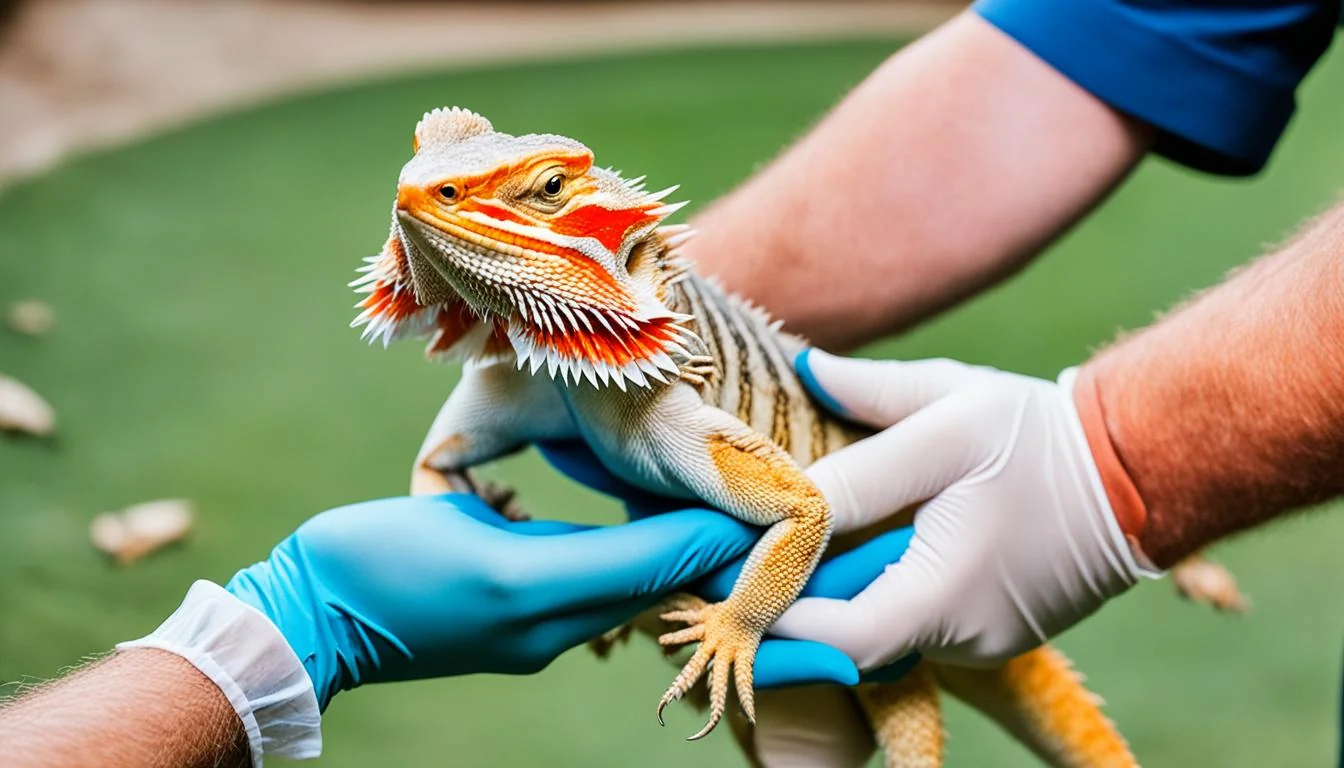
Once you have prepared the environment and yourself, it’s time to focus on the handling techniques. Always approach your bearded dragon from the side, not from above. This prevents them from seeing you as a predator. Gently place one hand under their chest and the other supporting their body from behind. Avoid grabbing or squeezing them. Instead, use a gentle scooping motion. If your dragon is hesitant, allow them to crawl onto your hand by gently nudging them. Start with short handling sessions, gradually increasing the duration as they become more comfortable. The goal is to make handling a positive experience. Be patient and move slowly, allowing them to feel secure and supported. If your dragon shows signs of stress at any point, put them back into their enclosure and try again later. Never force the interaction. Patience and a gentle approach are key to successful and positive handling experiences.

Proper Support is Key
Proper support is crucial for a comfortable and secure handling experience. Bearded dragons can feel vulnerable if they are not adequately supported. Use both hands to support their body weight, ensuring the majority of their body is resting on your palm and forearm. Avoid letting them dangle or feel unsupported, which can cause them to become stressed and potentially fall. A well-supported dragon is more likely to relax and feel safe during handling. This reduces the likelihood of them struggling or trying to escape. Provide ample support and maintain a firm but gentle grip. Proper support will make the experience comfortable for both you and your dragon.
Gentle Lifting and Holding
When lifting your bearded dragon, use a gentle and deliberate motion. Never pull them up abruptly. Instead, slide your hands underneath their body and lift them slowly and steadily. Avoid sudden movements, which can startle them. Once you have lifted them, maintain a secure hold, ensuring that they are supported. When holding them, keep them close to your body to make them feel secure and avoid holding them too high from the ground. The goal is to make them feel safe and comfortable in your hands. This approach will reduce stress and make handling a positive experience.

Common Mistakes to Avoid
Several common mistakes can make handling a stressful experience for your bearded dragon. Avoid making sudden movements or loud noises near your pet, which can startle them. Never grab or squeeze your dragon, as this can cause injury and erode trust. Do not approach them from above, as this can trigger their natural fear response. Forcing interaction when they are showing signs of stress will likely make them more averse to handling. Avoid holding them for extended periods, especially when they are new to handling. Finally, make sure you are not handling them directly after a meal, as they may be less responsive. The goal is to associate handling with positive experiences and avoid any actions that might cause fear or discomfort.

Avoid Sudden Movements
Sudden movements can be perceived as threats by your bearded dragon. Reptiles, in general, are more sensitive to movement than mammals. Jerky movements can scare them and make them feel unsafe. When handling, move slowly and deliberately, both when approaching and when holding your dragon. This allows them to anticipate your actions and avoid causing them any unnecessary stress. Sudden movements can also increase the risk of the dragon trying to escape. Slow, controlled movements will encourage a calm interaction.
Don’t Approach from Above
Bearded dragons, like many animals, may perceive a hand approaching from above as a predatory threat. In the wild, predators often approach from above. Therefore, approaching your dragon from above can trigger their natural defense mechanisms, making them feel unsafe and less likely to cooperate with handling. Instead, approach them from the side. Place your hand in front of them, at the same level as their body, allowing them to see you and become familiar with your presence. This will help build trust and encourage them to interact with you. This approach will make handling a much more positive and stress-free experience.
Building Trust and Bonding
Building trust is essential for creating a strong bond with your bearded dragon and facilitating calm interactions. This can be achieved through patience, consistency, and positive reinforcement. Regular, gentle handling sessions will help your dragon become accustomed to your presence and touch. Avoid forcing interactions and always respect their boundaries. Speak to them in a calm, soothing voice. This positive approach helps them associate you with a sense of security. By building trust and consistently providing positive experiences, you can strengthen your relationship with your dragon, leading to calmer and more enjoyable handling sessions. With time and patience, your bearded dragon will begin to recognize and trust you.
Positive Reinforcement
Using positive reinforcement, such as giving treats or praise, can significantly enhance the handling experience. If your dragon remains calm during handling, reward them with a small treat, such as a favorite insect. You can also speak to them in a calm and encouraging tone of voice. This creates a positive association with handling, making them more likely to cooperate in the future. Avoid scolding or punishing your dragon, as this can create negative associations and increase their stress levels. The goal is to make handling a rewarding experience, encouraging them to look forward to these interactions. Positive reinforcement is a powerful tool for building trust and strengthening the bond between you and your pet.
Regular Handling Sessions
Consistent and regular handling sessions are key to building trust and encouraging a bond with your bearded dragon. Even short, daily sessions can help your dragon become accustomed to your presence and touch. Begin with brief interactions, gradually increasing the duration as they become more comfortable. Regular handling helps familiarize them with your scent and touch. This reduces their fear and increases the likelihood of positive interactions. Make handling a regular part of your routine, and avoid skipping sessions. Consistency is a powerful tool, strengthening the bond between you and your pet, and it also provides the opportunity to check on your dragon’s health and look for any potential issues. Regular handling sessions can make your dragon comfortable and relaxed around you.
Addressing Handling Challenges
Not all bearded dragons will readily embrace handling. Some may be more skittish or defensive than others, which requires a patient and understanding approach. If your dragon is initially reluctant, it’s essential not to force the interaction. Work at your dragon’s pace and build their trust gradually. If your dragon shows signs of stress, such as hissing or puffing up its beard, immediately stop the handling and try again later. It may be beneficial to create a reward system. Be prepared to adapt your approach. Sometimes, it may involve offering treats during handling or simply spending time near the enclosure, allowing the dragon to get used to your presence. By addressing challenges with patience and understanding, you can still build a positive relationship with your dragon and make handling a manageable experience.
Dealing with Defensive Behavior
When dealing with a defensive bearded dragon, it’s important to handle them with extra care and respect. Defensive behaviors, such as hissing, puffing up their beard, or trying to escape, are signs that the dragon feels threatened or unsafe. If your dragon exhibits these behaviors, cease handling immediately. Observe their body language to understand what might be triggering their defensive response. Are there changes in their environment, like new noises or movement? Make sure their enclosure and temperature are appropriate. Gradually reintroduce handling, starting with short periods and reward them with positive reinforcement when they remain calm. Building trust takes time and patience, but with persistence, you can help your defensive dragon become more comfortable with your presence. Always prioritize the dragon’s well-being, and never force interaction.
When to Seek Professional Help
If you encounter persistent handling challenges or are concerned about your bearded dragon’s behavior, it is essential to seek professional help. Consult with a veterinarian or reptile specialist. They can assess the dragon’s overall health and identify any underlying medical issues that might be contributing to their stress or defensive behaviors. They can also offer expert advice on handling techniques and behavioral modifications. Remember that a healthy, happy dragon is more likely to be receptive to handling, and a professional can assist in addressing any underlying issues. Don’t hesitate to seek professional assistance. Your veterinarian is a resource to make sure your dragon is living a healthy and happy life.

In conclusion, handling bearded dragons safely and promoting calm interactions requires a patient approach. By understanding their behavior, creating a safe environment, using proper handling techniques, and building trust through consistent positive reinforcement, you can create a strong and positive bond with your pet. Remember to be patient, observe your dragon’s body language, and always prioritize their well-being. Enjoy the special relationship with your amazing reptile.