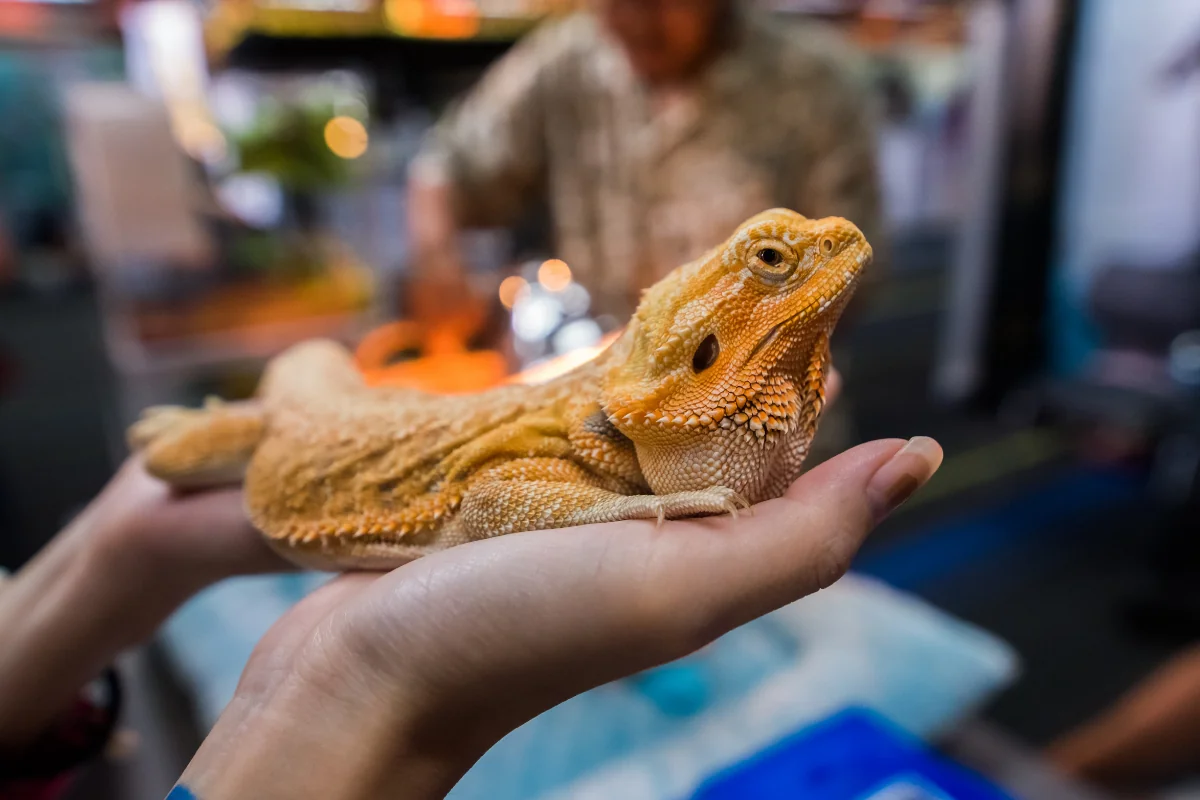
Why Gentle Handling Matters for Bearded Dragons
Bearded dragons, despite their tough appearance, are sensitive creatures that require gentle handling. The way you interact with your bearded dragon can significantly impact its well-being, behavior, and overall health. Stress in bearded dragons can lead to a variety of problems, from decreased appetite and lethargy to weakened immune systems and increased susceptibility to diseases. Therefore, understanding the importance of gentle handling techniques is the first step in creating a positive and healthy relationship with your pet. This article explores the crucial aspects of gentle bearded dragon handling, offering insights and practical tips to ensure a happy and stress-free life for your scaly companion. Remember, patience and a soft touch are key to building trust and a strong bond with your bearded dragon.
Reducing Stress in Your Bearded Dragon
Reducing stress is paramount for the health and happiness of your bearded dragon. Stress can manifest in various ways, and recognizing the signs is essential for providing appropriate care. Creating a calm and predictable environment is equally important. This includes maintaining a consistent temperature and humidity level in their enclosure, avoiding sudden loud noises or movements, and providing plenty of hiding spots where your dragon can feel safe and secure. Additionally, consider the lighting in their enclosure. Ensure that the lighting cycle mimics their natural habitat. A well-managed environment minimizes stress and promotes natural behaviors, which directly impacts your dragon’s overall health and well-being. By actively working to reduce stress, you can significantly improve your bearded dragon’s quality of life, making them more receptive to interaction and care.
Recognizing Stress Signals
Bearded dragons communicate their stress through a variety of behaviors. Recognizing these signals is critical for adapting your handling techniques and providing the best care. Common signs of stress include a darkened beard, hissing or puffing up, gaping, hiding excessively, and refusing food. Some dragons may also exhibit erratic movements or try to escape their enclosure. Observing your dragon’s behavior regularly will help you understand its baseline and identify when it’s feeling stressed. Addressing these stress signals promptly is essential. It might involve adjusting the environment, modifying your handling approach, or consulting with a veterinarian to rule out any underlying health issues. Paying attention to your dragon’s body language and acting on stress signals shows that you care for their health and build trust.
Creating a Calm Environment
A calm environment is essential for keeping your bearded dragon happy and stress-free. This includes a secure and appropriately sized enclosure with adequate temperature and humidity control, a good UV light source, and ample opportunities for basking and hiding. Avoid placing the enclosure in high-traffic areas or locations with loud noises. Decorate the enclosure with natural elements like branches, rocks, and foliage to provide hiding spots and enrichment. Consistent routines for feeding, cleaning, and handling can also contribute to a sense of security. Always ensure that the environment is stable and predictable. Providing a well-designed and stable environment helps your bearded dragon feel secure, which, in turn, promotes relaxation and a healthier, more positive demeanor.
The Right Time to Handle Your Dragon
Timing is everything when it comes to handling your bearded dragon. Understanding when to handle and when to avoid handling can greatly impact your pet’s well-being. Always be patient, as each dragon has its own personality and comfort level. If you are new to caring for a bearded dragon, take your time and do a lot of research to make sure you’re prepared to handle it safely. Some handling times can be avoided to ensure the least amount of stress on your dragon. By being mindful of the best times for interaction, you can build a trusting relationship and ensure the overall well-being of your bearded dragon.
Handling After Eating
It’s best to avoid handling your bearded dragon immediately after it has eaten. Digestion is a delicate process, and handling can disrupt it, potentially leading to regurgitation or discomfort. Allow your dragon ample time to digest its meal, typically a few hours, before attempting to handle it. This allows the digestive system to function correctly and reduces the risk of causing stress or illness. Observe your dragon’s behavior; if it seems restless or uncomfortable after eating, it’s a clear indication that handling should be postponed. Patience and respect for your dragon’s physical needs are key to responsible pet ownership.
Handling During Shedding
Shedding is a natural process for bearded dragons, and it can make them more sensitive and irritable. During this time, their skin is delicate and they may be more prone to injury. Frequent handling can be more stressful during shedding. It’s advisable to minimize handling during this phase. If you must handle your dragon, do so gently and for a short period. Provide extra humidity in their enclosure to facilitate the shedding process. Avoid pulling at loose skin, as this can cause pain and damage. Observe and provide your dragon with the space and environment it needs to shed comfortably.

Gentle Handling Techniques
Mastering gentle handling techniques is essential for creating a positive experience for both you and your bearded dragon. Approach your dragon with patience, using slow and deliberate movements. Talk to your dragon in a calm, soothing voice to help them feel at ease. Never grab at your dragon; instead, gently scoop them up, supporting their body weight. Consistent and gentle handling builds trust and makes handling a positive experience. The right techniques promote a relaxed and confident attitude, and they make interactions enjoyable.
Approaching Your Dragon
When approaching your bearded dragon, always move slowly and deliberately. Avoid sudden movements that could startle your dragon. Extend your hand slowly toward them, allowing them to see and potentially interact with you. Avoid approaching from above, as this can be perceived as a threat. Instead, approach from the side or front. This will give your dragon a chance to observe and decide whether to engage. If your dragon seems hesitant, allow them to come to you. Patience and a gentle approach are key to building trust and making the interaction positive. Let your dragon initiate the interaction if possible, especially in the beginning, so they feel more secure and in control.

Scooping Up Your Dragon


When scooping up your bearded dragon, always approach them from the side or front and gently slide your hand under their body. Avoid grabbing them from above. This mimics the way a predator might attack. Once your hand is under their body, gently lift them, supporting their weight. Be sure to maintain a firm but gentle grip, and avoid squeezing. If they try to move, allow them to do so, but keep your grip secure. The goal is to make them feel secure and supported. This method minimizes stress and builds trust. Avoid picking up from above, or grabbing; instead, approach slowly and provide support from underneath.
Supporting Your Dragon’s Body
Supporting your dragon’s body properly is crucial for their comfort and safety. When holding your dragon, support their entire body, including their legs and tail. Avoid letting them dangle, as this can be stressful and potentially lead to injury. Your goal is to provide a secure and comfortable perch. You can use one hand to support their body and the other to gently guide them. Support their body close to your body to make them feel secure. This will make the handling session safe, and reduce the likelihood of accidental injury. This also gives your bearded dragon confidence and helps it to relax and enjoy the interaction.
Avoiding Common Mistakes
Avoiding common mistakes in handling is essential to ensure a positive experience for your bearded dragon. Understanding the potential pitfalls allows you to adjust your techniques and build a strong and trusting relationship with your pet. Being aware of the common mistakes can help you create a safe and enjoyable handling routine.
Dropping Your Dragon
Dropping your bearded dragon is a serious mistake that can cause injury and severely damage your relationship. Always maintain a firm but gentle grip and support their entire body. If your dragon starts to struggle, lower them close to the ground rather than dropping them. Have a safe and soft surface prepared for handling, in case they jump out of your arms. Teach children how to handle the dragon correctly to avoid any accident. Never handle them in an area where they could fall from a significant height. Being cautious about where you handle your dragon and providing consistent support will reduce the risk of accidents.
Squeezing Too Hard
Squeezing your bearded dragon too hard is another common mistake. This can be painful and cause stress, leading to fear and aversion to handling. Always maintain a gentle grip. This means supporting their body without squeezing them tightly. If you are holding them too tightly, they may try to escape. Watch for signs of discomfort. If you notice your dragon retracting or puffing up, you might be squeezing too hard. Practice gentle handling techniques until they feel comfortable and relaxed in your hands. This practice helps build a strong bond and ensures a positive handling experience.
Ignoring Body Language
Ignoring your bearded dragon’s body language is a big mistake. Dragons communicate their feelings through various signals, such as flattening their bodies, darkening their beards, or gaping. Being aware of their signals allows you to adjust your handling and address any discomfort. If your dragon seems tense or stressed, stop handling them immediately. Look for signs of stress, and then adjust your approach. This attention is critical for building trust and creating a positive handling experience. By paying close attention to your dragon’s nonverbal cues, you demonstrate respect for their boundaries and strengthen your bond.
Building a Bond Through Handling
Handling your bearded dragon correctly is essential for building a strong bond with your pet. It shows them that you care and that you are trustworthy. This bond goes beyond a casual interaction, and develops into a relationship built on mutual respect and trust. You have to consider your dragon’s physical and emotional needs. Consistent and gentle handling is one of the most effective ways to create a close bond. You also want to provide enrichment, socialization, and positive experiences to create a pet that is happy and well-adjusted.
Positive Reinforcement
Positive reinforcement plays a crucial role in building a strong bond with your bearded dragon. Pair handling sessions with positive experiences like treats or short basking sessions. If your dragon allows you to handle them without showing signs of stress, reward them with a favorite treat or a short period of basking under their heat lamp. Never force interaction; let them approach you at their own pace. Over time, they will associate handling with positive outcomes, making them more likely to enjoy and anticipate your interactions. Positive reinforcement transforms handling from a potentially stressful experience into a fun bonding activity.
Consistent Handling Routine

Establishing a consistent handling routine will help your bearded dragon become more comfortable and trusting. Choose a time each day when you can dedicate time for handling and stick to the schedule. Short, frequent handling sessions are generally better than infrequent, long ones. This consistency helps your dragon learn to trust you and feel more secure. A regular routine also allows you to observe your dragon’s behavior and notice any changes, allowing you to address any issues promptly. Consistency and routine enhance your bond and contribute to your dragon’s well-being.
Benefits of Regular Handling
Regular handling offers numerous benefits for both you and your bearded dragon. This promotes a stronger bond, allows for more effective health monitoring, and provides valuable opportunities for socialization. By prioritizing these interactions, you ensure a happy, healthy, and well-adjusted pet. Gentle and consistent handling routines will contribute to a positive environment for your bearded dragon.
Conclusion

Gentle handling techniques are the cornerstone of building a strong and trusting relationship with your bearded dragon. By prioritizing their well-being, understanding their body language, and avoiding common mistakes, you can create a positive environment where they feel safe and secure. Remember, patience, consistency, and a gentle approach are essential. Regular handling is an opportunity to bond and enrich your dragon’s life. This journey strengthens the bond between you and your scaly friend, enhancing their overall quality of life. Enjoy the journey of creating a happy and healthy environment for your bearded dragon.
