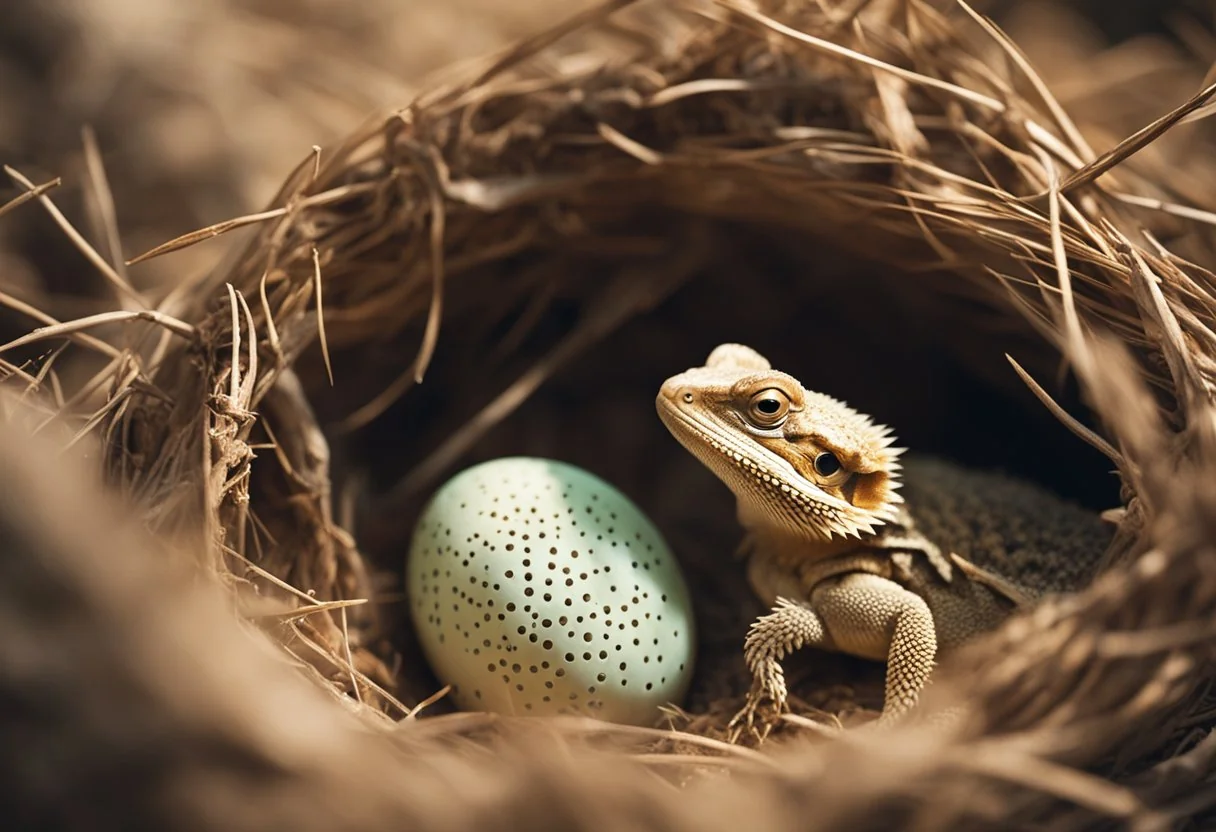
Understanding Bearded Dragon Eggs and Incubation
Breeding bearded dragons can be a rewarding experience, but it requires a thorough understanding of the egg incubation process. The success of hatching healthy baby bearded dragons heavily relies on providing the correct environment for the eggs to develop. This initial phase is crucial and understanding its nuances is the first step. From the moment the eggs are laid, they are susceptible to a variety of environmental factors that can significantly impact their viability. This article aims to equip you with the knowledge necessary to successfully incubate your bearded dragon eggs, increasing the likelihood of a healthy clutch.
The Importance of Proper Incubation
Proper incubation is absolutely critical for the development of healthy baby bearded dragons. Without the right conditions, the eggs are unlikely to hatch, or the hatchlings may suffer from deformities or health problems. The incubation environment must mimic the natural conditions a bearded dragon would experience in its native habitat, including consistent temperature and humidity. Failing to maintain these standards can lead to egg failure, impacting your breeding project. Investing time and resources in setting up and monitoring a controlled incubation environment is a fundamental aspect of successful bearded dragon breeding.
Factors Affecting Incubation Success

Several key factors influence the success of incubating bearded dragon eggs. These include temperature, humidity, and the handling of the eggs themselves. Fluctuations in temperature can be particularly damaging, leading to developmental issues. Similarly, humidity levels must be maintained within a specific range to prevent the eggs from drying out or developing mold. Moreover, proper handling of the eggs from collection to incubation is vital to avoid damage. Careful attention to these factors increases your chances of a successful hatch and contributes to the well-being of the hatchlings. The incubation substrate also plays a critical role, which needs to be properly chosen and maintained.
Humidity Control
Maintaining the correct humidity level is essential for successful bearded dragon egg incubation. The ideal humidity range typically falls between 70% and 80%. High humidity helps prevent the eggs from drying out, while too much humidity can encourage mold growth, which is detrimental to the eggs. Using a hygrometer to monitor humidity levels within the incubator is crucial. Strategies for managing humidity include using a substrate like vermiculite or perlite, which retains moisture, and misting the substrate with water as needed. Regular monitoring and adjustment are essential to maintain the ideal humidity environment throughout the incubation period.
Temperature Regulation
Temperature control is arguably the most critical aspect of incubating bearded dragon eggs. A consistent temperature, usually around 82-86°F (28-30°C), is necessary for proper embryo development. Temperature fluctuations can severely impact the developing embryos, potentially leading to deformities or failure to hatch. An incubator with a reliable thermostat is essential for maintaining a stable temperature. Regular monitoring with a separate thermometer is a good practice to ensure accuracy. Placing the thermometer and eggs away from direct heat sources will improve temperature consistency. Temperature control should be your top priority.

Selecting the Right Incubation Method

There are several incubation methods you can use for bearded dragon eggs, and the best choice depends on your resources and preferences. The two main methods are using a dedicated reptile incubator and using a homemade setup. Professional reptile incubators offer precise control over temperature and humidity, making them a reliable option. A homemade setup might involve using a Styrofoam cooler with a heat source and a water source for humidity, though this requires more hands-on monitoring. The key is to choose a method that allows you to maintain consistent temperature and humidity levels. When selecting an incubator consider factors like size, cost, and ease of use.
Incubator Setup and Maintenance
Setting up your incubator correctly is vital for success. Place the incubator on a stable surface, away from direct sunlight or drafts. Position the thermometer and hygrometer within the incubator to accurately measure the temperature and humidity. The incubation substrate, such as vermiculite or perlite, should be properly hydrated. Regularly check and refill the water reservoir if the incubator has one. Inspect the incubator for any signs of mold or other issues. Regular maintenance, including cleaning and checking the equipment, is essential to ensure optimal performance and a safe environment for the eggs. Maintain the incubator as the manufacturer recommends to avoid equipment failures.
Using Perlite or Vermiculite

Perlite and vermiculite are popular substrates for incubating bearded dragon eggs because of their excellent moisture retention properties. Both materials are inert and provide a stable environment for the eggs. When using either substrate, hydrate it thoroughly, but do not oversaturate it. The substrate should be damp, not soaking wet. Place the eggs in the substrate, ensuring they are gently covered. The use of a good substrate is important as they provide the environment to support the eggs during their development. Monitoring the substrate’s moisture level is also essential throughout the incubation period, adding water as needed to maintain the ideal humidity level.
Alternatives to Vermiculite
While vermiculite is a common substrate, other alternatives can be used for incubating bearded dragon eggs. Sphagnum moss can also retain moisture and provide a suitable environment. However, it may be more prone to mold growth if not properly maintained. HatchRite, a commercially available product, is another alternative substrate, offering good moisture control. The choice of substrate should depend on availability, cost, and your personal preference. Whatever substrate you choose, make sure it is clean, properly hydrated, and provides a stable environment for the eggs. The key is maintaining consistent humidity.
Egg Handling Techniques
Proper handling of bearded dragon eggs is crucial to avoid damaging the delicate embryos. The eggs should be handled very gently, as they are fragile. Always wash your hands before handling the eggs to avoid introducing contaminants. Avoid rotating or turning the eggs unless absolutely necessary, as this can disrupt the developing embryo. When moving the eggs, do so with extreme care, and ideally in the same position they were laid. Handling the eggs with gentleness throughout the process will significantly improve the chances of a successful hatch. Any mishandling can potentially be damaging.
Proper Egg Positioning
The correct positioning of bearded dragon eggs is essential. Place the eggs gently into the incubation substrate, ensuring they are partially buried, but not completely submerged. Avoid rotating the eggs after they have been positioned. The ideal position is the way the eggs were initially laid. If you must move an egg, mark the top with a pencil so you can return it to its original orientation. Maintaining the correct egg position helps support proper embryo development. The egg orientation is extremely important.
Turning Eggs
In most cases, bearded dragon eggs should not be turned during incubation. Turning them can disrupt the developing embryo and reduce the chances of a successful hatch. However, if you must handle the eggs for any reason, carefully mark the top of each egg with a non-toxic pencil before moving it, and make sure to return it to the same position. It is best to avoid turning the eggs unless you are certain it is necessary. Try to handle the eggs as little as possible. Turning is not commonly done in bearded dragon incubation and is generally considered unnecessary.
Monitoring and Maintaining Egg Health

Regular monitoring is key to ensuring the health of your incubating bearded dragon eggs. Check the eggs regularly for any signs of problems, such as mold, dents, or discoloration. Maintain the proper temperature and humidity levels at all times, as fluctuations can damage the eggs. Be vigilant and proactive in identifying and addressing any potential issues. Careful monitoring throughout the incubation period increases your likelihood of a successful hatch. This constant attention is key to successful incubation.
Candling Bearded Dragon Eggs
Candling bearded dragon eggs involves shining a bright light, such as a small flashlight, through the egg to observe the developing embryo. This technique allows you to check for fertility and monitor the embryo’s progress. When candling, be gentle and avoid overheating the eggs. The best time to candle the eggs is about halfway through the incubation period. By candling, you can identify infertile eggs and remove them. Candling is a useful tool for monitoring the health of the eggs and assessing the progress of the incubation process. This can help assess the health of the developing embryo.
Identifying and Addressing Problems
Be prepared to address any problems that may arise during incubation. If you notice any mold growth, carefully remove the affected eggs and discard them. If an egg appears dented or discolored, it may be non-viable. Adjust the temperature and humidity levels if necessary to correct any environmental issues. Early detection and prompt action are crucial for dealing with potential problems. By addressing issues immediately you protect the healthy eggs from being impacted. Being proactive can greatly impact the hatch rate and overall success of the process.
Signs of a Healthy Egg
Healthy bearded dragon eggs typically appear white and firm, with no visible dents or discoloration. As the embryo develops, you may see a network of veins when candling the eggs. A healthy egg maintains its shape and does not show any signs of mold growth or excessive moisture. A clear indication of a healthy egg is the absence of foul odors. These are all promising signs of a successful incubation process. By carefully monitoring the eggs for these signs, you can ensure a successful hatching. This is a good indicator of a healthy incubation environment.
Timeline for Hatching
Bearded dragon eggs typically incubate for about 55-75 days, depending on the temperature and humidity levels. During the last few days of incubation, you may notice the eggs starting to sweat, indicating that hatching is near. The hatchlings will often start to pip the eggs, which is a sign that they are ready to emerge. Patience is key during this phase. Be prepared to provide assistance if needed. Anticipate that hatching may take a day or two. Understanding the timeline helps you prepare for the arrival of the hatchlings.
Preparing for Hatching

As the hatching date approaches, prepare a suitable enclosure for the hatchlings. This should include a shallow dish of water, a heat source, and a substrate appropriate for young bearded dragons, such as paper towels. Maintain a suitable temperature gradient in the enclosure. Ensure that the enclosure is clean and free from any hazards. Provide the hatchlings with access to food and water. Preparing in advance is important to ensure the well-being of the hatchlings immediately after they emerge. Make sure the environment meets their needs.
Post-Hatching Care
Once the hatchlings have emerged, allow them to absorb their yolk sacs before handling them. Offer them small insects and fresh, chopped vegetables to eat. Provide a UVB light to help them metabolize calcium and promote healthy bone growth. Monitor the hatchlings closely for any signs of illness or injury. Regular cleaning of the enclosure and providing fresh water and food will support their growth. Provide a suitable temperature gradient and adequate humidity in their enclosure. With proper care and attention, your hatchlings will thrive. Providing this care is essential for the health and development of the baby bearded dragons.
By following these egg incubation secrets, you can greatly increase your chances of successfully hatching healthy baby bearded dragons. Remember that patience, attention to detail, and a commitment to maintaining the correct environmental conditions are essential for a successful breeding project. Enjoy the process and the rewarding experience of watching your baby bearded dragons grow and thrive!
