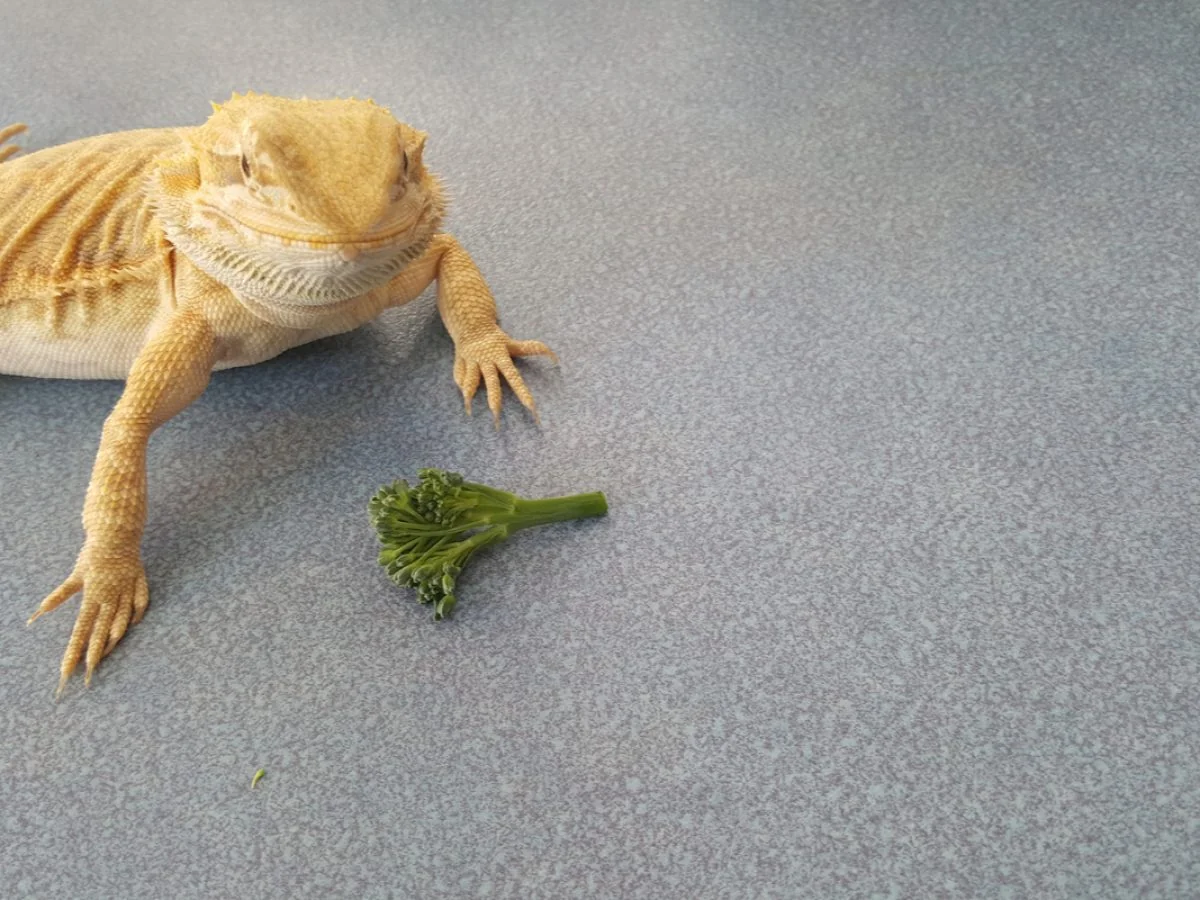
Bearded Dragons Calcium Intake Top 10 Tips
Ensuring your bearded dragon receives adequate calcium is paramount to their health and longevity. Calcium is a vital mineral for bone development, muscle function, and various metabolic processes. This comprehensive guide will equip you with the essential knowledge and practical tips to optimize your bearded dragon’s calcium intake, promoting a happy and healthy reptile companion. From dietary considerations to environmental factors, we’ll cover everything you need to know to keep your dragon thriving. Implementing these tips will contribute significantly to your bearded dragon’s overall well-being, allowing them to live a vibrant and active life.
Understanding Calcium’s Importance for Bearded Dragons
Calcium isn’t just about strong bones; it’s fundamental to numerous physiological functions in bearded dragons. It plays a crucial role in nerve transmission, muscle contraction, and blood clotting. Calcium deficiency can lead to serious health problems, making it essential to understand why it’s so critical. Without enough calcium, your dragon’s body starts pulling it from its bones, leading to a condition called metabolic bone disease. This can cause significant pain, mobility issues, and, if left untreated, even death. Furthermore, insufficient calcium affects muscle function, potentially causing seizures or paralysis. Therefore, a proactive approach to calcium supplementation is critical for your dragon’s welfare.
Why Calcium is Crucial for Bearded Dragon Health
Calcium is the building block for healthy bones in bearded dragons. It supports skeletal structure and provides the necessary rigidity and strength for movement and daily activities. Adequate calcium intake, coupled with proper vitamin D3 and UVB exposure, ensures that your dragon can absorb and utilize calcium effectively. Calcium also plays a pivotal role in muscle function, enabling the dragon to move, hunt, and digest food properly. Moreover, calcium is critical for various metabolic processes, including enzymatic reactions and hormone regulation. An appropriate calcium balance is essential for overall health and preventing various health complications, such as metabolic bone disease.

Calcium Deficiency Symptoms in Bearded Dragons
Recognizing the signs of calcium deficiency is crucial for early intervention. Common symptoms include lethargy, loss of appetite, and a reluctance to move. You might also observe tremors, muscle twitching, or even paralysis. The jaw may become soft or rubbery, making it difficult for the dragon to eat. In severe cases, the bones may become fragile and prone to fractures. If you notice any of these symptoms, it’s important to consult a veterinarian immediately. Early diagnosis and treatment, which may involve calcium and vitamin D3 supplementation, can significantly improve the dragon’s chances of recovery and prevent long-term health problems. Prompt action is key to ensuring your bearded dragon’s well-being.
Top 10 Tips for Bearded Dragons Calcium Intake
1. Proper Diet as Foundation
A well-balanced diet is the cornerstone of good health for your bearded dragon, and it starts with a careful selection of foods. The diet should consist primarily of live insects and a smaller proportion of fresh vegetables and greens. The specific insect choice can impact calcium levels. Varying the insects and vegetables provides essential nutrients and helps ensure your dragon’s dietary needs are met. A diverse diet minimizes the risk of nutritional imbalances. The food choices you make directly influence the overall health and longevity of your bearded dragon, so making informed decisions about their diet is essential for their well-being. Always research the nutritional value of each food to maintain a balanced diet.
Best Live Feeder Insects
When it comes to live feeder insects, crickets, dubia roaches, and mealworms are popular choices, but their nutritional profiles vary. Dubia roaches are often considered superior due to their higher calcium-to-phosphorus ratio and lower exoskeleton content, making them easier to digest. Crickets are a good option but should be dusted with calcium powder to balance the phosphorus content. Mealworms, while convenient, have a higher chitin content and can be harder to digest, so they should be given in moderation. Always prioritize insects that are properly gut-loaded before feeding them to your dragon. The nutritional value of the insects is heavily influenced by their diet, thus ensuring they receive proper nutrition is important for transferring these benefits to your bearded dragon.
Optimal Vegetable and Salad Choices
In addition to insects, providing a selection of vegetables and greens is critical. Dark leafy greens such as collard greens, mustard greens, and turnip greens are excellent sources of calcium. Avoid feeding spinach and kale excessively, as they contain oxalates that can bind with calcium and reduce absorption. Other beneficial vegetables include bell peppers, squash, and carrots, which also provide essential vitamins and minerals. Offer a variety of fresh produce daily. Thoroughly wash all vegetables to remove pesticides, and chop them into small, manageable pieces for your dragon. A varied and balanced vegetable selection significantly enhances the overall health and nutrient intake of your bearded dragon.
2. Calcium-Rich Foods Supplementation
Supplementation is essential for ensuring your bearded dragon receives adequate calcium, especially since many insects are naturally low in calcium. There are two primary methods for supplementing calcium: dusting insects with calcium powder and providing calcium-rich food sources. Dusting insects is the most common and effective method. This involves coating the insects with a calcium powder before feeding them to your dragon. Choose a calcium supplement specifically designed for reptiles, and preferably one that includes vitamin D3. The frequency and amount of supplementation depend on the dragon’s age, diet, and other factors, but generally, dusting is recommended for most meals to ensure that the reptile gets enough calcium.
Dusting Insects with Calcium Powder
When dusting insects with calcium powder, use a small, clean container, like a plastic bag or a cup. Place the insects inside, add a small amount of calcium powder, and gently shake the container until the insects are thoroughly coated. Be careful not to over-dust; a light coating is sufficient. Excess powder can be wasteful and potentially harmful. Once the insects are dusted, feed them to your dragon immediately. This method ensures that the insects deliver the calcium supplement directly to your pet. Regular dusting of the insects with calcium powder is essential for providing the proper nutritional support for your bearded dragon’s growth, bone health, and overall well-being. The goal is to ensure that the dusted insects are readily consumed.
Frequency of Calcium Dusting
The frequency of calcium dusting depends on the age of your bearded dragon. For growing juveniles, it’s generally recommended to dust insects at every feeding, or most feedings, to support rapid bone growth. For adult dragons, the frequency can be reduced. A good guideline is to dust insects a few times per week. Always observe your dragon and adjust the dusting schedule accordingly, particularly if you notice any signs of calcium deficiency. Providing calcium powder regularly is essential for preventing metabolic bone disease and other related health issues. The appropriate schedule ensures optimal calcium intake while avoiding over-supplementation. Regular monitoring of your dragon and making dietary adjustments is important for long-term health.
3. Vitamin D3 Supplementation
Vitamin D3 is a critical component in calcium absorption. Without adequate D3, your bearded dragon cannot effectively use the calcium it consumes. Vitamin D3 is produced in the skin when exposed to UVB light, which is then converted into its active form. However, supplementation is often necessary to ensure optimal levels, particularly if your dragon isn’t receiving sufficient UVB exposure. You can supplement D3 through a calcium supplement that includes it or through a separate vitamin D3 supplement. Using a balanced approach with appropriate UVB lighting is often necessary. The correct amount of vitamin D3 promotes healthy bone development and maintains the dragon’s overall metabolic balance.
The Role of D3 in Calcium Absorption
Vitamin D3 is essential for the absorption of calcium from the digestive tract. It enhances the efficiency of calcium absorption, allowing the body to use calcium effectively. Without adequate vitamin D3, the body cannot utilize the calcium from the diet, and calcium deficiency can occur, even if the diet is rich in calcium. The presence of D3 allows for the proper utilization of calcium for bone development, muscle function, and other critical bodily processes. Ensure proper lighting and supplementation to promote your bearded dragon’s well-being by increasing the efficacy of calcium absorption. Vitamin D3 is, therefore, an essential part of the supplementation strategy.
Choosing the Right D3 Supplement
When selecting a vitamin D3 supplement, choose one specifically formulated for reptiles. Many calcium supplements contain vitamin D3, making it easier to administer the two together. Be mindful of the dosage, as over-supplementation of vitamin D3 can lead to health problems. Follow the instructions provided by the manufacturer and consult with a reptile veterinarian for personalized advice. Using a high-quality, reptile-specific supplement is key to providing your dragon with the proper vitamins for optimal health. Always verify that the supplement is fresh and properly stored. Be sure the D3 supplement is appropriately dosed, as excessive levels can be harmful to your bearded dragon.
4. UVB Lighting Essentials

UVB lighting is non-negotiable for bearded dragons. It’s essential for vitamin D3 synthesis, which, in turn, supports calcium absorption. Without adequate UVB exposure, your dragon can develop metabolic bone disease. Choosing the correct UVB bulb and providing proper placement are critical. Not all UVB bulbs are created equal, and some emit different levels of UVB radiation. Proper UVB lighting is essential for the overall health and well-being of your bearded dragon. The UVB light is essential for the dragon’s bone health, immune function, and overall activity levels. Providing proper UVB is crucial to maintaining healthy growth and development.
UVB and Calcium Absorption
UVB light plays a crucial role in calcium absorption. When the dragon is exposed to UVB, its skin produces vitamin D3, which then assists the body in absorbing calcium from the gut. Without UVB, this process cannot occur efficiently, leading to calcium deficiencies, even if the diet is adequate. Adequate UVB exposure is crucial for the activation of vitamin D3 and the utilization of calcium. Providing the proper UVB lighting ensures optimal calcium levels, promoting healthy bone development and preventing metabolic bone disease. This process is fundamental for the overall health of your dragon. Thus, the proper integration of UVB light into the enclosure is essential.
Types of UVB Bulbs and Placement
There are various types of UVB bulbs available, including fluorescent tube bulbs and mercury vapor bulbs. Tube bulbs are generally more common and come in different strengths, measured as a percentage of UVB output. Mercury vapor bulbs provide a concentrated source of UVB and UVA but can also generate more heat, so it is important to monitor the temperatures. Proper placement is vital for ensuring that your dragon receives adequate UVB exposure. The bulb should be positioned at the correct distance from the basking spot, as the UVB output decreases with distance. Follow the manufacturer’s guidelines for bulb placement and replace bulbs as recommended, typically every six to twelve months. Proper placement and maintenance of the UVB bulb are essential to ensuring the best results.

5. Correct Calcium to Phosphorus Ratio
Maintaining the correct calcium-to-phosphorus ratio in your dragon’s diet is essential. This ratio is critical for bone health and overall well-being. The ideal calcium-to-phosphorus ratio is typically 2:1, meaning there should be twice as much calcium as phosphorus. Excessive phosphorus can interfere with calcium absorption, leading to calcium deficiency. Carefully monitoring the levels of these minerals in your dragon’s diet can prevent metabolic bone disease and other related health issues. Focusing on dietary choices and proper supplementation is essential to support the correct mineral balance, thus promoting optimal health and longevity for your reptile companion. By understanding this ratio, you can proactively support your dragon’s health.
Understanding the Ratio
The calcium-to-phosphorus ratio is a fundamental aspect of reptile nutrition, especially for bearded dragons. A balanced ratio ensures that calcium is absorbed and utilized correctly. If the ratio is too low in calcium, or too high in phosphorus, it will negatively impact calcium absorption. Calcium deficiencies can cause metabolic bone disease, which can lead to various health issues and, in severe cases, premature death. Understanding this ratio is crucial for making informed dietary and supplementation decisions. Paying attention to the nutritional content of the food you are providing your dragon, and adjusting your feeding practices accordingly, is essential. Correcting the calcium-to-phosphorus ratio is a crucial step in the ongoing maintenance of a healthy bearded dragon.

Foods with High Phosphorus
Some foods contain higher levels of phosphorus and should be offered with caution. Spinach and kale are high in oxalates, which bind to calcium and reduce its absorption. Certain insects, such as mealworms, also have a higher phosphorus content. Providing a variety of foods, avoiding excessive amounts of high-phosphorus foods, and supplementing with calcium are effective strategies for maintaining the appropriate balance. Be mindful of the phosphorus content of all food sources. By understanding which foods are high in phosphorus, you can make more informed choices regarding your dragon’s diet. This ensures that the dragon receives sufficient calcium. Maintaining a balanced diet with the correct mineral ratio directly influences the overall health and longevity of the reptile.
6. Hydration and Water Access
Hydration is essential for various physiological processes, including calcium metabolism. Proper hydration ensures that all of the organs are working in concert. Dehydration can interfere with nutrient absorption, including calcium. Providing fresh, clean water at all times is vital for your dragon’s health. The water should be available in a shallow bowl that is easily accessible and should be changed daily to prevent bacteria growth. Monitoring your dragon’s hydration levels involves ensuring the water is available and observing their behavior, which indicates their thirst. Dehydration can be prevented by the presence of a water source and is essential for the overall health and well-being of your bearded dragon. Ensure hydration is a priority.
Importance of Hydration
Hydration is critical for all metabolic processes. It aids in nutrient transport, waste removal, and temperature regulation. When a bearded dragon is dehydrated, the body’s ability to absorb and utilize nutrients, including calcium, is compromised. Dehydration can cause lethargy, loss of appetite, and other health problems. These issues will further exacerbate the condition of a calcium deficiency. Adequate hydration keeps your dragon’s body running smoothly. The water is essential for a healthy metabolism. Providing the right amount of hydration helps the dragon absorb essential minerals and prevent potential health problems. By providing clean water, you are helping to keep the reptile healthy and active.
Providing Fresh Water
Ensure your bearded dragon has access to fresh water at all times. Use a shallow water bowl that is easy for your dragon to access and that can’t be easily tipped over. The water should be changed daily to prevent the growth of bacteria and algae, which can be detrimental to your dragon’s health. Place the water bowl in a location that is easily accessible. It’s also helpful to provide water in different forms. Misting the enclosure occasionally can also provide additional hydration, and some dragons enjoy drinking from dripping plants. Providing fresh water is essential to support metabolic functions and prevent dehydration, ensuring your bearded dragon’s health.
7. Gut Loading Insects
Gut loading involves feeding insects a nutritious diet before feeding them to your dragon. This practice significantly increases the nutritional value of the insects. The diet of the insects determines the nutritional content, including calcium, that they pass on to your dragon. By feeding insects a diet rich in calcium and other essential nutrients, you can effectively supplement your dragon’s diet. This is particularly beneficial because it ensures the reptile receives the maximum nutritional benefits from its prey. Gut loading is an effective way to enhance the health of your dragon. Gut loading insects is a practical and efficient way to boost the nutritional value of your bearded dragon’s diet. Gut-loading is a very important process for maximizing the nutritional intake of your bearded dragon.
The Gut Loading Process
The gut loading process involves feeding insects a nutritious diet for 24-48 hours before feeding them to your dragon. This allows the insects to ingest and store valuable nutrients. Provide the insects with a diet that is high in calcium and vitamins, such as fresh vegetables, fruits, and commercial gut-loading diets. The diet should be balanced. Always ensure the insects have access to fresh water. This allows the insects to have access to nutrients that will benefit your dragon. By gut loading insects, you can create a more nutrient-rich food source, providing essential elements for your bearded dragon’s health. Gut loading is essential to provide the best nutrition possible.

Gut Loading Recipes
There are several gut loading recipes you can use, and the best one often depends on the type of insect you’re using. A basic recipe includes a mix of leafy greens, such as collard greens and mustard greens, supplemented with vegetables like carrots and squash. You can also add a commercial gut loading formula, which is specifically designed to provide a balanced source of nutrients. Some keepers also add fruits like apples or oranges in moderation. Always research the specific dietary needs of the insects you are using, as different insects have different nutritional requirements. Creating the ideal gut-loading recipe helps maximize the transfer of nutrients to your bearded dragon. Remember that it should be done on a regular basis to provide the best nutrition possible.

8. Monitoring Your Dragon’s Health
Regular health monitoring is essential for identifying and addressing any potential problems early. This includes observing your dragon’s behavior, appetite, and overall appearance. Changes in any of these areas may signal a health issue. Regularly check your dragon for signs of calcium deficiency, such as lethargy, muscle twitching, or bone deformities. Early detection allows for early interventions. Early diagnosis can improve your bearded dragon’s chance of recovery and prevent long-term health problems. Regular vet checkups are essential for monitoring your dragon’s health. Consistent observation and professional guidance are the best ways to ensure that your dragon remains in optimal health. Consistent monitoring will allow for any changes in the dragon’s health to be addressed quickly.
Regular Vet Checkups
Schedule regular checkups with a reptile veterinarian. These checkups provide an opportunity to have a professional assess your dragon’s health and identify any potential issues. The vet can perform a physical examination and may also recommend blood tests or X-rays to evaluate calcium levels and bone density. They can offer advice on the proper diet and supplement schedule for your dragon. Regular vet visits allow for the early detection of problems, which makes treatment much more effective. Consult your veterinarian annually or more often if your dragon exhibits any signs of health problems. This allows the veterinarian to monitor and analyze the overall health of the dragon.
Recognizing Signs of Health Issues
It is important to recognize the signs of health issues so you can seek veterinary care promptly. Common signs of calcium deficiency include lethargy, loss of appetite, tremors, and bone deformities. Other signs include weakness and difficulty moving. If you notice any of these symptoms, immediately consult your veterinarian. Regular observation of your dragon’s appearance and behavior can help you identify any changes that may require attention. By monitoring your dragon closely, you can recognize any issues early on and provide the best possible care. Early detection is key to ensuring your dragon’s health and well-being.
9. Avoiding Calcium Block Supplementation
Calcium blocks, sometimes marketed as a convenient way to provide calcium, are often not recommended. Calcium blocks are dense sources of calcium, and some dragons may not get the benefit and they can often be unhealthful. They can pose several risks, including being a source of imbalanced calcium and phosphorus levels. If a dragon does not ingest the calcium block, the dragon may not benefit, or they can over-ingest the calcium, which can be harmful. Instead of using calcium blocks, it is recommended to use other methods. Dusting insects with calcium powder and providing a balanced diet are more effective methods for ensuring that the dragon gets enough calcium. It is very important to note the risks, and consider alternative methods of supplementation.
Risks of Calcium Blocks
Calcium blocks present several risks, primarily related to the imbalanced intake of calcium. Dragons may not ingest an adequate amount of calcium from the block. Some blocks can also contain added phosphorus, which interferes with calcium absorption. Dragons may not be getting the ideal calcium-to-phosphorus ratio needed to maintain proper bone health. Another problem is the potential for the dragon to ingest the block in large amounts. Calcium blocks can be easily avoided by offering a balanced diet, dusting insects with calcium powder, and providing appropriate UVB lighting. It is very important to be aware of the risks of calcium blocks, and to use other more suitable methods of supplementation.
Alternative Calcium Sources
Instead of using calcium blocks, there are several alternative ways to provide your bearded dragon with calcium. The most effective method is dusting insects with a reptile-specific calcium supplement, which is easy to administer and ensures that your dragon receives calcium during its regular meals. You can also provide a diet that is rich in calcium-rich vegetables, such as collard greens and mustard greens. Ensure that your dragon receives adequate UVB exposure for vitamin D3 production, which is vital for calcium absorption. Ensure you are prioritizing all of these, instead of using calcium blocks. The best approach to providing calcium involves a combination of the right foods and supplementation techniques.
10. Consistent Supplementation Schedule
Establishing a consistent supplementation schedule is vital for ensuring that your bearded dragon receives adequate calcium. The frequency of supplementation depends on the age of the dragon and its overall health. The approach helps you establish a consistent routine. A routine is the best way to meet the needs of a bearded dragon. The goal is to maintain consistent calcium levels without over-supplementing. It is important to monitor the dragon and adjust the schedule as needed. Create a routine that supports the health of your dragon and meets the needs of the reptile. Consistency helps make sure that your bearded dragon is always getting what they need.
Creating a Routine
Create a supplementation routine by making a plan that meets the needs of your bearded dragon. Make sure the plan supports their health and well-being. For juveniles, who are growing rapidly, dusting insects with calcium powder daily is often recommended. For adults, the frequency can be reduced to a few times per week, as the dragon’s growth rate slows down. It is important to consider the other aspects of the routine, such as their exposure to UVB light and the health of the dragon. The key is to stick to the routine so that the needs of the dragon are always being met. Having a regular schedule can help ensure that the needs of your bearded dragon are always met. The routine should support their health and well-being.
Adjusting Supplementation Based on Age and Needs
The calcium supplementation routine may need to be adjusted depending on the dragon’s age, overall health, and the amount of UVB light to which the dragon is exposed. Young, growing dragons often need more calcium than adult dragons. If the dragon has been diagnosed with a calcium deficiency, the vet may recommend a more frequent supplementation schedule. Carefully monitor your dragon’s health, and make necessary adjustments. Regularly assess the health, and consider factors that affect calcium needs. By adjusting the supplementation routine based on the needs of your dragon, you can provide the best care possible.

Conclusion
Providing the right amount of calcium is essential for the health and well-being of your bearded dragon. It’s not just about supplementing; it’s about implementing a comprehensive approach that includes a balanced diet, proper UVB lighting, and consistent monitoring. By following these top 10 tips, you’ll be well-equipped to optimize your dragon’s calcium intake, promoting strong bones, healthy muscles, and overall vitality. Remember to always prioritize the health of your bearded dragon and consult with a reptile veterinarian for personalized advice. By implementing the strategies outlined in this guide, you can ensure your bearded dragon leads a long, healthy, and happy life.