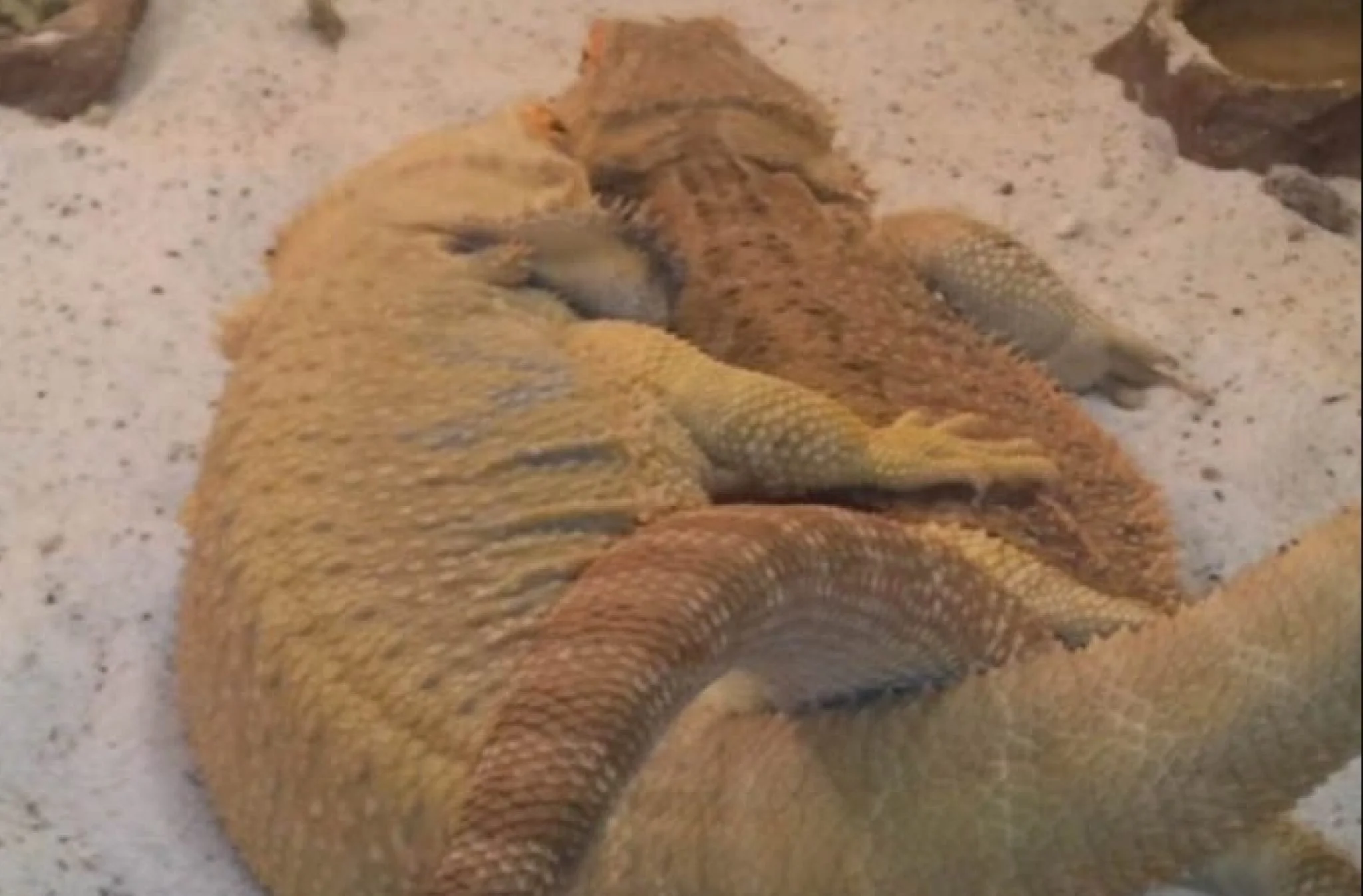
Understanding Bearded Dragon Breeding
Breeding bearded dragons is a rewarding but demanding endeavor. It requires careful planning, a good understanding of their needs, and a commitment to providing optimal conditions for successful reproduction and healthy offspring. Before you even consider breeding, it’s crucial to ensure you have healthy, well-cared-for adult bearded dragons, ideally at least 18 months old. Both the male and female should be in prime condition, with no signs of illness or stress. Breeding should never be undertaken lightly; it’s a significant responsibility that includes proper housing, feeding, and veterinary care for both the adults and the hatchlings. Furthermore, it’s important to be prepared for the costs involved, including the initial setup, ongoing maintenance, and potential veterinary expenses. Breeding bearded dragons is more than just putting two animals together; it’s about ensuring their wellbeing and contributing to the responsible stewardship of these fascinating creatures.
Signs Your Dragons Are Ready to Breed
Recognizing the signs of readiness is essential for successful breeding. For males, this includes changes in behavior such as displaying more dominant postures, head bobbing, and black bearding (darkening of the beard). He will actively court the female, attempting to attract her attention. The female, in turn, will exhibit specific behaviors indicating her receptiveness. She may nod her head in response to the male’s advances, and her body may become more relaxed. A female ready to breed will also show physical signs, such as changes in coloration, and she may become noticeably heavier due to the developing eggs. Observing these behavioral and physical cues is critical in determining the optimal timing for introducing the male and female. Careful monitoring is necessary, as not all behaviors will be obvious; knowing your dragons’ typical routines and habits is crucial for accurately interpreting their readiness to breed. Patience and keen observation are necessary when discerning breeding readiness, so be prepared to pay close attention.

The Breeding Process A Quick Overview
The breeding process itself involves carefully introducing the male and female into a suitable environment. This is best done in the female’s enclosure, as she has the right to choose her mate. Initial interactions can be intense, with the male pursuing the female aggressively. It’s important to monitor the interaction closely to prevent injury to either dragon. If the female is receptive, she will allow the male to mount her. After mating, the female will begin to develop eggs, which she will carry inside her body. She will need to be provided with ample calcium and vitamin D3 to support the formation of healthy eggs. Once the eggs are ready, the female will need a suitable nesting site. You will need to prepare a lay box for her, which is typically a container filled with moist substrate such as a mix of sand and soil. Once the female has laid her eggs, it’s time to move them to an incubator for optimal incubation. This process requires precision, patience, and attention to detail to ensure success.
Top 5 Egg Incubation Tips for Bearded Dragons
Incubating bearded dragon eggs is a delicate process, requiring a controlled environment to ensure the eggs hatch successfully. The incubation period typically lasts from 55 to 75 days, but this can vary depending on temperature and humidity levels. Success hinges on several factors. Here are the top 5 egg incubation tips to help you successfully hatch baby bearded dragons and increase the chances of survival. Following these tips will give your eggs the best chance of hatching healthy baby dragons.
1 Temperature is Key
Maintaining a consistent temperature is perhaps the most crucial factor for successful incubation. The ideal temperature range for bearded dragon eggs is between 82-86°F (28-30°C). Fluctuations in temperature can negatively impact development. Use a reliable digital thermometer to monitor the temperature inside your incubator continuously. Avoid placing the incubator in direct sunlight or near heat sources, as this can lead to temperature spikes. A well-regulated incubator maintains a stable temperature and is essential for successful hatching, so ensure you have one with precise temperature controls. The sex of the hatchlings can also be influenced by incubation temperature; warmer temperatures might lead to more females. Accurate temperature control is not just desirable; it’s necessary for healthy development.
2 Humidity Matters


Humidity is another critical factor in the egg incubation process. The ideal humidity level for bearded dragon eggs is between 60-70%. This moisture level helps prevent the eggs from drying out, which can be fatal to the developing embryos. Use a hygrometer to measure humidity levels and adjust accordingly. To increase humidity, you can add water to the incubation medium, such as vermiculite or perlite. Ensure that the substrate is moist but not soaking wet, as excessive moisture can lead to mold growth and egg rot. Monitor the humidity daily and make small adjustments to maintain the ideal range. Consistent and appropriate humidity ensures the proper development of the eggs and greatly increases the chances of hatchlings.

3 Choose the Right Incubator
Selecting the right incubator is a crucial decision. There are many options available, ranging from simple homemade setups to sophisticated, commercially available incubators. When choosing an incubator, look for one with a reliable temperature control system and a built-in hygrometer to monitor humidity. A well-insulated incubator will help maintain consistent temperatures and minimize energy consumption. The size of the incubator should accommodate the number of eggs you expect to incubate. Consider incubators that have the capacity to provide consistent and accurate temperature and humidity control, as these are crucial factors for successful incubation. Proper equipment ensures you create the best environment possible for your bearded dragon eggs.

4 Proper Egg Handling
Careful handling of the eggs is essential to avoid damaging the delicate embryos inside. Once the eggs are laid, gently remove them from the laying box. Avoid rotating or turning the eggs, as this can disrupt the developing embryo. It is best to mark the top of each egg with a pencil before moving them to ensure you keep them oriented correctly. Place the eggs in the incubator in the same position they were laid, ideally in a substrate such as vermiculite, perlite, or a mix of both. This substrate should be moist but not wet. Handle the eggs with care, and be gentle when you move them to prevent any issues with development. Proper egg handling is a must and can make a big difference in successful hatching.
5 Patience and Observation
Incubation is not an immediate process. It requires patience and careful observation. The incubation period for bearded dragon eggs can range from 55 to 75 days. During this time, it’s important to monitor the eggs regularly for any signs of problems. Look for any mold growth, which may indicate too much humidity. Also look for eggs that appear dented or discolored, as these may be non-viable. Do not open the incubator frequently, as this can cause fluctuations in temperature and humidity. Observe the eggs without disturbing them. Towards the end of the incubation period, you may notice the eggs starting to ‘sweat’ or slightly deflate; this is a normal process. Be prepared for the hatching process, which can take several hours. The wait will be worth it when you see your baby dragons hatch.
Common Mistakes and How to Avoid Them
Several common mistakes can jeopardize the success of egg incubation. One of the most frequent errors is failing to maintain stable temperature and humidity levels. Fluctuations in these conditions can hinder embryonic development. Another common issue is improper egg handling, such as rotating the eggs during transfer or placing them in the incubator incorrectly. Using the wrong substrate or substrate that is too wet or too dry can also pose problems. Moreover, inadequate ventilation within the incubator can lead to the growth of mold or bacteria, which can harm the eggs. Overcrowding the incubator can lead to uneven temperature distribution. To avoid these mistakes, invest in proper equipment, and follow the incubation guidelines. Constant monitoring and diligent record-keeping can also help. By learning from past mistakes, you can increase your chances of hatching healthy baby bearded dragons.
Post-Incubation Care for Baby Dragons
Once the baby bearded dragons hatch, they require specialized care to thrive. Initially, they should be kept in a clean, appropriately sized enclosure with proper heating and UVB lighting. Provide them with a varied diet of insects and finely chopped vegetables. Fresh water should be available at all times. Baby bearded dragons are more sensitive than adults, so it’s essential to maintain optimal temperature and humidity levels. Regular monitoring for signs of illness or stress is also critical. Providing the babies with a safe, enriching environment will allow them to grow and develop properly. Baby bearded dragons require smaller insect sizes and higher protein intake. Proper care during this critical period sets the stage for their long-term health and well-being.


Breeding bearded dragons and incubating their eggs is a rewarding, but demanding task. By following these tips, you can increase your chances of successfully hatching healthy baby bearded dragons. Remember that patience, attention to detail, and a commitment to providing the right care are key to success. With careful planning and dedicated effort, you can experience the joy of seeing your baby dragons thrive.