Understanding Bearded Dragon Breeding
Breeding bearded dragons can be a rewarding experience, allowing you to contribute to the conservation of these fascinating reptiles. However, it requires careful planning, a thorough understanding of their needs, and a commitment to providing the best possible care for both the adults and the hatchlings. This guide will walk you through every step of the breeding process, from understanding the breeding cycle to raising healthy baby dragons. Successfully breeding bearded dragons starts with understanding their natural behaviors and needs. It is essential to create an environment that mimics their natural habitat and encourages successful reproduction. This includes providing appropriate temperature gradients, UVB lighting, and a balanced diet. Before embarking on this journey, ensure you have the time, resources, and knowledge to properly care for the dragons and their offspring.
The Breeding Cycle Explained
The breeding cycle of bearded dragons is influenced by various factors, including seasonal changes, temperature, and the overall health of the dragons. Breeding usually occurs during the warmer months of the year, typically from spring to early fall. The female dragon will lay eggs, which she will bury in a nest. These eggs require specific conditions to hatch successfully. The incubation period typically lasts from 50 to 70 days, depending on the temperature and humidity levels. After hatching, the baby dragons will need intensive care and a suitable environment to thrive. The entire breeding cycle can be complex and demanding, so it’s crucial to be fully prepared before attempting to breed bearded dragons.
Identifying Breeding Readiness
Identifying when your bearded dragons are ready to breed is crucial for a successful outcome. Several signs indicate that a dragon is ready to mate. Observing their behavior is key. Watch for changes in appetite, activity levels, and social interactions. Both male and female dragons will exhibit specific behaviors that signal their readiness. For the male, this may include displaying vibrant colors, bobbing their heads, and displaying a territorial attitude. The female might display changes in behavior, such as digging, or being more active. Thoroughly observe your dragons to recognize these key indicators and time the pairing appropriately.
Female Bearded Dragon Breeding Readiness
Female bearded dragons exhibit specific signs that indicate they are ready to breed. One of the most noticeable signs is a change in their behavior. The female might become more active and begin digging in the substrate, especially if she senses an environment suitable for laying eggs. Increased appetite is another sign, as she will need to consume more nutrients to support egg production. A gravid female will display a swollen belly as the eggs develop. These behaviors, combined with the proper environmental conditions, will signal when it is time for pairing. It is important to carefully monitor the female’s behavior and health to ensure a safe and successful breeding process.
Male Bearded Dragon Breeding Readiness
Male bearded dragons also show distinct signs when they are ready to breed. The male dragon might become more aggressive and territorial, displaying dominance behavior such as head bobbing, especially toward other males. They may also exhibit bright colors, especially during courtship. Increased activity and a keen interest in the female dragon indicate the onset of breeding behavior. A male dragon’s overall health is paramount, because a healthy male will have more vitality and better chances of mating successfully. Carefully observe your male for these indications of readiness before introducing him to a potential mate. Make sure the male is not underweight or showing signs of illness.

Setting Up the Breeding Environment
Creating the right environment is essential for successful breeding. It starts with selecting a suitable enclosure. A larger enclosure, such as a 40-gallon breeder tank or larger, is often recommended. The enclosure should include proper lighting, heating, and humidity levels. The setup should mimic the natural habitat of bearded dragons, ensuring they feel secure and comfortable. Providing a substrate that is safe for digging is a must, as the female will need a place to lay her eggs. The enclosure needs to be designed in a way that it meets the needs of both the male and female dragons during breeding. The setup can directly impact their success, which is why careful preparation and attention to detail are of critical importance.
Creating the Perfect Breeding Habitat
A perfect breeding habitat goes beyond simply having an enclosure. You must provide essential elements like proper lighting, including UVB and basking lights, to support their health and breeding cycle. Place appropriate decorations, such as branches, rocks, and hides, to provide enrichment and security for the dragons. These decorations should be made of safe and non-toxic materials. A proper breeding habitat should also have a designated area for digging, where the female dragon can lay her eggs. It’s essential to provide a substrate that supports the females’ digging behavior and allows the eggs to be deposited. Ensure that the environment is regularly cleaned to maintain hygiene, as this will help reduce health risks. The breeding habitat is a critical aspect of the breeding procedure, and any neglect of this element can affect breeding outcomes.
Temperature and Humidity Control
Proper temperature and humidity control are critical for breeding. Bearded dragons are ectothermic animals, meaning they rely on external sources of heat to regulate their body temperature. Provide a basking spot with a temperature of 100-110°F (37-43°C) and a cooler area of around 80°F (27°C). Nighttime temperatures should be around 70-75°F (21-24°C). Use a thermostat to ensure that these temperatures are maintained consistently. Humidity levels should be kept between 30-40%. Use a hygrometer to monitor humidity. Humidity is essential for proper egg development and the overall health of the dragons. Provide a shallow water dish and mist the enclosure occasionally to keep humidity levels within the appropriate range. Temperature and humidity must be monitored, since variations can negatively impact the breeding cycle.
Introducing the Dragons Optimal Pairing


The process of introducing the male and female dragons is a critical step. The pairing process should always be supervised. Begin by placing the female in the male’s enclosure or vice versa. Closely observe their interactions. It’s important to allow the dragons time to get accustomed to each other. Ensure the enclosure is large enough to provide ample space for both dragons to move. Initial interactions can be volatile, especially if the male and female are not compatible. Be prepared to separate the dragons if aggressive behavior occurs. Careful monitoring of the pairing process can greatly increase the likelihood of a successful breeding experience. The breeding environment must be conducive to the process, and careful attention should be given to the health of both dragons.
Successful Pairing Techniques
Successful pairing involves a series of steps to facilitate breeding. Initially, place the female in the male’s enclosure for a few hours each day. Observe their behavior and interactions. Be prepared to intervene if aggressive behavior occurs. The male should demonstrate courtship behaviors, such as head-bobbing and displaying vibrant colors. The female should exhibit submissive behavior. If the female shows no signs of aggression, you can supervise the pairing for a longer period of time. The goal is to ensure the pair is comfortable with each other. Repeated pairings will increase the likelihood of successful mating. The process should be done in a controlled environment to make it as stress-free as possible for both dragons.
Monitoring Dragon Interactions

During the pairing process, it’s essential to carefully monitor the interactions between the dragons. Pay attention to the body language of each dragon. Signs of aggression, such as gaping, hissing, and biting, should be addressed immediately by separating the dragons. If the male is successful in mounting the female, observe if the mating is successful. The breeding pair must be closely supervised. Note the behaviors exhibited by each dragon. If the dragons are not compatible, it is crucial to separate them. Regular monitoring can ensure that the breeding process proceeds safely. If all goes well, the female dragon will become gravid, and the process will proceed to the next stage. Keep a detailed log of all observed behaviors.
Post-Pairing Care and Management
After a successful pairing, provide the female dragon with increased attention. Proper care is essential during the post-pairing period. Ensure the female has a well-balanced diet with a focus on providing ample calcium and vitamins to support egg production. Prepare a suitable nesting site where the female can lay her eggs. Monitor her body condition and look out for signs of egg-laying. Proper post-pairing care will increase the chances of successful egg-laying and hatching. Post-pairing care requires specific attention and preparation. This will help you give your dragons the best chance of success. Always ensure your female dragon has enough food and supplements, since she will need the extra nutrients. Careful post-pairing management can make the difference between success and failure.

Caring for the Gravid Female
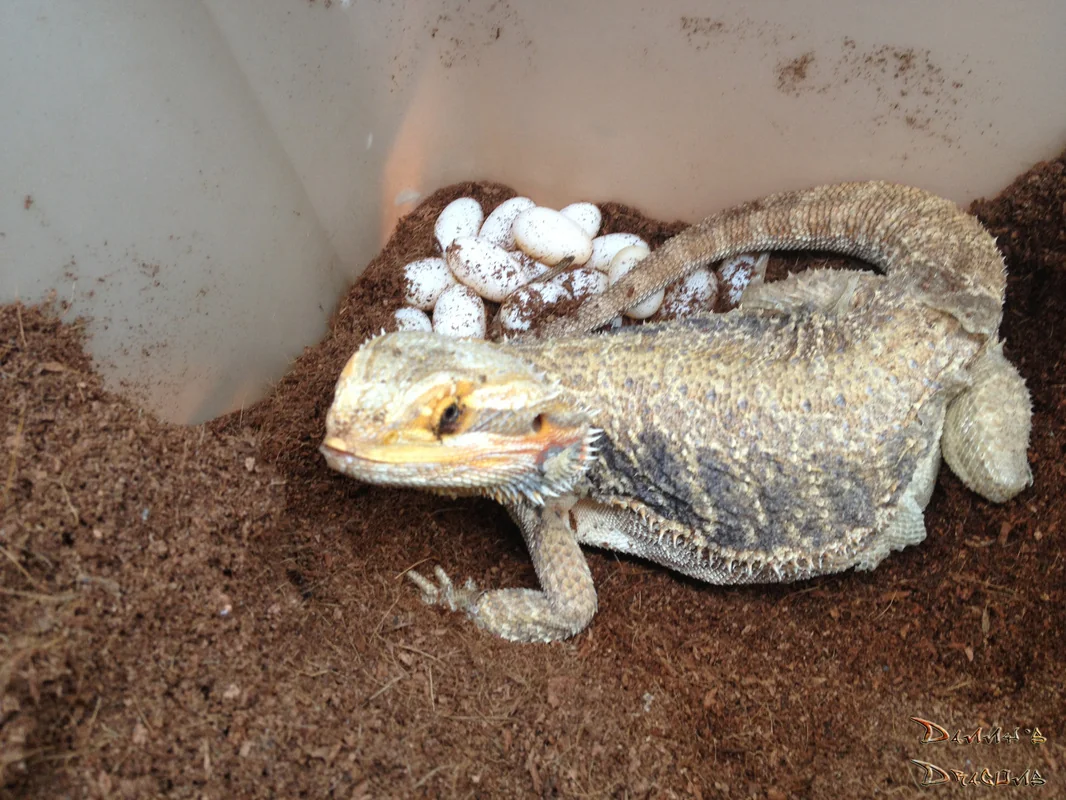
A gravid female requires special care. Provide her with a suitable nesting site where she can lay her eggs. This is typically a container filled with a substrate like moistened sand or soil. Monitor her behavior, including digging and nesting attempts. Provide her with a diet that’s rich in calcium and vitamins to support egg production and her health. Maintain an ideal temperature and humidity level in her enclosure. Keep the enclosure clean and hygienic to prevent infections. Observe her behavior for any signs of distress or complications. A gravid female needs additional care due to her physiological changes. A well-cared female dragon increases the chances of healthy eggs and hatchlings. This period calls for patience, vigilance, and attention to detail.
Preparing for Egg Laying and Incubation
Preparing for egg laying and incubation is a critical step in bearded dragon breeding. The female will dig a nest to deposit her eggs. Ensure the nesting site is ready. The nest should be moist. Once the eggs are laid, carefully remove them from the nesting site. Handle the eggs with care to avoid damaging them. Place the eggs in an incubator designed to maintain the optimal temperature and humidity levels. Monitor the eggs closely for any signs of mold or issues. The eggs should never be rotated. The egg-laying and incubation stage determines the outcome of the entire breeding process. Preparing and managing this stage well will greatly increase the chances of success. A well-prepared nesting site and incubator are essential for hatching healthy baby dragons.
Egg Incubation Guidelines
Successful egg incubation requires strict adherence to specific guidelines. The eggs should be placed in an incubator that maintains a constant temperature, typically between 82-86°F (28-30°C). Maintain a humidity level of 70-80% to prevent the eggs from drying out. Use a hygrometer to monitor humidity levels. The eggs should be placed in a suitable incubation medium, such as vermiculite or perlite. Proper incubation techniques are important. Regularly monitor the eggs for signs of mold or issues. The incubation period usually lasts from 50 to 70 days, depending on the temperature and humidity levels. Successful incubation is essential for ensuring the hatchlings are healthy. Careful attention to incubation guidelines will improve the chances of successful hatching, and increase the likelihood of healthy hatchlings.

Hatching and Raising Baby Dragons
The hatching of baby dragons is an exciting and delicate time. Once the eggs hatch, provide the hatchlings with a suitable enclosure and environment. The enclosure should be smaller than the adult enclosure. The hatchlings will require a specific diet consisting of small insects and finely chopped greens. Provide the hatchlings with UVB lighting and a basking spot. Maintaining their health and nutrition is important. Provide them with a clean water source and monitor their growth. Baby dragons require specialized care to support their development. Be ready to provide the hatchlings with the proper care, nutrition, and environment they need to thrive. Be prepared to dedicate time and effort to providing baby bearded dragons with the best possible start.
- Provide a suitable enclosure with proper temperature gradients and UVB lighting.
- Feed the hatchlings a diet rich in small insects and finely chopped greens.
- Provide a clean water source and monitor their growth.
- Monitor the hatchlings’ health, watch for any signs of illness.
- Handle the hatchlings gently and minimize stress.
- Provide a safe, comfortable, and enriching environment.
Breeding bearded dragons is a demanding but rewarding process. By carefully following these guidelines and paying close attention to the needs of your dragons, you can increase your chances of success. Providing the best possible care throughout the entire process, from pairing to hatching, will contribute to the health and well-being of your dragons and their offspring. Breeding bearded dragons requires dedication, knowledge, and a genuine interest in their care. Proper management leads to successful outcomes.