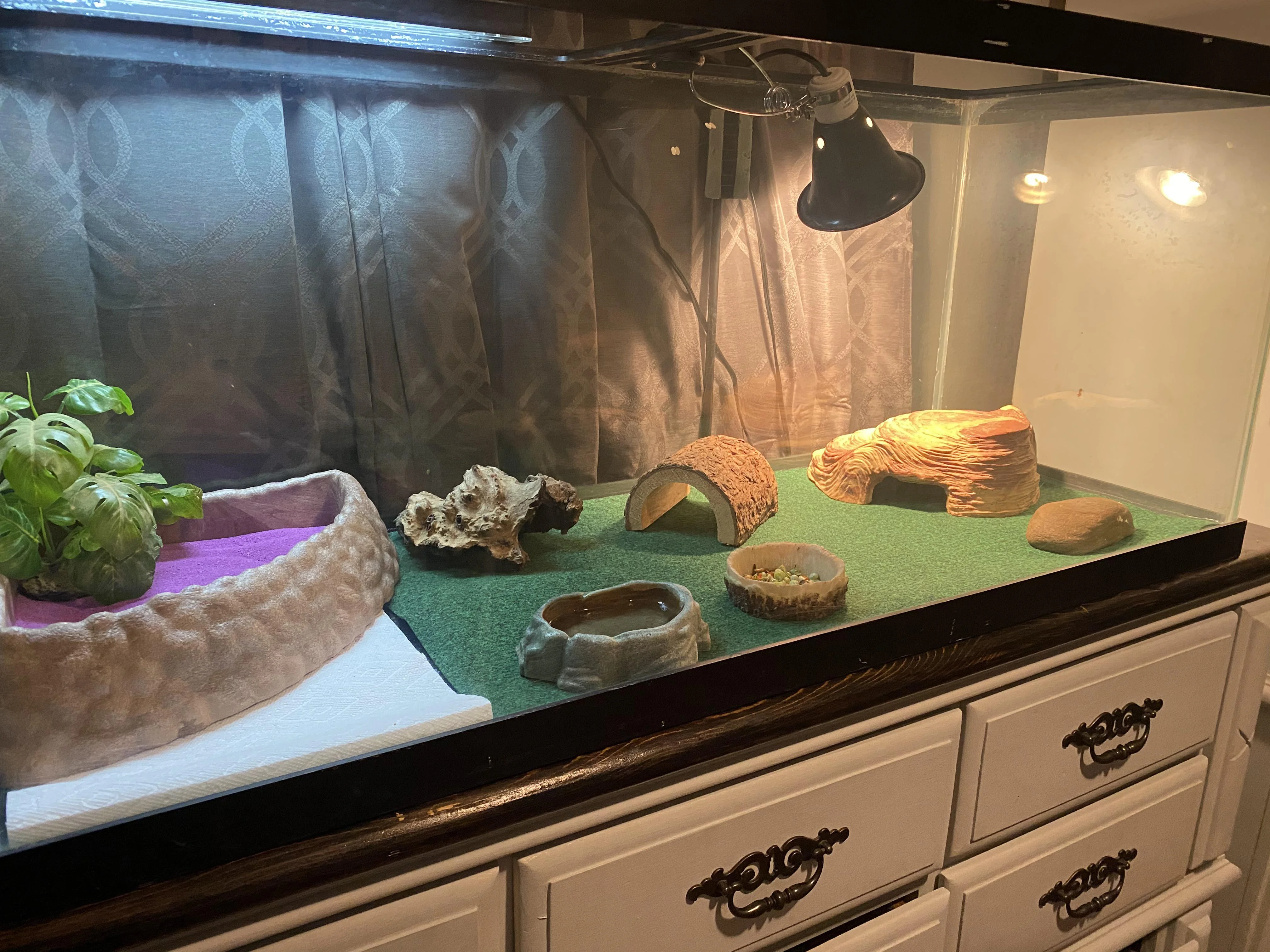
Understanding Bearded Dragon Substrate
Bearded dragons, fascinating reptiles native to Australia, thrive in environments that closely mimic their natural habitat. A crucial element of this environment is the substrate – the material that lines the bottom of their enclosure. Choosing the right substrate is paramount to your bearded dragon’s health and well-being. It affects temperature regulation, humidity levels, and overall hygiene, contributing significantly to their comfort and longevity. Considering various substrate types and understanding their respective benefits and drawbacks is key to creating an optimal habitat for your scaly friend. This guide dives deep into the world of bearded dragon substrates, reviewing different options to assist you in making informed decisions for your pet’s ideal living space.
Why Substrate Matters For Bearded Dragons
The substrate in your bearded dragon’s enclosure is more than just a floor covering; it’s an integral part of their ecosystem. It plays a critical role in several key aspects of their health and well-being. The right substrate supports essential behaviors, prevents health issues, and offers a comfortable environment. Incorrect substrate choices may lead to a plethora of problems. These issues can include respiratory infections from dusty substrates, impaction from ingested materials, and skin irritation or infections. Thus, picking an appropriate substrate requires understanding its functions and potential risks.
The Importance of Temperature Regulation
Bearded dragons are ectothermic, meaning they rely on external sources to regulate their body temperature. The substrate’s thermal properties can affect this process. Some substrates, like tile or stone, retain heat well, providing a basking area, while others, such as reptile carpet or paper towels, don’t hold heat as effectively. The substrate helps create a thermal gradient, allowing your bearded dragon to move between warmer and cooler areas to regulate its body temperature. When the substrate functions properly it enhances metabolic functions, digestion, and overall health of the dragon.
Impact on Humidity Levels and Shedding
Maintaining appropriate humidity levels is crucial for a bearded dragon’s health, especially during shedding. Certain substrates can absorb and release moisture, thus influencing the humidity within the enclosure. A substrate that holds some humidity is often beneficial as it helps prevent dry skin, makes shedding easier, and prevents respiratory issues. Some substrates, like reptile carpet, can become breeding grounds for bacteria if not cleaned regularly and may contribute to poor humidity control. Loose substrates like coco coir or organic soil can maintain humidity to some degree, while substrates such as paper towels provide minimal humidity, which requires supplemental humidity sources.

Top Bearded Dragon Substrate Reviews
Reptile Carpet Review

Reptile carpet, often made from synthetic fibers, is a popular substrate due to its ease of use and availability. It is generally a low-cost substrate that can be easily cut to fit the enclosure. The simplicity of washing and cleaning is a strong selling point for many owners. However, this convenience comes with a trade-off. Reptile carpets can harbor bacteria and parasites if not meticulously cleaned and disinfected regularly. They don’t provide a natural digging or burrowing environment and may also snag the dragon’s claws.
Pros and Cons of Reptile Carpet
- Pros: Easy to clean, readily available, cost-effective, prevents substrate ingestion.
- Cons: Can harbor bacteria, does not promote natural behaviors, may snag claws, doesn’t hold humidity well.
Sand Substrate Review
Sand is one of the most debated substrate options for bearded dragons. While it can mimic a natural desert environment and provide a comfortable medium for digging, it poses risks. Fine sand can be ingested, leading to impaction, a potentially fatal condition where the digestive tract becomes blocked. Furthermore, sand can be challenging to clean, potentially harboring bacteria and parasites. If sand is chosen, it is essential to use a calcium sand, a type of sand designed to be digestible, and practice extremely diligent hygiene.
Pros and Cons of Sand Substrate
- Pros: Mimics natural habitat, allows digging behavior.
- Cons: Risk of impaction, can be difficult to clean, may harbor bacteria.
Paper Towels or Newspaper Review
Paper towels and newspaper are simple, cost-effective, and readily available substrate options. They are easy to clean and offer a sterile environment, reducing the risk of bacterial growth. However, they provide minimal enrichment and don’t allow for natural behaviors like digging. They also do not retain humidity well and can become messy if the dragon defecates on them. This makes them a temporary substrate or for quarantine purposes.

Pros and Cons of Paper Substrate
- Pros: Easy to clean, readily available, sterile, inexpensive.
- Cons: Doesn’t allow for natural behaviors, offers little enrichment, doesn’t retain humidity well.
Tile Substrate Review
Tile, typically ceramic or stone, provides a clean and easy-to-maintain substrate. It’s aesthetically pleasing, does not harbor bacteria, and is easy to spot-clean. It also facilitates natural claw wear. The main drawback is that tile doesn’t provide much cushion and does not encourage natural digging behaviors. While tile can retain heat, it requires careful monitoring to prevent overheating. The non-absorbent nature can make it difficult to control humidity levels.
Pros and Cons of Tile Substrate
- Pros: Easy to clean, aesthetically pleasing, promotes claw wear, doesn’t harbor bacteria.
- Cons: Doesn’t allow digging, doesn’t absorb waste or moisture, can be cold.
Loose Substrate Review
Loose substrates, such as coco coir, organic soil, or a mix, provide a more natural environment, encouraging digging and burrowing, which is important for bearded dragons’ well-being. These substrates help to regulate humidity, and the dragon can express natural foraging behaviors. However, loose substrates can pose a risk of impaction if ingested. It’s important to choose safe, digestible options and practice strict hygiene. Regular spot cleaning and complete changes are essential to prevent bacterial growth.
Pros and Cons of Loose Substrate
- Pros: Encourages natural behaviors, helps maintain humidity, promotes enrichment.
- Cons: Risk of impaction, requires more maintenance, can harbor bacteria.

Factors To Consider When Choosing Substrate
Bearded Dragon’s Age and Health
The age and health of your bearded dragon significantly influence the choice of substrate. For young or sick dragons, substrates that minimize the risk of ingestion and are easily cleaned, like paper towels or tile, might be preferable. Adult dragons can generally handle a wider variety of substrate options, including those that promote natural digging and enrichment. Always prioritize a substrate that does not exacerbate any existing health issues or pose new risks.
Ease of Cleaning and Maintenance
Regular cleaning is essential for maintaining a healthy environment. Some substrates, like reptile carpet or loose substrate, require more frequent spot cleaning and complete changes than others, like tile. Assess how much time you’re able to dedicate to enclosure maintenance. Choose a substrate that aligns with your lifestyle to ensure that the environment remains clean and hygienic, which is crucial for preventing disease and promoting your bearded dragon’s well-being. Regular cleaning is non-negotiable.

Aesthetic Appeal and Enrichment
While the substrate’s primary function is to support your bearded dragon’s health, aesthetics and enrichment also play a role. Choose a substrate that complements your enclosure’s design and creates a stimulating environment. Loose substrates allow for digging and burrowing behavior, while other types may not. Consider the visual appeal and its effect on your pet’s overall quality of life and engagement with its habitat, which contributes to a more enriched and stimulating experience.
Conclusion Selecting The Best Substrate
Selecting the best substrate for your bearded dragon involves careful consideration of its health, age, and your lifestyle. Each substrate option has its advantages and disadvantages. While some options offer ease of maintenance, others prioritize mimicking the dragon’s natural environment. When choosing a substrate, consider all the factors: ease of maintenance, aesthetic appeal, and most importantly, your dragon’s well-being. Make informed decisions, prioritize the health and safety of your pet, and create an environment where your bearded dragon can thrive and exhibit natural behaviors. Consistent hygiene, a stable temperature gradient, and a comfortable habitat are the cornerstones of a happy and healthy bearded dragon.

