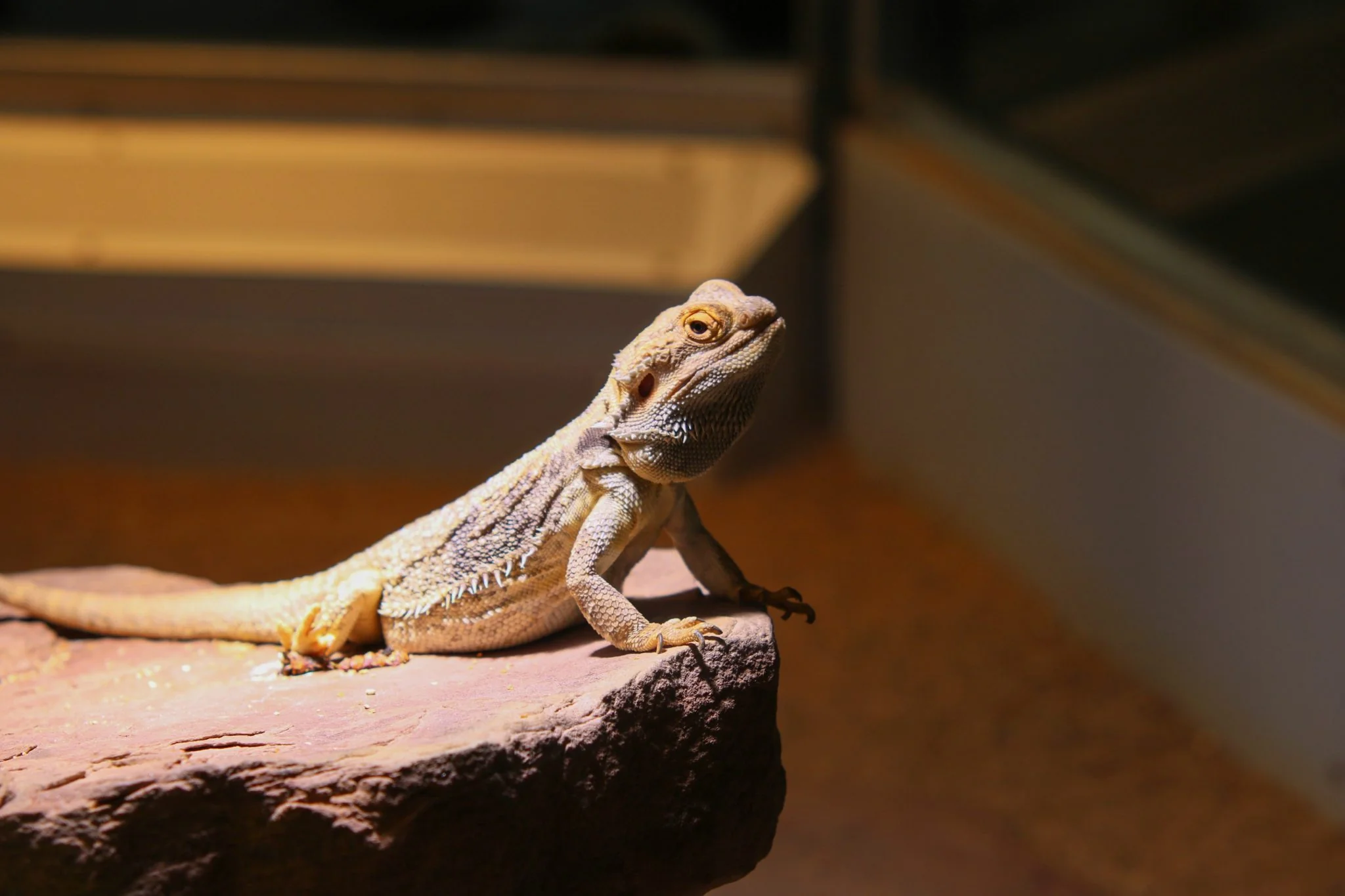
Why Proper Heating Is Crucial for Bearded Dragons
Bearded dragons, being cold-blooded reptiles, are entirely dependent on external heat sources to regulate their body temperature. Providing the right heating is not just a matter of comfort, but of survival. Without adequate warmth, their metabolism slows down, leading to a host of health issues. This includes weakened immune systems, digestive problems, and lethargy. Proper heating allows them to digest food efficiently, absorb essential nutrients, and remain active and alert. A well-heated enclosure mimics their natural habitat, creating an environment where they can thrive.
Understanding Bearded Dragon Thermoregulation
Thermoregulation is the process by which bearded dragons control their body temperature. They do this primarily by basking under heat sources to warm up and moving to cooler areas to cool down. This behavior is vital for their overall well-being. When a bearded dragon basks, it absorbs heat, which speeds up its metabolic processes. When it moves to a cooler area, it can regulate its internal temperature to prevent overheating. Understanding this behavior is critical to providing the right heating setup.
The Importance of Temperature Gradients

A temperature gradient is a range of temperatures within the enclosure. This is essential for bearded dragons. The gradient allows them to choose the temperature they need at any given time. Typically, the basking spot should reach 95-110°F (35-43°C), the cool side should be around 75-85°F (24-29°C), and the ambient temperature should be maintained somewhere in between. This gradient allows them to thermoregulate effectively. Without it, they can’t properly control their body temperature, leading to stress and health problems.
Common Types of Bearded Dragon Heating Fixtures
Basking Bulbs
Basking bulbs are the most common type of heating fixture. They produce both heat and light, mimicking the sun’s rays. They are designed to create a hot spot where the bearded dragon can bask. These bulbs come in various wattages, allowing you to customize the temperature of the basking spot. It’s important to choose the correct wattage to achieve the desired temperature, as too high or too low can be detrimental to your pet’s health.
Choosing the Right Wattage
Selecting the right wattage of a basking bulb depends on several factors, including the size of the enclosure, the distance between the bulb and the basking spot, and the ambient temperature of the room. Start with a lower wattage and monitor the temperature carefully using a digital thermometer. Increase the wattage gradually until you achieve the desired basking spot temperature. Always err on the side of caution, as it’s easier to add heat than to remove it.

Placement and Distance
The placement and distance of the basking bulb are critical for creating a safe and effective heating setup. The bulb should be positioned above the basking spot, ideally with a secure fixture to prevent it from falling. The distance from the bulb to the basking spot will determine the temperature. Start with a distance that you know is safe, then adjust it to reach the desired temperature gradient. Always use a thermometer to monitor temperatures at the basking spot and the cool side of the enclosure. Ensure there’s sufficient space between the bulb and any decor to prevent burns.
Ceramic Heat Emitters (CHE)
Ceramic heat emitters (CHEs) are a type of heating fixture that produces heat but no light. This makes them ideal for providing 24-hour heat without disrupting the bearded dragon’s day-night cycle. CHEs are typically used to maintain the ambient temperature in the enclosure or to provide supplemental heat. They are a reliable option for ensuring consistent warmth, especially during colder months. They are available in various wattages to suit different enclosure sizes.
Advantages of CHEs
CHEs offer several advantages. They provide consistent heat, which is crucial for maintaining a proper temperature gradient. Since they emit no light, they won’t interfere with the bearded dragon’s natural sleep cycle. They can be used in conjunction with basking bulbs or other heat sources. They are also generally long-lasting and durable, making them a cost-effective option in the long run. When properly installed and used with a thermostat, they offer a reliable heating solution.
Disadvantages of CHEs
While CHEs are a great heating option, they do have some drawbacks. They don’t provide any light, which is essential for bearded dragons to properly synthesize vitamin D3, and aid digestion. As the only heat source, they can result in inadequate heat if the wattage is too low for the enclosure. They can also pose a burn risk if they are not properly guarded. They are also usually used in conjunction with other lighting sources. Always use a protective cage around the CHE to prevent direct contact.
Heat Mats

Heat mats, also known as under-tank heaters (UTHs), are placed under the enclosure to provide heat. They are a convenient and often affordable option. They are designed to warm the bottom of the enclosure, which, in theory, creates a warm spot for the bearded dragon. However, heat mats are generally not recommended as the primary heat source for bearded dragons because they do not effectively heat the air, and can cause burns if not used correctly.
Pros and Cons of Heat Mats

The pros of heat mats include their ease of use and affordability. They can provide a small amount of heat, which may be helpful during the night if the enclosure gets too cold. The cons far outweigh the pros, as heat mats cannot adequately heat the air, which is essential for bearded dragons. They can also cause burns if the bearded dragon stays directly on the mat. They are generally not the best choice for proper heating.
Deep Heat Projectors (DHP)

Deep heat projectors (DHPs) are a newer type of heating fixture that emits infrared-A and infrared-B rays, which deeply penetrate the lizard’s tissues. This is a more effective way to heat the lizard compared to surface heating. DHPs are very effective at providing a deep heat source, and can also be used to heat the ambient temperature of the enclosure. DHPs don’t produce light, so they won’t disrupt your pet’s day and night cycle.
Benefits of Using DHP
DHPs offer several benefits over other heating fixtures. They provide a more natural form of heat, penetrating the bearded dragon’s tissues for deeper warming. They can effectively heat the enclosure’s ambient temperature while also creating a warm basking spot. They don’t emit light, making them suitable for 24-hour use, so that they are a good alternative to CHEs. These are also energy efficient when paired with a thermostat.
Potential Drawbacks
DHPs, like other heat sources, have potential drawbacks. While they can be efficient, they can be expensive. They can be more difficult to find. If used without a thermostat, they can potentially overheat the enclosure, leading to burns. DHPs are a great heating option, but it’s important to consider your specific needs and budget. They’re not always the best choice for every setup.
Comparing Heating Fixture Performance
Efficiency in Heating
The efficiency of a heating fixture refers to how well it converts energy into heat. Basking bulbs are generally efficient at providing a concentrated heat source for basking. CHEs are excellent for maintaining a constant ambient temperature. Heat mats are generally less efficient, and DHPs are designed to efficiently heat both the ambient air and provide deep tissue heating. The best choice depends on the specific needs of the bearded dragon and the enclosure setup. Assessing the efficiency of your setup, and finding your best heating solution will ensure a healthy dragon.
Energy Consumption
Energy consumption is another critical factor to consider, especially for those who are concerned about electricity costs. Basking bulbs consume a moderate amount of energy. CHEs and DHPs can be more energy-efficient, especially if they are used with a thermostat that regulates their operation. Heat mats typically consume less energy, but they may not provide adequate heating for the bearded dragon. The goal is to balance the heating needs of the bearded dragon with the energy usage.
Lifespan and Durability
The lifespan and durability of a heating fixture can affect its long-term cost and convenience. Basking bulbs typically have a shorter lifespan and need to be replaced more frequently. CHEs and DHPs tend to have a longer lifespan. Heat mats also tend to last a long time but are not often the best choice. Always choose heating fixtures that are durable and made from quality materials. Considering these factors will help you choose the best heating system for your pet.
Safety Considerations
Preventing Burns
Preventing burns is a paramount safety concern when it comes to bearded dragon heating. Always use appropriate fixtures and guards, especially with basking bulbs and CHEs. Ensure that the fixtures are placed out of reach of the bearded dragon, and never allow the animal to directly touch the bulb or CHE. Regular inspections are crucial to ensuring the fixture remains safe. By following safety guidelines, you can minimize the risk of burns and create a safe environment for your pet.
Monitoring Temperatures
Regularly monitoring temperatures is crucial for ensuring the health and safety of your bearded dragon. Use a digital thermometer with a probe to measure the temperature at both the basking spot and the cool side of the enclosure. This will help you confirm whether you are achieving the correct temperature gradient. Check temperatures at least once a day to catch any fluctuations. Keeping a consistent temperature, and monitoring it regularly, is crucial for a healthy pet.
Using a Thermostat
A thermostat is an essential tool for regulating the temperature in a bearded dragon enclosure. It can automatically turn the heating fixture on and off to maintain a consistent temperature. Using a thermostat is especially important with CHEs and DHPs, as these fixtures can generate a lot of heat. There are different types of thermostats available, including on/off thermostats and dimming thermostats. A thermostat will ensure the safety and the health of your pet.
Best Heating Fixture Recommendations
Top Recommendations
For the best results, consider a combination of heating fixtures. A basking bulb is essential to create a basking spot for the bearded dragon. Use a CHE or a DHP to maintain the ambient temperature during the day and night, if needed. Heat mats are not generally recommended as a primary heating source. For example, one can use a basking bulb for heat and light during the day, and CHEs to keep the enclosure at the correct temperature during the night. Proper planning will ensure a healthy pet.
Factors to Consider When Choosing
Choosing the right heating fixtures depends on various factors. Consider the size of the enclosure, the climate of your home, and your budget. Assess whether the heating fixtures provide the correct temperature gradient. Do your research, read reviews, and speak to reptile specialists to make informed decisions. Always prioritize the safety and health of your bearded dragon. When in doubt, consult a reptile expert for personalized advice.
Maintenance and Troubleshooting

Regular Checks and Replacements
Regular maintenance is essential to ensure the longevity and safety of your heating fixtures. Inspect the bulbs and fixtures regularly for any signs of damage or wear. Replace bulbs according to the manufacturer’s recommendations, as their efficiency diminishes over time. Clean the fixtures to prevent the buildup of dust and debris, which can affect their performance. By performing these maintenance tasks, you can prolong the lifespan and ensure the safety of your heating system.
Troubleshooting Common Issues
You may encounter some common heating-related issues. The enclosure may not reach the desired temperature, or the temperature may fluctuate. The bulb might burn out quickly. You might see burns on your bearded dragon. If the enclosure isn’t reaching the right temperature, you may need a higher wattage bulb, or you might need to change the placement of the heating fixture. If the bulb burns out quickly, ensure the power source is correct and the bulb is properly installed. If you are seeing burns, take the bearded dragon to a veterinarian immediately. Always consult with a reptile expert to resolve more complex issues.
Conclusion
Selecting the right heating fixtures is vital for the health and well-being of your bearded dragon. Consider your bearded dragon’s needs, the size of the enclosure, and the specific features of the heating fixture when making your choice. Use a combination of heating fixtures to provide the right temperature gradient, and always prioritize safety. By following these guidelines, you can create a comfortable and healthy environment. Your bearded dragon will thank you!