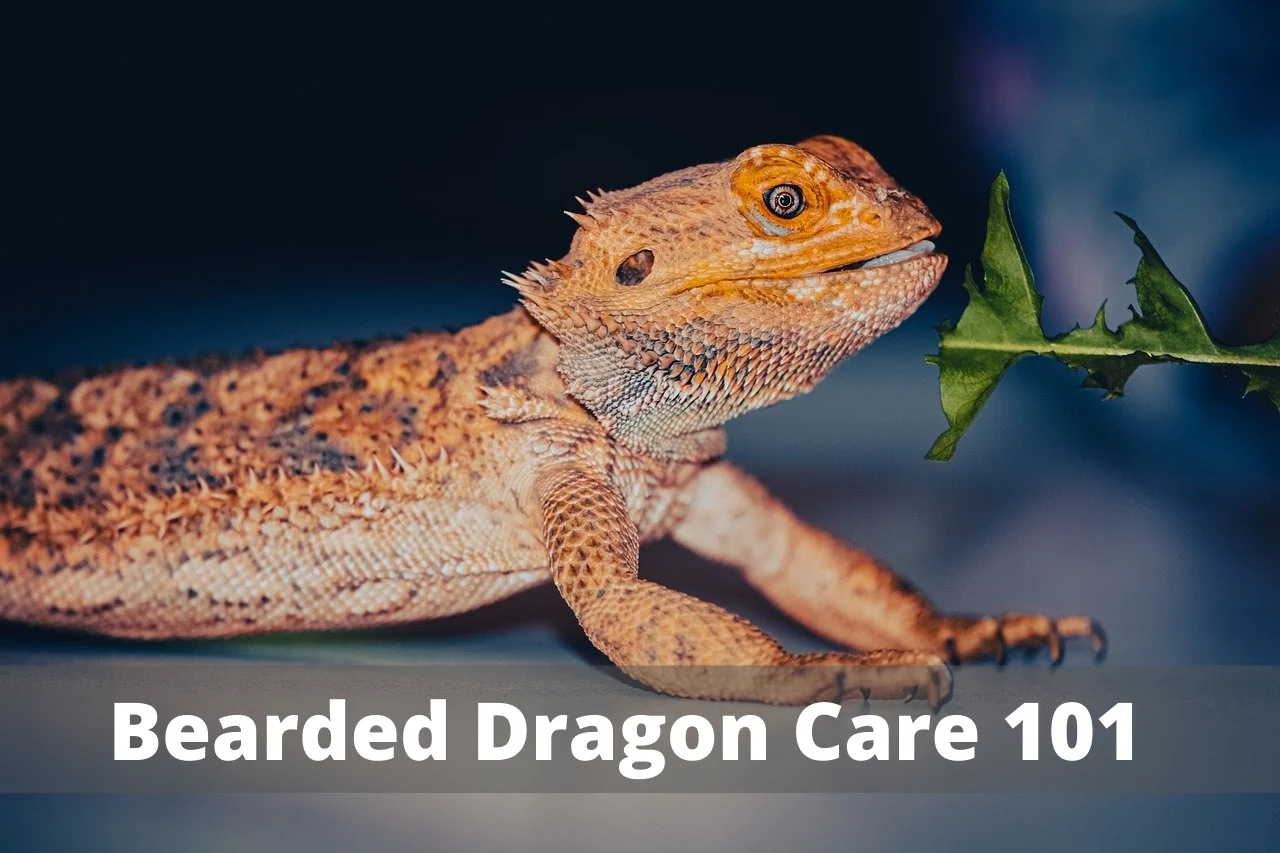
Understanding Winter Changes for Bearded Dragons
As the seasons change, so do the needs of your beloved bearded dragon. Winter brings about significant shifts in their natural behaviors, primarily due to changes in temperature and daylight hours. Understanding these changes is crucial for providing appropriate care. Bearded dragons, native to the arid regions of Australia, are ectothermic animals, meaning they rely on external sources to regulate their body temperature. During winter, the cooler temperatures naturally influence their metabolism and activity levels, necessitating adjustments to their care routine. This guide will help you navigate the seasonal shifts and ensure your bearded dragon thrives throughout the winter months.
Slowing Down Metabolism
One of the primary effects of winter on bearded dragons is a slowdown in their metabolism. This biological process dictates how efficiently they convert food into energy. With cooler temperatures, their metabolic rate decreases, meaning they require less energy and food to function. You’ll likely observe a decrease in appetite and activity levels during this period. It’s essential to adjust your feeding schedule and the amount of food offered to prevent overfeeding, which can lead to health issues like obesity and digestive problems. The aim is to support their natural biological rhythm while ensuring they maintain a healthy weight and energy level.
Recognizing Brumation
Brumation is the reptilian equivalent of hibernation, and it’s a natural behavior for bearded dragons during winter. During brumation, your dragon may become less active, spend more time sleeping, and eat less. They might even seek cooler areas within their enclosure. Recognizing these signs is important, as brumation is a healthy response to environmental changes. Not all bearded dragons brumate, but it’s a common occurrence, particularly in adult dragons. Observe your dragon closely for changes in behavior and adjust your care routine accordingly to support this natural process. Be patient and understand this is a period of rest and low energy expenditure.
Brumation vs. Illness
It’s important to distinguish between brumation and illness. Both can manifest as lethargy and reduced appetite, but the underlying causes differ significantly. During brumation, the dragon is otherwise healthy, and these behaviors are a normal response to seasonal changes. Illness, on the other hand, is indicated by other symptoms, such as labored breathing, discharge from the eyes or nose, or a lack of interest in even the most enticing food items. If you’re concerned about your dragon’s health, carefully observe all symptoms. When in doubt, it’s best to consult with a veterinarian specializing in reptiles to rule out any underlying health issues. Proper diagnosis is key to ensure a healthy dragon.
Creating the Perfect Winter Habitat
Creating the perfect winter habitat for your bearded dragon involves meticulous attention to temperature, lighting, and humidity. Because bearded dragons are ectothermic, they are highly dependent on their environment for survival. Adjusting the habitat correctly will allow your bearded dragon to brumate comfortably and safely. Ensure the enclosure provides the right environmental conditions to support their well-being. From basking spots to humidity levels, all aspects must be carefully considered.


Temperature Adjustments
Maintaining the correct temperature gradient within your bearded dragon’s enclosure is paramount during winter. The primary goal is to provide a range of temperatures that meet their metabolic needs. If brumating, the temperature should be slightly cooler than in warmer months. The ideal environment should be slightly cooler overall. Ensure that both the basking spot and cool side temperatures are within the appropriate range. The use of a thermostat and thermometers is essential to monitor and maintain these crucial temperature zones.
Basking Spot Temperature
The basking spot should be the warmest area in the enclosure, providing a place for your dragon to absorb heat and regulate its body temperature. The basking spot temperature should be around 90-95°F (32-35°C). This allows them to digest food and remain active if they are not fully brumating. Use a thermometer to monitor this temperature regularly. Ensure the basking light is positioned correctly and not too close to prevent burns. Provide appropriate distance to maintain optimal temperatures.
Cool Side Temperature
The cool side of the enclosure should be maintained at a temperature that allows your bearded dragon to cool down if needed. This temperature should be around 75-80°F (24-27°C). Having a temperature gradient is essential for your dragon’s thermoregulation, allowing it to move between areas of different temperatures to maintain its comfort and health. Regularly check temperatures on both sides of the enclosure to ensure they are within the recommended ranges.
UVB Lighting Needs
UVB lighting is crucial for your bearded dragon’s health, regardless of the season. It aids in vitamin D3 synthesis, which is essential for calcium absorption and overall bone health. Ensure that you’re using a quality UVB bulb appropriate for reptiles and that it’s replaced according to the manufacturer’s recommendations, as the UVB output decreases over time. Place the UVB light at the correct distance from the basking spot so the dragon can benefit from its rays. Proper UVB exposure contributes to optimal health and allows dragons to thrive, especially when they may be spending more time indoors during the colder months. See image bearded-dragon-uvb-lighting.webp
Maintaining Proper Humidity
Humidity control is often overlooked, but it plays a significant role in a bearded dragon’s well-being, especially during the winter months. The ideal humidity level for a bearded dragon is usually between 30-40%. During the winter, humidity levels inside may fluctuate due to indoor heating. Monitor the humidity levels with a hygrometer and make adjustments as needed. A slightly lower humidity can help prevent respiratory issues. You can adjust the humidity by ensuring adequate ventilation. Ensure you are regularly cleaning the enclosure. High humidity combined with lower temperatures can promote the growth of bacteria and fungi, which can negatively impact your dragon’s health.
Dietary Adjustments for Winter
As your bearded dragon’s metabolism slows down during winter, so should its diet. Overfeeding can lead to obesity and digestive problems. It’s vital to adjust the frequency and type of food to support the dragon’s changing energy needs. Observe your dragon’s eating habits and adjust accordingly.
Reducing Food Frequency
Reduce the frequency of feeding your bearded dragon during winter. If they are brumating, they might stop eating almost entirely. If they are still active, reduce the frequency of feeding live insects and offer food every other day or every few days, depending on their appetite. Monitor how much food they are consuming, and adjust accordingly. Reduce the portions to prevent excess food from going uneaten. It’s essential to ensure your dragon has access to fresh water at all times.
Choosing Appropriate Foods
When feeding, choose easily digestible foods that are nutrient-rich. Offer a mix of fresh vegetables and, if they are eating, a small amount of insects. Avoid high-fat and hard-to-digest foods during this period. Offer a variety of vegetables, such as collard greens, mustard greens, and squash. If your dragon is still active and eating, the occasional insect treat can be provided, but in smaller quantities. See image bearded-dragon-winter-diet.webp
Water and Hydration

Maintaining proper hydration is crucial for your bearded dragon’s health, particularly during winter. Even when they are less active, they still need access to fresh water. Monitor their hydration levels and ensure that fresh water is always available. Proper hydration supports all the bodily functions.
Providing Fresh Water
Provide a shallow water dish with fresh, clean water daily. Even if your dragon is not drinking frequently, they must have constant access to water. Place the water dish away from the basking spot to prevent the water from evaporating too quickly. Clean the water dish regularly to prevent bacterial growth. If your dragon is brumating, you may still want to offer water, even if they do not seem interested, as this can also help maintain appropriate hydration levels. See image bearded-dragon-water.webp
Monitoring Hydration Levels
Monitor your dragon’s hydration levels by observing their skin, eyes, and droppings. Healthy dragons have plump, supple skin and clear, bright eyes. If you notice the skin appears dry or the eyes seem sunken, or droppings become dry and hard, this could indicate dehydration. You can lightly mist your dragon with water or offer water through a dropper if you suspect dehydration. Consult with a veterinarian if you’re concerned about their hydration levels.
Health and Monitoring During Winter
Regular monitoring is essential for maintaining your bearded dragon’s health during winter. Watch for changes in behavior or any signs of illness. Early detection of health issues can make a significant difference in their recovery. Observe your dragon for any signs of respiratory issues, check for signs of illness and, when in doubt, consult your veterinarian.

Observing for Respiratory Issues
Respiratory infections can be common in reptiles. Watch for symptoms such as labored breathing, wheezing, or discharge from the nose or mouth. Other signs include mouth breathing, lethargy, and loss of appetite. If you observe any of these signs, contact your veterinarian immediately. Respiratory infections can be serious and require prompt veterinary attention. See image bearded-dragon-checkup.webp.
Checking for Signs of Illness
Beyond respiratory issues, look for other signs of illness, such as lethargy, loss of appetite, changes in droppings, or any unusual behavior. Also, check for any swelling or discoloration in their skin. Any of these symptoms can indicate that your dragon needs medical attention. Consult with a veterinarian if you notice any changes in your bearded dragon’s behavior or appearance.
When to Consult a Veterinarian
If you have any concerns about your bearded dragon’s health, consult a veterinarian specializing in reptiles. It’s better to be proactive than to wait until the condition worsens. A veterinarian can provide a proper diagnosis and recommend the appropriate treatment. Regular checkups are also a good idea, even if your dragon appears healthy. See image bearded-dragon-checkup.webp.
Coming Out of Brumation
As winter wanes and spring approaches, your bearded dragon will begin to emerge from brumation. It’s important to transition them back to their regular routine gradually. Patience and observation are essential during this period. A gradual increase in temperature, lighting, and food will help them re-adjust effectively. This process supports their well-being.
Gradual Increase in Temperature and Lighting
Gradually increase the temperature in the enclosure. Slowly increase the basking spot and cool side temperatures over a few days or weeks. Restore the regular photoperiod with the lights, increasing the duration of light exposure. These adjustments will signal to your bearded dragon that it is time to become more active. Carefully monitor your dragon’s behavior and adjust the temperature and lighting accordingly.
Reintroducing Food Gradually


Slowly reintroduce food. If your dragon has been in brumation, start with small portions of easy-to-digest foods, such as fresh vegetables. Offer the food every other day or every few days, and gradually increase the amount. If they begin to eat more, introduce live insects again, starting with a few. Overfeeding can be as harmful as underfeeding. Carefully observe your dragon’s appetite and adjust the amount and frequency of the food accordingly. See image bearded-dragon-reintroduction.webp.