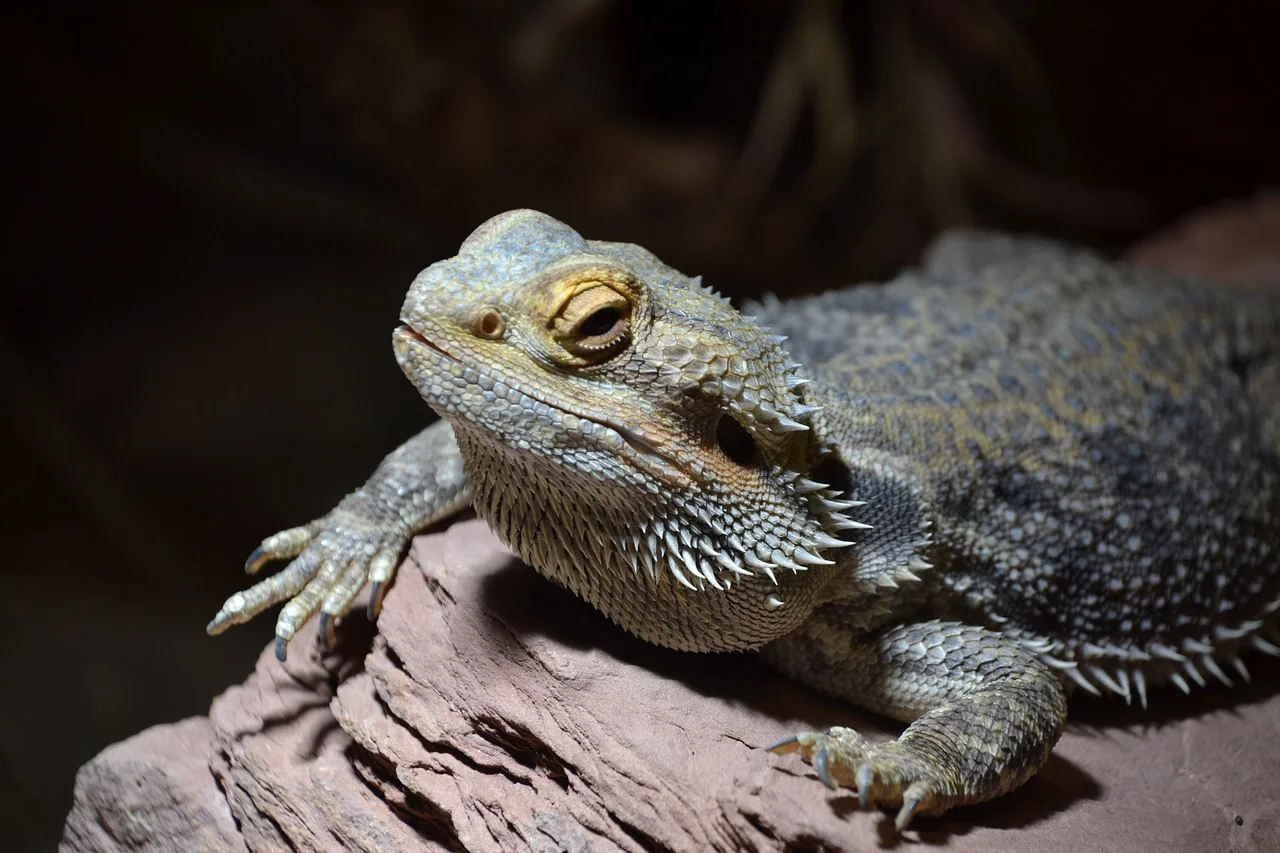
Bearded dragons, with their charming personalities and unique appearances, make wonderful pets. Ensuring their health and well-being is paramount to their longevity and happiness. One critical aspect of their care is weight management. Just like in humans, obesity in bearded dragons can lead to a myriad of health problems, significantly impacting their quality of life. This guide offers practical, actionable tips to help your bearded dragon achieve and maintain a healthy weight, ensuring they thrive for years to come. Proper weight management is not merely about aesthetics; it is about promoting a healthy and active lifestyle for your scaly companion.
Understanding Bearded Dragon Weight Problems
Before implementing any weight loss strategies, it’s essential to understand the nature of the problem. Recognizing the signs of an overweight bearded dragon is the first step towards addressing the issue effectively. This includes knowing how to assess your dragon’s physical condition and understanding the common factors that contribute to weight gain in these fascinating reptiles. Recognizing the indicators of weight issues is critical to providing timely intervention. By knowing what to look for and the underlying causes, owners can make informed decisions about their pet’s health.
Identifying an Overweight Bearded Dragon
Visual Assessment

Visually assessing your bearded dragon can provide initial clues. Observe their body shape; a healthy dragon should have a somewhat triangular body shape when viewed from above. If the dragon appears more rounded, especially around the abdomen and base of the tail, it could indicate excess weight. Look for fat deposits around the jowls and the base of the tail, as these are common areas where excess fat accumulates. Compare your dragon’s appearance to pictures of healthy bearded dragons to get a clearer picture. A general assessment of the dragon’s body condition score can be very helpful, where the vet could help you with the scoring assessment.
Weighing Your Dragon
Regularly weighing your bearded dragon is crucial for monitoring their weight. Invest in a digital kitchen scale that can accurately measure in grams. Weigh your dragon weekly, ideally at the same time of day, and record the results. This allows you to track any weight fluctuations and identify potential problems early. Remember, the weight of your dragon varies based on age, sex and overall body condition. The average weight for a healthy adult should be between 350-600 grams, but this can vary. Consult a veterinarian to determine the appropriate weight range for your specific dragon.

Common Causes of Bearded Dragon Weight Gain
Overfeeding
Overfeeding is the most common cause of weight gain in bearded dragons. Many owners tend to overfeed their dragons, especially with insects. The number of insects to feed your dragon varies depending on its age. Young, growing dragons need more protein than adults. Overfeeding results in excess calories, which the dragon stores as fat. Carefully monitor your dragon’s food intake, and adjust portions according to its age and activity level. Always ensure you feed your dragon the correct amount of insects to make sure it stays healthy.
Improper Diet
A diet lacking in nutritional balance is another significant contributor to weight gain. A diet that is too high in fatty insects, like mealworms, and lacking in fresh vegetables and greens can cause weight issues. Bearded dragons require a balanced diet consisting of insects, vegetables, and fruits. A diet that is too high in certain food types such as wax worms can also lead to issues with obesity. Make sure your dragon gets a good portion of greens daily to help provide it with essential nutrients and vitamins.

Lack of Exercise
Insufficient exercise is also a key factor. Bearded dragons need regular opportunities to move and be active to burn calories and maintain a healthy weight. A small or unstimulating enclosure can limit their activity levels, leading to weight gain. In addition to having a large habitat, provide opportunities to exercise outside of their enclosure. Supervise playtime outside the enclosure by providing areas to bask in the sun or explore. This will burn calories and increase their overall well-being. Exercise is essential for metabolic health, muscle tone, and overall health.
Effective Weight Loss Strategies for Bearded Dragons
Once you’ve identified that your bearded dragon needs to lose weight, implementing effective strategies is essential. This involves a combination of dietary adjustments and increased exercise, all designed to promote healthy weight loss without compromising their health. It is recommended to make small gradual changes to ensure the well-being of your dragon. If you’re unsure of any changes or adjustments, it’s always important to consult with your vet, they may recommend specific strategies.
Dietary Adjustments
Reducing Portion Sizes

One of the simplest yet most effective strategies is to reduce the portion sizes of the food you offer. Carefully measure the amount of insects and vegetables you give your dragon at each feeding. Start by reducing the amount slightly, and monitor their weight to see how they respond. Avoid free-feeding, especially with insects. A good rule of thumb is to offer insects appropriate to their size, only as much as they can eat in 10-15 minutes. Always provide fresh water, so the dragon doesn’t mistake hunger for thirst, and try to avoid overfeeding the dragon with food and treats.
Choosing the Right Insects
The type of insects you feed your bearded dragon can significantly impact their weight. Some insects, like mealworms and waxworms, are high in fat and should be given sparingly. Opt for healthier, lower-fat insects, like Dubia roaches, crickets, and black soldier fly larvae. These options provide essential nutrients without the excessive calories. Make sure the insects are gut-loaded with nutritious foods before feeding them to your dragon. Variety is critical. Always feed different insects to avoid nutritional deficiencies. Supplementing the insect diet with vitamins and minerals is essential.

Incorporating Vegetables and Greens
Increase the proportion of vegetables and greens in your dragon’s diet. Vegetables and greens are low in calories and high in fiber, helping your dragon feel full without adding extra weight. Offer a variety of leafy greens such as collard greens, mustard greens, and dandelion greens. Include other vegetables, such as bell peppers, squash, and carrots. Ensure the vegetables are washed and chopped into bite-sized pieces. Avoid feeding too many fruits, as they contain higher sugar levels. Always make sure you introduce the greens and vegetables to your bearded dragon as early as possible.
Increasing Exercise
Increasing your bearded dragon’s physical activity is critical. This helps burn calories and improves their overall fitness. Exercise is also important to prevent obesity in your bearded dragon. If there is not enough exercise, your bearded dragon will likely put on weight. Consider the habitat and environment you provide for the bearded dragon. Create a stimulating environment.
Creating an Enrichment-Rich Habitat
Enriching your bearded dragon’s habitat encourages exercise. Provide various climbing opportunities with branches, rocks, and platforms. This encourages the dragon to move around and explore its environment. Ensure the habitat size is appropriate for the dragon’s size, allowing them to move freely. Change the layout of the habitat regularly to provide novelty and stimulation. This will avoid boredom and stimulate exercise. Provide a basking spot at the right temperature, as it helps with digestion and metabolism.
Encouraging Movement
Encourage movement outside of the enclosure by providing safe supervised playtime. Allow your dragon to explore a secure area outside of its enclosure for short periods. Supervise them at all times to ensure their safety. If the weather permits, provide supervised outdoor time in a secure, sunlit area. Consider using a leash designed for reptiles if you want to give your dragon more freedom. Encourage natural behaviors like hunting for food by hiding insects in the enclosure.
Monitoring and Tracking Progress
Regularly tracking your bearded dragon’s weight loss journey is essential to ensure your strategies are effective. This involves a combination of regular weigh-ins and adapting the plan based on the results. Monitoring is essential for evaluating the effectiveness of the interventions and making necessary adjustments. Keeping records allows for a personalized and data-driven approach to your dragon’s weight management.
Regular Weigh-ins
Weigh your bearded dragon weekly using a digital scale. Record the weight in a log, along with the date and any changes to their diet or exercise routine. Consistent weigh-ins allow you to identify if there is any weight loss or any weight gain. Maintaining records allows you to notice any patterns or trends. Keeping records helps make sure your dragon is losing weight gradually, promoting long-term health. This is important, as quick weight loss can be unhealthy for your bearded dragon. Keep track of the results and note the changes that may have contributed to the outcome.
Adjusting the Plan Based on Results
Based on your monitoring, adjust your weight loss strategies. If your dragon isn’t losing weight, consider reducing the food portions further, switching to lower-fat insects, or increasing exercise opportunities. If your dragon is losing weight too quickly, increase the food slightly to slow the process. Consult with your veterinarian if you have any concerns or if your dragon’s weight isn’t changing despite your efforts. They can provide personalized advice. Tailor the strategies to what best suits your dragon’s needs and overall health. It is essential to adjust the plans for the overall well-being of the bearded dragon.
Potential Health Benefits of Weight Management
Successfully managing your bearded dragon’s weight offers numerous health benefits, including increased energy levels, improved lifespan, and a decreased risk of health complications. Achieving an ideal weight can significantly improve the quality of your bearded dragon’s life, ensuring it remains active and healthy. Weight management can result in numerous positive outcomes. It also helps prevent certain diseases, providing the dragon with a good life. All of this has a direct impact on the quality of life.
Increased Energy Levels

A healthy weight promotes increased energy levels in bearded dragons. Overweight dragons often experience lethargy and reduced activity. By helping your dragon lose weight, you’ll notice increased energy and interest in their environment. A more energetic dragon is a sign of a healthy, happy pet. A more active and agile dragon will be able to eat more and move around more freely.
Improved Lifespan
Maintaining a healthy weight can extend the lifespan of your bearded dragon. Obesity is associated with various health problems that can shorten a dragon’s life. Weight management helps reduce the risk of these issues, allowing your pet to live a longer, healthier life. By taking measures to keep the weight under control, you can increase the lifespan of your bearded dragon. Proper weight management ensures your dragon will be around for years to come.
Preventing Health Complications
Weight management helps prevent a range of health complications. Obesity can lead to liver disease, heart problems, and metabolic disorders in bearded dragons. By keeping your dragon at a healthy weight, you can minimize the risk of these health issues. Proper weight management also reduces stress on joints, making it easier for your dragon to move. Preventative care helps avoid costly vet bills and helps you avoid dealing with sick pets.
Consulting with a Veterinarian
Consulting with a veterinarian is crucial for effective weight management for your bearded dragon. A veterinarian can provide expert advice, diagnose underlying issues, and monitor your pet’s progress. This ensures that your dragon receives the best possible care. Veterinary expertise ensures that you can approach the weight loss safely. Consulting with your vet is important for proper care and the overall well-being of your bearded dragon. If you are unsure about anything, you should always consult your veterinarian for the best outcome.

When to Seek Professional Advice
It’s essential to consult a veterinarian if you suspect your bearded dragon is overweight or if they fail to lose weight despite your efforts. Also, seek professional advice if your dragon shows signs of illness, such as lethargy, loss of appetite, or difficulty moving. A veterinarian can rule out underlying health problems and provide specific recommendations. Consult with your vet to get the best diagnosis and treatment options. They can tailor the plan to your dragon’s health needs and overall well-being. Consulting with a professional will increase the success of your weight management plan.
Regular Check-ups
Schedule regular check-ups with a reptile veterinarian. During these visits, the vet can assess your dragon’s overall health, including its weight, and provide guidance on diet, exercise, and any necessary treatments. Regular check-ups can catch potential issues early. Regular visits will help catch potential issues early and offer you more treatment options. Following the veterinarian’s advice will provide your bearded dragon with a healthy life. The vet can help you formulate a long-term plan for continued care and health maintenance.
In conclusion, successful weight management is a key component of providing optimal health and well-being for your bearded dragon. By understanding the causes of weight gain, implementing the right strategies, and consistently monitoring progress, you can help your dragon achieve a healthy weight. Remember that patience, consistency, and the guidance of a veterinarian are crucial for success. Prioritizing your bearded dragon’s weight management is an investment in their long-term health, vitality, and the joy they bring to your life.