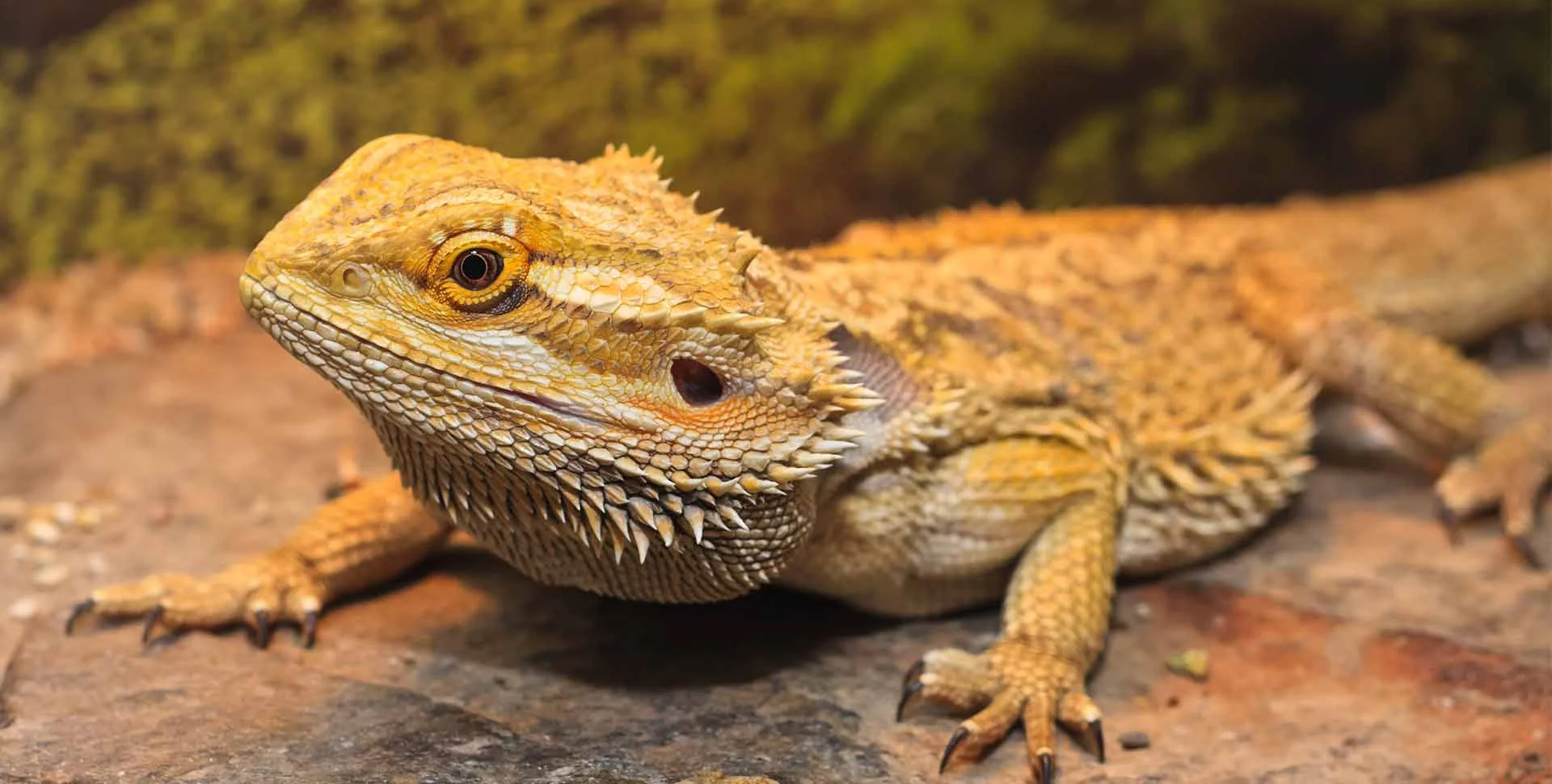
Owning a bearded dragon can be an incredibly rewarding experience, these fascinating reptiles require specific care to thrive. Providing proper vet care is essential for their health and well-being. This comprehensive guide offers essential advice on bearded dragon vet care, covering everything from choosing the right veterinarian to understanding common ailments and preventative measures. Ensuring your dragon receives the best possible care will contribute to a long, happy, and healthy life for your scaly friend.
Bearded Dragons Vet Care Understanding the Basics
Understanding the fundamentals of bearded dragon vet care is the first step toward responsible pet ownership. Regular vet visits are critical, just like with any other pet. These visits allow veterinarians to perform thorough checkups, identify potential health problems early on, and provide appropriate treatment. Moreover, a good relationship with a reptile vet can help you understand your dragon’s unique health needs and implement preventative care strategies. A proactive approach significantly reduces the likelihood of serious illnesses and ensures your dragon lives a comfortable life.
Choosing the Right Vet for Your Bearded Dragon
Finding a Reptile Veterinarian
Finding a veterinarian specializing in reptiles is crucial. Not all vets have experience with exotic animals, so it’s essential to seek out a qualified reptile veterinarian. Ask for recommendations from other reptile owners, check online reviews, and search for vets certified by the American Board of Veterinary Practitioners (ABVP) with a specialty in exotic companion animals. The right vet will possess the knowledge and equipment necessary to properly diagnose and treat your bearded dragon.
Questions to Ask Your Vet During the First Visit
When you find a suitable vet, prepare a list of questions for the first visit. Inquire about their experience with bearded dragons, the types of services they offer, and their approach to preventative care. Ask about the frequency of checkups, recommended vaccinations (if any), and what to do in case of an emergency. Furthermore, observe the vet’s handling of your dragon; a good vet will be gentle and knowledgeable, making the experience less stressful for your pet. Building trust and establishing clear communication with your vet will improve your dragon’s healthcare.
Common Bearded Dragon Ailments Early Detection

Early detection of health issues is paramount in managing bearded dragon ailments effectively. Recognizing the signs of illness can make a significant difference in treatment outcomes. Regularly observe your dragon for any changes in behavior, appetite, or appearance. Early signs of trouble may be lethargy, decreased appetite, unusual droppings, or changes in skin condition. If you notice any of these, consult your vet promptly. Early intervention frequently leads to less invasive treatment and a quicker recovery for your pet.
Respiratory Infections in Bearded Dragons
Symptoms of Respiratory Infections
Respiratory infections are common in bearded dragons. Symptoms include labored breathing, wheezing, nasal discharge, and open-mouth breathing. You might also notice your dragon lethargic, with reduced activity levels. If you suspect a respiratory infection, seek immediate veterinary care. Early diagnosis and treatment, which may involve antibiotics or supportive care, are essential to prevent complications. Keeping the enclosure clean, maintaining appropriate humidity levels, and avoiding drafts can help prevent these infections.

Treatment and Prevention of Respiratory Issues
Treatment typically involves antibiotics prescribed by your vet, along with supportive care like increased warmth and humidity to aid recovery. To prevent respiratory infections, ensure your dragon’s enclosure has adequate ventilation. Avoid overcrowding and maintain a clean environment. The ideal humidity range is crucial, and regular cleaning of the enclosure reduces the risk of bacterial and fungal growth that can trigger respiratory problems. Proactive measures and regular checkups will play a pivotal role in keeping your dragon’s respiratory system healthy.
Metabolic Bone Disease MBD Causes and Prevention
Recognizing the Signs of MBD
Metabolic Bone Disease (MBD) is a serious condition in bearded dragons caused by improper calcium and vitamin D3 metabolism. Signs of MBD include soft or rubbery jaws, bowed legs, lethargy, tremors, and difficulty moving. The disease is often a result of inadequate UVB lighting, calcium deficiency, or an imbalance in the calcium-to-phosphorus ratio in the diet. Early detection can improve the outcome of the condition, so it is important to be mindful of the signs that your dragon might be suffering from MBD.
Dietary Adjustments and Supplementation
Prevention and treatment of MBD involve ensuring proper UVB exposure (using a high-quality UVB bulb), providing a calcium-rich diet, and supplementing with calcium and vitamin D3 as recommended by your vet. Feed your dragon a varied diet that includes calcium-rich insects like crickets and mealworms dusted with calcium and vitamin D3 supplements. Regular monitoring and supplementation can prevent MBD and support your dragon’s skeletal health. Consult your vet for specific dietary recommendations tailored to your dragon’s needs.
Parasites in Bearded Dragons
Types of Parasites and How They Affect Your Dragon
Bearded dragons can be affected by various parasites, including protozoa (like coccidia), worms (such as pinworms), and mites. These parasites can cause a variety of symptoms, including weight loss, diarrhea, lethargy, and in severe cases, anemia. Parasites can negatively impact your dragon’s health by interfering with nutrient absorption and causing other complications. Routine fecal exams performed by your vet are vital to detect and treat parasitic infections.
Diagnosis and Treatment of Parasitic Infections
Your vet can diagnose parasitic infections through fecal exams, where they analyze your dragon’s droppings for the presence of parasites. Treatment depends on the type of parasite but often involves medication such as anti-parasitics. Maintaining a clean enclosure and proper hygiene is essential to prevent parasite infestations. Regularly clean and disinfect the enclosure, and quarantine new dragons to prevent the introduction of parasites to your established pet. Following your vet’s treatment plan carefully and maintaining a clean environment are key to eradicating parasites.
Gastrointestinal Issues in Bearded Dragons
Symptoms and Causes of GI Problems

Gastrointestinal (GI) issues are another common concern. Symptoms include loss of appetite, vomiting, diarrhea, and constipation. GI problems can stem from various causes, including improper diet, stress, infections, and foreign object ingestion. Providing a balanced diet, monitoring your dragon’s environment, and preventing stress can help to keep their digestive system healthy. It’s essential to consult a vet if you notice any unusual bowel movements or digestive upset, as these can be a sign of an underlying health problem.
Treatment and Management of GI Issues

Treatment for GI issues varies depending on the cause. Your vet may recommend dietary adjustments, medication, or supportive care such as fluid therapy. To manage GI problems, ensure your dragon’s diet is appropriate and does not contain anything toxic. Monitor your dragon’s environment, and minimize stress. Providing a clean, well-maintained enclosure and avoiding potential hazards like small toys your dragon might swallow is vital. Early intervention and veterinary care are crucial for optimal GI health.
Preventive Vet Care for Bearded Dragons
Preventative care is essential to keep your bearded dragon healthy and prevent many common ailments. Regular checkups, a proper diet, and a clean habitat are all critical aspects of preventative care. Routine vet visits will help identify and address any underlying health issues before they escalate. Proactive health management will enhance your dragon’s quality of life. Preventative care involves a holistic approach, including regular monitoring, and environmental management to support your dragon’s overall well-being.
Regular Checkups and Wellness Exams
Regular checkups are crucial for maintaining your bearded dragon’s health. Annual or bi-annual checkups, depending on your vet’s recommendation, are essential. During these visits, your vet will perform a physical examination, check for signs of illness, and discuss any concerns you may have. Early detection through checkups significantly increases the chance of successful treatment for any health issues. These checkups also provide an opportunity for your vet to offer advice on preventative care, such as dietary recommendations and environmental adjustments. Don’t underestimate the value of regular wellness exams for your dragon’s health.
Importance of Fecal Exams

Fecal exams are a critical part of preventative care. These exams help detect internal parasites that can be detrimental to your dragon’s health. Your vet will collect a fecal sample and examine it under a microscope to identify any parasites. Early detection enables prompt treatment, preventing more serious health complications. Fecal exams are a routine and non-invasive procedure that will give valuable insight into your dragon’s digestive health. Regularly scheduled fecal exams and routine vet visits can significantly increase the lifespan of your dragon.
Creating a Healthy Habitat
Creating a healthy habitat is vital for your bearded dragon’s well-being. This includes providing a suitable enclosure size, appropriate substrate, proper heating, and humidity levels, and sufficient UVB lighting. A clean and well-maintained habitat minimizes the risk of disease and supports your dragon’s overall health. Ensure the enclosure is large enough to accommodate your dragon’s growth and provide enrichment opportunities. Regularly cleaning the enclosure and replacing the substrate is crucial to prevent the buildup of bacteria and parasites, which can lead to health issues.
Diet and Nutrition Guidelines

A balanced diet is fundamental to a bearded dragon’s health. Offer a varied diet consisting of insects, vegetables, and occasional fruits. The diet should be tailored to your dragon’s age and health needs. Young dragons require a higher proportion of insects, while adults can consume more vegetables. Be sure to dust insects with calcium and vitamin supplements to prevent deficiencies. Avoid offering foods that are toxic or difficult to digest. Consulting your veterinarian about the best diet for your dragon will help you ensure they receive optimal nutrition, contributing to their overall health and longevity.
In conclusion, responsible bearded dragon ownership involves understanding their specific health needs and providing diligent veterinary care. By selecting a qualified reptile veterinarian, being proactive in detecting and addressing potential ailments, and implementing preventative measures, you can significantly improve your dragon’s quality of life. Regular checkups, a healthy habitat, and a balanced diet are integral to ensuring your bearded dragon lives a long, happy, and healthy life. Prioritizing these aspects of care is an investment in your pet’s well-being and your enjoyment of their companionship.
