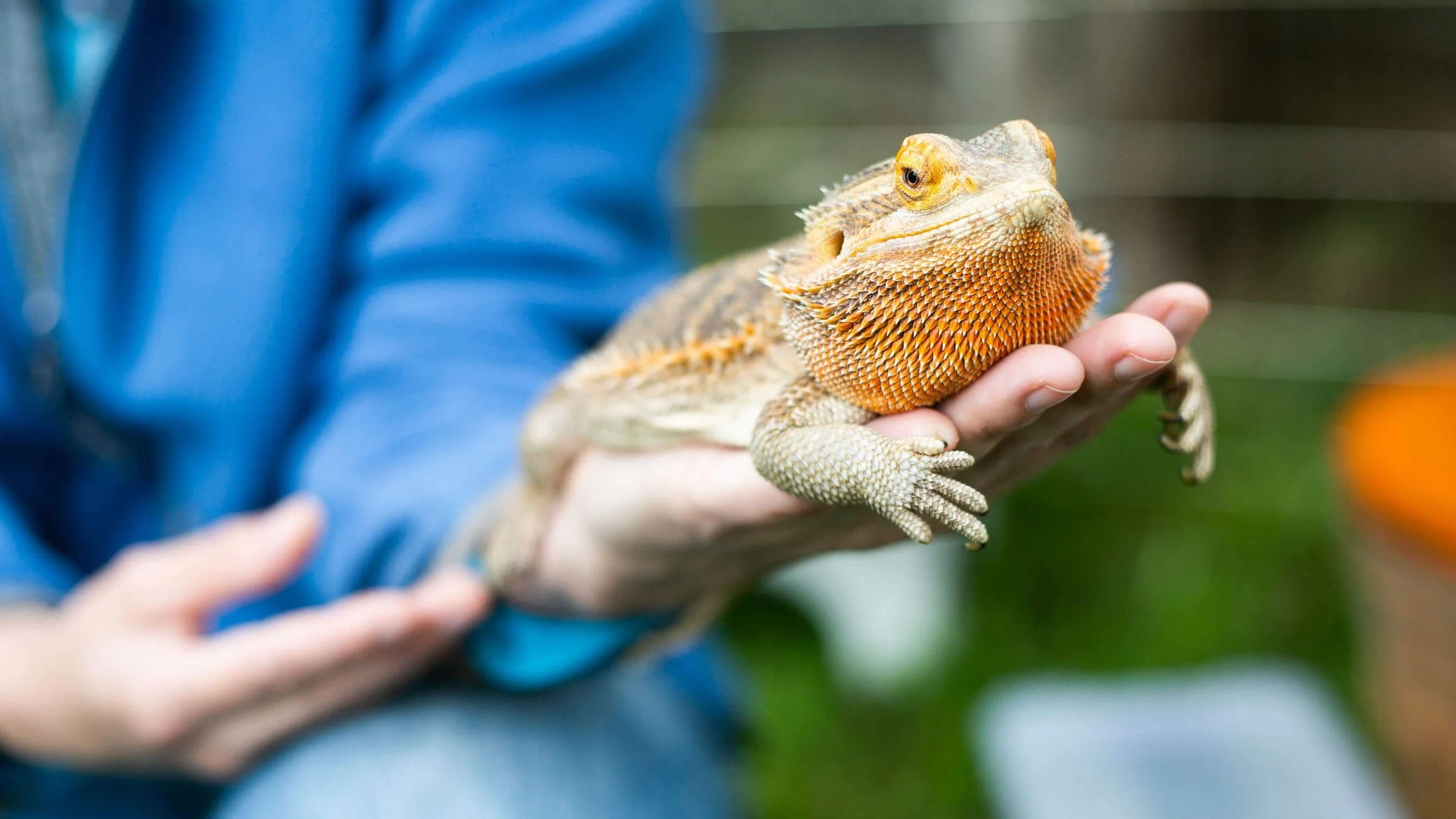
Top 7 Bearded Dragon Care Secrets
Bearded dragons, with their charming personalities and fascinating appearance, have become popular pets. But providing the right care is crucial for their long-term health and happiness. This guide unveils the top 7 secrets to ensuring your bearded dragon thrives, covering everything from habitat setup to health monitoring. By understanding and implementing these strategies, you can create a thriving environment for your scaly companion and enjoy many years of companionship. Let’s dive into the essential care practices that will help your bearded dragon flourish.
Proper Habitat Setup
The foundation of a healthy bearded dragon lies in its habitat. A well-designed enclosure mimics their natural environment and provides the necessary conditions for their physical and psychological well-being. This includes the right tank size, optimal temperature gradients, a proper basking spot, and essential UVB lighting. Setting up the right habitat from the beginning is the most important thing you will do for your bearded dragon.
The Right Tank Size
Provide a spacious enclosure; a 40-gallon breeder tank (36x18x18 inches) is often recommended for juvenile bearded dragons. Adults will need a larger space, a 75-gallon tank (48x18x21 inches) or even larger is ideal. The larger space allows for better temperature gradients and provides room for exploration and activity, which is vital for their overall health and well-being. The bigger the better for these lizards.
Optimal Temperature Gradient
Bearded dragons are ectothermic, meaning they rely on external sources to regulate their body temperature. A proper temperature gradient is critical, with a basking spot around 95-110°F (35-43°C), a warm side around 85-90°F (29-32°C), and a cool side around 75-80°F (24-27°C). Use thermometers to monitor these temperatures accurately, ensuring a safe and comfortable environment. Failure to maintain the correct temperature can cause health problems such as lack of appetite, sluggishness, and even metabolic bone disease.
Basking Spot Essentials
The basking spot is crucial for thermoregulation and digestion. Provide a flat, elevated surface like a rock, log, or platform directly under the basking lamp. This allows your bearded dragon to absorb heat efficiently. Make sure the basking spot is far enough from the heat lamp to prevent burns but close enough to reach the desired temperature. Also, ensure the lamp is rated for reptile use and is securely mounted.
UVB Lighting Importance
UVB lighting is essential for bearded dragons to synthesize vitamin D3, which is crucial for calcium absorption and bone health. Without UVB, they can develop metabolic bone disease, a potentially fatal condition. UVB also contributes to their overall well-being and natural behaviors. The correct bulb and setup are the biggest keys here to a long and happy life for your lizard.
Choosing the Right UVB Bulb
Select a UVB bulb specifically designed for reptiles, and replace it according to the manufacturer’s instructions, usually every 6-12 months, as the UVB output degrades over time. T5 HO (High Output) fluorescent UVB bulbs are often recommended. Place the UVB bulb appropriately in relation to the basking spot, ensuring that the dragon can get within the recommended distance for proper UVB exposure. Avoid using glass or plastic between the bulb and the enclosure, as these materials can block UVB rays.
Diet and Nutrition
A balanced diet is essential for a bearded dragon’s long-term health. This includes a variety of insects, vegetables, and occasional fruits. The nutritional content of the food directly impacts their growth, energy levels, and overall health. Proper nutrition is absolutely critical to ensure they thrive throughout their lifespan. A healthy diet will allow your bearded dragon to live a long life.
The Importance of a Balanced Diet
A balanced diet should consist of approximately 80% insects for juveniles (under 1 year old) and 20% vegetables, while adults should have a diet of roughly 50-60% vegetables and 40-50% insects. Variety is key. Ensure your bearded dragon is getting the appropriate mix of nutrients to support healthy growth and function. This includes protein, vitamins, and minerals.
Feeding Insects and Vegetables
Offer a variety of insects, such as crickets, dubia roaches, and mealworms. Dust insects with calcium and vitamin D3 supplements to prevent metabolic bone disease. For vegetables, provide a mix of leafy greens, such as collard greens, mustard greens, and turnip greens, as well as other vegetables like squash and bell peppers. Avoid feeding them too much fruit, as it can lead to digestive issues. Always ensure the food is fresh and cleaned before feeding.
Water and Hydration
Proper hydration is crucial for all animals, and bearded dragons are no exception. They need fresh water daily to stay healthy and active. Dehydration can lead to numerous health problems, so consistent access to clean water is vital for their wellbeing. Be mindful of how much water they consume each day and adjust accordingly.
Providing Fresh Water Daily


Provide a shallow water dish that is easily accessible and safe for your bearded dragon. Change the water daily to keep it clean and prevent the growth of bacteria. Place the water dish in a location where it won’t be contaminated with food or waste. Some bearded dragons prefer to drink from a dripper, misting the enclosure, or even a water bowl. Experiment to see what your dragon likes.

Recognizing Dehydration Signs
Signs of dehydration include sunken eyes, wrinkled skin, and lethargy. If you notice these signs, increase the frequency of water changes and provide additional hydration by misting the enclosure or offering water via syringe or dropper. If the dehydration is severe, seek veterinary attention immediately. Ensuring your bearded dragon stays hydrated can greatly improve their quality of life.
Handling and Socialization
Regular handling and socialization are essential for building a bond with your bearded dragon and reducing stress. This helps them to become comfortable with human interaction, which promotes their mental and emotional well-being. Proper handling techniques are key to ensure both your safety and your bearded dragon’s comfort. Handle them often and consistently.
Gentle Handling Techniques
Always approach your bearded dragon slowly and gently. Support their entire body, including their belly and limbs, to avoid causing them to feel insecure. Avoid grabbing them from above, as this can be perceived as a threat. Handle them for short periods initially and gradually increase the duration as they become more comfortable. A scared bearded dragon will run away or even bite, so take things slow.
Building Trust
Building trust takes time and patience. Speak to your bearded dragon in a calm, soothing voice while handling them. Offer treats like insects or vegetables to associate you with positive experiences. Consistent and positive interactions will help your bearded dragon associate you with safety and comfort, strengthening the bond between you and your pet, and reducing stress.
Health Monitoring and Veterinary Care
Regular health monitoring and veterinary care are crucial for detecting and addressing any health issues early on. This includes regular checkups, observing your bearded dragon’s behavior, and identifying signs of illness. Early detection and treatment can significantly improve the chances of recovery and maintain their overall well-being. Always have a vet that specializes in exotic animals.
Regular Vet Checkups

Schedule annual checkups with a veterinarian specializing in reptiles. During the checkup, the vet will examine your bearded dragon’s overall health, check for parasites, and assess their weight and body condition. They can also provide valuable advice on diet, husbandry, and any potential health concerns. Maintaining this routine is critical for maintaining your bearded dragon’s health.
Identifying Common Health Issues

Learn to recognize common health issues, such as metabolic bone disease, respiratory infections, and parasites. Watch for signs such as lethargy, loss of appetite, unusual droppings, swelling, and difficulty breathing. If you observe any of these signs, consult with your veterinarian immediately. The sooner the treatment starts, the better your bearded dragon will be.


Cleaning and Maintenance
Regular cleaning and maintenance of the enclosure are essential for preventing the buildup of bacteria and maintaining a healthy environment. A clean habitat minimizes the risk of illness and promotes the overall well-being of your bearded dragon. Proper cleaning and maintenance also makes the enclosure more pleasant for you to enjoy.
Regular Tank Cleaning
Spot clean the enclosure daily by removing feces and uneaten food. Perform a thorough cleaning of the entire enclosure at least once a month. Remove all substrate and decorations, wash the tank with reptile-safe disinfectant, rinse thoroughly, and replace the substrate and decorations. This regular cleaning schedule will help maintain a clean and healthy environment for your pet.
Substrate Choice and Changes
Choose a safe substrate that is easy to clean and doesn’t pose a risk of impaction (ingestion causing blockage). Recommended substrates include paper towels, reptile carpet, or tile. Avoid loose substrates like sand, especially for younger dragons, as they can accidentally ingest it. The substrate should be replaced as part of the monthly deep cleaning to eliminate bacteria buildup.
Enrichment and Stimulation
Provide enrichment and stimulation to keep your bearded dragon engaged and prevent boredom. This can include various activities, toys, and environmental elements that mimic their natural behaviors. This can reduce stress and enhance their quality of life, making your bearded dragon a happy, healthy companion.
- Provide climbing branches and rocks
- Offer toys
- Introduce new insects
- Supervised outdoor time
By following these top 7 care secrets, you can significantly improve your bearded dragon’s quality of life and ensure they thrive for years to come. Remember that consistency, observation, and proactive care are key to their health and happiness. Enjoy the rewarding experience of owning these wonderful creatures!