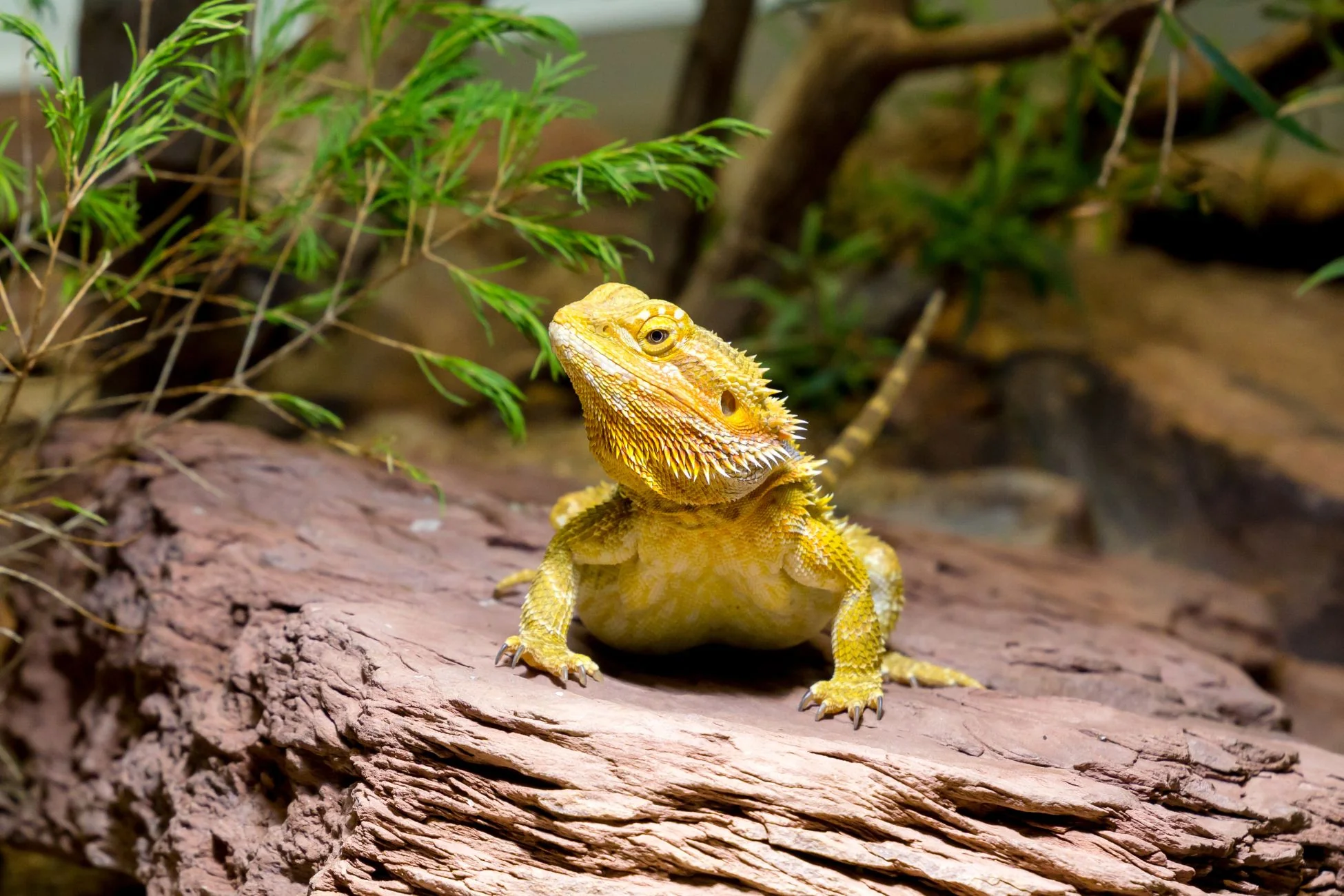
Understanding Bearded Dragon Lighting Needs
Bearded dragons, native to the harsh, sun-drenched environments of Australia, thrive on specific lighting conditions. Their health and well-being are intrinsically linked to the quality and type of light they receive in captivity. Failing to provide adequate lighting can lead to a host of health problems, including metabolic bone disease, lethargy, and a weakened immune system. Understanding these lighting needs is the first step toward creating a healthy and happy habitat for your bearded dragon. This understanding encompasses more than just providing light; it’s about replicating the natural conditions that these reptiles have evolved to depend on.
Why is Proper Lighting Crucial
Proper lighting is not merely a cosmetic requirement for bearded dragons; it is fundamental to their survival. It directly impacts their ability to synthesize vitamin D3, which is essential for calcium absorption. Without sufficient UVB light, bearded dragons cannot process calcium properly, leading to metabolic bone disease, a debilitating condition that weakens their bones and can eventually lead to paralysis or death. Furthermore, adequate lighting supports their immune system, aids in digestion, and influences their behavior, including feeding and breeding. Therefore, the right setup plays an essential role in overall health.

Benefits of Simulating Natural Sunlight

Simulating natural sunlight provides numerous benefits to your bearded dragon. It helps regulate their circadian rhythm, the internal clock that controls their sleep-wake cycle, and other physiological processes. Exposure to UVB light promotes the production of vitamin D3, critical for calcium absorption, as mentioned earlier. The heat from basking spots helps them digest food efficiently and boosts their metabolism. Mimicking the natural environment encourages natural behaviors, such as basking and foraging. This simulation goes beyond just health; it contributes to the psychological well-being of your pet, ensuring they are active, alert, and less stressed.
Top 5 Lighting Setup Tips for Bearded Dragons
UVB Lighting Essentials

UVB lighting is arguably the most critical aspect of a bearded dragon’s lighting setup. UVB rays are essential for vitamin D3 synthesis, crucial for calcium absorption and bone health. Without adequate UVB exposure, your dragon cannot properly utilize the calcium in its diet. The type and intensity of the UVB bulb, along with its placement and duration of use, are all vital considerations. Selecting the right bulb and providing correct placement will prevent health problems like metabolic bone disease. It is important to provide a source of UVB light that is specifically designed for reptiles.
Choosing the Right UVB Bulb
When choosing a UVB bulb, select one specifically designed for reptiles. There are different types available, including fluorescent tubes and compact fluorescent bulbs, and mercury vapor bulbs. Fluorescent tubes often provide a wider distribution of UVB light, while compact bulbs may offer a more concentrated beam. The strength of the bulb is measured in a UVB percentage. Research the specific UVB needs of your bearded dragon, considering factors like the size of the enclosure and the distance between the bulb and the basking spot. Always follow the manufacturer’s recommendations for bulb placement and replacement schedules. Ensure you choose a bulb that is appropriate for your enclosure’s dimensions and the dragon’s needs.
Placement and Distance of UVB Bulbs
The placement and distance of the UVB bulb are crucial for its effectiveness. The UVB rays’ intensity decreases with distance, so the proper placement ensures your dragon receives adequate UVB exposure. Generally, the basking spot should be within a specific range of the UVB source, as recommended by the bulb manufacturer. If using a fluorescent tube, it’s often mounted across the top of the enclosure. Compact fluorescent bulbs are commonly placed above the basking spot. Avoid placing the bulb too far away, as the UVB rays will not be strong enough. It is also important to avoid placing the bulb too close, which can cause eye or skin problems. Regularly check the bulb’s distance from the basking spot to guarantee optimal UVB exposure.
Temperature Gradients and Basking Spots
Creating a temperature gradient is essential for bearded dragons. They need areas of varying temperatures to regulate their body temperature and efficiently digest food. A basking spot provides the highest temperature, allowing them to warm up, while cooler areas in the enclosure allow them to cool down. This gradient is vital for their overall health and well-being. It also allows them to thermoregulate, which is their way of controlling their internal body temperature. The basking spot and overall temperature gradient are crucial aspects of the environment.
Creating the Basking Spot
The basking spot should be the warmest area in the enclosure, ideally around 100-110°F (38-43°C) for adults, and slightly warmer for juveniles. This spot is typically created using a heat lamp, and the exact temperature should be measured using a digital thermometer with a probe. Place a basking rock, branch, or platform under the heat lamp to allow your dragon to bask comfortably. Make sure the basking surface is far enough from the heat source to prevent burns. Regularly monitor the basking spot temperature to ensure it remains within the safe and appropriate range for your bearded dragon. Creating a safe basking spot will promote healthy behavior.
Monitoring Temperatures
Regularly monitoring temperatures throughout the enclosure is vital. Use two digital thermometers, one with a probe to measure the basking spot temperature and another to measure the cooler side of the enclosure. This allows you to ensure that a proper temperature gradient is maintained. The cooler side should typically be around 75-85°F (24-29°C). Check the temperatures daily to make sure they are consistent. Make adjustments to the heat lamp or ventilation as needed to maintain the correct temperature range. Keeping a close watch on the temperature ensures your dragon remains healthy.
Heat Sources and Their Importance
Heat sources, primarily heat lamps, are essential for providing the necessary basking temperature for bearded dragons. These lamps not only warm the environment but also help your dragon regulate its body temperature, which affects its metabolism, digestion, and activity levels. Choosing the appropriate heat source and ensuring its correct placement are key to your dragon’s well-being. Without a proper heat source, your dragon may become sluggish, have difficulty digesting food, and suffer from a weakened immune system. Providing the right heat source is a crucial part of keeping your dragon healthy.
Different Types of Heat Lamps
Various heat lamps are available, including incandescent bulbs, ceramic heat emitters, and halogen bulbs. Incandescent bulbs are readily available and provide both heat and visible light, which is beneficial. Ceramic heat emitters produce heat but no light and are useful for nighttime heating without disturbing the dragon’s sleep cycle. Halogen bulbs are also an option and can provide an intense basking spot. Consider the size of your enclosure, your dragon’s needs, and the ambient temperature of your home when selecting a heat lamp. Always make sure the lamp is specifically designed for reptile use and that it emits the correct type of heat.
Safe Heat Lamp Practices
Safe heat lamp practices are crucial to prevent burns or other injuries. Always use a lamp fixture designed for reptile use, and ensure the lamp is securely mounted. Keep the lamp out of reach of your dragon to prevent accidental contact and burns. Regularly inspect the lamp and fixture for any signs of damage or wear. Use a thermostat to regulate the temperature and prevent overheating. Place a protective cover or guard around the heat lamp, especially if it’s within reach of your dragon. Following these safety precautions is important to ensure the health and well-being of your pet.
Supplemental Lighting Options
In addition to UVB and heat lamps, other supplemental lighting options can enhance your bearded dragon’s environment. Full-spectrum bulbs emit a wider range of light wavelengths, which can mimic natural sunlight more closely. While not a replacement for UVB, they can contribute to the overall well-being of your dragon. LED lights are another option and are energy-efficient and can be used to provide ambient light in the enclosure. Consider these supplementary lights in combination with UVB and heat lamps to create a well-rounded lighting environment for your dragon.
Full-Spectrum Bulbs for Enhanced Wellbeing
Full-spectrum bulbs emit a wider range of light wavelengths, including those in the visible spectrum, which can enhance your bearded dragon’s well-being. They can make the enclosure more visually appealing and can also help stimulate natural behaviors. These bulbs can be used in combination with other lighting sources to create a more enriching environment. By providing a full-spectrum light, you are helping to create a more natural and stimulating environment for your bearded dragon.
Timing and Duration of Lighting
The timing and duration of the lighting cycle are critical for your bearded dragon’s health. Mimicking the natural day-night cycle is essential for regulating their circadian rhythm and overall well-being. The correct light cycle helps regulate their sleep-wake cycles and supports their natural behaviors.
Daily Light Cycle
Provide 12-14 hours of UVB and heat during the day, and then turn off all lights at night to simulate a natural day-night cycle. This daily cycle helps regulate their internal clock and supports their natural behaviors. Using a timer is highly recommended to ensure the cycle is consistent. Maintaining a consistent light cycle is essential for promoting health and well-being. Avoid sudden changes or disruptions in the lighting schedule to minimize stress.

Seasonal Adjustments
You may consider making slight adjustments to the lighting schedule based on the season. During the shorter days of winter, you may extend the light cycle slightly, and decrease it during the longer days of summer. However, consistency is more important than extreme seasonal variations. Observe your dragon’s behavior and adjust the cycle as needed. Maintaining a consistent light cycle will provide a healthy and happy environment.
Maintaining and Replacing Bulbs


Regular maintenance and timely replacement of bulbs are critical for maintaining optimal lighting conditions. UVB bulbs, in particular, have a limited lifespan and lose their effectiveness over time, even if they still emit light. Keeping track of your bulbs’ usage and knowing when to replace them will ensure your bearded dragon always receives the necessary amount of UVB and heat.
UVB Bulb Lifespan and Replacement
UVB bulbs typically need to be replaced every 6-12 months, depending on the type and manufacturer’s recommendations. The bulb may still emit light, but the UVB output diminishes over time. Note the date you install the bulb and keep track of the hours of use. Regular replacement ensures your dragon continues to receive the necessary UVB exposure for vitamin D3 synthesis. Replace the bulb at the recommended intervals, even if it seems to be working fine. This maintenance is essential for health.
Heat Lamp Maintenance

Heat lamps usually have a longer lifespan, but they should still be checked regularly for wear and tear. Replace them when they burn out or show signs of damage. Keep the fixture clean and free of dust, which can reduce heat output. Make sure to regularly inspect the lamp and fixture for any damage. Following these basic maintenance procedures will help to ensure efficient operation. Regular maintenance ensures your dragon’s basking spot temperature remains consistent and safe.
Troubleshooting Common Lighting Issues
Even with the best setup, you may encounter lighting issues. Recognizing and addressing these problems promptly is essential to your bearded dragon’s health. Being aware of common issues, such as overheating or signs of insufficient UVB exposure, allows you to take corrective action, ensuring your dragon remains healthy and comfortable. Addressing issues quickly minimizes potential health concerns.
Overheating and Its Prevention
Overheating can be dangerous for bearded dragons and can lead to heatstroke. Signs of overheating include panting, lethargy, and seeking cooler areas of the enclosure. To prevent overheating, monitor the basking spot temperature with a thermometer and make sure the enclosure has a proper temperature gradient. Ensure there is adequate ventilation in the enclosure. If the enclosure becomes too hot, adjust the heat lamp’s wattage or move the lamp further away from the basking spot. Provide a cooler area in the enclosure to allow your dragon to escape the heat. Constant monitoring and providing a balanced environment are crucial.
Signs of Insufficient UVB Exposure
Insufficient UVB exposure can manifest in various ways, including lethargy, loss of appetite, and metabolic bone disease. Early signs of metabolic bone disease include a hunched posture, swollen limbs, and difficulty moving. If you suspect your bearded dragon is not receiving enough UVB, check the bulb’s age, the distance from the basking spot, and the overall setup. Ensure the bulb is the correct type and wattage for your dragon and that it is positioned correctly. Replace bulbs as needed, and consult a veterinarian if you notice any signs of illness or disease. A healthy dragon will show good bone structure, activity, and appetite.
Conclusion
Providing proper lighting for your bearded dragon is a critical responsibility for any reptile owner. It’s not merely about providing light; it’s about creating a micro-environment that mirrors the natural conditions of their native habitat. By understanding your dragon’s specific lighting needs, choosing the right equipment, and implementing a consistent lighting schedule, you are ensuring their health and well-being. Always monitor your dragon’s behavior and consult with a veterinarian if you have any concerns. Correct lighting creates a thriving environment that supports your bearded dragon’s health and happiness.