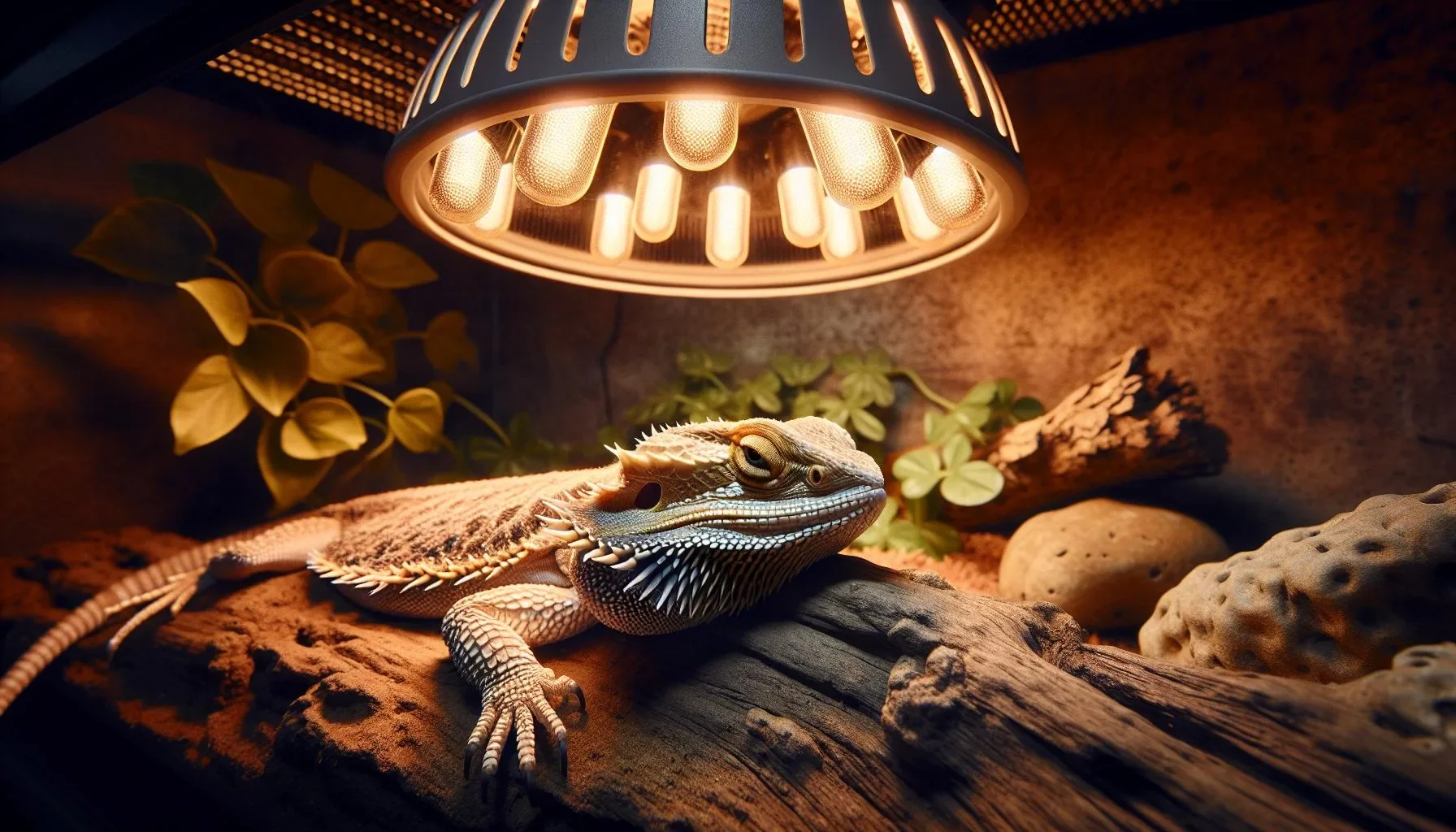
Choosing the Right Heating System for Your Bearded Dragon
Providing the correct heating is absolutely crucial for the health and well-being of your bearded dragon. These fascinating reptiles are ectothermic, meaning they rely on external heat sources to regulate their body temperature. A properly heated enclosure allows them to digest food effectively, maintain a healthy metabolism, and boost their immune system. Without the right heating, your bearded dragon could suffer from a range of health issues, including metabolic bone disease, digestive problems, and a weakened immune system, all of which can significantly shorten their lifespan and impact their quality of life.
Understanding Bearded Dragon Heating Needs
Understanding a bearded dragon’s specific heating needs is the first step in creating a healthy environment. This involves considering the critical role of temperature and humidity. The temperature gradient within the enclosure is essential, with a basking spot offering the highest temperature, a cooler side for thermoregulation, and an overall ambient temperature. Humidity levels must also be monitored, as too much or too little can cause health problems. Regular temperature and humidity checks are crucial to ensure the wellbeing of your pet.
Importance of Proper Temperature
Bearded dragons thrive within a specific temperature range. The basking spot should reach 95-110°F (35-43°C), while the cooler side of the enclosure should be around 75-85°F (24-29°C). Nighttime temperatures can drop to 65-75°F (18-24°C). Accurate temperature control is crucial for digestion, metabolism, and overall health. Temperatures that are too low can lead to lethargy, loss of appetite, and a weakened immune system. Conversely, excessively high temperatures can lead to overheating and dehydration. Maintaining this gradient allows your bearded dragon to thermoregulate effectively, moving between warmer and cooler areas to manage its body temperature.
Impact of Humidity
Humidity also plays a significant role in a bearded dragon’s health, although to a lesser degree than temperature. Ideally, humidity levels should be maintained between 30-40%. Too much humidity can lead to respiratory infections and fungal growth, while insufficient humidity can cause dehydration and shedding problems. Monitoring humidity levels with a hygrometer is essential. Misting the enclosure occasionally, providing a shallow water dish, and ensuring good ventilation can help maintain the correct humidity levels, supporting your bearded dragon’s overall health and well-being. Ensure your enclosure has proper ventilation to prevent moisture buildup.
Top 5 Heating System Choices for Bearded Dragons
Choosing the best heating system for your bearded dragon depends on several factors, including enclosure size, your budget, and your personal preferences. Several effective options are available. Each type of heating system has its pros and cons. Consider the various factors when deciding which heating system suits your beardie’s needs.
Basking Bulbs
Basking bulbs are a common and essential part of any bearded dragon’s setup, providing a focused heat source for basking. They mimic the sun’s rays, allowing the reptile to absorb essential UVB radiation, which is critical for calcium absorption and bone health. Selecting the right basking bulb is essential for meeting your pet’s temperature requirements, promoting proper digestion, and maintaining a healthy lifestyle. The most common options are incandescent and halogen bulbs, each providing a unique heating experience, and can be chosen based on your preferences and needs.
Types of Basking Bulbs
Incandescent bulbs are a cost-effective choice, offering a warm, concentrated heat source. Halogen bulbs, on the other hand, offer brighter light and more focused heat, often producing a more intense basking spot. Consider the size of the enclosure and the distance between the bulb and the basking spot. UVB bulbs are also important as they allow the production of vitamin D3, which is essential for the absorption of calcium. These bulbs are often combined with basking bulbs to provide a complete heating and lighting setup for your bearded dragon’s well-being.
Wattage Considerations
The wattage of the basking bulb will depend on the size of the enclosure and the desired basking spot temperature. Start with a lower wattage bulb and monitor the temperature using a thermometer. Adjust the wattage as needed to achieve the optimal basking temperature of 95-110°F (35-43°C). Be sure to position the bulb at a safe distance to prevent burns. Regularly check the bulb to make sure it’s functioning correctly and replace it when necessary. Furthermore, always ensure there is a temperature gradient within the enclosure, where your pet can move to cooler spots to regulate its body temperature.
Ceramic Heat Emitters (CHE)

Ceramic Heat Emitters (CHE) are an excellent choice for providing a constant, reliable source of heat without emitting any light. This makes them ideal for nighttime heating, as they won’t disrupt your bearded dragon’s sleep cycle. CHEs come in a variety of wattages, allowing you to customize the heat output to meet your pet’s needs. Proper placement, along with careful monitoring of temperatures, ensures the safety and effectiveness of these devices. CHEs help maintain the correct ambient temperature. It’s essential to use a thermostat with a CHE to prevent overheating. These devices are valuable in providing 24/7 heating.
Advantages of CHEs
The primary advantage of CHEs is their ability to provide consistent heat without light. This is particularly beneficial for maintaining nighttime temperatures, ensuring the bearded dragon stays warm without disrupting its sleep cycle. They are also long-lasting and energy-efficient, making them a cost-effective solution. CHEs are safe when used correctly and are easily combined with a thermostat. They offer a reliable heating solution suitable for any environment. With a CHE, you can consistently maintain the right temperature levels for a happy and healthy pet.
Placement and Safety
Proper placement is critical for the safe use of CHEs. Always mount the CHE in a ceramic fixture, ideally above the enclosure, away from direct contact with the bearded dragon. Use a protective cage or wire mesh to prevent burns. It is important to monitor the temperature with a digital thermometer and always use a thermostat to regulate the CHE’s output. Regular inspection of the CHE and fixture is important. Always ensure that it functions correctly and replace any damaged parts immediately. Prioritize safety to prevent burns or overheating for your pet.
Infrared Heat Lamps

Infrared heat lamps provide a deep-penetrating heat that helps to warm the bearded dragon’s muscles and tissues. This type of heating is great for promoting blood flow and circulation. They are designed to be energy-efficient, and they often last longer than traditional bulbs. They also come in a variety of wattages and sizes. This allows you to tailor your setup to your specific needs. These lamps emit a reddish glow. While many dragons adapt to this, it can be disruptive to their sleep. This is something that you should take into consideration.
Benefits of Infrared Lamps
The main advantage of infrared heat lamps is their ability to provide deep heat. The heat penetrates the dragon’s body more effectively. This can be beneficial for improving circulation and muscle function. They are available in different sizes and wattages. They allow you to adjust the heat intensity to meet your pet’s needs. This style of heating is considered an efficient solution for keeping your bearded dragon happy and healthy. Many reptile owners choose this type of heat lamp for this reason.
Considerations for Use
When using infrared heat lamps, consider their intensity. Ensure the lamp is positioned at a safe distance from the bearded dragon to avoid burns. Use a thermometer to carefully monitor the temperature, and regulate it with a thermostat. Some bearded dragons might find the red light emitted by the lamp disruptive. Always make sure there are areas in the enclosure where the dragon can escape the direct heat. Also, provide proper ventilation. By taking these precautions, you can ensure the safe and effective use of infrared heat lamps.
Under Tank Heaters (UTH)
Under Tank Heaters (UTHs) are placed under the tank and provide heat through the floor of the enclosure. UTHs are a good option for maintaining a warm ambient temperature. This heat type is best used in conjunction with other heating methods, such as a basking bulb. They are often used to create a warm zone in the enclosure. However, they should not be the only source of heat. A UTH alone may not provide a sufficient temperature gradient.
When to Use UTHs
UTHs are most effective at supplementing other heating methods, especially in environments where ambient temperatures are low. They are particularly useful for creating a warm zone, which can be beneficial for the bearded dragon’s digestion. Always use a thermostat to regulate the UTH’s output, preventing overheating. Monitor the temperature of the surface to make sure it’s within the safe range. UTHs can be a valuable addition to the heating setup. They can promote the overall health of your bearded dragon.
UTH Safety Precautions
The primary concern with UTHs is the risk of burns if the bearded dragon comes into direct contact with the heated surface. Always place the UTH outside the enclosure, under the tank, and avoid covering more than one-third of the floor space to ensure a temperature gradient. Use a thermostat to regulate the UTH’s output, and always monitor the temperature with a digital thermometer. Do not use UTHs with glass enclosures, as the concentrated heat can cause the glass to crack. By following these precautions, you can use UTHs safely.
Heat Mats
Heat mats are similar to UTHs and offer a convenient way to provide gentle, consistent heat. They are often used to maintain a warmer ambient temperature in a part of the enclosure. These mats are great for use as an additional heat source. They can assist your bearded dragon’s digestion. Heat mats are a simple, energy-efficient solution. They are also relatively affordable. A heat mat is a great way to create a comfortable environment for your pet. It allows them to thrive.
Heat Mat Placement
Heat mats should be placed under the enclosure, or on the side of the enclosure. The goal is to heat the surroundings without directly heating the dragon. When placing the mat, follow the same guidelines as UTHs, ensuring it covers less than one-third of the enclosure’s floor space. Ensure the heat mat is securely positioned. Use a thermostat to regulate the temperature. Monitor the enclosure temperature with a digital thermometer to make sure the heat mat is working correctly. Proper placement is key to the heat mat’s effectiveness.
Heat Mat Wattage
The wattage of the heat mat should be selected based on the size of the enclosure and the ambient temperature you want to maintain. The wattage is very important. Begin by choosing a heat mat with a lower wattage. Use a thermostat to regulate the heat output. Always monitor the temperature with a digital thermometer to verify that the heat mat is maintaining the correct temperatures. A well-chosen heat mat, combined with careful monitoring, can create a comfortable environment for your bearded dragon.
Evaluating Heating System Efficiency
Evaluating heating system efficiency is important. It includes considering energy consumption, temperature regulation, and overall costs. It helps ensure your bearded dragon’s enclosure provides the correct conditions. It also minimizes energy waste and ensures your bearded dragon’s well-being. This ensures the reptile receives the correct temperatures. This way you maintain an efficient and cost-effective setup. Evaluate heating system efficiency on a regular basis.
Energy Consumption and Costs
Consider the energy consumption of each heating system. Some systems, such as CHEs, are known for their energy efficiency, while others, like high-wattage basking bulbs, can consume more power. Calculate the estimated monthly electricity costs to ensure your heating system aligns with your budget. You should also weigh the initial cost of the system against its long-term operating expenses. This will give you a complete picture of the system’s financial impact. An efficient heating system can provide great value.
Monitoring Temperatures Effectively
Effective temperature monitoring is essential. This is achieved by using reliable thermometers and thermostats. Regular monitoring allows you to identify and address any fluctuations that might affect your bearded dragon’s health. It is essential for maintaining the correct temperature gradient. Consistent monitoring ensures that the setup is performing as intended. It also allows for any adjustments that might be needed. Choose thermometers that can give accurate and easy-to-read temperature readings. Pair these with reliable thermostats for safety and efficiency.
Using Thermometers
Use at least two thermometers, one in the basking area and another in the cooler side of the enclosure, to monitor the temperature gradient. Digital thermometers with probes are highly recommended. They provide accurate and easy-to-read measurements. Place the probes at the basking spot and in the cooler side of the tank. Regularly check the readings to ensure the temperatures are within the optimal range. This consistent monitoring will help identify any problems that need to be addressed. This helps to ensure a healthy environment.
Using Thermostats
A thermostat is an essential safety device. It regulates the heating system by automatically adjusting the power output to maintain the desired temperature. Choose a thermostat that is appropriate for the wattage of your heating device. Place the thermostat probe at the basking spot or the area you want to control. Regularly calibrate and check the thermostat to ensure accurate temperature control. This device will prevent overheating. It can also prevent potential hazards for your bearded dragon. A thermostat is a crucial piece of equipment to ensure your pet’s safety.

Reviewing and Comparing Systems

When choosing a heating system, conducting thorough reviews and comparisons is important. This will allow you to make an informed decision. Seek opinions from different sources to get a full understanding of the best options. By carefully analyzing customer reviews, expert recommendations, and product specifications, you can evaluate each option. You will also identify the system that fits your needs best. Consider this process a key part of setting up a great habitat for your pet.
Customer Reviews and Ratings
Customer reviews offer firsthand insights into the performance and reliability of different heating systems. Look for reviews that describe specific setups, including details like enclosure size and conditions. Pay attention to comments about the heating systems’ effectiveness and energy efficiency. Use these reviews to find trends about the durability of the product. Also, look for the presence of any issues. Using these reviews will give you insight into real-world experiences.
Expert Recommendations
Seek advice from reptile specialists, veterinarians, and experienced reptile keepers. They can provide valuable insights into which heating systems are best. Research articles from trusted sources, focusing on expert advice. Also, consider any recommendations from reptile care guides. Use the information to guide your choices. By combining these resources, you will be able to have a better understanding of the available choices.
Making Informed Choices

Choosing the right heating system involves matching the system to the enclosure size. It also requires considering your budget and prioritizing the safety of your pet. This is necessary for creating a healthy and comfortable habitat for your bearded dragon. Consider the various factors before making a final decision. Your bearded dragon’s health is reliant on your care.

Matching System to Enclosure Size
The size of the enclosure dictates the type and wattage of the heating system needed. Smaller enclosures may require lower-wattage bulbs or mats, while larger enclosures may need more powerful systems. Choose a system that provides sufficient heat coverage. This also applies to the creation of a proper temperature gradient. Avoid overheating the enclosure. Always use a thermometer to ensure proper temperature regulation. This will guarantee the health of your pet.
Considering Your Budget
Set a budget before purchasing a heating system. Look for options that offer the best performance within your price range. Consider both the initial cost of the system and its long-term operating expenses. Some systems are more energy-efficient. This can provide savings on your electricity bills. By balancing cost, efficiency, and performance, you can find a heating system that meets both your financial and your bearded dragon’s needs.
Prioritizing Safety
The safety of your bearded dragon should be your top priority. Always use a thermostat to regulate the temperature and prevent overheating. Use protective fixtures, such as a wire mesh, to prevent direct contact with heating elements. Regularly inspect all heating equipment for damage, and replace any faulty parts. Proper placement of equipment also is important. By following these safety measures, you can create a safe and comfortable environment for your bearded dragon. It will also reduce the risk of injury and promote a long and healthy life.