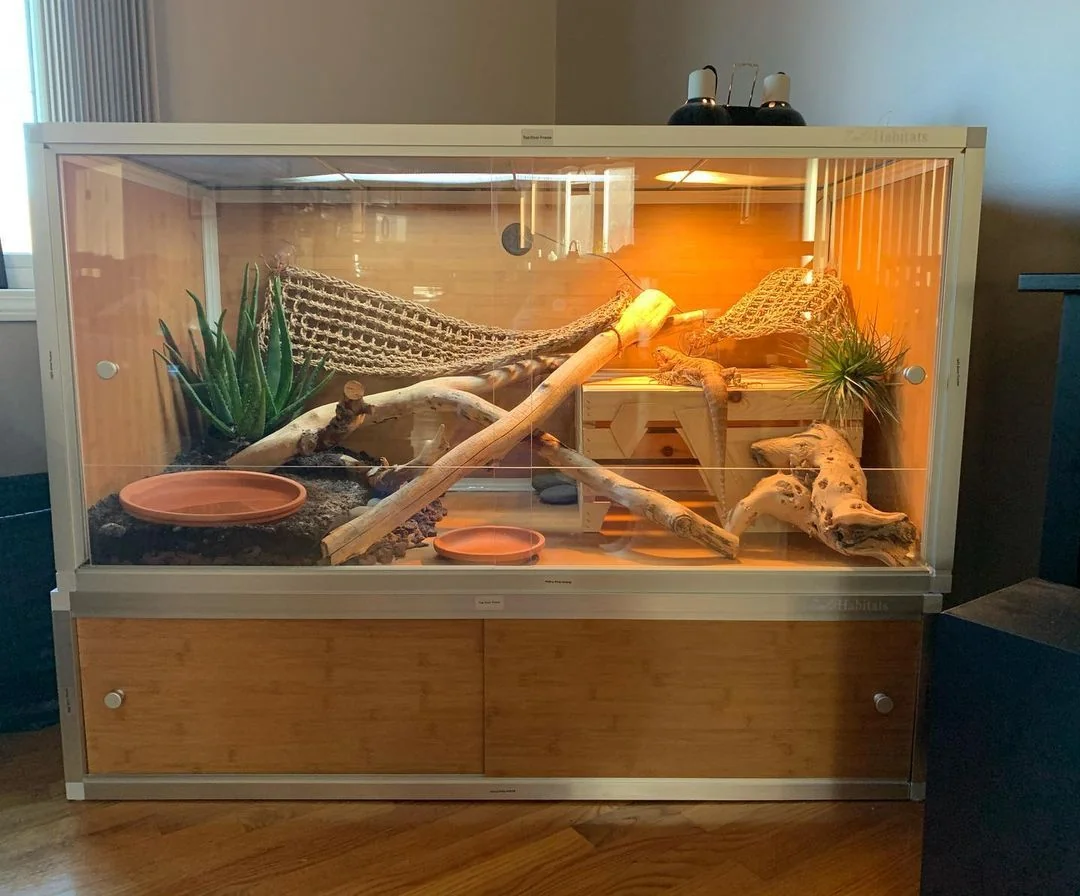
Understanding Bearded Dragon Heat Needs
Bearded dragons, native to the hot, arid regions of Australia, are ectothermic animals, meaning they rely on external heat sources to regulate their body temperature. This is a critical aspect of their health and well-being in an indoor setup. Providing the correct heat is not just about keeping them warm; it’s about mimicking their natural environment and facilitating essential biological processes. Without proper heat management, bearded dragons can suffer from a range of health problems, including metabolic bone disease, decreased appetite, and compromised immune function. The following guide will help you to set up the correct heat setup for your bearded dragon.
Why Proper Heating Matters
Proper heating is fundamental to a bearded dragon’s survival and health. It impacts their metabolism, digestion, immune system, and overall activity levels. A warm environment allows them to efficiently digest their food, absorb essential nutrients, and maintain a strong immune system. When the temperature is too low, they become sluggish, their appetite decreases, and they become more susceptible to illness. Investing in the correct heating system is the single most important thing that you can do to keep your bearded dragon healthy.
Signs of Improper Heating

Recognizing the signs of improper heating is crucial for addressing issues before they escalate into serious health problems. Some common indicators include a loss of appetite, lethargy, hiding behavior, and dark coloration. In severe cases, you might observe a swollen jaw (a symptom of metabolic bone disease) or difficulty moving. If you notice any of these signs, it’s imperative to immediately check the temperatures in your dragon’s enclosure and make necessary adjustments to the heating system. A veterinarian should be consulted as soon as possible.

Top 5 Heat Management Tips for Bearded Dragons

Maintaining the ideal heat gradient in a bearded dragon’s enclosure is not difficult with the correct setup. Here are the top 5 heat management tips to ensure your reptile thrives indoors. These tips emphasize choosing the right equipment, proper placement, and consistent monitoring to create a healthy and comfortable environment for your bearded dragon.
Choosing the Right Heat Source
Selecting the right heat source is the first step towards proper heat management. There are several options available, but the choice should depend on your setup and the specific needs of your bearded dragon. It’s important to consider both the type of heat source and the wattage required to achieve the desired temperatures within the enclosure.
Basking Bulbs
Basking bulbs are essential for providing a focused area of heat for your bearded dragon to bask in. These bulbs emit both heat and UVA rays, which are beneficial for their behavior and overall well-being. Ensure the bulb is appropriate for the size of the enclosure and the distance between the bulb and the basking spot. Different wattages are available and will change the amount of heat given off. This is shown in the picture below.
Basking bulbs are not always the best choice as their placement has to be perfect. If they’re too close to the basking spot, they can overheat your dragon. If they are too far, they won’t produce enough heat. Always have a thermometer ready to test the temperature.
Ceramic Heat Emitters
Ceramic heat emitters (CHEs) are an excellent choice for providing constant, ambient heat. These emit infrared heat without producing light, making them ideal for nighttime heating. They are particularly useful for maintaining the overall temperature of the enclosure, especially during cooler months. Choose a CHE with the appropriate wattage for the size of your enclosure. They are especially useful when you want to get the whole enclosure warm. This is shown in the picture below.
Placement of Heat Sources
The placement of heat sources is just as important as the type of source. Position the basking bulb or CHE in a way that creates a temperature gradient. This means one area of the enclosure should be significantly warmer than the rest, allowing the dragon to regulate its body temperature by moving to different zones. A properly placed heat source mimics the natural environment, allowing your bearded dragon to self-regulate its internal temperature.

Temperature Gradient
A temperature gradient is essential for a bearded dragon’s health. The basking area should reach 95-110°F (35-43°C), while the cool side of the enclosure should be around 75-85°F (24-29°C). This range allows the dragon to move between different temperatures, promoting healthy digestion and metabolism. Using multiple heat sources helps to achieve this temperature gradient, which allows the dragon to have a choice on where to sit. This is shown in the picture below.
Monitoring Temperatures
Regular temperature monitoring is crucial for ensuring your bearded dragon’s well-being. This involves using accurate thermometers and potentially a thermostat to maintain the desired heat levels consistently. Consistent monitoring allows for timely adjustments to the heating system, preventing overheating or underheating. The picture below shows the correct thermometer to use.
Using Thermometers
Place thermometers on both the basking spot and the cool side of the enclosure. Digital thermometers with probes are highly recommended as they provide more accurate readings. Regularly check the temperatures throughout the day to ensure they remain within the ideal range. If temperatures fluctuate, adjust the heat source accordingly. Always use two thermometers. One to test the basking spot, and one to test the cool side.
Using a Thermostat
A thermostat is a valuable tool for regulating the temperature of the enclosure. It helps maintain a consistent temperature by automatically adjusting the heat output of the heat source. Connect the thermostat to the heat source and set it to the desired temperature range. This is particularly useful to prevent overheating during the day. This will provide you with peace of mind and will improve your dragon’s health.
Maintaining Humidity
While the main focus is on heat, maintaining proper humidity levels is also important for bearded dragons. Low humidity can lead to dehydration and shedding problems, while high humidity can cause respiratory issues. Aim for a humidity level of 30-40%. Use a hygrometer to monitor humidity levels and adjust the humidity through misting or adding a water bowl. Don’t add too much water, however, as the enclosure can become too humid.
Benefits of Proper Heat Management
Proper heat management offers numerous benefits for your bearded dragon, significantly impacting their health and quality of life. These benefits stem from mimicking their natural environment, which fosters natural behaviors and physiological processes.
Improved Digestion
Adequate heat is crucial for efficient digestion. Bearded dragons rely on heat to activate digestive enzymes and break down food properly. A well-heated enclosure ensures that the dragon can digest its food effectively, absorbing the necessary nutrients and preventing digestive issues. This ultimately leads to better health and well-being. Without proper heat, the digestive system cannot function.

Boosted Immunity
Proper heat supports a strong immune system. It helps the dragon’s body fight off infections and diseases. By maintaining the correct temperatures, you’re helping to create an environment where the dragon can thrive and stay healthy. A healthy dragon is much less likely to get sick.
Increased Activity Levels
With proper heat, bearded dragons become more active and engage in natural behaviors like basking, exploring their enclosure, and interacting with their surroundings. This increased activity is essential for their physical and mental well-being. It also makes them more engaging pets to watch and interact with.
Common Mistakes to Avoid
While setting up a suitable heat management system is essential, some common mistakes can compromise its effectiveness. Avoiding these mistakes ensures the optimal health and comfort of your bearded dragon. Careful attention to these details can prevent unnecessary stress and potential health issues.
Placing the Thermometer Incorrectly
Incorrect placement of the thermometer can lead to inaccurate temperature readings. Always place the thermometer at the basking spot and the coolest part of the enclosure to get accurate temperature measurements. Avoid placing the thermometer directly under the heat source or against the glass, as this can result in misleading readings. This can lead to the dragon overheating or getting too cold.
Ignoring the Temperature Gradient
Failing to establish and maintain a temperature gradient is a common mistake. Without this gradient, the dragon cannot regulate its body temperature effectively. Ensure the basking area is significantly warmer than the cooler areas, allowing the dragon to move between zones as needed. It’s essential for their well-being to have multiple temperature zones. Dragons can become sick quickly without this.

Conclusion
Managing heat properly is not just a matter of keeping your bearded dragon warm; it’s a vital part of their overall health and well-being. By choosing the right heat sources, placing them correctly, consistently monitoring temperatures, and maintaining appropriate humidity, you can ensure your dragon thrives in its indoor setup. Remember to observe your dragon for any signs of discomfort or illness and make adjustments to the heating system as needed. With proper care, your bearded dragon will enjoy a long and healthy life.