The Importance of Diet for Bearded Dragon Activity
A well-planned diet is crucial for your bearded dragon’s overall health, and directly impacts its activity levels. Just like humans, bearded dragons need the right fuel to thrive and engage in their natural behaviors. Providing a balanced diet ensures they have the energy to explore their enclosure, bask in the sun, and interact with their environment. A poor diet can lead to lethargy, reduced muscle tone, and an overall lack of interest in activity. Understanding the specific nutritional needs of your pet is the first step towards creating a vibrant and active lifestyle for your beloved bearded dragon.
Understanding Nutritional Needs of Bearded Dragons
Bearded dragons are omnivores, meaning their diet should consist of both plant and animal matter. Their nutritional needs change as they grow. Juvenile bearded dragons require a higher protein intake to support their rapid growth, while adults benefit from a more balanced diet with a greater emphasis on vegetables. It is essential to provide a variety of foods to ensure they receive all the necessary vitamins, minerals, and nutrients. This includes live insects, leafy greens, and occasional fruits. Always research and understand the nutritional value of each food to make the best choices for your dragon.

Essential Nutrients for Active Bearded Dragons
Several key nutrients are essential for maintaining high activity levels in bearded dragons. Protein is vital for muscle development and energy production. Calcium is necessary for strong bones and proper muscle function, while Vitamin D3 aids in calcium absorption. A balanced diet also includes essential vitamins and minerals that support various bodily functions, including energy metabolism. Additionally, proper hydration is crucial for transporting nutrients throughout the body and preventing fatigue. Regular supplementation, under the guidance of a reptile veterinarian, can ensure your bearded dragon receives all the nutrients it needs.
Top 5 Foods to Boost Bearded Dragon Activity
Here are the top 5 food categories that can significantly boost your bearded dragon’s activity levels. Incorporating these foods into your pet’s diet will help provide the energy and nutrients it needs to thrive. Remember to always source food from reputable suppliers and practice safe feeding practices.

Live Insects for Energy and Vitality
Live insects provide a great source of protein, essential for energy. They also offer the added benefit of stimulating your bearded dragon’s natural hunting instincts, encouraging exercise and mental stimulation. Variety in insects is important, providing different nutrient profiles and keeping your dragon interested in feeding time.
Crickets
Crickets are a popular and readily available insect choice. They are a good source of protein and easy to digest. Dust crickets with calcium and vitamin supplements before feeding them to your dragon.
Mealworms
Mealworms are another common option, though they are higher in fat. Feed them in moderation, especially to adult dragons, to avoid weight gain. Always source mealworms from a reliable source to ensure quality.
Dubia Roaches
Dubia roaches are considered one of the best insect choices due to their high protein and calcium content and lower fat content compared to other insects. They are relatively easy to breed, making them a sustainable food source. They are also less likely to escape than crickets.
Nutritious Greens for Daily Consumption

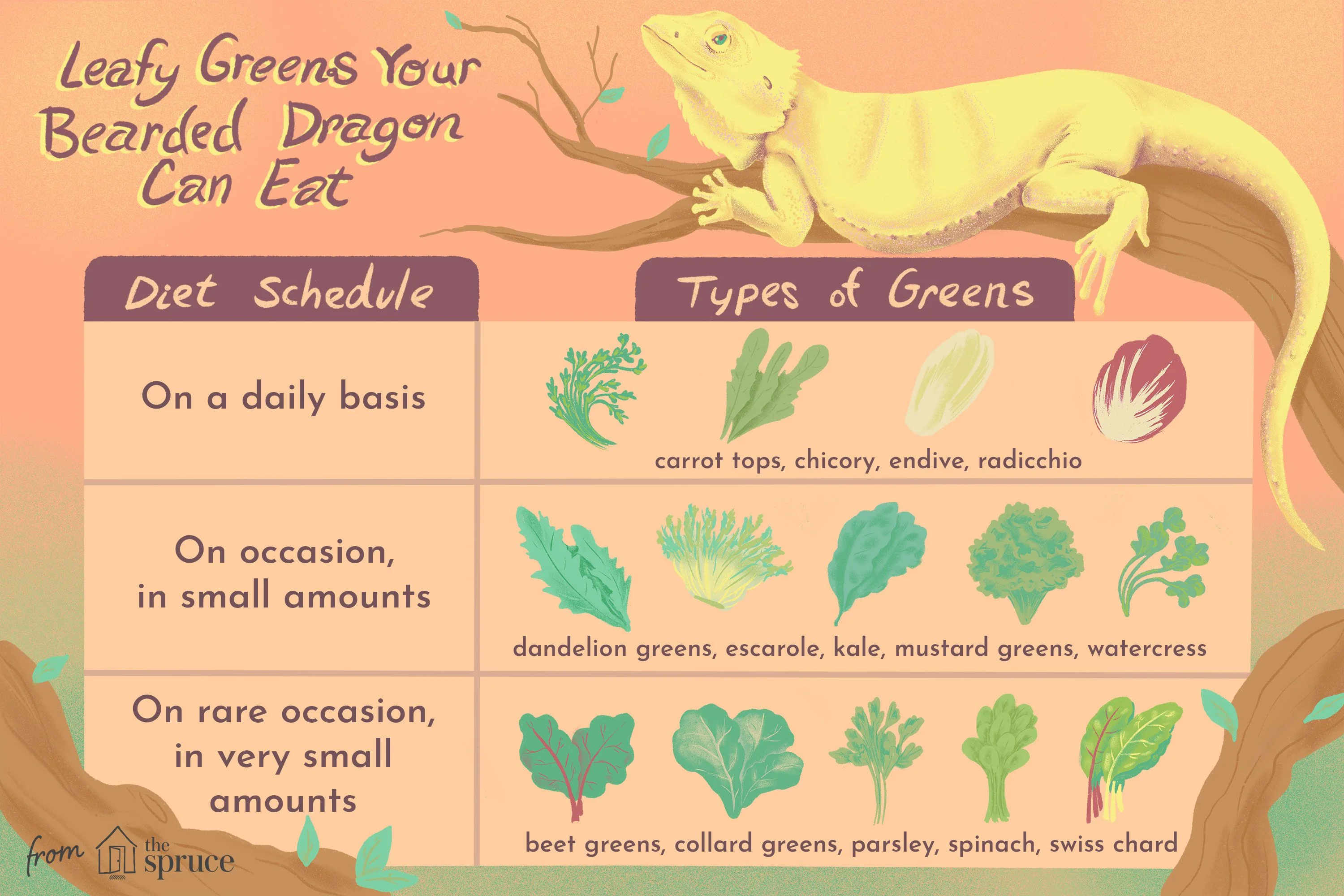
Leafy greens are the cornerstone of a healthy bearded dragon diet, providing essential vitamins, minerals, and fiber. Offer a variety of greens daily to ensure a balanced intake of nutrients. Thoroughly wash all greens to remove any pesticides or dirt before feeding them to your dragon.
Collard Greens
Collard greens are a nutritional powerhouse, rich in vitamins A, C, and K, as well as calcium. They are a staple food for many bearded dragons.
Mustard Greens
Mustard greens provide a good source of vitamins and minerals. Their slightly peppery flavor is often appealing to bearded dragons.
Dandelion Greens
Dandelion greens are highly nutritious and a good source of vitamins and calcium. Ensure you source them from a pesticide-free area.
Healthy Fruits for Occasional Treats
Fruits can add variety to your bearded dragon’s diet, but they should be offered sparingly due to their higher sugar content. Use fruits as occasional treats, not as a staple food. Always offer fresh, ripe fruits and remove any uneaten portions to prevent attracting pests.
Blueberries
Blueberries are packed with antioxidants and vitamins. Their small size makes them easy to feed, and many bearded dragons love the taste.
Strawberries
Strawberries are another good source of vitamins. Slice them into small pieces before offering them to your dragon.
Watermelon
Watermelon is a hydrating fruit that many bearded dragons enjoy, particularly in warmer months. Remember to remove the seeds.
The Role of Hydration in Activity
Adequate hydration is absolutely essential for a bearded dragon’s well-being and activity levels. Dehydration can lead to lethargy, digestive issues, and other health problems. Always provide fresh, clean water in a shallow dish within the enclosure. Monitor your dragon’s water intake and adjust the water source as needed.
Importance of Fresh Water
Fresh water should be available at all times. Change the water daily to prevent bacterial growth and ensure it remains clean. Consider using a water dish that is easy to clean and won’t tip over easily.
Signs of Dehydration in Bearded Dragons
Recognizing the signs of dehydration is crucial. These signs include sunken eyes, wrinkled skin, lethargy, and a loss of appetite. If you notice these symptoms, increase the amount of water offered and consult a reptile veterinarian immediately.
Supplementation for Optimal Health
While a balanced diet is the foundation of good health, supplementation is often necessary to ensure your bearded dragon receives all the vital nutrients. Consult with a veterinarian to determine the appropriate supplements for your pet.
Vitamin D3
Vitamin D3 is essential for calcium absorption. Supplementing with Vitamin D3 helps your dragon properly utilize the calcium in its diet, supporting healthy bones and muscles. It’s generally obtained through UVB exposure.
Calcium
Calcium supplements are crucial, especially for young, growing dragons and egg-laying females. Dust insects and greens with a calcium powder regularly. This helps to prevent metabolic bone disease.
Probiotics
Probiotics can aid in digestion and maintain a healthy gut. This can improve nutrient absorption and overall health. Consult with your vet about a good probiotic supplement for your dragon.

Creating a Feeding Schedule

Establishing a consistent feeding schedule is vital for regulating your bearded dragon’s activity and ensuring it receives the right amount of food. The frequency of feeding and portion sizes should be adjusted based on the dragon’s age and activity levels.

Feeding Frequency Based on Age
Young, growing bearded dragons (under 12 months) require more frequent feedings, often multiple times a day, due to their rapid growth. Adult dragons typically need to be fed once a day or even every other day. Adjust the feeding schedule based on the dragon’s activity levels and body condition.
Portion Control and Overfeeding
It’s crucial to avoid overfeeding, as this can lead to weight gain and health problems. Observe your dragon’s appetite and body condition. The amount of food offered should be consumed within a reasonable time. Remove any uneaten food to prevent waste and maintain a clean enclosure.
Monitoring Activity Levels and Adjusting Diet

Regularly monitor your bearded dragon’s activity levels and adjust the diet accordingly. If your dragon seems sluggish or uninterested in exploring, it might be a sign that the diet needs adjustments. Consult with a reptile veterinarian if you have any concerns about your pet’s health or activity. Making the necessary changes to your dragon’s diet is key to promoting a long, healthy, and active life. By providing the right foods and understanding your pet’s needs, you can ensure that your bearded dragon has the energy to thrive.