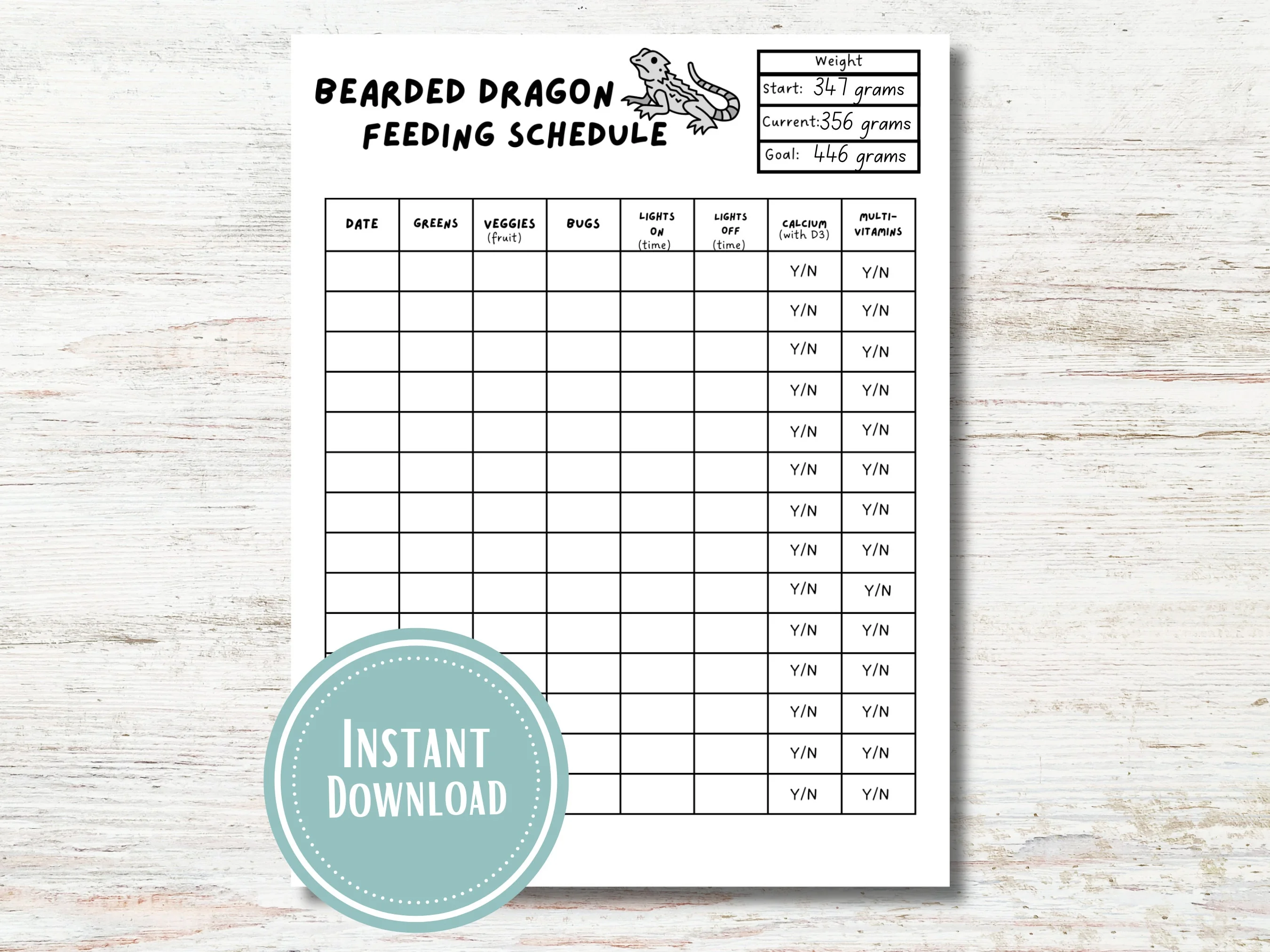
Understanding Bearded Dragon Feeding
Bearded dragons, fascinating reptiles known for their docile nature and captivating appearances, require a carefully planned diet and feeding schedule to thrive. Providing proper nutrition isn’t merely about keeping them alive; it’s about ensuring they live long, healthy, and active lives. Understanding the specific dietary needs of your bearded dragon is the first step toward responsible pet ownership. This includes recognizing the importance of age-appropriate feeding, the types of food they need, and the frequency with which they should eat. This article will equip you with the knowledge needed to create a perfect feeding schedule for your scaly companion, ensuring their optimal health and well-being.
Why a Feeding Schedule Is Important
Establishing a consistent feeding schedule is crucial for several reasons. Firstly, it regulates their metabolism and digestive processes. A regular feeding routine helps prevent digestive issues such as constipation or, conversely, diarrhea, which can be detrimental to their health. Secondly, a schedule helps to control portion sizes, thus preventing overfeeding, which can lead to obesity and other health complications. A predictable feeding routine also reduces stress levels. Bearded dragons are creatures of habit, and knowing when and what to expect for meals creates a sense of security. It will also help you monitor their appetite and identify any changes that might indicate illness or stress. By adhering to a feeding schedule, you’re not only providing nourishment; you’re also contributing to your bearded dragon’s overall health and happiness.
Benefits of a Consistent Diet
The benefits of a consistent diet extend beyond basic survival, positively impacting the physical and mental health of your bearded dragon. A well-structured diet supports proper growth and development, especially during their juvenile years. A diet rich in essential nutrients ensures strong bones, healthy skin, and vibrant coloration. A consistent diet also helps maintain a healthy weight, reducing the risk of obesity-related problems, such as fatty liver disease. Furthermore, a consistent feeding schedule improves their overall mood and activity levels. Regularly fed bearded dragons tend to be more active, curious, and interactive. It allows you to better understand your pet’s behavior and bond with them. In essence, a consistent diet forms the cornerstone of a happy and healthy life for your bearded dragon.
Top 5 Bearded Dragon Feeding Schedule Secrets
Creating the perfect feeding schedule doesn’t have to be complicated. Here are the top 5 secrets to feeding your bearded dragon for continuous nourishment and a long, healthy life.
Secret 1 Age-Appropriate Feeding
The dietary needs of a bearded dragon change drastically as they age. Hatchlings and juveniles require a diet rich in protein to support their rapid growth, while adults need more vegetables and fewer insects. Understanding these differences is key to providing the right nutrition at each life stage. Improper feeding can lead to stunted growth, nutritional deficiencies, and other health problems. It’s therefore essential to adjust their feeding schedule and food composition accordingly. This will ensure they receive the appropriate nutrients and maintain a healthy weight throughout their lives.
Hatchlings & Juveniles
Hatchlings and juvenile bearded dragons are growing rapidly, necessitating a diet predominantly composed of insects. At this stage, they should be fed live insects twice or even three times a day, with a ratio of approximately 80% insects and 20% vegetables. Insects should be gut-loaded with nutritious food before feeding them to your dragon. Ensure that fresh water is available at all times. The juvenile stage is crucial, and a proper diet helps them reach their full potential. During the juvenile stage, the ratio of insects can be reduced to 60-70% and vegetables increased to 30-40% as they mature.
Adult Bearded Dragons
Adult bearded dragons have different nutritional needs compared to their younger counterparts. Their metabolism slows down, and their growth rate decreases. A balanced diet should consist of roughly 80% vegetables and 20% insects. Insects should be offered every other day or every third day. Vegetables and greens, such as collard greens, mustard greens, and dandelion greens, should be a staple in their diet. Occasional fruits can be offered as treats, but avoid sugary fruits. Monitor your adult dragon’s weight and adjust food portions accordingly. Always provide fresh water.
Secret 2 The Right Food at the Right Time
Choosing the right food and knowing when to offer it is essential for your bearded dragon’s health. Not all insects are created equal; some are more nutritious than others. Similarly, some vegetables offer more benefits than others. By carefully selecting what you feed your dragon and when, you can ensure that they receive a balanced diet. Regular feeding times also help regulate their digestive system. This section provides a clear understanding of suitable food options and best practices for feeding times.


What to Feed Your Bearded Dragon
The diet of a bearded dragon should be varied and include both insects and vegetables. The key is to offer a wide range of options to ensure they receive all the necessary nutrients. Provide a mix of food to keep them interested and prevent nutritional deficiencies. A well-balanced diet, combined with a consistent schedule, will help your bearded dragon thrive. Avoid feeding your dragon only one type of insect or vegetable. Variety is key to a healthy diet.
Live Insects
Live insects form the protein foundation of a bearded dragon’s diet. Crickets, dubia roaches, and black soldier fly larvae are excellent choices because they are readily available and provide essential nutrients. Before feeding insects to your dragon, they should be ‘gut-loaded’. This process involves feeding the insects nutritious foods like vegetables and commercial insect food, which enriches their nutritional value. Dusting insects with calcium and vitamin D3 supplements before feeding ensures that your dragon receives the necessary vitamins and minerals for bone health and overall well-being. The size of the insects should be appropriate for the size of your dragon to avoid choking hazards.
Vegetables and Greens
Vegetables and greens provide essential vitamins, minerals, and fiber, which contribute to a healthy digestive system. Dark leafy greens like collard greens, mustard greens, and turnip greens should form the base of their vegetable intake. Other suitable options include bell peppers, squash, and a small amount of fruits as treats. Avoid feeding iceberg lettuce and other vegetables with low nutritional value. Always wash and chop vegetables to make them easier for your dragon to eat. Offer a variety of fresh vegetables daily to ensure a balanced intake. Regularly change the food to keep your dragon interested and to prevent them from getting bored with the same options.
Secret 3 Portion Control
Overfeeding is a common mistake that can lead to obesity and related health problems. Understanding portion control is crucial to maintain your bearded dragon’s ideal weight. Portion sizes should be adjusted based on the dragon’s age, activity level, and overall health. Regularly monitor your dragon’s weight and body condition. A healthy bearded dragon should have a slightly rounded belly, with no visible ribs. Being mindful of how much you feed your dragon will prevent overeating and ensure they maintain a healthy weight. Portion control is not just about the amount of food; it also involves the frequency of feeding.
Avoiding Overfeeding
To avoid overfeeding, it is essential to understand the appropriate amount of food for each life stage. For hatchlings and juveniles, offer as many insects as they can eat in 5-10 minutes, two to three times a day. For adults, offer the appropriate amount of insects every other day, along with fresh vegetables. Observe your dragon’s eating habits. If they consistently leave food uneaten, reduce the portions. Regularly weigh your bearded dragon and consult with a veterinarian if you notice any significant weight changes. Adjust the food amount to maintain a healthy weight and prevent complications.
Secret 4 Hydration is Key

Bearded dragons need access to fresh, clean water at all times. Water is vital for various bodily functions, including digestion, waste removal, and temperature regulation. Dehydration can lead to several health issues. Ensure your dragon drinks sufficient water every day by providing a suitable water source and monitoring their hydration levels. Dehydration can also lead to serious health problems. Regular access to water ensures that the dragon remains healthy and active. Ensuring that water is accessible will make your dragon healthier.

Water Sources
Provide water in a shallow dish that is easily accessible and won’t tip over. Ceramic or stainless steel bowls work well. Change the water daily to keep it fresh and clean. Some bearded dragons prefer drinking from a dripping system or a water fountain. You can also mist the enclosure to increase humidity and encourage them to drink. Avoid placing the water bowl near the basking spot to prevent the water from evaporating too quickly. Regularly monitor the water level and ensure the bowl is always full.
Secret 5 Supplements for Health
Even with a balanced diet, supplementing your bearded dragon’s food with vitamins and minerals is often necessary. These supplements ensure your dragon receives all the nutrients it needs to thrive. The supplements provide crucial elements to support their overall health. Calcium and vitamin D3 are especially important, as they help prevent metabolic bone disease. By supplementing their food, you can make sure they get all the vital elements. Choosing the right supplements and understanding how to use them effectively can greatly enhance your bearded dragon’s health and longevity.
Essential Vitamins and Minerals
Calcium and vitamin D3 are essential for healthy bones and preventing metabolic bone disease (MBD). Dust insects with a calcium and vitamin D3 supplement before feeding them to your dragon. Vitamin supplements that contain other essential vitamins and minerals, such as vitamin A, vitamin E, and B vitamins, can also be beneficial. The frequency of supplementation depends on the dragon’s age, diet, and specific needs. Always follow the instructions on the supplement packaging and consult with a veterinarian to determine the right supplements for your bearded dragon. Avoid over-supplementation, as too much of certain vitamins can be harmful.
Creating the Perfect Feeding Schedule
Creating the perfect feeding schedule involves considering several factors and adapting the schedule to your bearded dragon’s specific needs. This section will guide you through the essential steps to establish a schedule tailored to your pet’s age, health, and lifestyle. It’s not a one-size-fits-all approach. Rather, it’s about carefully observing your dragon and making adjustments as needed. This flexibility ensures your dragon gets the optimal nutrition for a happy, healthy life.
Factors to Consider
Several factors influence the ideal feeding schedule for your bearded dragon. Their age is the primary consideration. Young dragons require more frequent feeding. Their activity level and overall health also play a role. A more active dragon may need more food than a less active one. The type of food you offer also influences your schedule. For example, insects may need to be offered more frequently than vegetables. Other factors include the time of year and the dragon’s individual preferences. By taking these elements into account, you can adjust your feeding schedule accordingly. It helps you create the most beneficial environment for your beardie.
How to Adapt Your Schedule
Once you’ve established a feeding schedule, regularly monitor your bearded dragon’s health and adjust the schedule as needed. Observe their eating habits. Are they eating all the food offered, or are they leaving some behind? Regularly weigh your dragon to ensure they are maintaining a healthy weight. Also, watch their activity levels. A healthy bearded dragon should be active and alert. If you notice any changes in their eating habits, weight, or energy levels, consult with a reptile veterinarian. The vet can offer guidance and make appropriate changes for your pet’s needs. Adaptability is key to ensuring your dragon receives the best possible care and nutrition.

Troubleshooting Feeding Issues
Even with a well-planned feeding schedule, you may encounter feeding issues. Identifying these problems and taking steps to address them promptly is crucial to maintain your dragon’s health. This section addresses common feeding issues and offers practical solutions. Being prepared for these potential hurdles will help you support your bearded dragon’s well-being.

Common Problems and Solutions

A common problem is a lack of appetite. This can be caused by various factors, including stress, illness, or changes in the environment. Ensure the enclosure provides optimal temperature and humidity levels. Offer a variety of foods and ensure they are fresh. Consult a vet if the lack of appetite persists. Another common problem is picky eating habits. Some bearded dragons can be finicky. Introduce new foods gradually and offer a variety of options. If your dragon is not eating, try hand-feeding them or offering their favorite foods. Other issues include diarrhea or constipation. Diarrhea can result from an improper diet, parasites, or stress. Constipation can stem from dehydration or lack of fiber. Make sure they have access to fresh water and provide a balanced diet. If these problems persist, consult a vet. Addressing issues ensures the health of your bearded dragon.