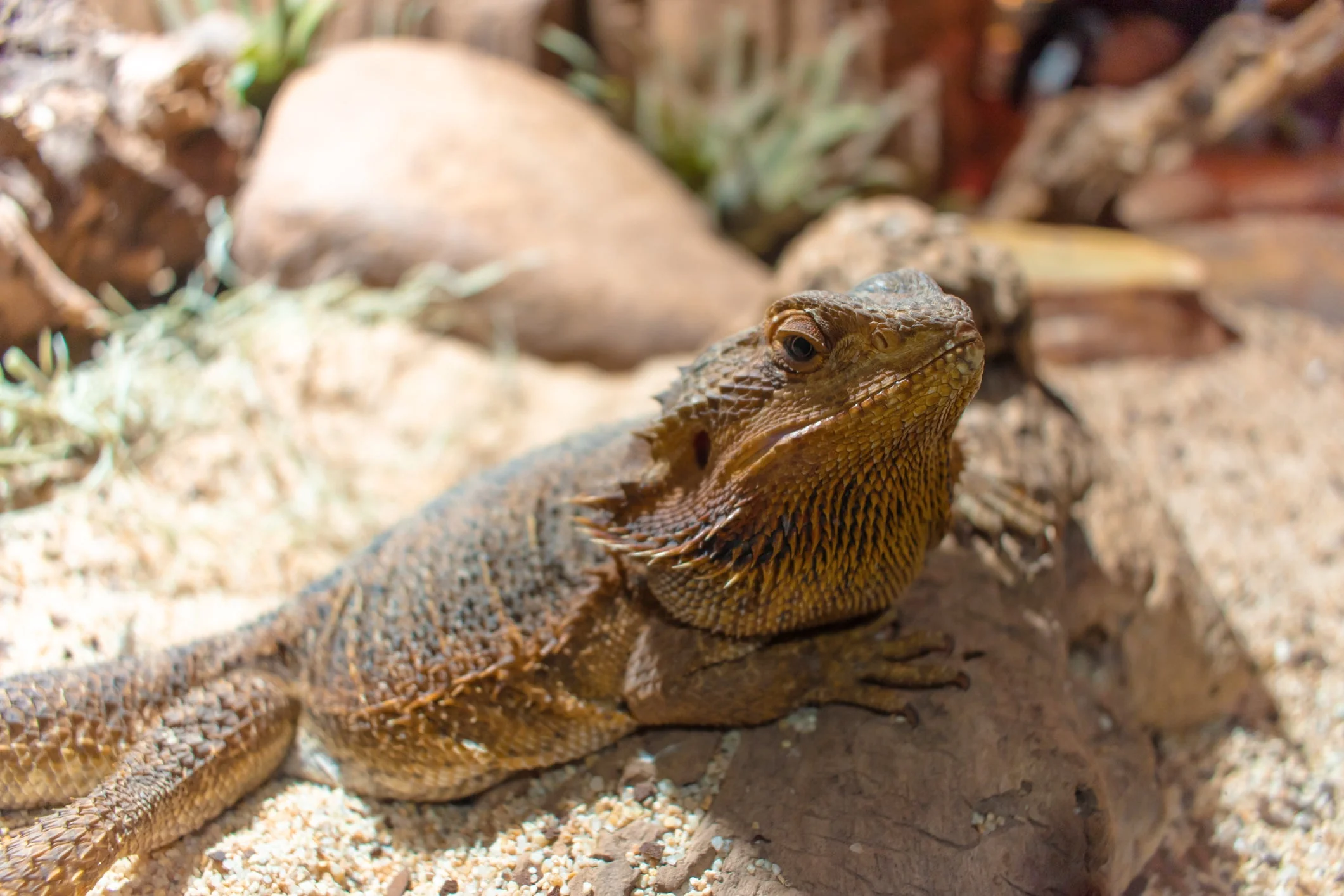
Understanding Bearded Dragon Enrichment Needs
Bearded dragons, captivating reptiles known for their docile nature and unique appearance, thrive on more than just food and shelter. They require a stimulating environment to maintain their physical and mental well-being. Enrichment programs are crucial to prevent boredom, reduce stress, and encourage natural behaviors. Understanding these needs is the first step to providing a fulfilling life for your scaled companion. Implementing these programs helps to mimic their natural habitat, promoting a happier and healthier bearded dragon. Proper enrichment ensures that your pet is not just surviving, but truly thriving, experiencing a richer, more engaging existence. This proactive approach is essential for any responsible bearded dragon owner.
The Importance of Enrichment for Bearded Dragons
Enrichment plays a pivotal role in the overall health and happiness of bearded dragons. Without it, these intelligent creatures can become lethargic, stressed, and prone to health issues. A lack of mental stimulation can lead to repetitive behaviors, decreased appetite, and even a shortened lifespan. Enrichment programs actively combat these problems by providing opportunities for exploration, problem-solving, and social interaction. These programs fulfill a crucial role in maintaining their physical and psychological well-being. Neglecting enrichment needs can lead to a stressed dragon, which can manifest in several forms, including glass surfing, loss of appetite, and a generally withdrawn demeanor. By prioritizing enrichment, you are investing in your pet’s long-term health and happiness.
Benefits of Enrichment Programs

The benefits of well-designed enrichment programs extend far beyond simply keeping a bearded dragon occupied. Enrichment fosters a more active and engaged lifestyle, promoting muscle development and preventing obesity. Mentally, it stimulates the brain, preventing boredom and reducing stress levels. This can lead to improved appetite, better digestion, and a stronger immune system. Moreover, providing opportunities for natural behaviors, such as hunting or exploring, keeps them mentally stimulated, leading to a more content dragon. These enriching activities also allow you to bond with your pet, strengthening your relationship and making for a more enjoyable pet-owner experience. Properly enriched environments will reduce the chance of health problems.
Top 5 Enrichment Programs for Bearded Dragons
1. UVB Lighting
UVB lighting is fundamental to the health of a bearded dragon. UVB rays are essential for synthesizing vitamin D3, which aids in calcium absorption. Without proper UVB exposure, bearded dragons can develop metabolic bone disease (MBD), a debilitating condition that weakens bones. Ensure your bearded dragon has access to a high-quality UVB bulb that covers a significant portion of the enclosure. The strength of the UVB bulb should be appropriate for the distance between the bulb and the basking spot. Replace the bulb regularly, as the UVB output diminishes over time. Proper UVB exposure is not just an enrichment activity; it is an absolute necessity for their survival and well-being.
Importance of UVB Light
UVB light is critical for calcium absorption and the overall health of a bearded dragon. Without it, they cannot properly process calcium, leading to metabolic bone disease. This condition can cause bone fractures, paralysis, and ultimately, death. UVB also plays a role in other important bodily functions, such as the production of essential hormones. It mimics the natural sunlight they would receive in their native habitat, providing a source of vital vitamins and minerals. Therefore, the correct UVB lighting is not just beneficial, it is crucial for their survival. The right lighting conditions will make your dragon feel active and happy.
Proper UVB Setup

A proper UVB setup involves selecting the right bulb type and positioning it correctly. Choose a UVB bulb specifically designed for reptiles and ensure it provides the correct spectrum. Position the bulb at the appropriate distance from the basking spot, following the manufacturer’s recommendations. Provide a basking spot that allows the bearded dragon to regulate its body temperature. Always make sure the UVB light is in a safe fixture and protected from accidental contact. Also, replace the bulb as per the manufacturer’s instructions because the UVB output degrades over time, even if the bulb still emits visible light. Proper setup is essential for maximum effectiveness.
2. Diet Diversity

A varied diet is paramount to a healthy bearded dragon. Feeding a diet consisting of only one type of food deprives them of essential nutrients and vitamins. Offer a mix of insects, leafy greens, and occasional fruits and vegetables. The diet should primarily consist of insects when they are young, with a gradual shift towards more plant matter as they mature. Use a variety of insects, such as crickets, dubia roaches, and mealworms, and make sure all insects are gut-loaded before feeding. This ensures your dragon gets the maximum amount of nutritional value. Variety not only improves health but also stimulates their natural hunting instincts.
Variety in Food
Incorporating a wide variety of foods in your bearded dragon’s diet is vital for providing a balanced intake of nutrients. Different insects and plant materials offer varying levels of vitamins, minerals, and proteins. Constantly switching up food items also prevents your dragon from becoming bored with their meals. This is important, as a picky eater can lead to health problems. Offer different types of insects, such as crickets, roaches, and mealworms. Make sure you also incorporate a selection of leafy greens, such as collard greens, mustard greens, and turnip greens. Variety will make them a healthier and more active dragon.
Proper Feeding Schedule
Establish a feeding schedule that corresponds to your bearded dragon’s age. Young dragons require more frequent feedings than adults. Offer food multiple times a day when they are young, with live insects being their primary food source. As they mature, gradually reduce the frequency of insect feedings and increase the proportion of plant-based foods. Always remove uneaten insects after a set time. Also, it’s important to dust insects with calcium and vitamin supplements, especially for young dragons. Maintaining a proper feeding schedule ensures they receive the correct amount of nutrients at the right times. Doing so will improve their overall health.
3. Environmental Enrichment
Creating a stimulating environment is key to keeping your bearded dragon engaged and happy. This includes providing opportunities for exploration, climbing, and hiding. A well-designed habitat mimics their natural environment, which in turn can make them feel more secure and stimulated. This setup actively encourages exploration and prevents boredom. By incorporating different elements in their enclosure, you will make your dragon healthier and more active.
Creating a Stimulating Habitat
A stimulating habitat includes various elements designed to encourage exploration and activity. Provide different levels for climbing, like branches, rocks, and platforms. Ensure the enclosure has a temperature gradient, allowing your dragon to regulate its body temperature. Include a variety of textures and substrates to provide environmental diversity and stimulate natural behaviors. This is going to improve their physical activity and well-being. Incorporate elements such as a basking spot, a shaded area, and a digging area for digging. Make sure the enclosure is appropriate for their size and provides ample space for movement and exploration.
Decorations and Hiding Spots
Decorations and hiding spots provide security and enrichment. Place various decorations such as rocks, logs, and artificial plants. Provide multiple hiding spots of different sizes and types. This gives your bearded dragon a sense of security and reduces stress. Hiding spots also provide a place to retreat when they feel overwhelmed. Avoid using decorations with sharp edges or that could be toxic if ingested. The use of appropriate decorations and hiding spots actively encourages natural behaviors and promotes their overall well-being.
4. Exercise and Handling
Regular exercise and handling are vital for the physical and mental health of your bearded dragon. Supervised exercise sessions outside of their enclosure are a great way to provide physical activity. Handling them regularly helps to build a bond and allows you to monitor their health. Regular handling provides enrichment and socialization. You can allow them to explore safe areas in your home under your supervision. This can be a great enrichment and bonding experience for both you and your pet.
Safe Handling Practices


When handling your bearded dragon, it’s important to do so safely and gently. Always support their body, especially their belly and feet. Avoid grabbing them from above, as this can be perceived as a threat. Handle them for short periods initially, gradually increasing the duration as they become more comfortable. Always wash your hands before and after handling, and avoid handling them after eating. This helps to prevent the spread of germs and diseases. Observe their behavior to gauge their comfort level. If they seem stressed, put them back in their enclosure.
Benefits of Exercise
Exercise is crucial for maintaining your bearded dragon’s physical health. It helps to prevent obesity, strengthens their muscles, and improves their overall health. Supervised exercise outside of their enclosure encourages exploration and provides mental stimulation. Create a safe area for them to explore, such as a playpen or a reptile-safe room. This activity should be supervised to ensure their safety. Allowing them to move around and explore stimulates their senses and helps to prevent boredom. Regular exercise can improve their appetite and digestion, leading to a healthier life. This type of enrichment should be practiced regularly.
5. Social Interaction
While bearded dragons are generally solitary animals, there are ways to provide social interaction and enrichment. This can involve interaction with their owners or, in some cases, supervised co-habitation with another bearded dragon. However, it is important to understand the risks. Some dragons may benefit from interaction, while others may become stressed. It is also important to avoid introducing another dragon into the same enclosure to prevent territorial disputes. Always monitor your bearded dragon and watch for signs of stress to ensure their well-being.
Safe Co-habitation
Co-habitation of bearded dragons should be approached with caution, as it can lead to stress and injury. Only house bearded dragons together if they are of similar size and temperament. Always provide separate resources, such as food and water dishes, to avoid competition. Observe their behavior closely for any signs of aggression, such as hissing, puffing up, or biting. If any signs of conflict appear, separate the dragons immediately. Co-habitation should only be considered when you have the time and resources to monitor and manage the situation effectively.
Signs of Stress and Behavior
Understanding the signs of stress is crucial for providing the best care for your bearded dragon. Signs of stress may include changes in color, such as darkening or a loss of vibrant colors. Other signs include loss of appetite, lethargy, or repetitive behaviors like glass surfing. Observe the frequency and duration of these activities. If you observe any signs of stress, assess their environment and make necessary changes. The goal is to ensure they feel safe and secure. If the stress persists, consider consulting with a veterinarian or reptile specialist. Their well-being should be your top priority.
Conclusion
Enrichment programs are essential for maintaining the health and happiness of your bearded dragon. By providing a stimulating environment, a varied diet, regular exercise, and safe interaction, you can significantly improve their quality of life. Remember to prioritize UVB lighting and monitor your dragon’s behavior closely. By implementing the five enrichment programs outlined above, you are setting your bearded dragon up for a long, healthy, and fulfilling life. Consistent effort in providing enrichment is a testament to your commitment to their well-being, ensuring they thrive.

Recap of Key Enrichment Strategies

- Ensure proper UVB lighting.
- Provide a varied diet.
- Create a stimulating environment.
- Encourage exercise and handling.
- Understand social interaction (and the risks).