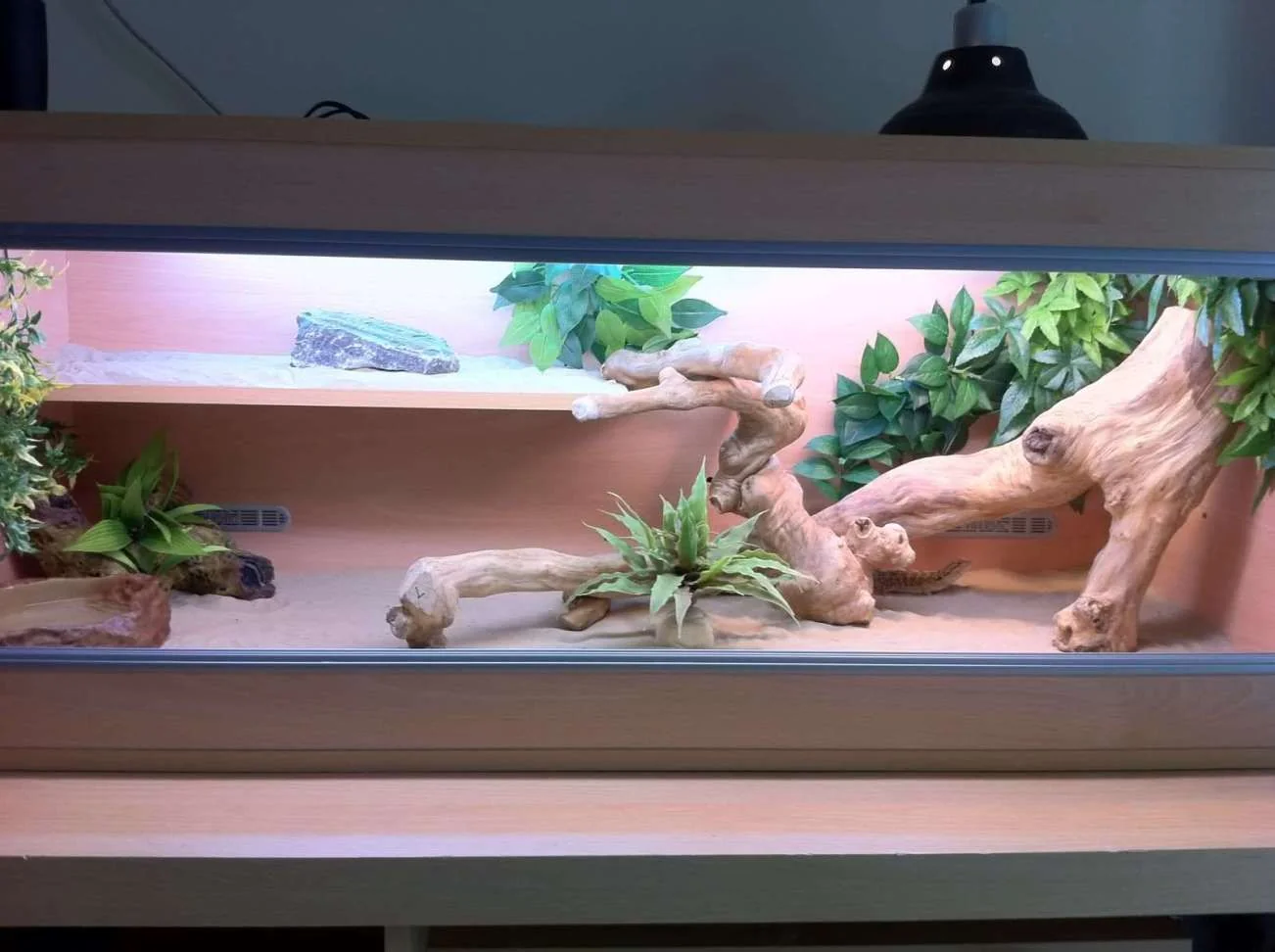
Creating a Thriving Habitat for Bearded Dragons
Creating a stimulating and enriching habitat is crucial for the physical and mental well-being of your bearded dragon. A well-designed enclosure provides more than just a place to live; it offers opportunities for exploration, exercise, and the expression of natural behaviors. This in turn, significantly contributes to a happier and healthier pet. This article explores various ideas to enhance your bearded dragon’s habitat, promoting an active and fulfilling lifestyle.
The Importance of Habitat Enrichment
Habitat enrichment involves modifying a captive environment to enhance the quality of life for an animal. For bearded dragons, this means providing opportunities for physical activity, mental stimulation, and the expression of natural behaviors. A lack of enrichment can lead to boredom, stress, and a range of health issues, including obesity, lethargy, and even behavioral problems. Therefore, by investing time and effort into enriching your bearded dragon’s habitat, you’re investing in their overall health and happiness. Enrichment directly combats boredom and stimulates the dragon’s natural instincts.

Benefits of an Enriched Environment
An enriched environment offers numerous benefits for bearded dragons. Firstly, it promotes physical activity, helping to prevent obesity and maintain a healthy weight. Secondly, it stimulates their minds, preventing boredom and reducing stress. Enrichment also encourages natural behaviors, such as foraging, climbing, and exploring, which contributes to a more fulfilling life. Further, it strengthens the dragon’s immune system and improves overall well-being. Regularly changing the enrichment items also keeps the dragon engaged and prevents them from getting used to the same stimuli.
Identifying Your Dragon’s Needs
Every bearded dragon has unique personality and preferences. Observing your dragon’s behavior is key to identifying their specific needs. Does your dragon enjoy climbing or burrowing? Are they more interested in visual or tactile stimuli? By paying attention to their daily routines and reactions to different elements in the habitat, you can tailor the enrichment to their individual preferences. Consider their age, size, and activity level when designing the habitat. Young, growing dragons will benefit from more opportunities for exercise, while older dragons may prefer more resting spots.
Enrichment Ideas to Boost Activity
Climbing and Basking Opportunities
Bearded dragons are naturally inclined to climb and bask. Providing suitable structures is essential for fulfilling these instincts. Climbing structures not only offer exercise but also provide opportunities for thermoregulation and exploration. Basking spots, positioned under a heat lamp, allow the dragon to regulate their body temperature. Varied heights and angles will keep the dragon engaged and provide multiple options for thermoregulation.
Providing Climbing Structures

Include various climbing structures in the habitat, such as branches, rocks, and reptile hammocks. Ensure the structures are securely placed and made of safe, non-toxic materials. Vary the size and placement of these items to create an interesting and challenging environment. Consider using natural branches of varying thickness and textures, which will also provide opportunities for nail trimming. Regularly inspect the climbing structures for any signs of wear and tear, replacing them as needed to ensure the safety of your pet.
Optimal Basking Spots
The basking spot is crucial for thermoregulation and should be positioned to provide the correct temperature gradient. The basking spot should be directly under a heat lamp, with a temperature that is appropriate for your dragon’s age. It’s essential to have multiple basking spots at different heights to allow your dragon to choose their preferred temperature. Ensure that the basking spot is made of a material that can effectively absorb heat, such as a rock or a flat piece of wood. The proper temperature gradient is essential to the overall health of your bearded dragon.
Exploring Enrichment Through Diet
Dietary enrichment can significantly boost a bearded dragon’s activity levels and mental stimulation. The way you feed your dragon can be as important as what you feed them. Forcing the dragon to work for their food engages their natural foraging instincts, which can prevent boredom. Additionally, you can introduce different food items that encourage movement and exploration.
Feeding Strategies for Activity
Instead of placing food in a bowl, consider scattering insects around the habitat or using a puzzle feeder. This forces the dragon to actively search for their food, which keeps them engaged and encourages movement. You can also hide food items in different locations within the habitat to stimulate their hunting instincts. Change the locations regularly to prevent the dragon from getting used to the same routine. This method provides both physical and mental stimulation.
Variety of Food Items
A varied diet is essential for the overall health and well-being of your bearded dragon. Introduce a range of insects, vegetables, and fruits to keep their meals interesting. Different textures and flavors will also stimulate their interest. Ensure that all food items are safe for bearded dragons and provide the necessary nutrients. Consider offering live insects that they can chase and hunt, which adds to their activity levels. The combination of varied food items and challenging feeding strategies keeps the dragon engaged.
Sensory Enrichment for Bearded Dragons


Sensory enrichment stimulates a bearded dragon’s senses, leading to a more engaging and stimulating environment. This includes visual stimuli, tactile elements, and even scent-based enrichment. By appealing to their senses, you can create a more dynamic habitat that prevents boredom and encourages exploration.

Adding Visual Stimuli
Bearded dragons are visual creatures, and adding visual stimuli can significantly enrich their environment. You can introduce various colors, patterns, and moving objects. Consider adding a background to the terrarium that provides a visually appealing backdrop. Moving objects, such as toys or even a small fan that blows leaves, can capture their attention and provide mental stimulation. Rotating these visual elements can prevent the dragon from getting used to them.
Introducing Interactive Elements
Interactive elements provide opportunities for play and exploration. These can include puzzle feeders, foraging toys, and even safe, supervised interactions with the owner. Puzzle feeders challenge the dragon to work for their food, promoting mental stimulation. Foraging toys can be filled with insects or treats, encouraging them to explore and search. Supervised interactions, such as gentle handling or playing with safe toys, can also enhance their well-being.
Maintaining a Healthy and Active Lifestyle
Creating an enriching habitat is an ongoing process. It requires regular maintenance, observation, and adaptation to ensure your bearded dragon remains active and healthy. Consistent environmental control, hygiene, and monitoring are key to supporting the dragon’s active lifestyle and overall well-being. Furthermore, regularly assessing your dragon’s needs and adapting the habitat accordingly is essential to maintaining their interest and health.


Environmental Control and Safety
Maintaining the correct temperature, humidity, and lighting conditions is crucial for the health and well-being of your bearded dragon. Use appropriate heating and lighting systems, such as a UVB bulb and a basking lamp. Regularly monitor the temperature and humidity levels with a thermometer and hygrometer. Ensure the enclosure is well-ventilated and free from hazards. Always use safe, non-toxic materials in the habitat and regularly inspect for any potential hazards, such as sharp edges or loose parts. Also ensure proper sanitation practices to prevent diseases.
Regular Habitat Cleaning and Maintenance
Regular cleaning and maintenance are essential for a healthy habitat. Spot clean the enclosure daily, removing any waste or uneaten food. Perform a thorough cleaning of the entire habitat at least once a month, or more frequently if needed. Replace the substrate regularly and disinfect all surfaces with a reptile-safe cleaner. Clean water and food bowls regularly. A clean habitat not only promotes the health of your bearded dragon but also helps to control odors and prevent the spread of diseases.
Monitoring Your Dragon’s Activity Levels
Regularly observe your bearded dragon’s behavior and activity levels. Look for signs of boredom, stress, or illness. Monitor their eating habits, bowel movements, and overall activity. If you notice any changes in their behavior or health, consult with a veterinarian specializing in reptiles. Adjust the enrichment activities and the habitat according to your dragon’s needs. Keeping a record of your dragon’s behavior and habitat changes can help you identify any issues early on and ensure they have a long, healthy, and active life.