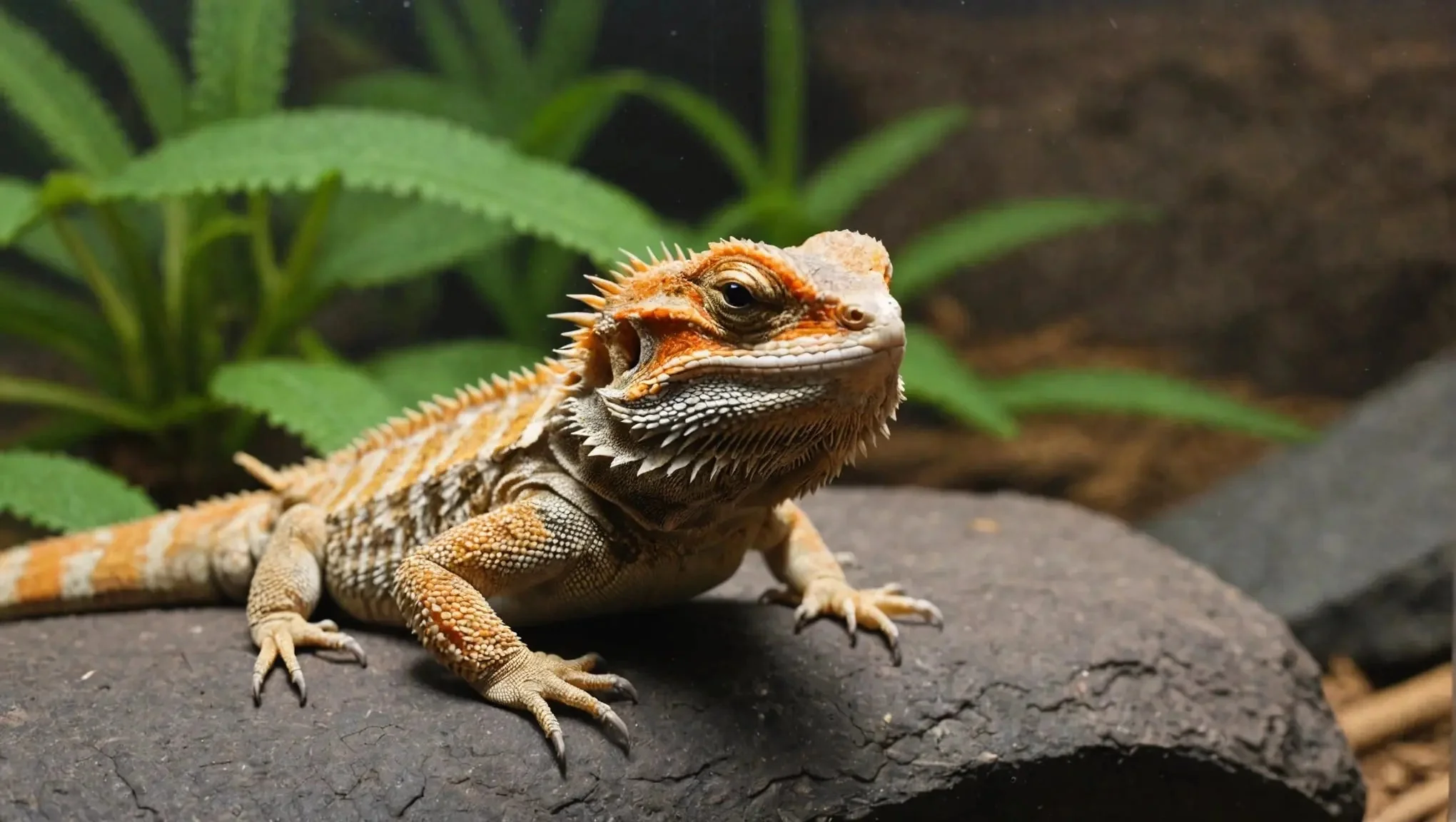
Understanding Bearded Dragon Temperature Needs
Bearded dragons, native to the arid regions of Australia, are ectothermic, meaning they rely on external heat sources to regulate their body temperature. Providing the correct temperature gradient in their terrarium is crucial for their survival and overall well-being. This ultimate guide will delve into the specifics of creating and maintaining the perfect temperature environment for your beloved bearded dragon, ensuring they live a long, healthy, and happy life. Understanding their specific needs is the foundation for proper care.
Why is Temperature Regulation Important for Bearded Dragons
Temperature regulation is not merely about comfort; it’s essential for several critical bodily functions. Bearded dragons need the right temperature to metabolize food properly, digest their meals, and absorb essential nutrients. Insufficient heat can lead to a sluggish metabolism, poor appetite, and ultimately, health problems. Conversely, overheating can cause dehydration and heatstroke. The correct temperature allows them to thrive.
Health Benefits of Proper Temperature
A well-regulated temperature environment directly contributes to a healthy bearded dragon. Proper temperatures support a strong immune system, allowing them to fight off infections and diseases. It also ensures they have the energy to be active, explore their surroundings, and engage in natural behaviors. Optimal temperatures are essential for shedding and for a healthy skin. The correct temperature allows a long and healthy life.

Consequences of Incorrect Temperatures
Incorrect temperatures can have severe consequences. Too cold, and your bearded dragon may suffer from digestive issues, lethargy, and a weakened immune system. Prolonged exposure to cold temperatures can lead to respiratory infections and other serious illnesses. Too hot, and they can become dehydrated, experience heatstroke, and potentially die. Consistent monitoring and adjustments are necessary to avoid these risks. A picture of a sick bearded dragon can show these consequences.
Setting Up Your Bearded Dragon’s Terrarium
Creating the ideal terrarium setup is the first step in ensuring proper temperature regulation. This involves choosing the right size enclosure, selecting appropriate heat sources, and strategically placing them to create a temperature gradient. A well-designed terrarium provides the necessary environmental controls for a healthy and thriving bearded dragon. It is important to follow all the steps.
Choosing the Right Terrarium Size


The size of the terrarium directly impacts temperature regulation. A larger enclosure provides more space for creating a proper temperature gradient. A juvenile bearded dragon can start in a 40-gallon breeder tank, but adults need a minimum of a 75-gallon tank, with larger being better. This allows for a sufficient basking spot, a cool side, and a gradient that meets all of their needs. Consider the adult size of your bearded dragon when selecting the enclosure.
Selecting Appropriate Heat Sources
Choosing the right heat sources is critical. You will need a basking bulb for creating a warm basking spot and a ceramic heat emitter (CHE) or a similar device for providing overall ambient heat, especially during the night. It’s essential to choose bulbs specifically designed for reptiles, as they provide the appropriate wavelengths of heat and light. Always check the wattage and ensure it is suitable for the size of your terrarium.
Types of Heat Lamps
There are various types of heat lamps available, each with its pros and cons. Basking bulbs provide both heat and UVA light, essential for their well-being and behavior. Ceramic heat emitters (CHE) produce heat but no light, making them ideal for nighttime heating. Mercury vapor bulbs offer both heat and UVB, eliminating the need for a separate UVB bulb, but require careful placement to avoid excessive heat. Choose the type that best suits your needs and your bearded dragon’s needs. A photo of a heat lamp should be added.

Placement of Heat Sources
The placement of heat sources is as crucial as the type you select. The basking bulb should be positioned at one end of the terrarium to create a basking spot, providing a temperature of 100-110°F (38-43°C). The CHE, if used, should be positioned to provide overall ambient heat, maintaining a temperature gradient. Always ensure that heat sources are placed outside of direct reach from your bearded dragon to prevent burns and are secured properly. Position the heat lamps so the bearded dragon can not touch them.
Monitoring Temperature
Consistent monitoring of the terrarium’s temperature is essential to ensure your bearded dragon’s environment remains within the appropriate range. Use reliable thermometers and place them strategically throughout the enclosure. Temperature fluctuations can be dangerous, and regular checks help you make necessary adjustments to maintain a healthy environment. Frequent monitoring can prevent problems and keep your bearded dragon happy.
Using Thermometers
Digital thermometers with probes are highly recommended for accuracy and ease of use. Place the probe at the basking spot and in the cool side to get accurate temperature readings. You may also use a temperature gun to measure the surface temperature of the basking spot. This type of thermometer allows instant surface temperature readings. Avoid using stick-on thermometers, as they are often inaccurate and unreliable. Ensure the device is of good quality.
Placement of Thermometers

Strategically placing thermometers is crucial for monitoring the temperature gradient. Place one thermometer at the basking spot level to measure the surface temperature and another on the cool side to ensure it remains within the appropriate range (75-85°F / 24-29°C). You can also place a thermometer in the middle of the enclosure. Regular temperature checks in different areas of the tank will provide a comprehensive view of the environment. A good place for a photo would be here, showing the thermometer inside the terrarium.
Temperature Zones and Gradients
Creating distinct temperature zones is fundamental to your bearded dragon’s well-being. A proper temperature gradient allows them to thermoregulate effectively, moving between warmer and cooler areas to control their body temperature. This natural behavior is essential for their health, digestion, and overall comfort. Providing the right temperature zones is like creating an ecosystem.

Creating a Basking Spot

The basking spot, heated by a basking bulb, is the warmest area of the terrarium, with a temperature of 100-110°F (38-43°C). This area allows your bearded dragon to absorb heat and UVB light, which is essential for vitamin D3 synthesis and calcium absorption. The basking spot is where they will spend a significant portion of their day. Always make sure the basking spot is not too hot, and your dragon has space to move away from the heat.
Establishing a Cool Side
The cool side of the terrarium should maintain a temperature of 75-85°F (24-29°C). This area allows your bearded dragon to cool down and regulate their body temperature. It is essential to have a shaded area on the cool side where the bearded dragon can hide and escape the heat. A hide on the cool side provides security and allows them to relax. This zone is crucial for avoiding overheating.
Maintaining Nighttime Temperatures
At night, the temperature in the terrarium can drop. The cool side should ideally remain between 65-75°F (18-24°C). If the ambient temperature of your home is significantly lower, you may need a CHE to maintain a safe nighttime temperature. However, avoid using a heat lamp at night, as it can disrupt their natural sleep cycle. Consistent temperatures during the night can help your dragon to rest.
Troubleshooting Temperature Issues
Despite your best efforts, you may encounter temperature issues in your bearded dragon’s terrarium. Recognizing and addressing these problems quickly is critical for their health. Common problems include overheating, insufficient heat, and fluctuations. Proactive monitoring, along with prompt adjustments, will help you to manage the perfect environment. It is important to understand the problems to provide a solution.
Dealing with Overheating
Overheating can be dangerous, leading to dehydration and heatstroke. If you notice your bearded dragon panting, gaping, or spending an excessive amount of time on the cool side, it is likely too hot. Turn off the basking bulb or reduce its wattage, and ensure the cool side is appropriately cool. Provide a shallow dish of cool water for your dragon to drink and cool down. If the problem persists, consult with a veterinarian.
Addressing Insufficient Heat
If the terrarium is too cold, your bearded dragon may become lethargic, have a poor appetite, and exhibit signs of sluggishness. Increase the wattage of the basking bulb or add a CHE to raise the overall temperature. Ensure the heat source is functioning properly and that the thermostat is correctly calibrated. Observe your bearded dragon closely for signs of improvement. A quick and easy solution is required.
Humidity and Temperature Relationship
Humidity and temperature are interconnected and influence each other. Maintaining the correct humidity level is essential for your bearded dragon’s health, along with providing the right temperatures. It is important to find the right balance, because a high humidity combined with high temperatures can lead to respiratory issues. It is important to follow all the steps.
Maintaining Optimal Humidity Levels
The ideal humidity level for a bearded dragon terrarium is between 30-40%. High humidity can lead to respiratory infections and bacterial growth. Low humidity can cause shedding problems and dehydration. Use a hygrometer to monitor the humidity levels. If humidity is too high, improve ventilation and consider using a dehumidifier. If humidity is too low, mist the enclosure with water or provide a shallow water dish. Consistent levels provide a healthy environment.
In conclusion, providing the perfect temperature environment is essential for your bearded dragon’s health and longevity. By understanding their needs, setting up the terrarium correctly, monitoring temperatures consistently, and addressing any issues promptly, you can ensure your bearded dragon thrives. This ultimate guide provides the knowledge and tools you need to create a happy and healthy environment for your pet. Remember to always prioritize the well-being of your bearded dragon by providing the best care.