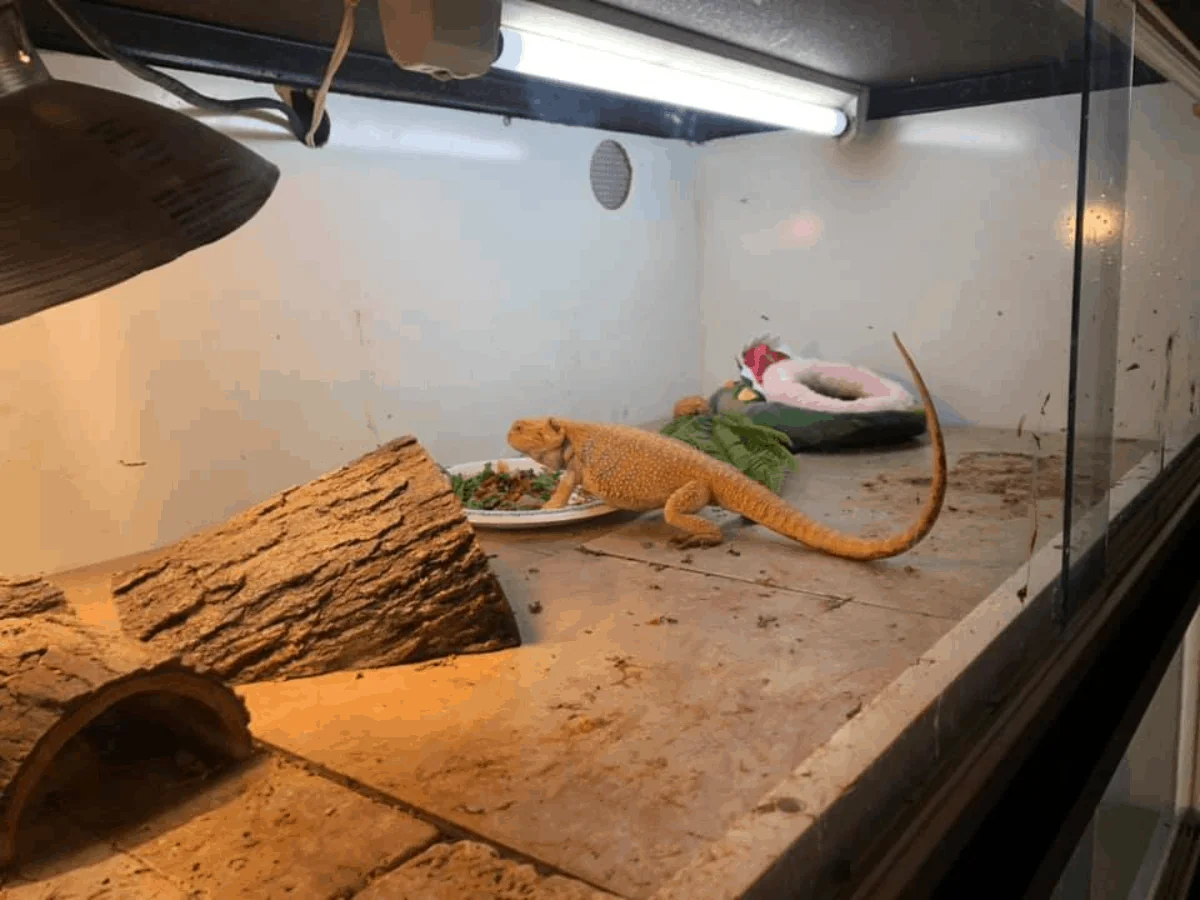
Understanding Bearded Dragon Temperature Needs
Bearded dragons, native to the arid regions of Australia, are ectothermic reptiles. This means they rely on external heat sources to regulate their body temperature. Providing the correct temperature gradient is not just about keeping your bearded dragon warm; it’s fundamental to their overall health and well-being. A properly heated enclosure mimics their natural habitat and enables them to thrive. Failing to provide appropriate temperatures can lead to various health issues, including metabolic bone disease, digestive problems, and suppressed immune function. Therefore, understanding and replicating the ideal temperature conditions is the cornerstone of responsible bearded dragon ownership.
Why Temperature is Crucial for Bearded Dragons
Temperature plays a vital role in almost every aspect of a bearded dragon’s life. From digestion to activity levels, the correct temperature range ensures optimal bodily functions. Bearded dragons need different temperatures for different activities. They require a hot basking spot for thermoregulation, a cooler side for retreat, and specific temperatures for digestion and sleep. It’s a balancing act, a carefully orchestrated environment designed to meet the dragon’s unique needs. Providing these varying temperatures is crucial for the overall well-being of your pet, preventing health issues, and promoting natural behaviors.
Impact of Temperature on Digestion
One of the most critical functions affected by temperature is digestion. Bearded dragons require a warm environment to digest their food properly. Enzymes involved in breaking down food function optimally within a specific temperature range. If the temperature is too low, the digestive process slows down significantly, leading to potential problems such as impaction (blockage in the digestive tract) and reduced nutrient absorption. A warm basking spot helps to stimulate digestion, while a cooler area allows the dragon to regulate its internal temperature. Providing a consistent temperature gradient helps to ensure that the dragon can digest its food efficiently, which is essential for overall health.
Influence of Temperature on Behavior
Temperature significantly influences a bearded dragon’s behavior. They will actively move between warmer and cooler areas in their enclosure to regulate their body temperature, a behavior known as thermoregulation. Proper temperature levels encourage natural behaviors, such as basking, exploring, and hunting. Too low of a temperature and your dragon may become lethargic and less active. In contrast, an appropriate temperature range promotes activity, interaction, and healthy social interactions. The temperature also affects their appetite, activity level, and even their sleep patterns. Understanding these behavioral cues and adjusting the temperature accordingly allows you to create an environment that is both comfortable and stimulating for your bearded dragon.


Creating a Temperature Gradient

A temperature gradient is the most essential aspect of a healthy bearded dragon habitat. This gradient provides the dragon with a range of temperatures to choose from, allowing them to thermoregulate effectively. The gradient typically consists of a hot basking spot, a warm area, and a cooler side. The goal is to mimic the natural thermal environment of the bearded dragon, enabling the dragon to control its body temperature. This is done by strategically placing heat sources and ensuring the proper ventilation and air flow within the enclosure. Without a gradient, the dragon cannot properly control its body temperature, which can lead to health problems.
Basking Spot Temperature Setup
The basking spot is the hottest area in the enclosure and is crucial for thermoregulation and digestion. The ideal basking spot temperature should be between 105-110°F (40-43°C) for adults and slightly warmer for juveniles. This area is usually directly under a basking bulb or heat lamp. The basking spot needs to be easily accessible and within a safe distance from the heat source to prevent burns. Always measure the temperature at the basking spot level, using a digital thermometer with a probe, to ensure accuracy. Regular monitoring will prevent overheating and ensure the correct conditions for your dragon’s health.
Cool Side Temperature Setup
The cool side of the enclosure is just as important as the basking spot. This area allows the bearded dragon to retreat from the heat and cool down, preventing overheating and enabling them to regulate their body temperature efficiently. The cool side temperature should ideally be between 75-85°F (24-29°C). Ensure that the cool side is shaded, allowing the dragon to escape direct sunlight. Use a thermometer to accurately monitor the cool side temperature, and make adjustments as needed to maintain the correct range. This cooler area is vital for the well-being of your bearded dragon, providing a refuge when the dragon doesn’t need the heat from the basking spot.
Nighttime Temperature Requirements
Nighttime temperatures should be lower than daytime temperatures to allow for proper rest and metabolic processes. The temperature should typically drop to between 65-75°F (18-24°C). Some owners use a ceramic heat emitter (CHE) to maintain a slightly warmer nighttime temperature, particularly in colder climates. However, it’s crucial to monitor the temperature to ensure it does not exceed the recommended range. Do not use heat lamps or light-emitting bulbs at night, as these can disrupt the dragon’s sleep cycle. A consistent nighttime temperature promotes healthy sleeping patterns, which is essential for overall health and well-being.
Essential Equipment for Temperature Control
The right equipment is crucial for establishing and maintaining the correct temperature gradient for your bearded dragon. This includes thermometers, thermostats, and appropriate heating sources. Choosing the right equipment is just as important as understanding the temperature requirements. The equipment you use must be reliable, safe, and capable of providing the needed heat. Investing in high-quality equipment will ensure the comfort and health of your bearded dragon.

Thermometers and Thermostats
Accurate temperature monitoring is critical for maintaining the correct environment. Use at least two digital thermometers with probes, one for the basking spot and one for the cool side. Place the probes at the basking spot level and in the coolest part of the enclosure. Thermostats are also essential, particularly when using heat sources like heat lamps. A thermostat helps to regulate the temperature by controlling the amount of power supplied to the heating device. Choose a thermostat designed for reptile use and regularly check its settings to ensure the accuracy. Using a thermostat is vital to prevent overheating and ensure the safety and well-being of your dragon. Invest in reliable equipment.
Types of Heating Sources
Several heating sources can be used to create the necessary temperature gradient. The most common is a basking bulb or heat lamp, which provides the heat for the basking spot. Ceramic heat emitters (CHE) are a good option for nighttime heating, as they do not emit light. When selecting a heat source, consider the wattage and the size of the enclosure to ensure that you can achieve the desired temperatures. Always use a reflector hood to direct the heat towards the basking spot. Never place the heat source inside the enclosure where the dragon can touch it to avoid burns. Ensure your heat sources are from trusted brands to maintain safety and optimal performance.
UVB Lighting and Its Role
UVB lighting is just as important as heat, as it’s vital for the synthesis of vitamin D3, which helps bearded dragons absorb calcium. Without proper UVB exposure, they can develop metabolic bone disease. The UVB source should be a fluorescent tube or a mercury vapor bulb specifically designed for reptiles. Place the UVB light at the correct distance from the basking spot, following the manufacturer’s recommendations. Replace the UVB bulb every 6-12 months, as the UVB output diminishes over time. Combined with the correct temperature, UVB lighting ensures optimal health, bone development, and overall well-being. Remember, proper UVB lighting is as important as proper temperature for a healthy bearded dragon.
Monitoring and Maintaining the Gradient
Maintaining the correct temperature gradient requires consistent monitoring and adjustments. Regularly checking the temperatures and making the necessary changes will ensure the health and happiness of your bearded dragon. Regular checks can help you identify problems before they become major health issues. Careful monitoring helps provide a stable and suitable habitat for your dragon.

Daily Temperature Checks
Make it a daily habit to check the temperatures at the basking spot and the cool side of the enclosure. Use a digital thermometer with a probe for accurate readings. Note the temperatures and look for any fluctuations or inconsistencies. Checking temperatures in the morning and evening helps ensure your setup functions correctly throughout the day. This daily check is a key step in providing a safe and healthy environment for your bearded dragon. It enables you to detect and correct temperature variations before they negatively impact your pet’s health.
Adjusting Temperatures Based on Behavior
Pay close attention to your bearded dragon’s behavior, as it can provide valuable clues about its comfort level. If the dragon is constantly basking, it may be too cold. If it spends a lot of time in the cool side, it might be too hot. Adjust the basking spot temperature by moving the heat lamp or changing the wattage of the bulb. Ensure your dragon has adequate water and is feeding. You can use the dragon’s behavior as a guide, making adjustments based on their actions. Remember, your goal is to create an environment that promotes the dragon’s natural behaviors.
Troubleshooting Common Temperature Issues
Even with the best setup, temperature issues can arise. Knowing how to identify and address these problems is essential for the well-being of your bearded dragon. Being prepared to deal with temperature problems can prevent serious health issues.
Overheating Signs and Solutions
Overheating is a serious concern, and it can quickly lead to health problems. Signs of overheating include panting, lethargy, and a gaping mouth. If you notice these signs, immediately move your dragon to the cool side of the enclosure or even a cooler environment. Check the temperature of the basking spot, and adjust the heat source or the distance of the heat lamp to lower the temperature. Ensure the enclosure has proper ventilation, as poor ventilation can exacerbate overheating. Regular monitoring is critical for recognizing overheating signs and preventing serious complications. Ensure your dragon has fresh water available.
Understanding and Addressing Cold Temperatures

Cold temperatures can also lead to health problems, such as reduced appetite, lethargy, and digestive issues. If the enclosure is too cold, the dragon may become inactive and refuse to eat. If you suspect the enclosure is too cold, check the temperatures using a digital thermometer. Increase the wattage of the basking bulb or add a ceramic heat emitter. Make sure the enclosure is not located near a drafty area. Ensure the enclosure setup creates the proper temperature gradient. Ensure the dragon is eating and drinking. If the problem persists, consult with an experienced reptile veterinarian.
Optimizing for Natural Behavior
Creating the correct temperature gradient is about more than just keeping your bearded dragon warm; it’s about fostering its natural behaviors and ensuring a high quality of life. By focusing on the animal’s needs and creating an environment that mimics its natural habitat, you can promote a thriving and happy bearded dragon.
Encouraging Natural Behaviors with Temperature
The proper temperature gradient directly influences natural behaviors, such as basking, foraging, and social interactions. The varying temperatures allow the dragon to choose its activity level, which encourages a healthy, active lifestyle. When the temperature is correct, the dragon can thrive, exploring, and exhibiting natural behaviors. Providing a stimulating environment that allows your bearded dragon to thrive is a rewarding part of ownership.
Basking and Thermoregulation
Basking is crucial for thermoregulation, digestion, and overall health. The basking spot should be at the right temperature to enable the dragon to warm up. Regular basking helps the dragon to regulate its body temperature efficiently. This is vital for the dragon’s well-being and preventing health complications. Understanding how your bearded dragon regulates its temperature helps you provide a suitable habitat. Properly managed basking and thermoregulation will keep your bearded dragon happy and healthy.
Importance of a Naturalistic Environment

Creating a naturalistic environment goes beyond temperature control. Include various elements, such as substrate, hides, and climbing branches, that mirror the bearded dragon’s natural habitat. These elements enrich their environment and enable natural behaviors. The combination of the proper temperature gradient, a stimulating environment, and attentive care results in a happy, healthy bearded dragon. A naturalistic enclosure improves their quality of life and allows your bearded dragon to thrive.