Understanding the Risks of Summer Heat for Bearded Dragons
As the summer months bring soaring temperatures, it’s crucial to understand the specific challenges bearded dragons face. Native to the arid regions of Australia, these reptiles are adapted to warmer climates, but they are not invincible. High temperatures, especially when combined with humidity, can quickly lead to overheating, heatstroke, and even death. Their inability to sweat and their reliance on external temperature regulation make them particularly vulnerable during heat waves. This guide provides essential information on how to keep your bearded dragon safe and comfortable during the summer months, focusing on preventative measures and immediate actions to take if problems arise. Understanding their physiological limitations in managing heat is the first step in providing proper care.
Heatstroke Symptoms in Bearded Dragons
Recognizing the signs of heatstroke is critical for timely intervention. Early symptoms include lethargy, loss of appetite, and changes in behavior. As heatstroke progresses, more severe symptoms become apparent. These include open-mouth breathing, rapid panting, and a gaping mouth. The bearded dragon may appear disoriented, unable to hold its head up, or its eyes may be sunken. In advanced stages, the dragon may experience muscle tremors, paralysis, and, ultimately, collapse. Regularly observe your pet, especially during peak heat, to catch these signs early. A proactive approach will dramatically improve the chances of a full recovery. Prompt action is necessary.
Recognizing the Signs of Overheating
Overheating often precedes heatstroke, presenting a critical window for intervention. Watch for subtle behavioral changes that may indicate your bearded dragon is struggling with the heat. Look for the dragon seeking cooler spots in the enclosure, such as the shady areas. The dragon might try to bury itself in the substrate, which can be an attempt to cool down. Other signs include a change in skin color; the dragon might appear paler than usual. Loss of appetite and a decrease in activity levels can also indicate overheating. Recognizing these early indicators and responding promptly is crucial to prevent the condition from escalating into full-blown heatstroke and protect your dragon’s health. Consider the dragon’s behavior and the enclosure’s environment.
Immediate Actions for a Heatstroke
If you suspect your bearded dragon is suffering from heatstroke, immediate action is crucial. First, remove the dragon from its enclosure and place it in a cooler environment. You can place the dragon on a cool, damp towel (not cold) to help bring its body temperature down. Ensure the dragon has access to fresh water, but avoid forcing it to drink. Gently misting the dragon with cool water can also help. It’s important to monitor the dragon’s breathing and alertness closely. If the condition does not improve, or if the symptoms worsen, seek immediate veterinary care. Time is of the essence, and professional help is invaluable in ensuring a full recovery. Early intervention increases chances for survival.


Creating a Cool Environment Indoors
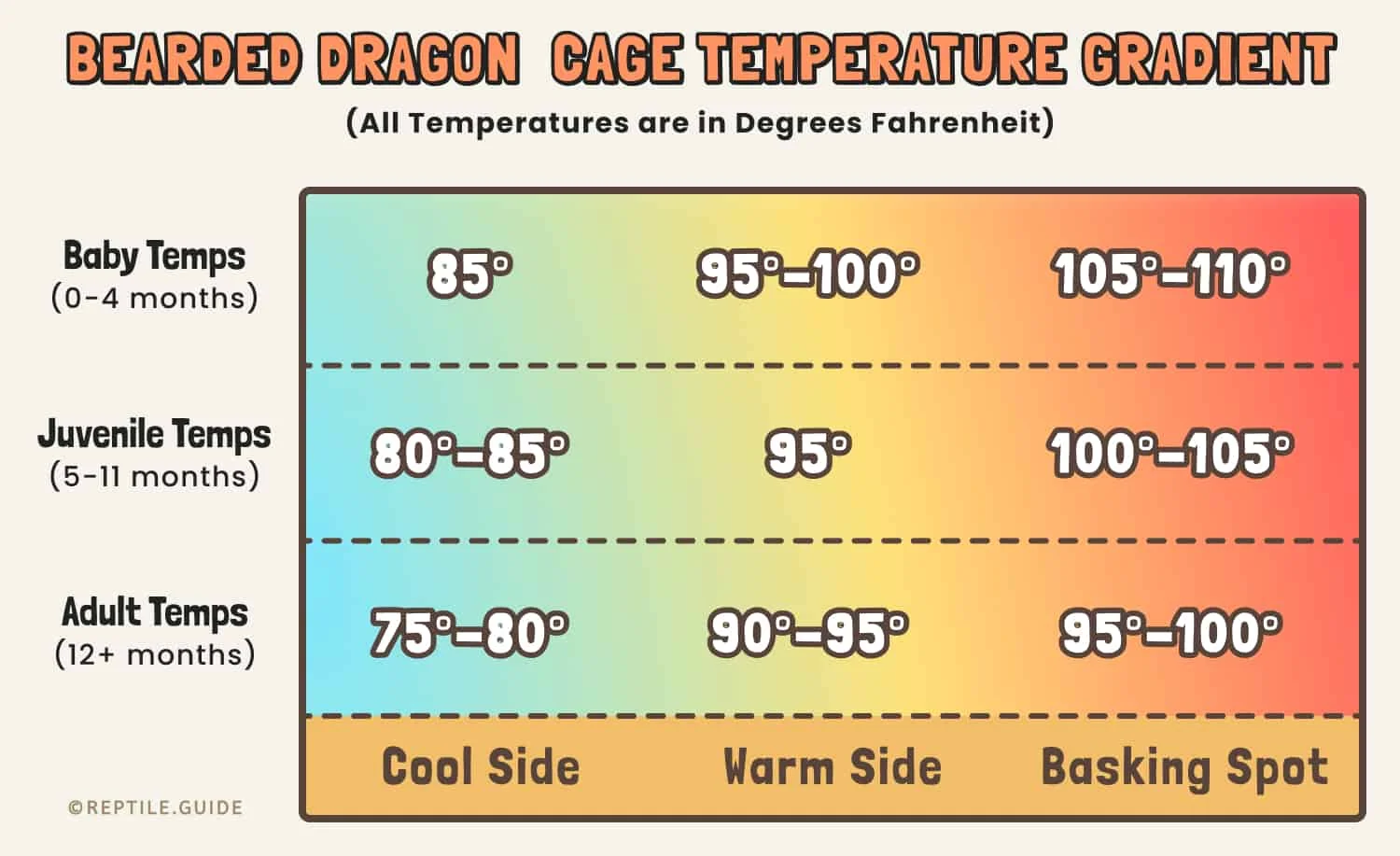
Maintaining a cool environment indoors is essential for your bearded dragon’s well-being, particularly during summer. This involves carefully regulating the temperature and humidity levels within the enclosure. The ideal temperature gradient for bearded dragons is typically between 75°F to 85°F (24°C to 29°C) on the cooler side and 95°F to 105°F (35°C to 40°C) on the basking spot. Proper humidity levels are also important, ideally kept between 30% and 40%. A hygrometer and thermometer are essential for monitoring these conditions. Regular checks and adjustments are needed to ensure the environment remains suitable, particularly during periods of extreme heat.
Maintaining Optimal Temperature and Humidity
Regular monitoring is critical for maintaining the correct temperature and humidity levels in your bearded dragon’s enclosure. Use a reliable thermometer and hygrometer placed at different points in the enclosure to get an accurate reading. Avoid placing the enclosure in direct sunlight, near heating vents, or in drafty areas. If the enclosure is getting too warm, use air conditioning or fans to regulate the temperature. Misting the enclosure or using a humidifier can help manage humidity. Always observe your dragon and adjust the environment accordingly. Ensure proper ventilation to prevent stale air and reduce the risk of respiratory issues. Consistent monitoring and proactive adjustments will help maintain a comfortable environment.
Choosing the Right Enclosure Location
The location of your bearded dragon’s enclosure significantly impacts its ability to regulate its body temperature. Avoid placing the enclosure near windows where direct sunlight can cause overheating. Also, steer clear of locations near air conditioning vents, which can cause drastic temperature fluctuations. A spot away from drafts and direct heat sources is ideal. Consider a room with consistent temperatures and good ventilation. If the room tends to be warmer during summer, implement additional cooling measures such as fans or air conditioning. The chosen location should enable you to easily monitor the dragon and its environment, facilitating quick responses to any changes in temperature or humidity. Proper location is key for safety.
Utilizing Cooling Accessories
Supplementing the enclosure with cooling accessories can provide additional relief during hot summer days. Ceramic tiles or slate rocks can create a cooler surface for your bearded dragon to rest on. Misting the enclosure with cool water can also help to reduce the temperature, but avoid creating excessive humidity. Consider using a fan to circulate air, but be mindful of the airflow, ensuring it’s not too direct or strong. You can also use a cooling mat designed specifically for reptiles; these mats are often filled with a cooling gel. Always observe your dragon’s behavior and make sure the accessories provide effective, safe relief. Ensure the accessories are non-toxic and easy to clean. Multiple options are available to suit diverse needs.


Providing Hydration and Proper Diet
Proper hydration and a balanced diet are essential for maintaining your bearded dragon’s health, particularly during summer when they are more susceptible to dehydration. Dehydration can exacerbate the effects of heat, making it crucial to ensure your dragon has access to fresh water and a diet that supports its needs. Adjustments to your dragon’s feeding schedule and meal composition can also help in keeping your pet hydrated and healthy during the warmer months. These measures are integral to overall care.
Importance of Fresh Water Availability
Always provide your bearded dragon with a clean and readily available water source. A shallow water dish placed within the enclosure should be filled with fresh water daily, or even more frequently during periods of high heat. Ensure the water dish is easy for the dragon to access and cannot be easily tipped over. Monitor the water level and replace the water promptly if it becomes dirty or stale. Consider using a water bowl with a ramp, which is suitable for smaller dragons and makes it easier to drink. Regular cleaning of the water dish is essential to prevent bacterial growth. Consistent access to clean water is vital for preventing dehydration.
Summer-Appropriate Feeding Schedule

Adjusting your bearded dragon’s feeding schedule during the summer months is important, as their appetite may fluctuate with the temperature. You may find that your dragon eats less during the hottest part of the day. It’s often better to feed your dragon in the cooler parts of the day, such as early morning or late evening. Monitor the dragon’s behavior and adjust the amount of food accordingly. Do not overfeed, as uneaten food can attract insects and cause enclosure problems. It’s important to maintain a consistent routine while observing your dragon’s needs. Ensure the schedule aligns with the diet recommended for your dragon’s age and health status.
Dietary Adjustments for Summer
During summer, your bearded dragon’s diet should focus on hydration and essential nutrients. Increase the proportion of hydrating foods, such as fresh, leafy greens and vegetables like romaine lettuce, collard greens, and zucchini. Provide a variety of insects as protein sources, but be mindful of their nutritional content. Limit the intake of high-fat foods. Supplement the diet with calcium and vitamin D3 to support bone health. Always provide a fresh supply of food and remove any uneaten portions. Proper diet promotes overall well-being. Consider the dragon’s specific dietary needs.
Safe Outdoor Time for Your Bearded Dragon
Providing your bearded dragon with safe outdoor time can be beneficial, but it requires careful planning and precautions. The benefits include exposure to natural sunlight, which is an excellent source of vitamin D3, and opportunities for exercise. However, extreme heat and direct sun exposure can be dangerous. Always supervise your bearded dragon closely when outdoors, and provide shaded areas to prevent overheating. Plan outdoor excursions carefully. The duration of the outdoor time should be limited, especially during the hottest parts of the day. Prioritize safety and well-being.
Essential Precautions for Outdoor Adventures
Before taking your bearded dragon outdoors, there are important precautions to take. Ensure the outdoor temperature is suitable and does not exceed 85°F (29°C). Avoid direct sun exposure, which can cause overheating. Always provide a shaded area, such as a portable shelter, where your dragon can retreat if needed. Keep a close watch for signs of overheating. Keep a spray bottle filled with cool water on hand to mist the dragon if needed. Ensure the area is secure and free from potential hazards, such as predators, toxic plants, and chemicals. Short outdoor excursions can significantly benefit the dragon’s health.
Creating a Safe Outdoor Habitat
Creating a safe outdoor habitat for your bearded dragon involves considering several factors. The enclosure should be escape-proof, ensuring the dragon cannot get out. Use a secure, portable enclosure with secure sides. Provide a variety of surfaces, such as rocks and logs, to stimulate natural behaviors. Ensure the enclosure has shaded areas to provide relief from the sun and a source of fresh water. Avoid areas where pesticides or other chemicals may be present. Choose a safe location away from direct sunlight and potential dangers. Adapt the enclosure to the dragon’s needs and size.
Monitoring Your Dragon’s Behavior Outdoors
Closely monitoring your bearded dragon’s behavior during outdoor time is vital for their safety and well-being. Watch for signs of overheating, such as excessive panting, lethargy, or changes in skin color. Observe the dragon’s activity levels; if it appears too active or agitated, it may be overexposed to the heat. Provide constant supervision to prevent any accidental escapes or interactions with potential hazards. Keep a close watch for any behavioral changes that may indicate discomfort or stress. The dragon’s behavior dictates necessary actions.

Common Summer Health Concerns and Prevention
Summer can bring various health concerns for bearded dragons, including respiratory infections, parasite infestations, and heat-related illnesses. However, with proper preventative measures and vigilance, you can significantly reduce the risks. Proper care and attention to the dragon’s environment, diet, and overall health are key. Regular check-ups with a qualified veterinarian will allow for timely identification and treatment of any potential problems. By understanding these common summer health concerns, you can protect your bearded dragon.
Preventing Respiratory Infections
Preventing respiratory infections involves maintaining a clean, healthy environment for your bearded dragon. Ensure proper ventilation in the enclosure to prevent the buildup of stale air. Maintain the correct temperature and humidity levels, as improper conditions can contribute to respiratory issues. Clean the enclosure regularly, removing waste and replacing substrate. Avoid the use of strong cleaning chemicals that can irritate the dragon’s respiratory system. Provide a balanced diet and supplement it with vitamins to boost the dragon’s immune system. Observe your bearded dragon for any signs of respiratory illness, such as labored breathing, nasal discharge, or wheezing. Early detection and treatment are essential.
Parasite Prevention in Summer
Preventing parasite infestations is vital for your bearded dragon’s health, especially during summer, when parasites can thrive. Practice good hygiene by cleaning the enclosure thoroughly and regularly. Quarantine new dragons before introducing them to your existing collection to avoid the spread of parasites. Provide a balanced diet to support a healthy immune system. Regularly check your dragon’s feces for signs of parasites, such as worms or eggs. Consult your veterinarian for regular fecal exams. Preventative treatments, as recommended by a veterinarian, may be necessary. A clean habitat will greatly reduce the risk of parasites.
Maintaining a Healthy Habitat
Maintaining a healthy habitat is crucial to preventing health issues. Thoroughly clean the enclosure regularly, including all decorations, accessories, and substrate. Use appropriate cleaning agents that are safe for reptiles. Ensure proper ventilation and maintain the correct temperature and humidity levels. Replace the substrate regularly to prevent bacterial growth and to remove waste. Consider using a substrate that is easy to clean and maintain. Provide a balanced diet and ensure the dragon has access to fresh water. Regularly monitor the dragon for any signs of illness and consult a veterinarian promptly. Always prioritize cleanliness and hygiene. A healthy habitat is the foundation of well-being.
Conclusion
Caring for your bearded dragon during the summer requires careful attention to detail and a proactive approach to prevent heat-related illnesses. By understanding the risks, creating a safe environment, providing proper hydration and diet, and implementing preventative health measures, you can ensure that your bearded dragon thrives during the warmer months. Always monitor your dragon’s behavior and consult a veterinarian if you have any concerns. With the right care and diligence, you can help your bearded dragon enjoy a happy and healthy summer. Consistent effort contributes to overall well-being.