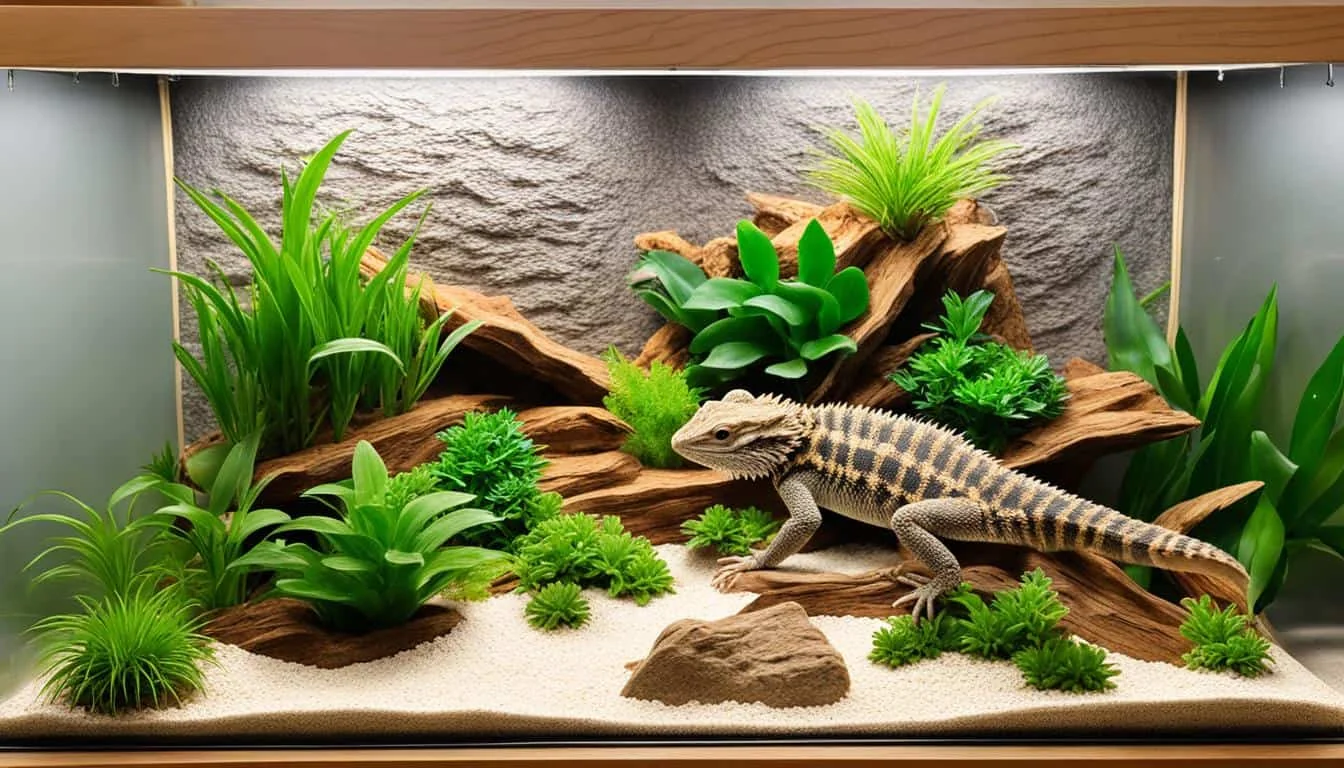
Choosing the right substrate is one of the most important decisions you’ll make when setting up a habitat for your bearded dragon. The substrate serves as the floor of your dragon’s enclosure, and it plays a crucial role in their overall health and well-being. A suitable substrate provides a comfortable surface for basking, digging, and resting, while also assisting with humidity regulation and waste absorption. Conversely, the wrong choice can lead to a range of health problems, from respiratory infections to impaction. This guide provides an overview of different substrates, the pros and cons of each, and the factors to consider when making your selection, ensuring a happy and healthy environment for your scaly friend.
Top 5 Bearded Dragon Substrate Picks
Selecting the best substrate can feel overwhelming given the numerous options available. However, some substrates stand out as safer, more practical, and more beneficial for your bearded dragon. Below is a list of the top five substrates, each with its own advantages and disadvantages, enabling you to make an informed decision.
ReptiSand
ReptiSand is a commercially available sand designed specifically for reptiles. It comes in various colors and is often marketed as a safe and naturalistic substrate. It’s generally made of calcium carbonate, which is digestible, reducing the risk of impaction if ingested. It’s also aesthetically pleasing, creating a desert-like environment for your bearded dragon. Always research brands and products and use caution when introducing any sand into the habitat, as it can be a risk if ingested, and keep it clean.
Pros of ReptiSand
- Digestible: Made from calcium carbonate, reducing the risk of impaction.
- Aesthetic Appeal: Provides a naturalistic look that mimics a desert environment.
- Encourages Natural Behavior: Allows for digging and burrowing.
Cons of ReptiSand

- Dusty: Can be dusty, potentially irritating the respiratory system.
- Impaction Risk: While digestible, excessive ingestion can still lead to impaction.
- Maintenance: Requires regular cleaning to maintain hygiene.
Play Sand
Play sand is a budget-friendly option that is readily available at most hardware stores. It’s typically made of silica sand and is often used in children’s sandboxes. While it can be a suitable option, there are a few important considerations. Regular play sand is not digestible, so it’s important to ensure your bearded dragon doesn’t ingest a large amount. Choosing the right type of play sand and implementing proper cleaning protocols are critical to ensure it remains a safe option. It’s also advisable to thoroughly wash and dry the sand before using it to remove any dust or contaminants.
Pros of Play Sand
- Affordable: Significantly cheaper than specialized reptile substrates.
- Readily Available: Easily found in most hardware stores.
- Naturalistic: Provides a natural look and feel, encouraging digging.

Cons of Play Sand
- Impaction Risk: Not digestible, increasing the risk of impaction if ingested.
- Dusty: Can be very dusty, potentially irritating the respiratory system.
- Cleaning: Requires regular cleaning and sifting to maintain cleanliness.
Tile
Tile is a highly practical substrate option that offers several advantages in terms of cleanliness and safety. Ceramic or stone tiles are popular choices because they are non-porous, making them easy to clean and disinfect. They also provide excellent heat retention, which is beneficial for basking. However, tiles can be a less natural substrate, and they don’t allow for digging, which can be a natural behavior for bearded dragons. It’s important to select a tile with a non-slip surface to prevent injury and provide a good grip for your dragon.
Pros of Tile
- Easy to Clean: Non-porous surfaces are easy to disinfect.
- Safe: Reduces the risk of impaction.
- Heat Retention: Retains heat well, aiding in thermoregulation.
Cons of Tile
- Non-Natural: Doesn’t allow for digging or burrowing.
- Can Be Slippery: Requires a textured surface to prevent slips.
- Aesthetic: May not provide as natural an appearance.

Paper Towels
Paper towels are a simple and low-cost substrate option, particularly suitable for young or sick bearded dragons. They are very easy to clean and replace, which helps to maintain a hygienic environment. They also minimize the risk of impaction since they are non-ingestible. However, they don’t offer the naturalistic look or the ability to dig that other substrates provide. They may also need to be replaced frequently to maintain cleanliness, which can become time-consuming.
Pros of Paper Towels

- Easy to Clean: Very easy to replace and clean.
- Safe: Minimizes the risk of impaction.
- Hygienic: Reduces the risk of bacterial growth.
Cons of Paper Towels

- Unnatural: Doesn’t provide a natural environment.
- No Digging: Doesn’t allow for digging or burrowing.
- Aesthetic: Not aesthetically pleasing.
Alfalfa Pellets

Alfalfa pellets, commonly used as food for small livestock, can be a suitable substrate, particularly for younger bearded dragons. They offer some degree of absorbency and are relatively safe if ingested in small amounts. However, they can be dusty, and the moisture can cause them to mold if not changed frequently. Their ability to absorb odors and the natural look can make them a practical option for some owners, but careful consideration is needed for their upkeep.
Pros of Alfalfa Pellets
- Absorbent: Helps absorb moisture and odors.
- Natural Look: Provides a naturalistic look.
- Soft: Offers a comfortable surface for your dragon.
Cons of Alfalfa Pellets
- Dusty: Can be dusty, potentially irritating the respiratory system.
- Mold: Can mold if not changed frequently.
- Maintenance: Requires regular cleaning and replacement.
Factors to Consider When Choosing Substrate
Selecting the right substrate is more than just picking one from a list. You need to consider a few vital factors to ensure you choose the best option for your bearded dragon’s overall health and well-being. These factors can vary greatly depending on individual circumstances, so understanding each of them is important to make an informed decision. Considering these elements will help in making the perfect substrate choice to create the best possible habitat for your pet.
Bearded Dragon’s Age
The age of your bearded dragon is a crucial consideration when selecting a substrate. Young bearded dragons are more prone to ingesting substrate, which can lead to impaction. For juvenile dragons, it’s generally safer to use non-particulate substrates like paper towels or reptile carpet. As your dragon matures, you can consider substrates like tile or a digestible sand mix. Always monitor your dragon’s behavior and adjust the substrate as needed. A substrate that is safe and suitable for a young dragon may pose a danger to a fully grown adult.
Enclosure Size and Type
The size and type of your enclosure can also influence your substrate choice. Larger enclosures offer more flexibility in terms of substrate options, including those that allow for digging and burrowing. Smaller enclosures, on the other hand, may benefit from easier-to-clean substrates like tile or paper towels. The enclosure type also plays a role; for example, a bioactive setup requires a substrate that supports live plants and beneficial bacteria. The ideal substrate needs to align with the overall setup to provide the best environment for the dragon.
Ease of Cleaning and Maintenance

The ease of cleaning and maintaining your chosen substrate is a crucial practical consideration. Some substrates, like tile, are simple to spot-clean and disinfect, making maintenance straightforward. Others, such as sand, require more frequent and thorough cleaning to prevent bacterial buildup and maintain a healthy environment. Consider how much time you are willing to dedicate to cleaning and maintenance when selecting your substrate. Choosing a substrate that fits your lifestyle will help ensure that your dragon’s enclosure stays clean and safe.
Cost and Availability
Cost and availability can influence your substrate choice. Substrates like play sand and paper towels are generally more affordable and readily available, while specialized reptile substrates may be more expensive. Consider your budget and how easy it is to obtain the substrate in your area. Also, factor in the cost of regular replacement, as some substrates need to be changed more frequently than others. The best substrate is one you can afford to maintain consistently.
In summary, the choice of substrate for your bearded dragon depends on several factors. Weigh the pros and cons of each option. Consider your dragon’s age, enclosure size, cleaning needs, and budget. Prioritize safety and health. By making an informed decision, you’ll provide the best habitat for a happy and healthy dragon.