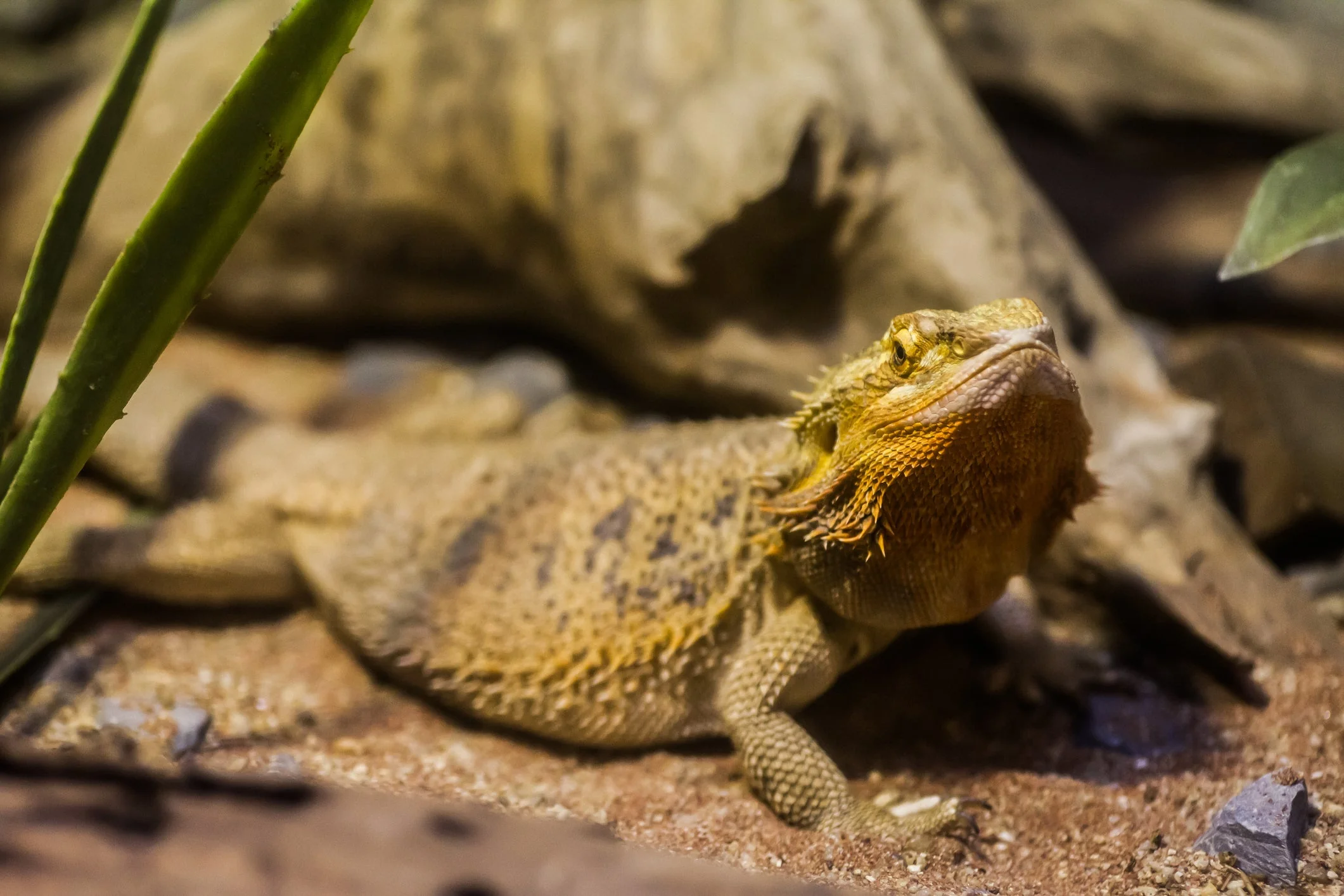
Understanding the Importance of Substrate for Bearded Dragons
The substrate in your bearded dragon’s enclosure is more than just a floor covering it is a critical element that significantly impacts their health, well-being, and lifespan. A suitable substrate provides a comfortable environment for your dragon, allowing them to exhibit natural behaviors like digging and burrowing. It also plays a vital role in regulating humidity levels, which is essential for proper shedding and overall respiratory health. Furthermore, the right substrate can help to control the temperature within the enclosure, contributing to the dragon’s ability to digest food and maintain a healthy metabolism. The choice of substrate also influences the ease of cleaning and maintenance, directly affecting the hygiene of the enclosure and the dragon’s exposure to harmful bacteria and parasites. Proper substrate selection is a cornerstone of responsible bearded dragon ownership.
Choosing the Right Substrate for Longevity
Selecting the appropriate substrate is a key aspect of ensuring your bearded dragon’s long and healthy life. Several factors should guide your decision. Consider the age and health of your dragon, as young or sick dragons may require different substrate options. The ease of cleaning and sanitation is another critical factor; a substrate that’s easy to maintain will reduce the risk of bacterial buildup. The ability of the substrate to hold and release humidity is also significant, as this affects the dragon’s shedding process. Finally, the safety of the substrate is paramount; it must be non-toxic and free from small particles that can be ingested, potentially causing impaction. Researching different substrate types and understanding their specific properties is the first step in making an informed decision that supports your dragon’s longevity.
Substrate Materials and Their Durability
The durability of a bearded dragon’s substrate directly impacts its longevity and how long it will effectively serve its purpose. Different materials offer varying degrees of durability. Natural substrates, such as playsand (ensure it’s calcium-free) and bioactive mixes, can last longer with proper maintenance, though they require more involved cleaning routines. These substrates offer a more natural environment, encouraging natural behaviors but they can also be more susceptible to bacterial growth if not properly managed. Conversely, artificial substrates like reptile carpet and tile substrates often offer higher durability and are easier to clean, but they may not provide the same enrichment or natural environment. The choice should balance ease of maintenance with the dragon’s needs and the overall aesthetic and comfort of the enclosure. Careful consideration of the material’s resistance to wear and tear, its ability to withstand regular cleaning, and its overall impact on the dragon’s health are all essential.
Sand Substrate Pros and Cons

Sand is a popular substrate choice for bearded dragons, offering a naturalistic environment that allows for digging and burrowing. Its appeal lies in its ability to mimic the dragon’s natural habitat. However, there are significant pros and cons to consider. Pros of using sand include its ability to allow natural behaviors and sometimes aid in shedding. It also can be readily available. Cons include the potential for impaction if ingested, especially with calcium sand. Sand also harbors bacteria if not regularly cleaned. It does not maintain humidity, and can be messy to manage. Choosing the right type of sand is crucial; opt for washed, calcium-free play sand to reduce the risk of impaction and other health issues. Regular cleaning and replacement are necessary to mitigate bacterial growth and ensure a safe habitat.

Tile Substrate Pros and Cons
Tile substrate is a durable and hygienic option that is gaining popularity among bearded dragon owners. Its advantages include easy cleaning, non-absorbent properties, and a generally low risk of bacterial buildup. Tiles are also often reusable, making them a cost-effective option in the long run. However, tile substrates also have drawbacks. The lack of texture and the inability to burrow can limit the dragon’s natural behaviors. The surface can get quite warm under heat lamps, potentially leading to burns if the dragon cannot escape the heat. Tiles also provide little to no humidity retention which can cause shedding problems. Choosing the correct tile is crucial; ensure that the tiles are appropriate for reptiles and use a textured tile to provide grip for the dragon.
Paper Towels Substrate Pros and Cons
Paper towels represent a convenient and budget-friendly substrate option for bearded dragons, especially during quarantine or when the owner is concerned about sanitation. Their primary advantages are ease of cleaning and disposability, ensuring a high level of hygiene. They also minimize the risk of impaction, making them safe for dragons of all ages. On the other hand, paper towels lack aesthetic appeal and do not allow for natural behaviors like digging or burrowing. They offer no humidity retention. While safe, paper towels can also be less stimulating for the dragon. They are best suited for short-term use or as part of a quarantine protocol. To maximize the effectiveness of paper towels, change them frequently and monitor the enclosure’s humidity levels.

Other Substrate Options for Bearded Dragons

Beyond the more common choices, other substrates can be used, each with its own benefits and drawbacks. Reptile carpet is a reusable option that can be cut to fit the enclosure. It’s relatively easy to clean, though it can trap bacteria if not cleaned properly. Bioactive substrates, which often combine soil, sand, and other materials, create a naturalistic environment with beneficial bacteria and organisms that help break down waste. This option requires significant setup and maintenance. Consider the dragon’s health, the ease of maintenance, and the overall environment of the enclosure when selecting less common substrates.
Maintaining Substrate for Optimal Longevity
Proper maintenance is crucial for maximizing the life of your bearded dragon’s substrate and ensuring a healthy environment. Regular spot cleaning, removing waste and soiled areas, is the first step. For solid substrates like tile and reptile carpet, this involves wiping down surfaces as needed. For loose substrates, scoop out solid waste daily, and replace the entire substrate at the recommended intervals. The frequency of cleaning depends on the substrate type, the size of the enclosure, and the dragon’s habits. It is important to change the substrate often enough to prevent the buildup of harmful bacteria. Maintaining the right humidity and temperature levels within the enclosure will also help to preserve the substrate. Routinely inspecting the substrate for signs of wear, mold, or other issues will allow for timely replacement.
Cleaning and Disinfecting Your Bearded Dragon’s Substrate
Cleaning and disinfecting the substrate are vital for maintaining the health of your bearded dragon and preventing the spread of diseases. Different substrates require different cleaning methods. For solid substrates, wipe down surfaces with a reptile-safe disinfectant regularly. For loose substrates, scoop out waste daily and replace the entire substrate every few weeks to months, depending on the material. Ensure the substrate is completely dry before returning it to the enclosure. Use only reptile-safe disinfectants, following the manufacturer’s instructions carefully. In between full substrate changes, deep cleaning of the enclosure, including the substrate, is important to ensure a safe environment. Before adding a substrate, it is important to wash it and sanitize it to ensure that no harmful bacteria or parasites are present.
Recognizing Signs of Substrate Deterioration

Recognizing the signs of substrate deterioration is vital for maintaining a healthy environment for your bearded dragon. One key indicator is the presence of persistent odors, indicating a build-up of bacteria or waste. Changes in the substrate’s appearance, such as discoloration or the presence of mold, are also warning signs. If the substrate is not maintaining the appropriate humidity levels, it is likely past its prime. If you notice your bearded dragon behaving differently, such as a loss of appetite, respiratory issues, or lethargy, the substrate could be contributing to the problem. Regular inspection of the substrate and the enclosure is key to ensuring that your dragon thrives.
Extending the Life of Your Bearded Dragon’s Substrate
Several steps can be taken to extend the life of your bearded dragon’s substrate while ensuring a clean and safe habitat. Implement a regular cleaning schedule, spot-cleaning daily and changing the substrate at the recommended intervals. Use the appropriate substrate type for your dragon, considering their age, health, and activity level. Proper ventilation and humidity management are crucial, as these prevent mold growth and bacterial buildup. Avoid introducing contaminated materials, such as plants from outside. The substrate should be inspected on a regular basis for wear, mold, and other issues. Storing unused substrate properly, in a dry and airtight container, helps to prevent contamination and extends its usability. By following these steps, you can make your substrate last longer while maintaining a healthy environment for your bearded dragon.
The Impact of Substrate on Bearded Dragon Health
The substrate plays a crucial role in bearded dragon health, both directly and indirectly. A suitable substrate helps regulate the environment, influencing humidity and temperature, which directly affect the dragon’s shedding process and digestive health. The type of substrate influences how easily bacteria and parasites can thrive, impacting the risk of infections. Additionally, some substrates pose a risk of impaction if ingested. Improper substrate choices can lead to respiratory issues, skin problems, and overall stress, all of which can reduce the dragon’s lifespan. The goal is to provide a safe and enriching environment. Careful selection and maintenance of the substrate are essential to promote your bearded dragon’s health and longevity.

Ensuring a Safe and Comfortable Environment for Your Dragon
Creating a safe and comfortable environment for your bearded dragon requires a holistic approach, with the substrate being a central component. Start by selecting a substrate that is appropriate for your dragon’s age, health, and activity level. Ensure the substrate is non-toxic and does not pose a risk of impaction if ingested. Establish a regular cleaning and maintenance routine, including daily spot-cleaning and complete substrate changes at the recommended intervals. Maintain proper humidity and temperature levels to support the dragon’s health and prevent the growth of harmful organisms. The environment should offer opportunities for natural behaviors, like digging or burrowing. Regular observation of your dragon’s behavior and the substrate condition will allow you to make any necessary adjustments, guaranteeing that the habitat remains a safe and healthy space for your pet.

Tips for Substrate Longevity and Durability
To maximize the longevity and durability of your bearded dragon’s substrate, you can implement several key strategies. Choose the right substrate based on your dragon’s specific needs. Establish a consistent cleaning schedule. Use appropriate disinfectants and cleaning agents. Monitor the substrate regularly for signs of deterioration. Provide a well-ventilated environment to control humidity and prevent mold growth. If using loose substrate, consider spot-cleaning daily with a reptile-safe scoop to remove waste immediately. For tile or other solid substrates, wipe them down regularly. By following these tips, you can extend the life of your substrate, save on replacement costs, and, most importantly, provide your bearded dragon with a clean and healthy environment.