Why is Bearded Dragon Substrate Cleaning Important?
Maintaining a clean substrate is paramount for the health and well-being of your bearded dragon. The substrate, which is the material used to line the bottom of their enclosure, serves multiple purposes, including providing a comfortable surface for them to walk and rest on, and aiding in maintaining proper humidity levels. However, it also acts as a repository for waste, uneaten food, and shed skin. Without regular cleaning, this buildup can lead to a host of health problems, including bacterial infections, respiratory issues, and skin diseases. A clean habitat is essential for a happy and healthy bearded dragon, making regular substrate maintenance a critical component of responsible pet ownership. It’s a proactive measure to prevent disease and ensure a comfortable living environment for your scaly friend.
Health Risks of Poor Substrate Hygiene
Neglecting substrate hygiene exposes your bearded dragon to numerous health risks. The most immediate threat is the proliferation of bacteria and parasites. Waste and decaying organic matter provide an ideal breeding ground for these harmful organisms, which can cause infections if ingested or through open wounds. Respiratory infections are another common concern, as ammonia, produced from the breakdown of waste, can irritate the lungs. Skin diseases, such as scale rot, can develop from prolonged exposure to a dirty substrate. Furthermore, a poorly maintained habitat can attract pests like mites, which can infest your dragon. These health risks underscore the necessity of a consistent cleaning schedule, to provide optimal conditions for your bearded dragon to thrive.
Choosing the Right Substrate for Your Bearded Dragon
The choice of substrate significantly impacts your bearded dragon’s health and the ease of cleaning. Choosing a substrate that promotes hygiene is essential. The ideal substrate should be non-toxic, easy to clean, and capable of maintaining appropriate humidity levels. It’s also important to consider the age and health of your bearded dragon when selecting a substrate. The right choice creates a healthier environment for your pet and simplifies the cleaning process.
Safe Substrate Options
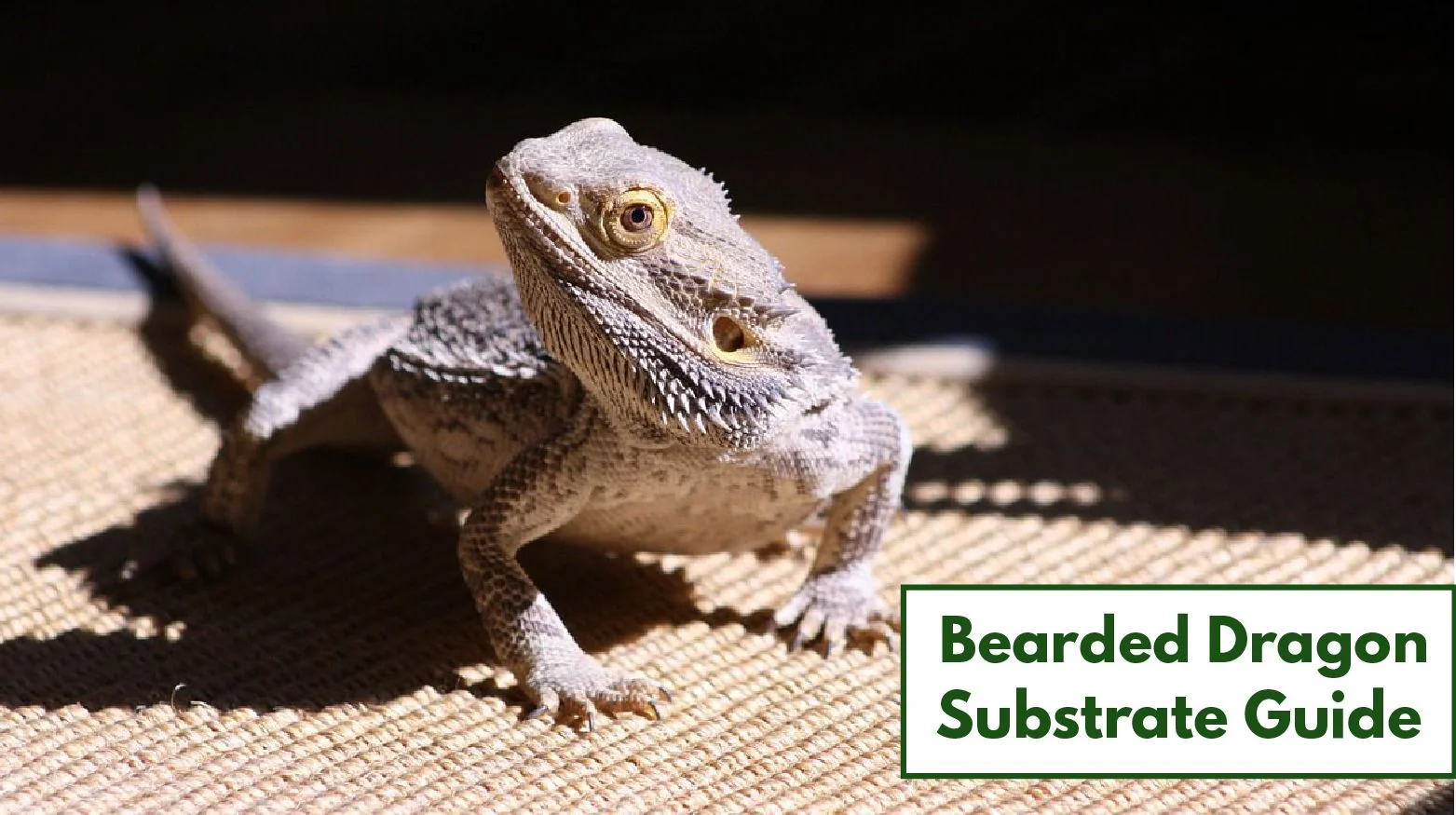
Several substrate options are considered safe and suitable for bearded dragons. Ceramic tiles or reptile carpet are excellent choices as they are non-toxic, easy to clean, and don’t harbor bacteria if cleaned regularly. Paper towels or newspaper offer a readily available and hygienic option, especially for young or sick dragons, as they are easily replaced. Another option is a bioactive setup, which involves a substrate with beneficial bacteria and organisms that break down waste, but this requires careful planning and maintenance to ensure it functions correctly. Each option offers unique benefits, and the best choice depends on your preferences and your dragon’s specific needs.
Substrates to Avoid
Certain substrates pose significant risks to bearded dragons and should be avoided. These include substrates that can be easily ingested and cause impaction, such as sand, especially calcium sand. Wood shavings, such as cedar or pine, are also problematic, as they can be toxic and release harmful fumes. Alfalfa pellets can be a breeding ground for mold if they get wet. The best substrates are those that minimize the risk of ingestion and promote a clean environment. Prioritizing safe and easily manageable options is key to ensuring your bearded dragon’s well-being.
Bearded Dragon Substrate Cleaning Schedule
A consistent cleaning schedule is crucial for maintaining a healthy environment. The frequency and methods of cleaning will vary depending on the substrate type, the size of the enclosure, and the number of dragons housed. Implementing a regular cleaning routine is fundamental to preventing the buildup of harmful bacteria and maintaining optimal hygiene for your pet. This proactive approach is essential for a healthy and happy bearded dragon.
Daily Spot Cleaning
Daily spot cleaning involves removing visible waste, such as feces and any uneaten food, and any soiled areas. This can be done with a pair of tongs or a small scoop. Regularly check the substrate for any signs of soiling or contamination. Removing the waste daily helps prevent the spread of bacteria and keeps the habitat clean. This simple task greatly contributes to the overall hygiene of your bearded dragon’s enclosure. This also helps to keep odors at bay, promoting a more pleasant environment for both you and your pet.
Weekly Deep Cleaning

Weekly deep cleaning is more extensive and involves a thorough cleaning of the substrate. This typically includes removing and replacing the substrate, or, in the case of non-loose substrates, scrubbing them down with a reptile-safe disinfectant. You should also wipe down the enclosure’s walls and any decorations. This process removes accumulated bacteria, urine, and other contaminants that daily spot cleaning may miss. Using a reptile-safe disinfectant is crucial to eliminate harmful microorganisms effectively. Be sure to rinse everything thoroughly and allow it to dry completely before putting it back into the enclosure. This weekly cleaning helps to maintain a clean environment.
Monthly Full Tank Cleaning
Monthly full tank cleaning is a complete overhaul of the entire enclosure. This involves removing all the substrate, decorations, and any other items. The entire enclosure should be thoroughly cleaned with a reptile-safe disinfectant. All items should be rinsed and dried before being returned to the enclosure. This provides a deep clean that keeps your bearded dragon healthy and happy. During the cleaning, this is also a good time to inspect the enclosure for any signs of wear and tear, or the need for replacement. This is the most comprehensive cleaning you do.

Step-by-Step Guide to Deep Cleaning Bearded Dragon Substrate
Deep cleaning requires a systematic approach. First, remove your bearded dragon to a secure, clean, and temporary enclosure. Remove all the substrate from the enclosure and dispose of it properly. Wash the enclosure with reptile-safe disinfectant, paying attention to all surfaces and corners, then rinse thoroughly. Clean any decorations or accessories. Allow everything to dry completely before reassembling the enclosure. Add a fresh, clean substrate and return your bearded dragon to its clean habitat. The process, while simple, ensures a healthy environment.
Materials Needed for Cleaning

Gathering the right cleaning supplies is essential before you start. You will need reptile-safe disinfectant, disposable gloves, paper towels, a spray bottle, a scoop or tongs for waste removal, and a separate, secure container for your bearded dragon. A scrub brush or sponge can be helpful for cleaning the enclosure. It is important to never mix different cleaning products. Having all the necessary materials readily available will make the cleaning process smoother and more efficient. This makes it easier to stay on top of your bearded dragon’s hygiene.
Cleaning Process for Non-Loose Substrates
Cleaning non-loose substrates such as ceramic tiles or reptile carpet is relatively straightforward. Remove the substrate and clean it thoroughly with reptile-safe disinfectant, following the manufacturer’s instructions. Ensure the substrate is completely dry before replacing it. If you are using reptile carpet, consider having a spare to rotate in while the dirty carpet is being cleaned. Wipe down the enclosure with disinfectant, rinse, and dry. This ensures a clean and healthy environment for your bearded dragon, minimizing the risk of contamination and disease. Thoroughness is key when cleaning non-loose substrates.
Cleaning Process for Loose Substrates
Cleaning loose substrates, like sand or soil mixes, requires a different approach. You can sift the substrate to remove waste and debris. However, with loose substrates, it is usually recommended to completely replace the substrate during weekly or monthly cleaning. Discard the old substrate, clean and disinfect the enclosure, and then add a fresh supply of clean substrate. Proper disposal of the used substrate is also important. This process minimizes the risk of bacterial growth and ensures a clean environment for your pet. Always replace loose substrate at the recommended frequency.
Maintaining Optimal Hygiene in Your Bearded Dragon’s Habitat

Beyond cleaning the substrate, several factors contribute to maintaining optimal hygiene. This involves a holistic approach to enclosure maintenance and environmental control. Prioritizing these aspects can significantly improve your bearded dragon’s health and well-being, ensuring a comfortable and safe environment.
Proper Ventilation and Humidity

Proper ventilation and humidity control are crucial for maintaining a healthy environment. Good ventilation helps to prevent the buildup of harmful gases, such as ammonia, and reduces the risk of respiratory infections. Humidity levels should be appropriate for your bearded dragon’s specific needs; too much humidity can lead to bacterial growth and fungal infections. Proper ventilation systems and regular monitoring of humidity levels are essential for creating a healthy environment. A hygrometer is useful for monitoring humidity levels. Ensure that you have adequate ventilation and control humidity levels, so that the enclosure is the right environment.
Signs of a Healthy Habitat
A healthy habitat exhibits several key characteristics. The enclosure should be free of foul odors, and the substrate should be clean and dry. Your bearded dragon should appear active, alert, and in good physical condition. The absence of any signs of illness, such as lethargy, loss of appetite, or respiratory distress, indicates that the habitat is well-maintained. Regularly observing your dragon and its enclosure will help you to detect and address any problems promptly. By maintaining a clean environment, you help to support your bearded dragon’s health.
Common Mistakes in Substrate Cleaning
Avoiding common mistakes is key to ensuring effective substrate hygiene. Failing to clean the enclosure regularly is one of the most significant errors. Using harsh chemicals, or improperly diluted disinfectants, can be dangerous for your bearded dragon. Not allowing the enclosure to dry completely after cleaning can also contribute to bacterial growth. These are a few of the common pitfalls that can compromise the effectiveness of your cleaning efforts and potentially harm your pet. Being mindful of these mistakes can improve your approach to cleaning and ensure your bearded dragon’s health.
Over-Cleaning and Its Effects
While cleaning is essential, over-cleaning can also be detrimental. Excessive cleaning can disrupt the natural bacterial balance in the enclosure, potentially increasing the risk of introducing new bacteria. Over-cleaning can also lead to stress for your bearded dragon, as it may feel unsettled in a constantly changing environment. Finding the right balance is important; follow a consistent schedule without being overly aggressive. A balanced approach to cleaning creates a more stable and comfortable environment for your bearded dragon.
Using Harsh Chemicals
Using harsh chemicals is a major mistake to avoid. Household cleaners can contain toxic ingredients that are harmful to bearded dragons. Even when rinsed thoroughly, residues can irritate your dragon’s skin or be ingested. Always use reptile-safe disinfectants that are specifically formulated for use in reptile enclosures. Following the manufacturer’s instructions is important to avoid any harm to your pet. Making informed choices about cleaning products is crucial to ensure your bearded dragon’s safety and well-being.
Tips for Maintaining a Clean Bearded Dragon Habitat

Adopting good habits can make maintaining a clean habitat much easier. These habits will improve your bearded dragon’s health. Implement these tips to create a healthy, and easily maintained environment.
Regular Monitoring of Substrate

Regularly monitor the substrate for any signs of contamination. This includes checking for waste, uneaten food, and any unusual odors. Keep track of your cleaning schedule and be consistent with it. Early detection of any issues can prevent them from escalating into bigger problems. This also lets you respond promptly to any potential issues. Regular monitoring ensures a proactive approach to keeping the enclosure clean and promoting your bearded dragon’s health.
Importance of Quarantine for New Substrate
When introducing new substrate, it’s crucial to quarantine it before placing it in your bearded dragon’s enclosure. This involves rinsing the substrate thoroughly and allowing it to dry completely. This can also involve using a reptile-safe disinfectant. This will eliminate any potential contaminants or parasites that may be present. This precaution minimizes the risk of introducing harmful substances into your dragon’s habitat. This is one of the best ways to maintain a safe and healthy environment.
The Benefits of a Clean Habitat
The benefits of a clean habitat are numerous. A clean environment reduces the risk of disease and infections, promotes better respiratory health, and enhances your bearded dragon’s overall well-being. A clean habitat fosters a more comfortable and stress-free environment, which contributes to a healthier, happier pet. Prioritizing cleanliness not only protects your dragon’s health but also allows you to enjoy a more pleasant interaction with your pet. By taking good care of your dragon’s environment, you can ensure they will thrive.