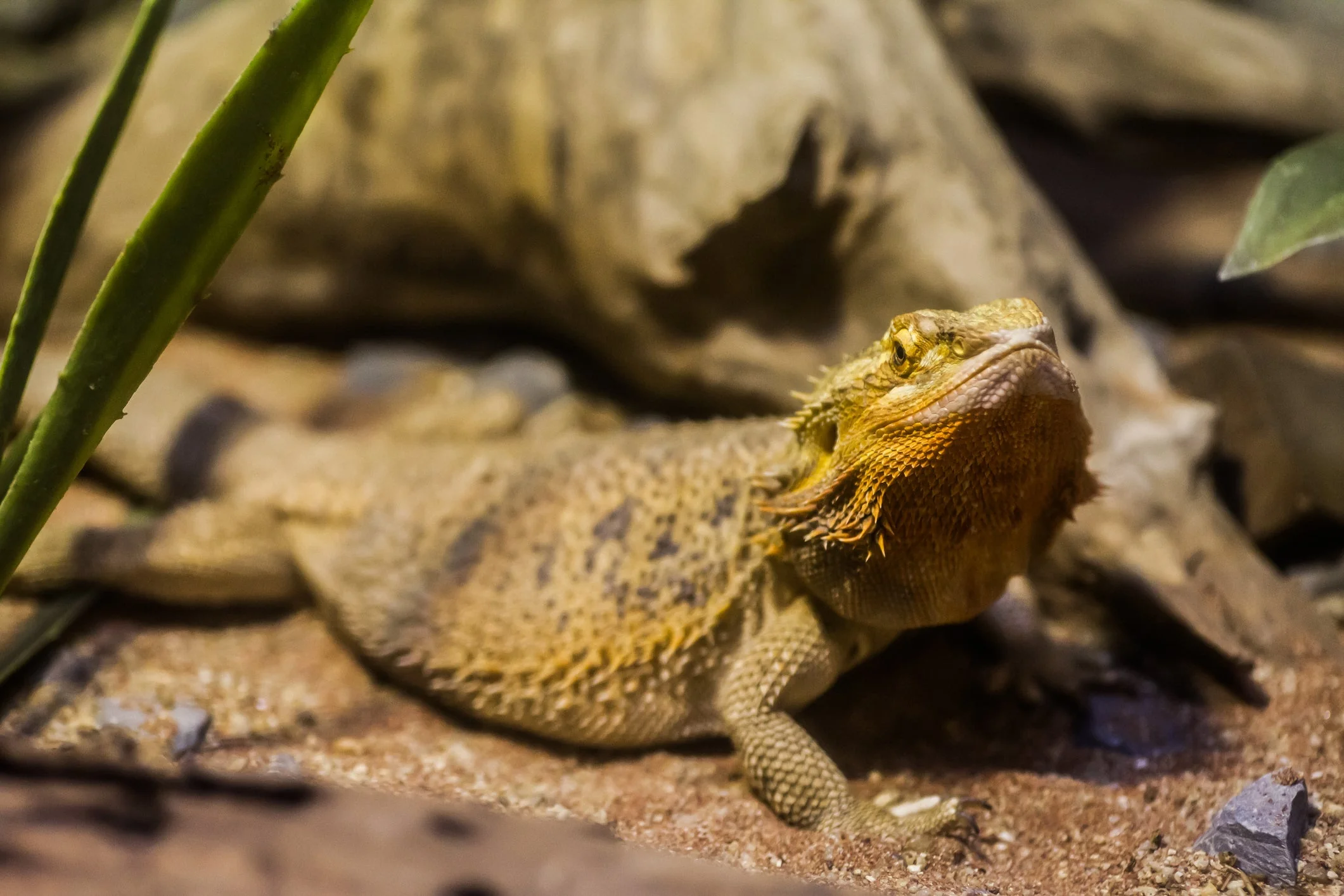
Understanding Bearded Dragon Substrate Needs
Bearded dragons, native to the arid regions of Australia, require a specific environment to thrive. Their substrate, the material lining the bottom of their vivarium, plays a crucial role in their overall health and well-being. The right substrate provides a comfortable surface for walking and basking, aids in maintaining proper humidity levels, and allows for natural behaviors like digging. Understanding these needs is the first step in establishing a successful care routine. A well-chosen and maintained substrate helps prevent health issues, reduces stress, and contributes to a happy, healthy bearded dragon. The selection process involves carefully considering safety, ease of cleaning, and the dragon’s natural behaviors.
Why Clean Substrate Matters for Bearded Dragons
A clean substrate is not just about aesthetics; it is fundamental to your bearded dragon’s health. The vivarium environment can quickly become a breeding ground for bacteria, parasites, and mold if the substrate isn’t properly maintained. These harmful elements can lead to various health problems, ranging from minor skin irritations to severe respiratory infections. Regular cleaning helps to eliminate waste, uneaten food, and other debris, preventing the buildup of harmful substances. This proactive approach ensures a healthier, safer living space for your pet. Proper substrate maintenance is a vital part of responsible pet ownership. Cleanliness directly impacts your dragon’s physical health, mental well-being, and longevity.
Health Benefits of a Clean Substrate
A clean substrate directly contributes to several significant health benefits for your bearded dragon. By removing waste products and reducing the presence of harmful bacteria, you minimize the risk of skin infections, respiratory illnesses, and parasitic infestations. A clean environment also supports a healthy immune system, making your dragon less susceptible to diseases. Reduced exposure to pathogens, coupled with appropriate humidity and temperature levels, promotes optimal shedding cycles and skin health. A clean substrate also contributes to improved digestion by preventing the ingestion of harmful bacteria that could be present in a dirty environment. All of this leads to a happier, healthier dragon.
Reducing Stress in Bearded Dragons
Bearded dragons are sensitive creatures, and their environment plays a crucial role in their stress levels. A clean vivarium significantly contributes to reducing stress. A consistently clean substrate eliminates unpleasant odors and minimizes the presence of potential irritants, such as ammonia from urine and feces. A clean and well-maintained habitat fosters a sense of security and promotes natural behaviors. When a bearded dragon feels safe and comfortable in its environment, it is less likely to experience stress-related behaviors, such as decreased appetite, lethargy, or excessive hiding. Regular cleaning and proper substrate management are key to creating a happy and healthy dragon.
Types of Bearded Dragon Substrate
Choosing the right substrate is crucial for your bearded dragon’s health and comfort. Several options are available, each with pros and cons. Paper towels and reptile carpet are easy to clean and disposable, making them a convenient choice. However, they offer little opportunity for natural behaviors like digging. Sand is a popular choice, but it can be problematic if ingested, potentially leading to impaction. Other options include bioactive substrates, which use a mix of soil and beneficial organisms to break down waste. Each option requires specific maintenance and cleaning protocols. The ideal choice depends on the individual dragon’s needs and the owner’s ability to maintain it properly. Prioritizing safety, ease of cleaning, and the ability to promote natural behaviors will help you choose the right one. Consider your bearded dragon’s age, health, and activity level when making your decision. Consider the use of the bearded dragon substrate-types.webp image here.
Safe and Unsafe Substrate Options
Safety should be your top priority when selecting a substrate. Avoid substrates that pose a risk of impaction, such as calcium sand, which can be ingested and cause blockages in the digestive tract. Small particles, like wood shavings, can also be hazardous if swallowed. Safe alternatives include paper towels, reptile carpet, and bioactive substrates with large particle sizes that cannot be readily consumed. Consider how the substrate will affect humidity levels in the vivarium. Ensure that the substrate is non-toxic and does not contain any harmful chemicals or additives. Before selecting a substrate, research its safety profile and read reviews from other bearded dragon owners. Prioritize the health and safety of your pet.

Step-by-Step Bearded Dragon Substrate Cleaning Guide
A consistent cleaning routine is key to maintaining a healthy vivarium. Begin by gathering your cleaning supplies, including gloves, a scoop, and appropriate cleaning solutions. First, remove any visible waste, such as feces and uneaten food, daily. Spot clean the substrate as needed to remove any visible debris. Next, conduct a weekly deep cleaning, which involves removing the substrate, disinfecting the vivarium, and replacing the substrate. Always rinse the substrate thoroughly and allow it to dry completely before placing it back in the enclosure. Ensure you are using a reptile-safe disinfectant to avoid harming your dragon. A well-defined cleaning routine is vital to ensuring the health of your dragon. Consider the use of the bearded dragon-daily-spot-cleaning.webp and bearded dragon-weekly-deep-cleaning.webp images here.
Daily Spot Cleaning Routine
Daily spot cleaning involves removing waste products and visible debris from the substrate. Use a scoop or tongs to remove feces and uneaten food promptly. Inspect the substrate for any other waste, such as shed skin or spilled water. Replace any soiled paper towels or reptile carpet immediately. For solid substrates, such as sand or bioactive mixes, you can spot clean using a dedicated reptile scoop. Doing this prevents the buildup of bacteria, odors, and the risk of your dragon ingesting anything harmful. It also promotes a fresh and inviting environment for your pet. Be consistent with this process every day. This simple step is vital in maintaining a healthy environment and reducing stress.
Weekly Deep Cleaning Routine
Weekly deep cleaning is crucial for comprehensive vivarium hygiene. Remove your dragon safely to a temporary, secure enclosure. Take out all the substrate and dispose of it. Thoroughly clean and disinfect the enclosure. Use a reptile-safe disinfectant to kill any bacteria or parasites. Rinse the enclosure thoroughly with water to remove any traces of the cleaning solution. Allow the enclosure to dry completely before adding fresh substrate. Once the enclosure is clean and dry, add the new substrate. Ensure you maintain appropriate humidity and temperature levels for the safety of your dragon. This more in-depth cleaning helps eliminate built-up contaminants and ensures a healthy environment. Consider the use of the bearded dragon-cleaning-tools.webp image here.
Cleaning Tools and Supplies
Having the right tools and supplies makes cleaning much easier. Essential items include disposable gloves to protect your hands, a scoop or tongs for removing waste, and a reptile-safe disinfectant. Also, prepare the cleaning products and a spray bottle for applying it. You will need clean water for rinsing. Paper towels or a soft cloth are also useful for drying surfaces. A dedicated set of cleaning supplies helps prevent cross-contamination. Always read and follow the instructions on any cleaning products. Proper cleaning tools and supplies will not only save time but also guarantee the effectiveness of your cleaning procedure. A clean environment is essential for your bearded dragon’s health.
Choosing the Right Cleaning Products
Selecting the appropriate cleaning products is vital for your dragon’s health and safety. Opt for reptile-safe disinfectants specifically designed for vivariums. These products are formulated to kill harmful bacteria and parasites without posing a risk to your pet. Avoid using harsh chemicals, such as bleach or ammonia, as they can be toxic. Always read and follow the instructions on the product label carefully. Ensure the product is safe for use around reptiles and that the vivarium is thoroughly rinsed after cleaning to remove any residual chemicals. Look for products that are effective yet gentle. Selecting the right cleaning products ensures a safe and healthy environment.

Avoiding Common Cleaning Mistakes


Several common mistakes can undermine your efforts to maintain a clean vivarium. One mistake is using harsh chemicals that can harm your dragon. Another mistake is not rinsing the vivarium thoroughly after cleaning, leaving behind residue. Failing to clean frequently enough can lead to the buildup of harmful bacteria. Not replacing the substrate regularly is another significant oversight. Neglecting to spot clean daily can also contribute to a less-than-ideal environment. Avoid overcrowding the vivarium. By avoiding these common mistakes, you can create a safe and healthy living space for your bearded dragon.

Maintaining a Healthy Vivarium Environment

Maintaining a healthy vivarium environment involves more than just cleaning. It also involves ensuring proper temperature and humidity levels, providing adequate lighting, and offering a balanced diet. Regularly monitor the temperature and humidity using appropriate gauges. Provide a basking spot with the correct temperature and gradient. Ensure UVB lighting is available for proper vitamin D3 synthesis. Provide fresh water daily and a varied diet rich in insects and vegetables. Proper husbandry will help your bearded dragon thrive. A balanced and well-maintained environment supports overall health and reduces stress. Consider the use of the bearded dragon-healthy-vivarium.webp image here.
Optimizing Humidity and Temperature
Temperature and humidity are crucial factors for a bearded dragon’s health. Maintaining appropriate levels can prevent health issues and support healthy shedding and digestion. Provide a basking spot with a temperature of 95-110°F (35-43°C) and a cooler area for thermoregulation. Humidity levels should typically be between 30-40%. Use a hygrometer to monitor humidity levels. Proper ventilation is crucial for preventing the buildup of excess humidity and preventing respiratory infections. If humidity is too low, mist the enclosure with water. If humidity is too high, improve ventilation or use a dehumidifier. Regularly monitor and adjust these environmental conditions.
Recognizing Signs of a Dirty Substrate

It is important to recognize the signs that your substrate needs cleaning. Obvious indicators include the presence of visible feces, uneaten food, and other debris. An unpleasant odor is another sign that your substrate needs attention. Changes in your dragon’s behavior can also indicate a problem. If your dragon is spending more time hiding or exhibiting a lack of appetite, it could be related to the environment. If you notice any of these signs, it is time to clean the substrate. Regular observation and monitoring are key to maintaining a healthy habitat. Consider the use of the bearded dragon-dirty-substrate-signs.webp image here.
Behavioral Changes in Your Dragon
Bearded dragons often exhibit specific behavioral changes when their substrate is not clean. These changes can serve as important signals that indicate the need for cleaning. Increased hiding behavior is a common sign, as your dragon may feel vulnerable or stressed in an unsanitary environment. Reduced appetite or a complete refusal to eat can also be linked to a dirty vivarium, as the dragon may feel uncomfortable. Changes in activity levels, such as becoming more lethargic, could indicate that the dragon is stressed. Observing your dragon’s behavior is essential for proactive cleaning and is key to promoting a healthy environment. Consider the use of the bearded dragon-happy.webp image here.
Health Issues Linked to Dirty Substrate
A dirty substrate can lead to a range of health issues for bearded dragons. Bacterial infections, such as Salmonella, can thrive in a contaminated environment. Respiratory infections can also develop due to the buildup of harmful bacteria and mold. Parasitic infestations, such as pinworms, are more likely to occur in dirty conditions. Skin infections can arise from the presence of bacteria and irritants. Regularly cleaning the substrate is essential for preventing these health problems and ensuring your bearded dragon’s well-being. Maintaining a clean vivarium is a crucial aspect of preventative care.
Troubleshooting Common Issues
Even with regular cleaning, some issues may arise. Persistent odors can be a challenge; consider using a reptile-safe odor eliminator or switching to a different substrate. If your dragon is consistently soiling in one area, consider providing a designated spot. If you are experiencing high humidity issues, ensure proper ventilation. If you encounter mold or fungus, remove the contaminated substrate immediately. Troubleshoot the common issues to maintain a clean environment for your dragon.
Dealing with Persistent Odors
Persistent odors can be a frustrating problem, and they are often an indication that your cleaning routine needs adjustment. Begin by identifying the source of the odor. Thoroughly cleaning the entire vivarium, including all surfaces and decorations, can help eliminate lingering smells. Use a reptile-safe odor eliminator specifically designed to neutralize unwanted smells. Evaluate your substrate choice, as some materials are more prone to retaining odors than others. Ensuring proper ventilation helps prevent the buildup of unpleasant smells. Regularly spot cleaning and implementing the deep cleaning procedures will help with odor control. Eliminating persistent odors will improve the overall comfort of the enclosure.
Addressing Substrate Contamination
Substrate contamination can occur from various sources. If you notice signs of mold or fungus, immediately remove the contaminated substrate and replace it with fresh, clean material. If you suspect a parasite, such as pinworms, consult a veterinarian immediately. Thoroughly disinfect the entire vivarium to eliminate any potential sources of re-infestation. Always inspect any new additions to the vivarium. If you are using a bioactive substrate, ensure that the proper balance of organisms is maintained. Addressing substrate contamination promptly and effectively is critical to maintaining the health of your bearded dragon.
Creating a Stress-Free Environment for Your Dragon
Creating a stress-free environment is crucial for your bearded dragon’s well-being. A clean substrate is only one component; however, all aspects of the environment must be considered. Provide adequate space and enrichment items, such as branches, rocks, and hides. Maintain the correct temperature and humidity levels. Offer a varied diet and access to fresh water. Ensure appropriate UVB lighting for healthy growth and behavior. Handling your dragon gently and providing a consistent routine will help build trust and reduce stress. A comprehensive approach to vivarium care can create a truly stress-free environment.