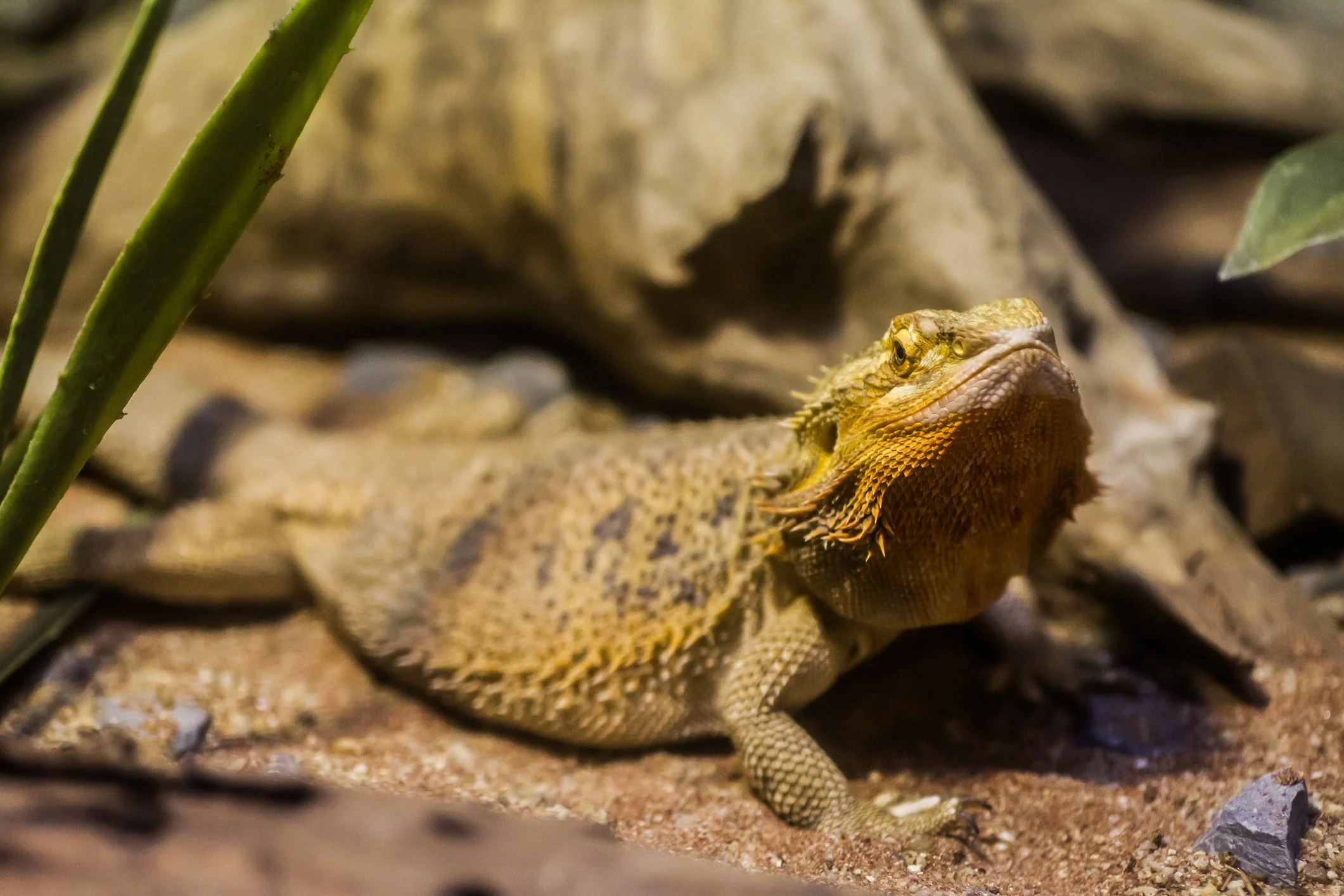
What is Substrate and Why Does it Matter?
Substrate, in the context of bearded dragon care, refers to the material that lines the bottom of your pet’s enclosure. It’s more than just bedding; it plays a crucial role in the overall health and well-being of your bearded dragon. The right substrate provides a comfortable environment for your dragon to live in, aiding in thermoregulation, allowing for natural behaviors like burrowing, and supporting proper hygiene. A suitable substrate helps maintain the correct humidity levels, which is vital for shedding and preventing respiratory infections. It also provides a stable surface for your dragon to move and rest on, contributing to their physical health. Choosing the right substrate is one of the most important decisions you will make when setting up your bearded dragon’s habitat, so understanding its importance is the first step towards providing the best care.
Understanding Bearded Dragon Habitat Needs
Bearded dragons are native to the arid and semi-arid regions of Australia, so their habitat needs reflect these natural conditions. In captivity, you must recreate these environments to ensure their health. The ideal habitat will have a temperature gradient, with a basking spot reaching 100-110°F (37-43°C) and a cooler end around 75-85°F (24-29°C). Humidity should be kept relatively low, ideally between 20-40%, to prevent respiratory issues. This is where the substrate comes into play, as it can affect both temperature and humidity levels. A good substrate will help maintain these conditions, allowing your dragon to regulate its body temperature effectively. Furthermore, consider the size of the enclosure. A larger enclosure provides more space for exploration and activity, which is essential for their physical and mental health. Regular exposure to UVB light is also a critical component of a healthy habitat, as it enables them to synthesize vitamin D3, vital for calcium absorption and bone health.
Choosing the Right Substrate for Your Dragon
When selecting a substrate, prioritize safety, functionality, and your dragon’s well-being. Consider the age of your bearded dragon, as hatchlings and juveniles have different needs than adults. Evaluate the substrate’s ability to maintain proper humidity levels, and how easy it is to clean and maintain. You should also consider how the substrate affects the overall aesthetic of the enclosure. Your bearded dragon will spend most of its time in this environment. Ensure that the chosen substrate isn’t toxic and poses no risk of impaction, which is a serious health concern. Always research and choose a substrate that aligns with the specific needs of your bearded dragon. Make sure that you consider the cost. While it may be tempting to opt for the cheapest solution, investing in quality substrate is an investment in your pet’s health. Regularly observe your bearded dragon for any signs of discomfort or illness, and adjust the substrate as needed to ensure optimal conditions.
Loose Substrates Pros and Cons

Loose substrates, such as sand, soil, and mixes, offer some advantages. They allow for natural behaviors like digging and burrowing, which can enrich your dragon’s environment and stimulate its mind. These substrates also have the potential to absorb waste and maintain humidity levels to some degree, which helps to create a more naturalistic setup. The downsides, however, are significant. Loose substrates can be easily ingested, leading to impaction if your dragon accidentally swallows it, especially when eating. Maintaining cleanliness can be challenging, as waste can get mixed in, making it difficult to spot-clean. Furthermore, the substrate can harbor bacteria and parasites if not maintained properly, posing health risks to your dragon. Careful consideration and regular maintenance are required if you choose to use a loose substrate to ensure your bearded dragon’s well-being.
Safe Loose Substrates
If you choose to use a loose substrate, opt for safe options that minimize the risk of impaction. Play sand, when thoroughly rinsed and cleaned, can be a suitable option for adult bearded dragons. It’s less likely to cause impaction than other types of sand, but it still requires careful monitoring. A mix of organic topsoil and play sand can also work well, offering a more naturalistic feel and the ability to retain moisture, while still providing a reasonable level of safety. Be sure to source soil that is free of fertilizers, pesticides, and other harmful chemicals. Additionally, specialized reptile substrates, like those made from recycled paper or coconut fiber, can provide a safer alternative. These materials are often designed to be digestible or less likely to cause impaction, reducing the risks associated with loose substrates. Always monitor your dragon to ensure that it is not ingesting too much of the substrate.
Unsafe Loose Substrates
Avoid substrates known to pose a high risk of impaction. Calcium sand is a popular choice, but it is not recommended because it can clump together when wet, forming hard masses that can be difficult for your dragon to pass. It can also encourage excessive calcium intake. Gravel and small pebbles are incredibly dangerous. They are easily swallowed and can cause severe digestive blockages. Wood shavings, especially those made from cedar or pine, can be toxic to bearded dragons and irritate their respiratory systems. Avoid these types of substrate. Additionally, steer clear of sand that is not specifically designed for reptiles. Construction sand or other types of sand can contain sharp particles or harmful contaminants. Always prioritize the safety and well-being of your bearded dragon by avoiding any substrate that could pose a risk to their health.
Solid Substrates Pros and Cons

Solid substrates, such as reptile carpet, paper towels, and ceramic tiles, offer an easy-to-clean and safe alternative to loose substrates. They significantly reduce the risk of impaction because they are not ingestible. They also offer a sterile environment, minimizing the risk of bacterial growth and parasite infestation. Solid substrates are very easy to maintain, and spot cleaning is a breeze. However, solid substrates can be less natural, depriving your bearded dragon of the opportunity to burrow or dig. They may not hold humidity as well as some loose substrates, which can be a factor in maintaining the correct environmental conditions. Furthermore, solid substrates might not be as comfortable for your dragon to rest on, especially if they are very hard. This can be mitigated by adding basking spots or utilizing specific types of solid substrate, like textured tiles.
Safe Solid Substrates
Some of the best solid substrate options include reptile carpet and ceramic tiles. Reptile carpet is easily cleaned and replaced, and it offers a surface that is safe for your dragon to walk on. However, it needs to be replaced regularly. Ceramic tiles are also excellent, offering a durable and aesthetically pleasing surface. They are non-porous, making them easy to sanitize, and they are good at retaining heat. Paper towels are a very simple and economical choice, especially for new dragons or during quarantine. They are easy to replace daily, making it easy to monitor your dragon’s waste. Consider also using non-adhesive shelf liners, which are safe and simple to clean. When choosing a solid substrate, always ensure that it is non-toxic, clean, and appropriate for your dragon’s size and needs. Avoid rough surfaces to prevent injury to your dragon’s feet.
Best Substrate for Baby Bearded Dragons
For baby bearded dragons, safety is the utmost priority. The best substrates for babies are those that minimize the risk of impaction. Paper towels or reptile carpet are excellent choices. They provide a clean, easy-to-monitor surface. The frequent waste produced by baby dragons makes it easy to spot clean and sanitize the habitat. Solid substrates also allow for a clear view of the waste, allowing you to monitor your dragon’s health. If you want to offer a more naturalistic experience, consider a mix of organic topsoil and play sand, but always supervise your baby dragon to ensure it is not ingesting the substrate. Regularly check and maintain these substrates, changing them frequently to prevent the spread of bacteria. Remove any uneaten food promptly to maintain a healthy environment. As they grow, you can consider other substrates.
Best Substrate for Adult Bearded Dragons

Adult bearded dragons can tolerate a wider range of substrates compared to babies, making it easier to create a natural and enriching environment. A mix of safe loose substrates, such as organic topsoil and play sand, is an ideal choice as it allows for burrowing and digging. This combination encourages natural behaviors and enhances the overall well-being of your dragon. The blend retains moisture, which contributes to proper shedding. Safe solid substrates like reptile carpet and ceramic tiles are still viable, particularly if you prioritize ease of cleaning and minimal risk of impaction. The right choice depends on the specific needs of your dragon. Choose a substrate that aligns with your preferred cleaning schedule and aesthetic preferences while keeping the health and happiness of your pet in mind. Regardless of the substrate selected, make sure to monitor the overall hygiene of the enclosure.
Substrate Maintenance and Cleaning
Proper substrate maintenance is essential for the health of your bearded dragon. Spot-clean the enclosure daily, removing any feces and uneaten food. For solid substrates, a simple wipe-down is sufficient, while loose substrates will require more frequent sifting and cleaning to remove waste. Thoroughly clean and disinfect the entire enclosure regularly. The frequency of deep cleaning will depend on the substrate you are using, but a good rule is to replace the substrate entirely every 1-3 months. Wash any accessories, like hides and water bowls, with reptile-safe disinfectant. It’s important to monitor the substrate for signs of mold or excessive moisture. The overall cleanliness of the environment is crucial for preventing the growth of bacteria and parasites. Ensure proper ventilation in the enclosure, so the substrate dries thoroughly. This will minimize the risk of respiratory problems and keep your bearded dragon healthy.


Signs of a Healthy Substrate
A healthy substrate will show certain signs. It should be clean and free from visible waste and mold. The substrate should also maintain appropriate humidity levels, which can be tested using a hygrometer. A properly maintained substrate won’t emit any unusual odors. Your bearded dragon’s behavior is a key indicator. If it is active, eating well, and shedding properly, the substrate is likely supporting its health. The appearance of the substrate itself will also be a clue; it should look fresh and clean, with no signs of contamination. If using a loose substrate, it should not be excessively dusty, as this can irritate the respiratory system. Regularly check the substrate, and the overall health of your bearded dragon will indicate whether or not the substrate is doing its job. Remember that a healthy substrate is an integral part of a thriving habitat.

Common Substrate Mistakes to Avoid
Several common mistakes can negatively affect your bearded dragon’s health. One of the most serious is using unsafe substrates like calcium sand or gravel. They can cause impaction and can be fatal. Another common mistake is neglecting regular cleaning and maintenance. Failing to clean and disinfect the enclosure can result in the accumulation of harmful bacteria. Providing improper humidity levels through the substrate is another mistake. Too much humidity can lead to respiratory infections and too little humidity can cause problems with shedding. Overlooking the age of your dragon and using the wrong substrate can also cause problems. Baby dragons have specific requirements, and what works for an adult may not be safe for a baby. Be sure to do your research. Finally, failing to monitor your dragon’s health and behavior is a major mistake. Regularly check for any signs of illness or discomfort that may be related to the substrate.
Expert Tips for Substrate Success
For substrate success, always research the best options. Prioritize safety and the health of your dragon. Choose a substrate that is appropriate for the age of your bearded dragon, with babies needing substrates that minimize the risk of impaction. Regular monitoring of your dragon’s health and habitat is key to identifying potential problems. Create a feeding station. This will help minimize the amount of substrate ingested while eating. Consider the aesthetic aspects of the habitat, but always prioritize functionality and your dragon’s well-being. If you’re using a loose substrate, use a feeding bowl or dish to further minimize the risk of accidental ingestion. If your dragon does ingest substrate, watch for the signs of impaction and consult with a veterinarian if you suspect a problem. By following these expert tips, you can ensure a happy and healthy life for your bearded dragon.