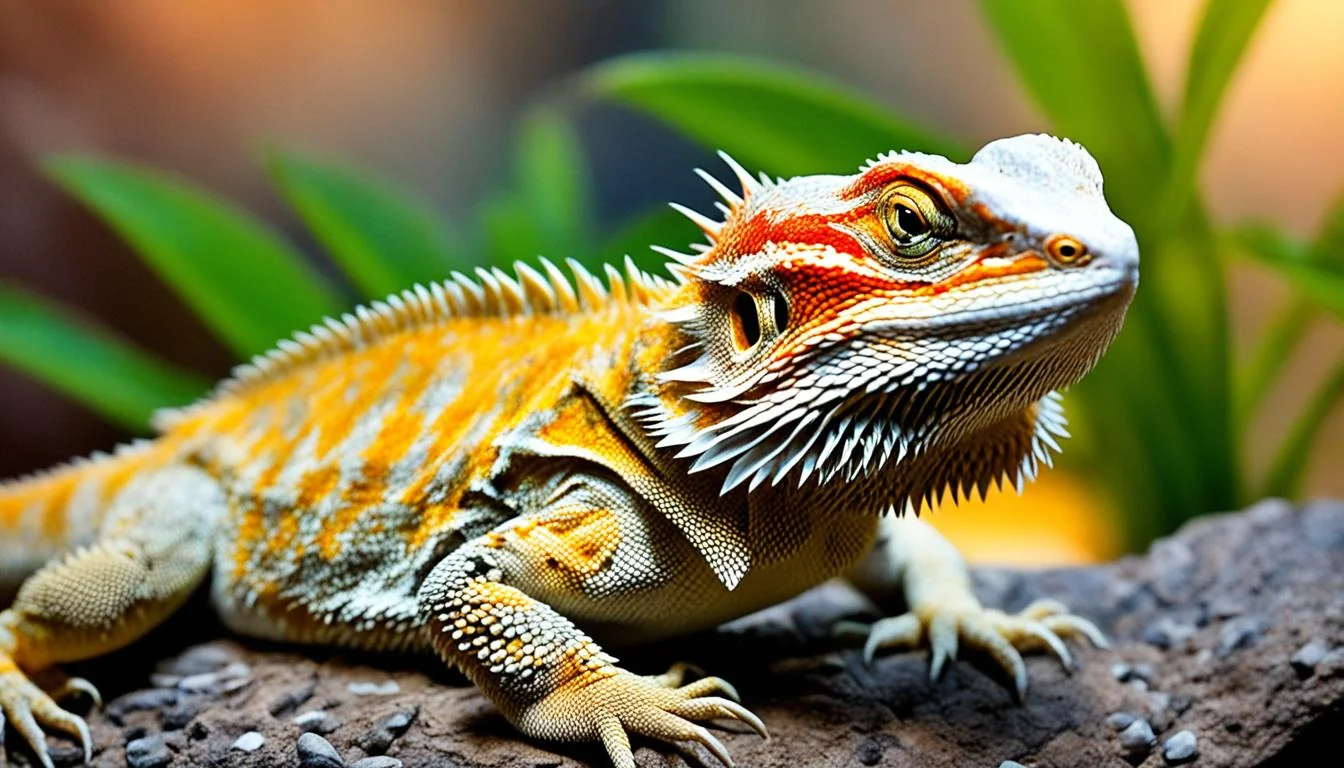
Bearded dragons, with their prehistoric appearance and charming personalities, make captivating pets. However, these reptiles are susceptible to stress, which can significantly impact their health and well-being. Recognizing stress indicators in your bearded dragon is crucial for providing proper care and ensuring a happy, healthy life. This guide delves into the top five signs of stress in bearded dragons and offers practical calming techniques to help your scaly friend thrive. Understanding these indicators empowers you to create a comfortable environment, promoting a strong bond and a vibrant life for your pet. Early detection and intervention are key to mitigating the negative effects of stress and maintaining the overall health of your bearded dragon.
Bearded Dragon Stress Indicators
Changes in Behavior
One of the first signs of stress in a bearded dragon is a noticeable change in its usual behavior. This can manifest in various ways, such as becoming more aggressive, irritable, or withdrawn. You might observe your dragon hissing, puffing up its beard, or even attempting to bite more frequently than usual. Conversely, a typically active dragon may become lethargic and less interested in interacting with its environment or its owner. These behavioral shifts often indicate an underlying issue that needs immediate attention. Paying close attention to your dragon’s daily routines and interactions is essential for identifying deviations that may signal stress. Observing changes allows for quicker response, which reduces the chance of further stress related issues, and helps the dragon feel safer.
Loss of Appetite
A significant decrease in appetite is a common stress indicator. A stressed bearded dragon might refuse to eat its favorite insects or vegetables, or it might consume significantly less than usual. This loss of appetite can lead to weight loss and nutritional deficiencies, further exacerbating the stress. Several factors can contribute to appetite loss, including environmental changes, overcrowding, or the presence of other pets. If your dragon suddenly stops eating, it’s crucial to investigate the cause. Check the temperature and humidity levels in the enclosure and ensure that the dragon’s diet is varied and appealing. If the problem persists, consult with a veterinarian to rule out any underlying health issues that could be contributing to the lack of appetite. Addressing the root cause is essential to restore your dragon’s appetite and overall health.
Darkening of the Beard and Body
The darkening of a bearded dragon’s beard and body is a visual sign of stress that is often accompanied by other behavioral changes. When stressed, a bearded dragon will often darken its beard and sometimes its entire body. This is a natural response, but if it becomes a constant state, it’s a clear indication that the dragon is not comfortable. The darkening can range from a slight darkening to almost completely black. While a darkened beard can be a normal part of thermoregulation or courtship behavior, persistent darkening, especially when combined with other symptoms, is a cause for concern. This color change serves as a visual cue that allows you to identify potential problems quickly. Monitor your dragon for any of these visual changes, and observe other indicators for a more complete picture of your pet’s comfort.
Lethargy and Lack of Movement

A stressed bearded dragon may exhibit lethargy, characterized by a lack of energy and reduced activity. It might spend most of its time lying still in one spot, without showing interest in its surroundings. You might notice that your dragon is less active during feeding times or avoids interacting with you. This lack of movement can be a sign of depression or feeling unwell. This can also be a sign of another underlying medical condition so consulting a vet may be necessary. Ensure that the environment provides the right lighting, temperature, and humidity for an active dragon. If the dragon appears lethargic for an extended period, consult a reptile veterinarian to rule out any potential health problems and to determine the cause of the stress.
Increased Hiding
Bearded dragons love to bask in the sun, and are usually out in the open, exploring their environment. However, a stressed bearded dragon may spend an excessive amount of time hiding in its enclosure. This could be behind a hide rock, in a corner, or even under the substrate. Increased hiding behavior is a sign that the dragon feels threatened, insecure, or uncomfortable in its environment. It is a way for them to avoid perceived dangers. If your bearded dragon starts hiding more than usual, it is important to determine the cause. Check the enclosure for potential stressors, such as overcrowding, inadequate temperature, or noisy surroundings. Providing a safe and secure environment can encourage your dragon to come out of hiding and resume normal behaviors. Creating a comfortable habitat is very important to the dragon’s well-being.

Calming Techniques for Stressed Bearded Dragons
Provide a Safe and Secure Environment
Creating a secure and safe environment is essential for reducing stress in your bearded dragon. This involves providing a properly sized enclosure with appropriate temperature gradients, UVB lighting, and a humid environment. The enclosure should be free from drafts and direct sunlight, and should offer plenty of hiding places where the dragon can retreat when it feels vulnerable. Ensure the enclosure is not overcrowded, as this can cause competition for resources and increase stress. Regularly clean the enclosure to maintain good hygiene and reduce the risk of disease. A stable environment is essential for a comfortable life for your bearded dragon. Consider placement, and location as the first step to a long life for your pet.
Proper Handling Techniques

Handling your bearded dragon correctly is crucial for minimizing stress during interaction. Always approach your dragon slowly and gently, avoiding sudden movements that could startle it. Support the dragon’s body when you pick it up, and avoid squeezing or holding it too tightly. If your dragon shows signs of stress during handling, such as puffing up its beard or hissing, put it back in its enclosure immediately. Never force your dragon to interact if it is not receptive. Start with short handling sessions and gradually increase the duration as your dragon becomes more comfortable. Positive reinforcement can help your dragon associate handling with positive experiences. Always wash your hands before and after handling to maintain the dragon’s health.
Maintain a Consistent Routine

Bearded dragons thrive on consistency and predictability. Maintaining a regular schedule for feeding, lighting, and handling can help reduce stress levels. Feed your dragon at the same time each day, and provide fresh water daily. Ensure the lights turn on and off at consistent times to mimic a natural day-night cycle. Keep handling sessions short and at consistent times, avoiding sudden changes or disruptions to their routine. Minimize environmental changes, and place the enclosure in a quiet, low-traffic area of the home to help the dragon feel safe. The consistent routine helps your pet feel safe in its environment, and helps reduce instances of unwanted stress.
Ensure Optimal Habitat Conditions
Maintaining the right habitat conditions is vital to minimize stress in bearded dragons. This involves providing the correct temperature gradient, with a basking spot and a cooler area. The temperature of the enclosure needs to be kept consistent. The appropriate levels of UVB lighting are essential for the dragon’s health. The humidity level should also be maintained according to your dragon’s needs. Regular monitoring of these factors using a thermometer and a hygrometer is important for preventing stress and promoting well-being. Ensuring your dragon has all the right elements and conditions within its enclosure is the most important step.

Avoid Overhandling

While handling is important to bond with your dragon, overhandling can lead to stress. Be mindful of how frequently you interact with your dragon and allow it plenty of time to rest and relax in its enclosure. If your dragon is new to you, begin by short, frequent interactions. You can gradually increase the time that you spend with the dragon. Observe your dragon’s behavior and adjust the handling schedule accordingly. Never force interaction, particularly if your dragon shows signs of stress. Pay attention to how your dragon is reacting to your presence, and adjust your handling practices according to its needs. Avoid disturbing your dragon during its resting or eating times. Giving your bearded dragon space is important for preventing stress.
Preventing Stress in Bearded Dragons
Regular Health Checks
Regular health checks are essential for preventing stress and ensuring that your bearded dragon remains healthy. Schedule regular visits with a qualified reptile veterinarian for physical exams. During these exams, the vet can identify any underlying health problems, nutritional deficiencies, or other issues that may be contributing to stress. Early detection of health issues allows for prompt treatment, minimizing the impact on the dragon’s well-being. Health checks can include fecal exams to check for parasites, bloodwork to assess overall health, and dental exams to address any issues. Routine checkups are a proactive measure that can help ensure a long, happy life for your dragon.
Enrichment Activities
Enrichment activities can help reduce stress and keep your bearded dragon stimulated and engaged. Provide a variety of activities to keep your dragon entertained, such as hiding places, climbing structures, and puzzle feeders. Changing the layout of the enclosure periodically can prevent boredom. Introducing new objects, such as safe plants or toys, can also stimulate your dragon’s curiosity. Supervised out-of-enclosure time can be beneficial, allowing your dragon to explore a safe area. These activities help to reduce stress by keeping them active. Stimulating activities and environmental changes are important for your bearded dragon’s happiness and health.
Understand Your Beardie’s Personality

Every bearded dragon has its unique personality. Some dragons are naturally more outgoing and social, while others are shy and prefer to have more alone time. Understanding your dragon’s personality is essential for preventing stress and providing the right care. Observe your dragon’s behavior, preferences, and responses to different stimuli. Learn what it enjoys and what it dislikes. Tailor your handling, enclosure setup, and enrichment activities to suit your dragon’s individual needs. Creating a connection based on trust can lower stress, while also allowing your pet to live a happy life. This means your pet gets the best life, while reducing their stress levels.
In conclusion, recognizing and addressing stress in bearded dragons is essential for their health and well-being. By understanding the common indicators of stress and implementing calming techniques, you can ensure that your scaly companion leads a happy and fulfilling life. A healthy, stress-free bearded dragon is a testament to the care and attention provided by a responsible owner. By dedicating yourself to understanding your pet’s needs, you will experience the joy of a happy, healthy bearded dragon.