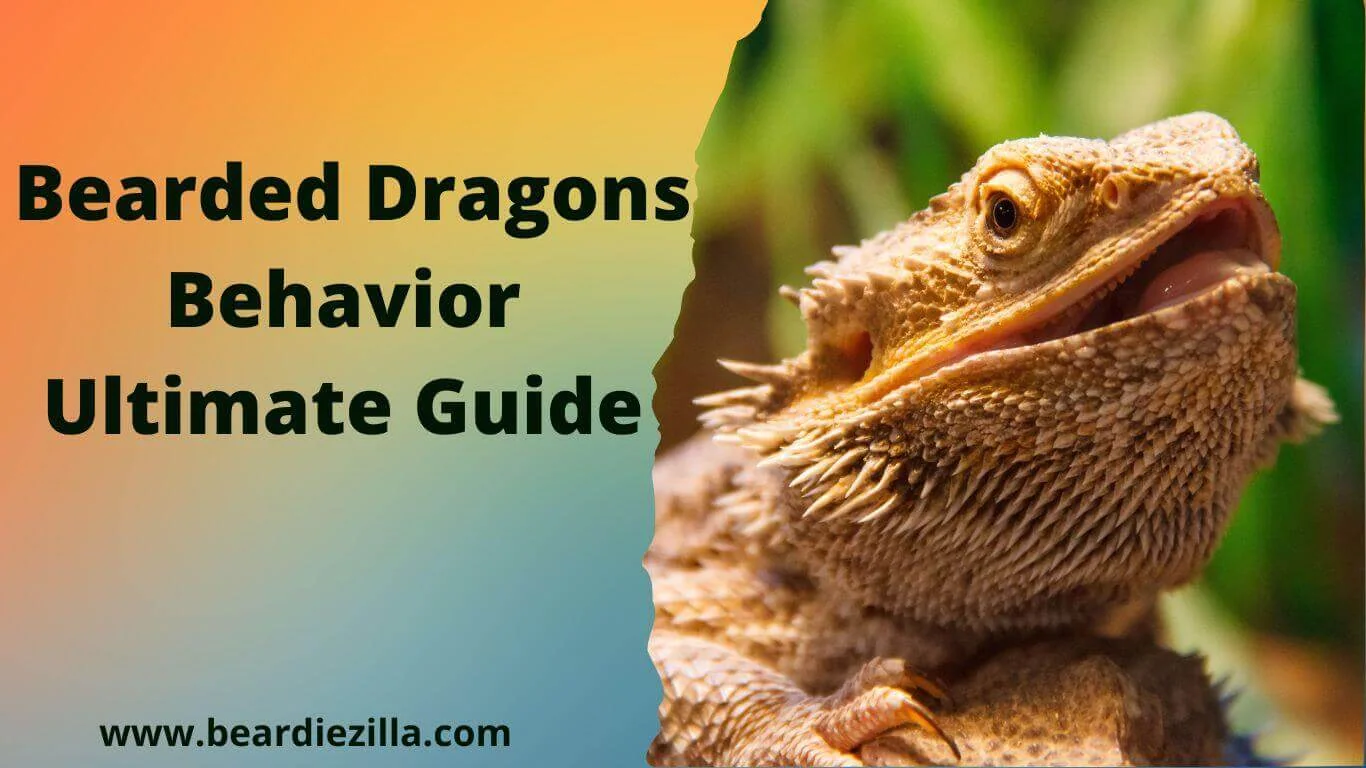
Understanding Bearded Dragon Stress
Bearded dragons, fascinating reptiles known for their docile nature and unique appearance, can unfortunately experience stress just like any other pet. Understanding the root causes of stress in these creatures is the first step towards providing them with a happy and healthy life. Stress can manifest in various ways, impacting their overall well-being and even their lifespan. Recognizing the signs of stress and knowing the common stressors will allow you to implement effective behavior modifications that will provide them with comfort and relief. It’s crucial to create an environment that minimizes stress and allows them to thrive. A stressed bearded dragon is more susceptible to illness and behavioral problems, so a proactive approach is essential to avoid any future issues.
Recognizing Signs of Stress in Bearded Dragons
Identifying stress in your bearded dragon is critical for timely intervention. Several behavioral and physical cues can indicate that your pet is feeling overwhelmed. One of the most obvious signs is a change in coloration; a stressed dragon may appear darker than usual. They may also exhibit erratic behaviors, such as pacing inside their enclosure or attempting to escape. Loss of appetite is another indicator of stress; your dragon may refuse to eat, or eat less than normal. Changes in bowel movements, such as diarrhea or constipation, can also be a sign. Additionally, a stressed dragon might become more lethargic, spending more time hiding or avoiding interaction. Observing these signs and addressing the underlying causes can make a huge difference to their wellbeing.
Common Stressors for Bearded Dragons
Bearded dragons can experience stress from various sources, understanding these is key to prevention. Environmental factors are often the main culprits; improper temperature and humidity levels can cause significant discomfort. Inadequate lighting, especially the lack of UVB rays, can affect their health and mood. A poorly designed habitat, lacking hiding places or enrichment, can contribute to stress. Social stressors, such as the presence of an aggressive tank mate or even excessive handling, can also take a toll. Dietary issues, such as a poor or unbalanced diet, can lead to physical and psychological stress. Furthermore, loud noises, sudden movements, and the presence of other pets, such as cats or dogs, can create a stressful environment for your dragon. Eliminating or minimizing these stressors is essential for their comfort and long-term health.
Addressing Environmental Stressors
Addressing environmental stressors is a crucial step in managing and preventing stress in bearded dragons. Begin by thoroughly assessing the current setup of their habitat. Ensuring that the temperature and humidity levels are within the ideal range, as this is fundamental to their health. Use a thermometer and hygrometer to monitor these conditions regularly. Provide appropriate UVB lighting, as this is essential for their ability to process calcium and maintain healthy bones. Moreover, create a habitat that caters to their natural behaviors. This should involve ample hiding places where they can retreat when feeling vulnerable, and offering a variety of surfaces and objects to explore. The goal is to provide a secure and stimulating environment that promotes well-being and reduces the risk of stress.

Optimizing Habitat for Stress Relief

Creating the ideal habitat is more than just providing a cage; it’s about crafting an environment where your bearded dragon can thrive without stress. Start with a spacious enclosure, as overcrowding can cause stress. The size should be appropriate for the size of your dragon, allowing ample space for movement and exploration. Use a substrate that is safe, non-toxic, and easy to clean; avoid substrates that can be accidentally ingested. Provide a variety of surfaces for basking, climbing, and hiding. Incorporate branches, rocks, and artificial plants to mimic their natural habitat, allowing them to express natural behaviors. Regularly clean and maintain the habitat to prevent the buildup of waste and bacteria, which can contribute to stress and illness. Regularly observe your dragon in its habitat.
Proper Temperature and Lighting
Proper temperature and lighting are essential for maintaining the health and well-being of your bearded dragon and contribute significantly to stress reduction. A temperature gradient within the enclosure is essential; the basking spot should reach around 100-110°F (37-43°C), while the cooler side should be around 75-85°F (24-29°C). This allows your dragon to regulate its body temperature effectively. UVB lighting is crucial for vitamin D3 synthesis, calcium absorption, and overall health. Ensure the UVB bulb is appropriate for reptiles and replace it according to the manufacturer’s recommendations, as the effectiveness of the bulb diminishes over time. Provide a consistent day-night cycle with about 12-14 hours of light and 10-12 hours of darkness. Regularly check the temperatures with a thermometer and maintain appropriate lighting to ensure your dragon’s comfort and prevent stress.

Creating a Secure and Enriched Environment
Creating a secure and enriched environment is crucial for minimizing stress in your bearded dragon. Provide multiple hiding spots, such as caves, logs, or artificial plants, where your dragon can retreat when feeling vulnerable or seeking privacy. Offer a variety of textures and surfaces to explore; include rocks, branches, and different types of substrate. This encourages natural behaviors and reduces boredom, which can be a significant source of stress. Introduce enrichment items like puzzle feeders, which challenge your dragon mentally and make mealtime more engaging. Rotate the items in the enclosure regularly to keep the environment stimulating and prevent the dragon from getting used to the same things. Make sure that the enclosure is away from any loud noises or constant disturbances.
The Importance of a Good Diet
A good diet is fundamental to the overall health and stress levels of your bearded dragon. A balanced diet should consist primarily of fresh vegetables and leafy greens, with occasional treats of insects, and a small amount of fruit. The specific dietary needs vary based on age; young dragons require a higher proportion of insects to support their growth, while adults can have more plant-based foods. Ensure all food items are fresh and free from pesticides, and offer a variety of different foods to provide a wide range of nutrients. Dust insects with a calcium and vitamin D3 supplement to ensure proper bone health, especially for young dragons. Avoid overfeeding, as obesity can lead to numerous health problems and cause stress. A well-balanced diet is the foundation for a healthy and stress-free bearded dragon.
Feeding Habits and Stress Reduction
Feeding habits play a critical role in reducing stress and promoting well-being in bearded dragons. Establish a consistent feeding schedule; young dragons should be fed multiple times per day, while adults can be fed once daily or every other day. Offer food in a calm and quiet environment to minimize stress. Avoid placing food directly in front of the dragon; instead, allow them to hunt and forage, stimulating their natural behaviors. If your dragon is stressed and not eating, try offering its favorite foods, or hand-feeding to encourage feeding. Observe your dragon’s feeding habits, and adjust the diet or feeding schedule as needed. Always ensure that clean, fresh water is available. Proper feeding habits not only provide essential nutrients but also provide your dragon with comfort.
Supplements and Hydration
Supplements and hydration are essential components of a stress-free life for your bearded dragon. Calcium and vitamin D3 supplements are crucial for the health of their bones. Dust insects with these supplements to ensure they receive adequate amounts. Offer a variety of vegetables and greens that are rich in vitamins and minerals, which can reduce the need for excessive supplementation. Proper hydration is vital; provide a shallow water dish and make sure it is always clean and easily accessible. Mist the enclosure regularly to maintain appropriate humidity levels, especially during shedding. Ensure your dragon is drinking sufficient water, which can be assessed by the consistency of their droppings. By providing supplements and ensuring hydration, you can provide a healthier and less stressful environment for your bearded dragon.

Top 5 Behavior Modifications for Stress Relief
Implementing behavior modifications can significantly alleviate stress in bearded dragons. These techniques focus on changing the dragon’s environment, interactions, or habits to promote relaxation and reduce anxiety. By understanding the specific stressors and addressing them through these modifications, you can greatly improve your dragon’s quality of life. The following are five behavior modifications which are a good place to start; providing hiding places, regular handling, enrichment activities, considering appropriate tank mates, and constantly monitoring and adjusting the environment as needed. The most successful techniques will depend on the unique needs of each individual dragon, so it’s important to carefully observe their responses.


Technique 1 Provide Hiding Places
Offering multiple hiding places is a fundamental behavior modification for reducing stress in bearded dragons. In their natural environment, bearded dragons hide to avoid predators, regulate body temperature, and feel secure. Provide at least two or three hiding spots within the enclosure, allowing your dragon to choose where they feel most safe. These can include commercially available reptile hides, caves, logs, or even simple items like upturned plant pots. Make sure that the hiding places are appropriately sized for your dragon, allowing them to comfortably fit inside. Place hiding spots in different areas of the enclosure; near the basking spot, on the cooler side, and in the middle to give your dragon choices based on their needs. Regularly clean the hiding places to keep them hygienic.
Technique 2 Regular Handling and Interaction

Regular handling and interaction can be an effective behavior modification to reduce stress and build trust with your bearded dragon. However, it’s important to do this properly to ensure a positive experience. Start by gently approaching your dragon, speaking in a calm voice, and slowly extending your hand to allow them to get used to your presence. Avoid quick movements that could scare them. Once they appear comfortable, gently scoop them up from underneath, supporting their body. Hold them for short periods initially, gradually increasing the duration as they become more accustomed to handling. Handle them at different times of the day and in different locations to help them adapt to different situations. If your dragon shows signs of stress, such as puffing up their beard or hissing, put them back in their enclosure immediately. This can strengthen your bond and provide comfort.
Technique 3 Enrichment Activities
Enrichment activities are crucial for reducing boredom and stress in bearded dragons. Provide a variety of activities that stimulate their natural behaviors and mental processes. Offer different types of food, and vary the feeding methods. Introduce foraging opportunities by hiding insects or placing them in puzzle feeders. Create climbing structures, such as branches, rocks, or hammocks, to allow them to explore different levels of their enclosure. Rotate enrichment items regularly to keep them engaged and prevent habituation. You can also introduce safe toys like small, hard balls or objects that they can manipulate and push around. Introducing enrichment activities provides mental and physical stimulation, which can significantly reduce stress and improve their overall well-being. These can include toys, different food items, and varying feeding methods.
Technique 4 Appropriate Tank Mates
Carefully consider the compatibility of tank mates, as this is a crucial factor in managing stress in bearded dragons. Ideally, bearded dragons should be housed individually. Housing multiple dragons together can lead to stress, especially among males, who may compete for dominance and resources, and aggression between them. If you decide to house two or more dragons together, ensure that the enclosure is large enough to accommodate them all, with adequate space, hiding places, and resources for each. Always monitor their interactions closely and be prepared to separate them if any signs of aggression or stress appear. Avoid housing bearded dragons with other species of reptiles or animals, as this can lead to territorial conflicts, stress, and potential injury.
Technique 5 Monitor and Adjust Environment
Regularly monitoring and adjusting the environment is an ongoing behavior modification that can prevent and address stress in bearded dragons. Observe your dragon’s behavior, and watch for any signs of stress, such as changes in color, appetite, or activity levels. Regularly check the temperature and humidity levels within the enclosure, and make adjustments as needed. Inspect the UVB bulb regularly and replace it as recommended by the manufacturer. Clean the enclosure thoroughly on a regular basis, and replace the substrate as needed. Make changes to the environment based on your observations and the needs of your dragon. By being attentive to your dragon’s needs and continually adapting their environment, you can minimize stress and ensure their long-term health and happiness. This can include observing their behavior, adjusting the temperature, and cleaning the enclosure.
Conclusion Stress-Free Bearded Dragons
Reducing stress in bearded dragons is crucial for their well-being and long life. By understanding the sources of stress and implementing the appropriate behavior modifications, you can create an environment where your dragon can thrive. Regular monitoring and adjustments to the habitat, diet, and social interactions are all part of creating a low-stress environment. Remember to be patient and attentive to your dragon’s individual needs. By providing the right care and attention, you can help your bearded dragon live a long, happy, and stress-free life. The goal is to create an environment in which they feel secure, comfortable, and stimulated. By making these adjustments, you ensure your dragon’s health and well-being.