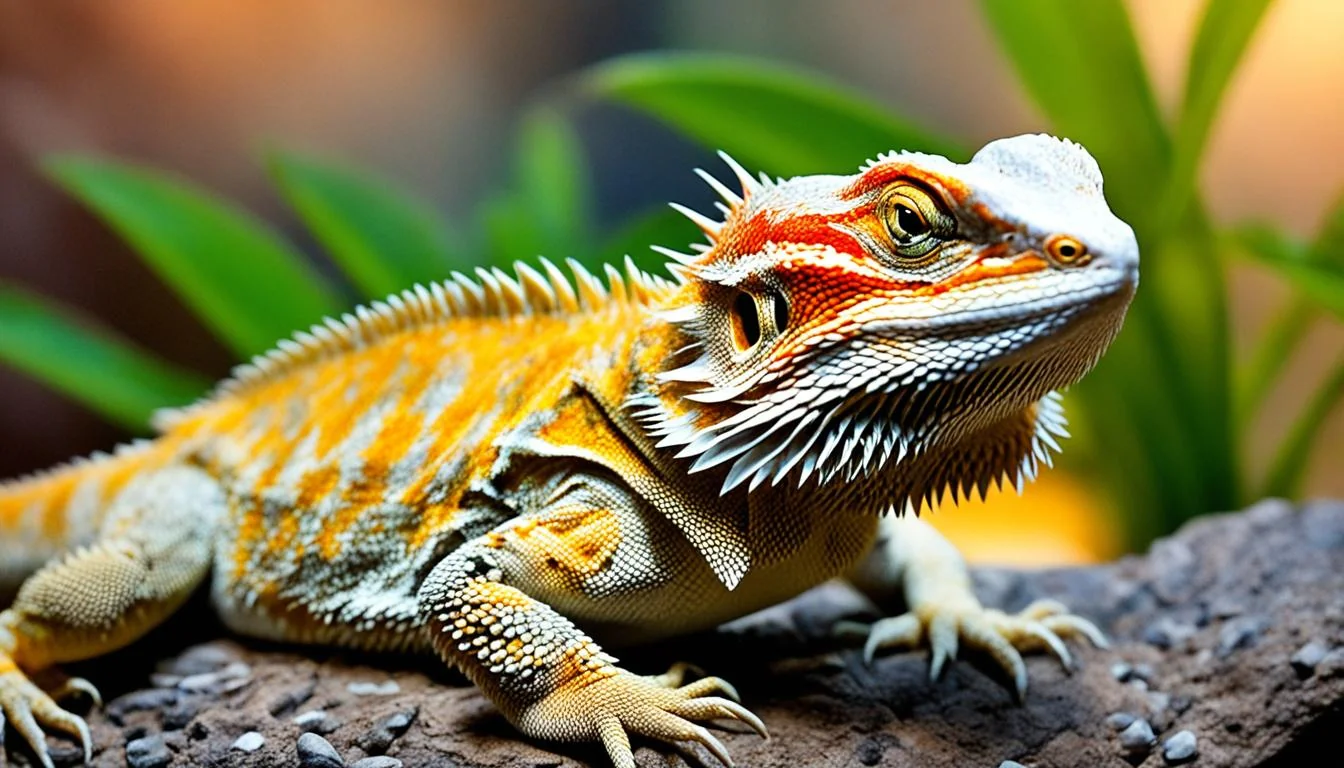
Recognizing Stress in Bearded Dragons
Bearded dragons, with their captivating appearance and docile nature, are popular pets. However, like all animals, they can experience stress, which can significantly impact their health and well-being. Recognizing the signs of stress in your bearded dragon is crucial for providing appropriate care and ensuring a happy, healthy life. This guide provides insights into the key indicators of stress and offers practical solutions to soothe your scaly companion.
Subtle Signs of Stress
Bearded dragons often display subtle cues that indicate they’re feeling stressed. Being observant and understanding these signals is key. These early indicators, if recognized and addressed, can prevent the escalation of stress and maintain the dragon’s overall health. Paying close attention to your dragon’s daily behaviors will help to understand them better.
Changes in Coloration
One of the first signs of stress in bearded dragons is a change in their coloration. While their ability to change color is fascinating, if your dragon’s colors appear duller or darker than usual, or if they exhibit stress marks (dark bands or patches), it could be a sign of distress. These changes are often a physiological response to stress hormones, and observing them can give the pet owner a clue to the dragon’s state. Monitor the dragon daily and see how their color changes.
Decreased Appetite
Stress can significantly impact a bearded dragon’s appetite. If your dragon suddenly stops eating, or shows a decreased interest in food, it could be a red flag. This loss of appetite can lead to other health problems, so it’s important to investigate the cause quickly. Always ensure food and water are available at all times.
Lethargy and Inactivity
A stressed bearded dragon may become lethargic and inactive, spending more time hiding or sleeping. They might move less, avoid interaction, and generally seem less engaged with their surroundings. This change in behavior can be a sign of several things, so you need to monitor the dragon to understand how the dragon is feeling.
Changes in Behavior
Beyond subtle physical changes, stressed bearded dragons may exhibit specific behavioral shifts. Recognizing these changes is vital for understanding the root causes of their stress and taking appropriate action. These behaviors can be key indicators of underlying issues.
Glass Surfing
Glass surfing, where a bearded dragon repeatedly rubs or climbs against the glass of its enclosure, is a common sign of stress. This behavior indicates the dragon is trying to escape or feels confined and is often linked to environmental stressors, such as improper temperature, humidity, or a lack of space. The dragon may be bored, or could be trying to get to the other side.
Hiding Excessively

While bearded dragons naturally enjoy hiding, excessive hiding can be a sign of stress. If your dragon spends most of its time hidden away, avoiding interaction, it may be feeling overwhelmed or threatened. This behavior is often a response to perceived threats and can impact their health and socialization.
Aggression
Stressed bearded dragons might become aggressive, displaying behaviors like hissing, puffing up their beards, or even attempting to bite. This is a clear sign that the dragon feels threatened and is trying to protect itself. Aggression, while a natural response, needs to be addressed to prevent any harm to the owner or the dragon.
Identifying the Causes of Stress
Once you’ve recognized the signs of stress, the next step is to identify the underlying causes. Stress in bearded dragons can stem from various factors, ranging from environmental issues to social dynamics and handling practices. Pinpointing the source of the stress is key to resolving the issue and improving your dragon’s quality of life. Take time to look at all the possibilities to help with the dragon’s health.
Environmental Factors
The environment in which your bearded dragon lives plays a vital role in its stress levels. Environmental stressors can be easily addressed by creating the perfect habitat. These factors can have a significant impact on the dragon’s well-being. Regularly assessing and maintaining the enclosure is crucial for your pet’s health.
Inadequate Enclosure Size
A cramped enclosure can lead to stress. Bearded dragons need enough space to move around, bask, and regulate their body temperature. A small enclosure can restrict movement, leading to boredom and frustration. Ensure the enclosure is appropriate for the dragon’s size and allows for proper temperature gradients.
Improper Temperature and Humidity
Bearded dragons are ectothermic, meaning they rely on external sources to regulate their body temperature. Incorrect temperatures, whether too high or too low, can cause stress and health problems. Similarly, improper humidity levels can lead to respiratory issues. Always use a thermometer and hygrometer to monitor and maintain optimal conditions.
Lack of UVB Lighting
UVB lighting is essential for bearded dragons to synthesize vitamin D3, which is necessary for calcium absorption and overall health. Without adequate UVB, dragons can develop metabolic bone disease, leading to stress and discomfort. Make sure to use a high-quality UVB bulb and replace it regularly according to the manufacturer’s recommendations.
Social Stress
Bearded dragons are generally solitary animals and can experience stress when housed with other dragons. Understanding their social needs is crucial for their well-being. Interactions between dragons can lead to stress-related behaviors.
Overcrowding
Overcrowding, even in a large enclosure, can lead to stress, especially for multiple dragons. They may compete for resources like basking spots and food, causing tension and stress. It’s best to house bearded dragons individually, unless you have a well-planned breeding setup.
Territorial Disputes

Male bearded dragons, in particular, can be very territorial. When housed together, they may fight and compete for dominance, resulting in significant stress for both dragons. These conflicts can lead to injuries and health problems. Always be ready to separate dragons to reduce stress.
Handling and Interaction Stress
While bearded dragons can become accustomed to handling, improper handling techniques can cause stress. Understanding how to interact with your dragon is essential. The way you handle your dragon can have a huge impact on their wellbeing. Be mindful of your approach.
Rough Handling
Rough handling, such as grabbing the dragon quickly, squeezing too hard, or dropping them, can be very stressful. Always handle your bearded dragon gently and support their body. Avoid sudden movements and be patient, especially when they are young or new to your care. The dragon may get startled if handled roughly.

Excessive Handling
Even gentle handling can be stressful if done too often. Give your bearded dragon time to rest and relax in its enclosure. Limit handling sessions to 15-20 minutes at a time, and avoid handling them when they are eating or sleeping. Allow your dragon to get familiar with their environment.
Soothing a Stressed Bearded Dragon

Once you’ve identified the stressors, the next step is to implement strategies to soothe your bearded dragon. Providing a calm and comfortable environment is essential. There are several methods you can use to help manage and reduce stress levels in your bearded dragon. Focus on making your dragon happy and healthy.
Creating a Stress-Free Environment
Modifying the enclosure and surroundings is often the first step in reducing stress. This can involve simple adjustments to the enclosure. Providing the right kind of environment is essential for your bearded dragon. Start by creating the best enclosure setup.
Proper Enclosure Setup
Ensure the enclosure is large enough for your dragon to move around comfortably. Provide plenty of hiding places, such as caves, branches, and plants, where they can retreat when feeling stressed. A well-designed enclosure mimics their natural habitat. Make the enclosure a safe and secure place to live.

Maintaining Optimal Temperature and Humidity
Use a thermometer and a hygrometer to monitor the temperature and humidity levels. Provide a temperature gradient, with a basking spot and cooler areas. Humidity should be appropriate for your dragon’s needs. Consistent monitoring will maintain the best temperature and humidity levels.
Providing Adequate UVB Lighting
Install a high-quality UVB bulb and replace it regularly. Position the UVB light correctly, according to the manufacturer’s instructions, to ensure your dragon gets the necessary exposure. The right lighting setup will promote their overall health and well-being.
Safe Handling Practices
How you handle your bearded dragon can significantly impact their stress levels. Using the right handling methods is key. Gentle handling will reduce any chances of stress and will promote trust and bonding. Proper handling will improve the relationship between you and your dragon.
Gentle Handling Techniques

Always approach your bearded dragon calmly and gently. Support their body with both hands, avoiding sudden movements. Let them get used to your presence before attempting to pick them up. Build trust by handling them gently.
Positive Reinforcement
Use positive reinforcement, such as treats or praise, to associate handling with positive experiences. This will make them more comfortable with handling and reduce stress. You can create a better relationship with your bearded dragon by making them feel safe and secure.
Dietary and Nutritional Support
A proper diet can contribute significantly to a bearded dragon’s overall health and reduce stress. A well-balanced diet can keep your dragon happy and healthy. Provide a well-rounded diet to ensure your dragon is in great health.
Offering a Balanced Diet
Feed your bearded dragon a diet of insects and fresh vegetables. Vary the diet to provide a range of nutrients. Fresh water should always be available. The right diet is essential for good health. Make sure your bearded dragon has access to everything it needs to thrive.
Providing Hydration
Ensure your bearded dragon has access to fresh, clean water at all times. Offer water in a shallow dish and consider misting the enclosure regularly to help keep them hydrated. Hydration is essential, especially during shedding. Proper hydration will help to keep your dragon happy.
When to Seek Veterinary Advice
While many stress-related issues can be resolved at home, there are times when professional veterinary assistance is necessary. A vet can identify any underlying health issues. Knowing when to consult a veterinarian is crucial for your bearded dragon’s health.

If you notice your bearded dragon exhibiting persistent signs of stress, such as prolonged loss of appetite, significant changes in behavior, or signs of illness, it’s time to consult a veterinarian. A vet can perform a thorough examination to rule out any underlying medical conditions. The vet can also give you the best care tips.
In conclusion, understanding and managing stress in bearded dragons is essential for their health and well-being. By recognizing the signs of stress, identifying the causes, and implementing appropriate solutions, you can ensure your scaly companion lives a happy, healthy life. Remember, a happy bearded dragon is a healthy bearded dragon!