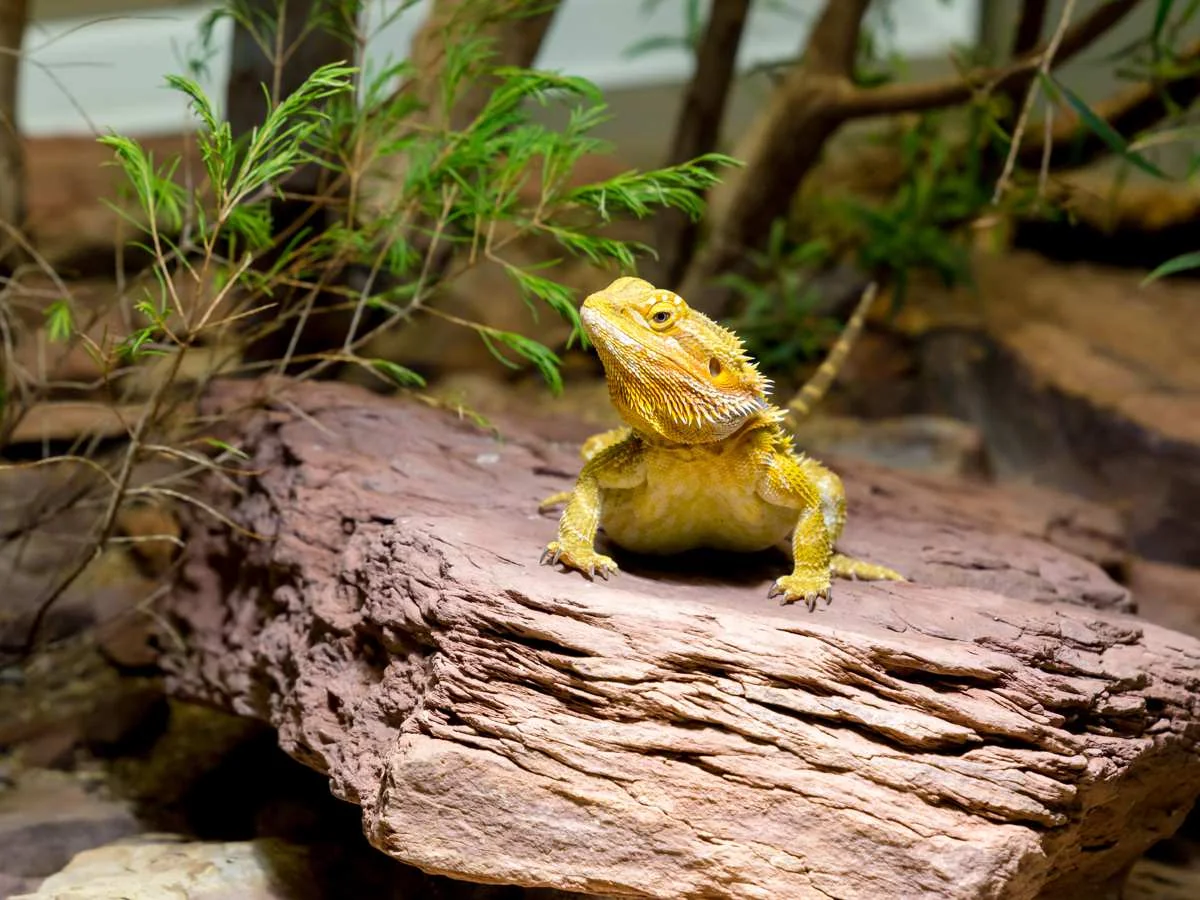
Essential Bearded Dragon Habitat Setup
Setting up the perfect environment is crucial for your bearded dragon’s well-being. A well-designed habitat reduces stress, encourages natural behaviors, and promotes overall health. This comprehensive guide will walk you through every step of creating an optimal living space for your scaly friend. From enclosure size and temperature gradients to lighting and diet, we’ll cover all the essentials to ensure your bearded dragon thrives. Remember that a happy dragon is a healthy dragon, and the setup plays a massive role in its happiness. This guide focuses on how to set up your bearded dragon’s environment to minimize stress and maximize its quality of life, leading to a more interactive and friendly pet.
Enclosure Size and Type for Bearded Dragons
The size and type of enclosure are the foundations of a stress-free habitat. A spacious enclosure allows your bearded dragon to explore, thermoregulate, and exhibit natural behaviors. Smaller enclosures can lead to stress, stunted growth, and behavioral issues. The enclosure type must also be considered because it impacts the temperature, humidity, and ventilation. The type of enclosure you choose can drastically affect the bearded dragon’s happiness and stress levels. A proper enclosure also provides the space needed for enrichment items like branches and hides, further contributing to a stimulating and low-stress environment.
Appropriate Enclosure Size for Bearded Dragons

Adult bearded dragons (over 18 months) need a minimum enclosure size of 4 feet long, 2 feet wide, and 2 feet high (120x60x60 cm). Larger enclosures are always preferable, as they provide more space for movement and enrichment. For younger dragons, a smaller enclosure might be suitable initially, but they will quickly outgrow it. Ensure you provide a habitat that accommodates their eventual adult size. Consider the size of the dragon when choosing the enclosure size. You do not want to buy an enclosure that will require frequent upgrades because of your dragon’s growth. Providing a larger habitat from the start can reduce stress associated with relocation.
Choosing the Right Material for your Bearded Dragon
Glass and PVC enclosures are popular choices. Glass enclosures offer excellent visibility but can be less efficient at retaining heat. PVC enclosures are more expensive but provide superior insulation, making it easier to maintain the correct temperature gradient. Avoid wire mesh cages, as they can be difficult to regulate temperature and humidity and may pose a risk of injury. The material choice impacts the overall environment because it affects the ability to maintain proper temperature and humidity levels, which are essential for the dragon’s health and well-being. A well-insulated enclosure minimizes stress from environmental fluctuations.
Optimizing Temperature Gradient for Bearded Dragons

Bearded dragons are ectothermic, meaning they rely on external heat sources to regulate their body temperature. A proper temperature gradient is critical for their health and well-being, allowing them to thermoregulate effectively. Providing both a basking spot and a cooler side in the enclosure is essential to prevent stress and promote proper digestion and metabolism. This gradient enables them to move between warmer and cooler areas, allowing them to control their body temperature. Inadequate temperature regulation can lead to a variety of health problems, including metabolic bone disease and digestive issues.
Basking Spot Temperature Requirements
The basking spot should reach a temperature of 100-110°F (38-43°C) for adults and slightly warmer for juveniles. This area should be directly under a basking bulb, allowing the dragon to absorb heat for digestion and metabolism. Use a digital thermometer with a probe to accurately measure the basking spot temperature. The correct basking temperature is crucial for their well-being. The basking spot should allow your bearded dragon to get the necessary heat to digest food properly and maintain a healthy metabolism. Without an appropriate basking spot, dragons may experience appetite loss, lethargy, and other health problems.
Cool Side Temperature Requirements
The cool side of the enclosure should range from 75-85°F (24-29°C). This area provides a refuge for your bearded dragon to cool down and escape the intense heat of the basking spot. Maintain a consistent temperature on the cool side to ensure they can regulate their body temperature effectively. A temperature gradient that allows your bearded dragon to move between hot and cool zones is critical for its overall health. Without the cooler side, a dragon will experience unnecessary stress and can overheat, which can be fatal.
Nighttime Temperature Considerations
At night, the enclosure temperature can drop to 65-75°F (18-24°C). A nighttime drop is natural and can even be beneficial, but it is important to ensure the temperature doesn’t fall below 65°F. If the room is colder than 65°F, use a ceramic heat emitter to provide supplemental heat. Avoid using colored bulbs at night, as they can disrupt the dragon’s sleep cycle. Maintaining appropriate nighttime temperatures is essential for proper rest and digestion. A proper temperature gradient helps your bearded dragon regulate its body temperature throughout the day and night, preventing stress and encouraging natural sleep patterns.
Lighting Setup for Bearded Dragons
Proper lighting is as crucial as temperature for bearded dragon health. It affects their vitamin D3 synthesis, calcium absorption, and overall well-being. The correct lighting setup consists of both UVB and a basking bulb. The UVB bulb is essential to simulate natural sunlight, helping them process calcium and preventing metabolic bone disease, and a basking bulb provides heat. Correct lighting is essential for the health and happiness of your bearded dragon, minimizing stress and promoting optimal health. Without the proper lighting, your dragon may become lethargic and develop bone problems.
UVB Lighting Importance for Bearded Dragons
UVB lighting is essential for bearded dragons to synthesize vitamin D3, which is crucial for calcium absorption. Without proper UVB exposure, they can develop metabolic bone disease, a debilitating and potentially fatal condition. UVB rays also stimulate natural behaviors and contribute to overall health. When selecting a UVB bulb, consider the output and the distance between the bulb and the basking spot. The right UVB source will keep your dragon healthy and happy. Remember that UVB bulbs degrade over time, and it is vital to replace them according to the manufacturer’s recommendations.
Choosing the Right UVB Bulb for Bearded Dragons

Choose a UVB bulb specifically designed for reptiles. Mercury vapor bulbs (MVBs) and fluorescent UVB bulbs are common options. Consider the UVB output level (percentage) based on the enclosure size and the distance between the bulb and the basking spot. For most enclosures, a T5 or T8 fluorescent bulb is an excellent choice. Follow the manufacturer’s recommendations for bulb placement and replacement schedule. When selecting a UVB bulb, consider your enclosure type and the basking distance. The correct bulb will maximize the benefits and minimize stress for your dragon. Consider that the wrong UVB bulb can lead to health issues.

Placement and Distance of UVB Lighting
Proper placement of the UVB bulb is crucial. Position the bulb so your bearded dragon can bask within the recommended distance. Place the UVB bulb alongside the basking bulb, allowing the dragon to benefit from both heat and UVB simultaneously. The distance will vary depending on the bulb type, so always refer to the manufacturer’s instructions. Consider a reflector to increase the UVB output. This is important because if the UVB bulb is too far, the dragon will not get enough exposure, and if it is too close, it may cause eye damage. Proper placement ensures your dragon gets adequate UVB exposure.
Optimal Daytime and Nighttime Cycles for Bearded Dragons
Bearded dragons need a regular day/night cycle. Provide 12-14 hours of light during the day and complete darkness at night. Use a timer to automate the lighting schedule. This mimics their natural environment and regulates their circadian rhythm, reducing stress. Avoid keeping the lights on for extended periods. This natural light cycle is vital for their overall health, allowing them to sleep and digest food effectively. A regular schedule reduces stress associated with environmental disruptions.
Substrate Selection for Bearded Dragons
Choosing the right substrate is crucial for your bearded dragon’s health and safety. The substrate provides a surface for them to walk on, burrow in, and helps maintain humidity levels. The wrong substrate can lead to impaction, respiratory issues, and other health problems. Avoid loose substrates that pose health risks and choose options that promote a healthy and comfortable environment. The right choice minimizes stress and ensures a safe and clean environment. When choosing your substrate, safety should be your top priority.
Safe Substrate Choices for Bearded Dragons
Safe substrates include paper towels, reptile carpet, tile, and non-adhesive shelf liner. These options are easy to clean, do not pose a risk of impaction, and provide a clean environment. Paper towels and shelf liner are easy to replace. Tile and reptile carpet can be cleaned regularly. These are all easy and safe options to help keep your dragon healthy. Consider your lifestyle when choosing a substrate, as some options are easier to maintain than others. Using a safe substrate keeps your dragon safe and the enclosure clean.
Substrate Hazards to Avoid
Avoid loose substrates like sand, calcium sand, wood shavings, and crushed walnut shells. These can be ingested and cause impaction, a potentially life-threatening condition. If you choose to use a bioactive substrate, make sure it’s designed for reptiles and used with careful consideration, providing a complete ecosystem. If you are unsure, stick with safer options. Avoid substrates that pose a risk to your bearded dragon’s health. These are risky options that can cause serious health problems, so choose safer options.
Enrichment and Decor for Bearded Dragons
Enrichment and decor are essential for reducing stress and encouraging natural behaviors in bearded dragons. Providing a stimulating environment keeps them active, engaged, and happy. Adding items like branches, hides, and climbing structures will make your dragon feel more secure and entertained, which helps lower stress levels. The right environment will encourage natural behaviors. Enrichment and décor are more than just aesthetic additions; they contribute significantly to your bearded dragon’s mental and physical well-being. Make sure to create a space that will stimulate your dragon’s mind.
Providing Hiding Places for Bearded Dragons

Provide at least two hides, one on the warm side and one on the cool side of the enclosure. This gives your bearded dragon a safe place to retreat, feel secure, and regulate its body temperature. Hides can be anything from commercially available reptile hides to DIY options like rocks, logs, or even repurposed containers. Adding hides lowers stress levels because it provides a sense of security. Adding hides helps provide a sense of safety and will help your bearded dragon feel more comfortable in its enclosure. Hiding places help prevent stress by allowing them to feel safe.
Adding Climbing Branches and Structures
Bearded dragons are semi-arboreal and enjoy climbing. Adding branches, rocks, and other climbing structures provides exercise and enrichment, and reduces stress. Choose branches of varying sizes and textures to allow for different levels of climbing. Ensure any structures are securely placed and won’t topple. Climbing helps with exercise and provides a sense of security. Climbing structures and branches enrich the environment, keeping your bearded dragon mentally stimulated and physically active. Adding climbing structures will encourage them to explore their habitat and engage with their surroundings.
Importance of Water and Humidity for Bearded Dragons
Proper hydration and humidity levels are crucial for bearded dragon health. Dehydration and improper humidity can lead to a variety of health problems, including shedding issues and respiratory infections. Providing fresh water and maintaining the correct humidity range is essential. The right water and humidity levels will keep your dragon hydrated and healthy, reducing stress and supporting overall well-being. The humidity level must also be correct, or your bearded dragon can experience respiratory issues. Proper hydration helps prevent stress and will keep your dragon healthy.
Proper Hydration Techniques
Provide fresh water in a shallow dish at all times. Change the water daily to prevent bacteria growth. Some dragons enjoy drinking from dripping water, so you could consider a dripper or misting the enclosure lightly. Always have fresh water available. Providing access to fresh water will keep your dragon hydrated and help prevent stress. Water must be provided and changed daily to prevent bacteria growth and ensure your dragon’s health.

Humidity Levels and their Impacts

Maintain humidity levels between 30-40% in the enclosure. Use a hygrometer to monitor humidity levels. Mist the enclosure lightly once or twice a day if needed, but avoid making the enclosure too humid. Excessive humidity can lead to respiratory infections. Proper humidity levels will keep your dragon healthy and prevent health problems. Humidity needs to be controlled to avoid any respiratory issues that could cause your dragon harm. Monitoring humidity levels helps prevent respiratory issues. A hygrometer is a great way to keep an eye on humidity levels.
Feeding and Diet for Reduced Stress in Bearded Dragons
A balanced diet is fundamental to your bearded dragon’s health and helps reduce stress. A proper diet gives them the nutrients they need to thrive. Providing a variety of insects and vegetables will ensure that your dragon gets the necessary nutrients for optimal health. The right diet keeps your bearded dragon healthy and happy, preventing stress associated with nutritional deficiencies. Consider that a poor diet can lead to stress. A proper diet also helps with digestion.
Optimal Feeding Schedule for Bearded Dragons
The feeding schedule depends on the dragon’s age. Juveniles (under 12 months) need to be fed more frequently than adults. Feed juveniles insects 2-3 times a day and offer fresh vegetables daily. Adults can be fed insects every other day, with fresh vegetables offered daily. Adjust the feeding schedule based on the dragon’s activity level and appetite. A proper feeding schedule ensures your bearded dragon gets the necessary nutrients without overfeeding. Ensure you are providing a balanced diet for optimal health. Following this schedule keeps your dragon healthy and active.
Best Food Sources for Bearded Dragons
Offer a variety of insects, including crickets, dubia roaches, mealworms (in moderation), and black soldier fly larvae. Provide fresh, chopped vegetables and leafy greens daily, such as collard greens, mustard greens, and endive. Avoid feeding insects that are too large, as they can cause digestive problems. A variety of foods ensures your dragon receives the essential nutrients it needs. Always offer fresh, high-quality food. A varied diet keeps your dragon healthy and prevents nutritional deficiencies. You can add supplements such as calcium and vitamins. Providing a diverse diet reduces stress and ensures they are receiving all the nutrients they need.
Common Mistakes to Avoid when Setting Up a Bearded Dragon Habitat
Several common mistakes can lead to stress and health problems in bearded dragons. Avoiding these errors is essential for creating a healthy and happy environment. Be sure to research and set up the right habitat. Knowing what to avoid is just as important as knowing what to do. You must avoid common mistakes. Avoid these mistakes to provide the best habitat. These will also keep your dragon safe. Avoiding these mistakes will reduce stress and ensure your dragon thrives.
- Using the wrong size enclosure for your bearded dragon
- Not providing the correct temperature gradient
- Using the wrong type of lighting
- Using an unsafe substrate
- Not providing fresh water daily
- Poor diet and improper feeding
- Overcrowding or housing multiple dragons together
- Lack of enrichment and hiding places
By avoiding these common mistakes, you can create a stress-free and thriving environment for your bearded dragon. Careful planning and attention to detail are essential for setting up the right habitat. Understanding and avoiding these mistakes will help your dragon live a long and healthy life. By following these guidelines, you can create a thriving environment and reduce stress.