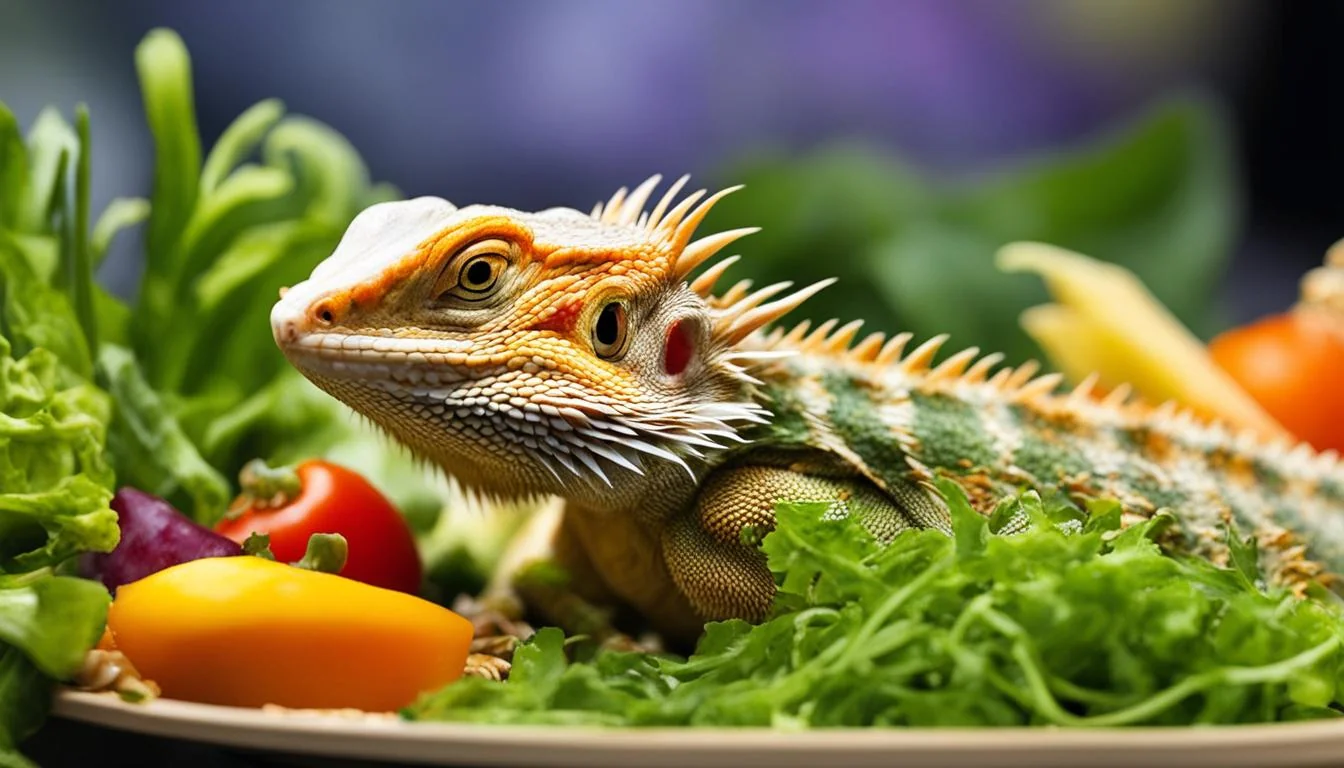
The Importance of Bearded Dragon Nutrition
Providing proper nutrition is paramount to the health and well-being of your bearded dragon. A balanced diet is essential for these fascinating reptiles to thrive, ensuring they receive the necessary vitamins, minerals, and other nutrients to support their growth, development, and overall vitality. Neglecting their nutritional needs can lead to a host of health problems, ultimately shortening their lifespan and diminishing their quality of life. This guide will delve into the key aspects of bearded dragon nutrition, equipping you with the knowledge to provide your scaly friend with the perfect diet.
Why Nutritional Balance is Crucial
Nutritional balance provides the building blocks for all biological processes within your bearded dragon. A well-balanced diet supports their immune system, making them less susceptible to disease. It is crucial for proper bone development, achieved through the correct calcium-to-phosphorus ratio and vitamin D3 intake. Furthermore, balanced nutrition fuels their energy levels, allowing them to actively explore their environment, bask under the sun, and exhibit their natural behaviors. A nutritionally deficient diet, on the other hand, has significant repercussions.
Consequences of Poor Nutrition

Poor nutrition can manifest in various health issues. Metabolic Bone Disease (MBD), caused by calcium deficiency, leads to weak bones and skeletal deformities. Vitamin deficiencies can compromise the immune system, making your bearded dragon vulnerable to infections. Obesity and related health problems can arise from overfeeding or a diet high in fat and low in essential nutrients. Loss of appetite, lethargy, and stunted growth are also common indicators of nutritional imbalances. Regularly observe your bearded dragon’s behavior, weight, and physical condition, and consult a veterinarian if you notice any concerning signs.
Top 5 Essential Foods for Bearded Dragons
Creating a healthy and balanced diet for your bearded dragon means providing a variety of nutritious foods. Here are the top 5 essential food categories to include in their diet.
Leafy Greens
Leafy greens form the cornerstone of a bearded dragon’s diet, providing essential vitamins, minerals, and fiber. They should constitute a significant portion of their daily intake. Offer a variety of greens to ensure a broad spectrum of nutrients. Fresh, washed greens should be offered daily. Avoid iceberg lettuce due to its low nutritional value.

Nutritional Benefits of Leafy Greens
Leafy greens are packed with vitamins (A, C, and K), minerals (calcium, potassium), and fiber. Vitamin A is essential for vision and immune function; vitamin C boosts immunity; and vitamin K aids in blood clotting. Calcium is crucial for bone health, and fiber supports healthy digestion. The fiber also helps in keeping the bearded dragon at a healthy weight.
Best Leafy Green Choices
- Collard greens
- Mustard greens
- Turnip greens
- Dandelion greens (pesticide-free)
- Endive
- Escarole
- Arugula

Insects
Insects provide a crucial source of protein, particularly for growing juveniles. They should be a regular part of their diet, especially for younger dragons. Dust insects with calcium and vitamin D3 supplements before feeding. Offer a variety of insects to provide a balanced nutrient profile.
Nutritional Value of Insects
Insects are high in protein, essential for muscle development and overall growth. They also contain fats for energy and various vitamins and minerals. The nutritional content varies depending on the insect type, so variety is key. Protein provides essential amino acids that bearded dragons cannot produce themselves. In addition to proteins, some insects also provide small amounts of calcium.
Choosing the Right Insects

- Crickets (gut-load them before feeding)
- Dubia roaches
- Phoenix worms (black soldier fly larvae)
- Butterworms
- Mealworms (in moderation)
- Superworms (in moderation)
Vegetables
Vegetables add variety and additional nutrients to your bearded dragon’s diet. They should be offered alongside leafy greens and insects. Always wash vegetables thoroughly before serving. Avoid vegetables high in oxalates as they can bind calcium.
Nutritional Benefits of Vegetables
Vegetables provide vitamins, minerals, and fiber, complementing the nutrients found in leafy greens and insects. They contribute to a well-rounded diet and aid in digestion. They add more variety of the food the bearded dragon can take.
Best Vegetable Choices
- Squash (butternut, acorn, spaghetti)
- Bell peppers (red, yellow, orange)
- Green beans
- Carrots (shredded, in moderation)
- Peas (in moderation)
Fruits
Fruits can be offered as occasional treats. They are generally high in sugar and should be given sparingly to prevent weight gain and dental problems. Always remove seeds and pits before serving.
Nutritional Benefits of Fruits
Fruits offer some vitamins and antioxidants. However, their high sugar content means they should be offered in limited quantities. The little amount of fiber helps with digestion. Fruits are usually a good reward for positive reinforcement.
Fruits to Offer Sparingly
- Berries (blueberries, strawberries, raspberries)
- Melon (cantaloupe, honeydew)
- Mango
- Apple (remove seeds)
Calcium and Vitamin D3 Supplements

Bearded dragons require calcium and vitamin D3 supplements to maintain healthy bones and absorb calcium properly. These supplements are crucial because the diet might not contain sufficient levels, and adequate UVB exposure alone might not be enough. Always dust insects with these supplements.
Why Supplements are Necessary
Calcium helps prevent MBD, a debilitating condition. Vitamin D3 aids in the absorption of calcium. Without these, your dragon cannot properly utilize calcium from their diet. Supplements fill in the gaps and deficiencies of the normal diet.
Types of Supplements and Dosage

- Calcium powder with D3 (for dusting insects)
- Calcium powder without D3 (for occasional use)
- Follow product instructions for dosage based on your dragon’s age and the frequency of feeding insects.
Creating a Balanced Diet Plan
A well-structured diet plan will provide your bearded dragon with the nutrients they need in the right proportions. Consider their age, as dietary needs change throughout their lifespan. Provide fresh water daily, and ensure a clean and accessible water source.
Understanding the Diet Pyramid
Base the diet on a pyramid model. The base of the pyramid is leafy greens (60-80% of the diet). The next level consists of insects (20-30% for juveniles, decreasing with age). Vegetables and occasional fruits make up the remaining portion. This offers a balanced diet.
Feeding Frequency and Portion Sizes
Juvenile bearded dragons (under 1 year) need more insects and should be fed 2-3 times per day. Offer insects in a quantity they can consume within 10-15 minutes. Adults (over 1 year) can be fed once per day or every other day, with a greater emphasis on greens. Adjust portion sizes based on your dragon’s appetite and body condition. Monitor and adjust the frequency based on growth.
Avoiding Common Dietary Mistakes

To ensure your bearded dragon thrives, it’s important to avoid common dietary pitfalls. These mistakes can have serious consequences for their health.
Overfeeding
Overfeeding, especially insects and fruits, can lead to obesity, fatty liver disease, and other health problems. Monitor your dragon’s body condition; they should not appear excessively plump. Adjust portion sizes as needed and reduce the frequency of feeding if necessary.
Feeding Inappropriate Foods
Some foods are toxic or difficult for bearded dragons to digest. Avoid feeding avocado, spinach (in large quantities), rhubarb, citrus fruits, and processed human foods. Research the safety of any food before offering it to your dragon.
Lack of Variety
A monotonous diet lacks essential nutrients and can lead to deficiencies. Offer a wide variety of leafy greens, vegetables, and insects. Rotate the food items regularly to ensure your dragon receives a broad spectrum of vitamins and minerals. This will also make mealtime more interesting for them.
By understanding the importance of nutrition and following these guidelines, you can ensure your bearded dragon enjoys a long, healthy, and vibrant life. Regularly consult with a veterinarian specializing in reptiles for personalized advice and to address any specific concerns.