Top 10 Bearded Dragon Nutrition Facts
Providing proper nutrition is vital for a bearded dragon’s health, growth, and longevity. A well-balanced diet ensures your scaly friend thrives, displaying vibrant colors, energetic behavior, and a strong immune system. Neglecting their nutritional needs can lead to various health issues, stunted growth, and a shortened lifespan. This guide breaks down the top 10 essential facts about bearded dragon nutrition, equipping you with the knowledge to create the perfect diet for your pet.
Why Nutrition is Crucial for Bearded Dragons
A bearded dragon’s diet profoundly impacts its overall development. These reptiles are omnivores, meaning they require a balance of both animal and plant-based foods. The right nutrients support their bone structure, muscle development, organ function, and immune response. Without proper nutrition, they can suffer from metabolic bone disease, vitamin deficiencies, and other serious health problems. Good nutrition also influences their activity levels, making them more engaged and playful. Therefore, understanding their dietary requirements is essential for responsible pet ownership.
Impact of Nutrition on Bearded Dragon Development
Nutrition directly fuels a bearded dragon’s growth from hatchling to adult. Young dragons require a diet rich in protein to support rapid growth. As they mature, the balance shifts, and they need more vegetables and fiber. Calcium and Vitamin D3 are critical for bone development, preventing metabolic bone disease, which is common in improperly fed dragons. A balanced diet leads to strong bones, healthy muscles, and a robust immune system, contributing to a longer and healthier life. A poorly planned diet can lead to developmental problems and serious long-term health issues.
Fact 1 Proper Protein Levels

Protein is a cornerstone of a bearded dragon’s diet, especially during their growing phase. It is essential for muscle development, tissue repair, and overall growth. Hatchlings and juveniles need a higher protein intake compared to adults. Good protein sources include insects such as crickets, mealworms, and dubia roaches. Always ensure the insects are gut-loaded with nutritious foods before feeding them to your dragon. Monitor your dragon’s growth and adjust protein intake accordingly; overfeeding protein can sometimes cause health issues as well.
Why Protein Matters for Growth

Protein is the building block of life, especially crucial for growing animals. In bearded dragons, protein facilitates the creation and repair of body tissues. This is particularly important during their rapid growth phases, where their bones, muscles, and internal organs are developing quickly. Without adequate protein, dragons can experience stunted growth, weakened immune systems, and overall poor health. Providing sufficient protein, alongside other essential nutrients, is paramount to their healthy development.
Types of Protein Sources
Diverse protein sources ensure a well-rounded nutritional profile. Live insects form the primary protein source for bearded dragons. Crickets, dubia roaches, mealworms, and black soldier fly larvae are common options. Consider the nutritional value of each insect, focusing on those with a good calcium-to-phosphorus ratio. Insects should be appropriately sized for your dragon. Avoid feeding insects that are too large, as they can pose a choking hazard. Always gut-load insects to enhance their nutritional value.
Fact 2 Importance of Calcium
Calcium is essential for bone health and preventing metabolic bone disease (MBD) in bearded dragons. MBD is a common and serious ailment in reptiles, often caused by a lack of calcium or an imbalance with phosphorus. Calcium aids in bone strength, muscle function, and nerve transmission. Always supplement your bearded dragon’s food with calcium powder, especially for juveniles and females laying eggs. Ensure they have access to UVB lighting, as it helps them synthesize Vitamin D3, which is crucial for calcium absorption.
Calcium and Bone Health
Calcium is pivotal for developing and maintaining strong bones. It is an essential mineral that makes up a large part of the skeletal structure. Without sufficient calcium, the bones become weak and brittle, leading to various health complications. Metabolic Bone Disease (MBD), a common issue in reptiles, is directly linked to calcium deficiencies. Providing adequate calcium intake and sufficient UVB exposure helps prevent MBD and ensures your bearded dragon’s bones remain strong and healthy.
Calcium-Rich Food Sources

While supplementing with calcium powder is essential, some foods also offer natural calcium benefits. Collard greens, mustard greens, and dandelion greens are excellent choices, as they have a high calcium content. You can also occasionally offer calcium-rich insects like black soldier fly larvae. Remember to balance calcium with phosphorus in your dragon’s diet, as an imbalance can inhibit calcium absorption. Aim for a calcium-to-phosphorus ratio of 2:1 in their diet for optimal health.
Fact 3 Vitamin D3 Supplementation
Vitamin D3 is crucial for calcium absorption. Bearded dragons cannot absorb calcium effectively without it. This vitamin is synthesized through exposure to UVB light, which is why providing appropriate UVB lighting is essential. You may also need to supplement with Vitamin D3, particularly if your dragon doesn’t get enough UVB exposure. Be careful not to over-supplement, as too much Vitamin D3 can also be harmful. Consult with a veterinarian to determine the right balance for your pet’s specific needs.
Why D3 is Essential
Vitamin D3 acts as a key that unlocks calcium absorption in the body. Without adequate D3, bearded dragons can’t properly utilize the calcium in their diet, leading to MBD. It ensures that calcium is efficiently absorbed from the intestines and used for bone health and other crucial bodily functions. UVB light from a special bulb is the primary way they generate Vitamin D3. Supplementation becomes crucial when the dragon’s UVB exposure is insufficient, particularly during indoor living.
How to Supplement D3
Vitamin D3 can be supplemented either through food or directly in the enclosure. Many calcium supplements contain added D3. Always follow the instructions on the product label, as the dosage can vary. Dust insects with a calcium and D3 supplement before feeding. You can also use a liquid supplement in your dragon’s water, but be cautious about the dosage. Consider the level of UVB lighting your dragon receives and adjust the D3 supplementation accordingly, as too much can be toxic.
Fact 4 Hydration Needs

Water is critical for a bearded dragon’s overall health. It aids digestion, regulates body temperature, and facilitates various bodily functions. Provide a shallow water dish with fresh, clean water daily. Ensure the dish is easily accessible and shallow enough that the dragon can get in and out safely. Regular misting can also help maintain humidity levels and encourage drinking. Monitor your dragon for signs of dehydration, such as sunken eyes or wrinkled skin, and adjust your hydration strategies accordingly.
Water Sources for Bearded Dragons
The primary water source should be a shallow dish filled with fresh water. Ceramic dishes are often preferred because they are stable and less likely to tip over. Place the water dish away from heat sources to prevent the water from evaporating too quickly. In addition to a water dish, you can offer water through misting. Mist the enclosure daily, or as needed, to maintain appropriate humidity levels. Some dragons may drink from the droplets, which can contribute to their hydration.
Recognizing Dehydration
Dehydration can be a serious issue for bearded dragons. Common signs include sunken eyes, wrinkled skin, lethargy, and constipation. If you observe any of these signs, consult your vet immediately. You can try to rehydrate your dragon by giving it a shallow bath with lukewarm water, but this should not replace professional medical advice. Ensure your pet always has access to fresh water and adequate humidity to prevent dehydration.
Fact 5 The Role of Fiber
Fiber plays a critical role in a bearded dragon’s digestive health. It aids in proper digestion, prevents constipation, and supports the overall function of the gastrointestinal tract. Include fiber-rich vegetables, such as collard greens, mustard greens, and turnip greens in your dragon’s diet. The fiber content helps move food through the digestive system efficiently. Be mindful of the amount of fiber, as too much can cause digestive issues. Maintain a balance between fiber and other nutrients for optimal health.
Fiber and Digestive Health
Fiber is crucial for maintaining a healthy digestive system. It helps to regulate bowel movements and prevents constipation, which can lead to various health complications. The insoluble fiber found in many vegetables adds bulk to the diet, aiding in the efficient movement of food through the digestive tract. Proper fiber intake also supports the beneficial bacteria in the gut, contributing to a healthy gut microbiome.
Fiber-Rich Food Choices

Vegetables are the primary source of fiber in a bearded dragon’s diet. Dark leafy greens such as collard greens, mustard greens, and turnip greens are excellent choices. Dandelion greens also provide a good source of fiber and other nutrients. While fruits can be offered, they should be provided sparingly, as they are often high in sugar and low in fiber. Ensure you offer a variety of fiber-rich foods for a balanced diet.
Fact 6 Benefits of a Varied Diet
Offering a varied diet ensures your bearded dragon receives a wide range of nutrients. A balanced diet contains a mix of protein, vitamins, minerals, and fiber. Variety prevents nutritional deficiencies and promotes overall health. Regularly rotate the insects and vegetables you feed your dragon. This ensures they don’t become bored and helps prevent them from developing preferences for one type of food over others. Aim for a diverse selection of foods to provide the best nutrition possible.
Creating a Balanced Diet
A balanced diet comprises insects, vegetables, and fruits, with each component playing a vital role. Insects provide protein, vegetables offer essential vitamins and fiber, and fruits can be given in moderation for variety. The proportions of these food groups vary depending on the dragon’s age. Hatchlings and juveniles require a higher proportion of insects, while adults should consume more vegetables. Understanding these different requirements will ensure your dragon gets everything they need for optimal health.
Avoiding Nutritional Deficiencies
A varied diet can help prevent deficiencies in essential nutrients. Regularly rotate insect and vegetable choices to guarantee a wide range of vitamins and minerals. Keep a record of what you feed your dragon. Monitor your dragon’s health, looking for signs of deficiencies, such as lethargy or poor appetite. Supplementing with a multivitamin can be beneficial but always consult with your veterinarian before introducing supplements.
Fact 7 Live Insects
Live insects are a primary food source for bearded dragons, providing essential protein and other nutrients. Select insects that are appropriately sized for your dragon; the insect should be no wider than the space between their eyes. Always ensure that the insects are gut-loaded before feeding. This process involves feeding the insects nutritious foods such as vegetables and fruits, thereby increasing their nutritional value. The type of insects should also be varied. Feeding live insects stimulates natural hunting behaviors, which can be beneficial.
Nutritional Value of Live Insects
Insects provide vital protein, fats, and other crucial nutrients that are essential for growth, energy, and overall health. The specific nutritional profile varies depending on the insect type. For example, crickets are a good source of protein, while dubia roaches offer a better calcium-to-phosphorus ratio. Gut-loading significantly boosts the nutritional value of the insects, providing vitamins and minerals that would not otherwise be available to your dragon.
Choosing the Right Insects
Consider the nutritional value, ease of care, and availability when selecting insects. Crickets are a popular choice, but can be noisy and hard to keep. Dubia roaches are another excellent option, known for their high protein and calcium content and they don’t jump. Mealworms and superworms are good options, but should be fed in moderation because of their high-fat content. Avoid wild-caught insects, as they can carry parasites and pesticides. Always source your insects from a reliable breeder or pet store.
Fact 8 Feeding Vegetables and Fruits
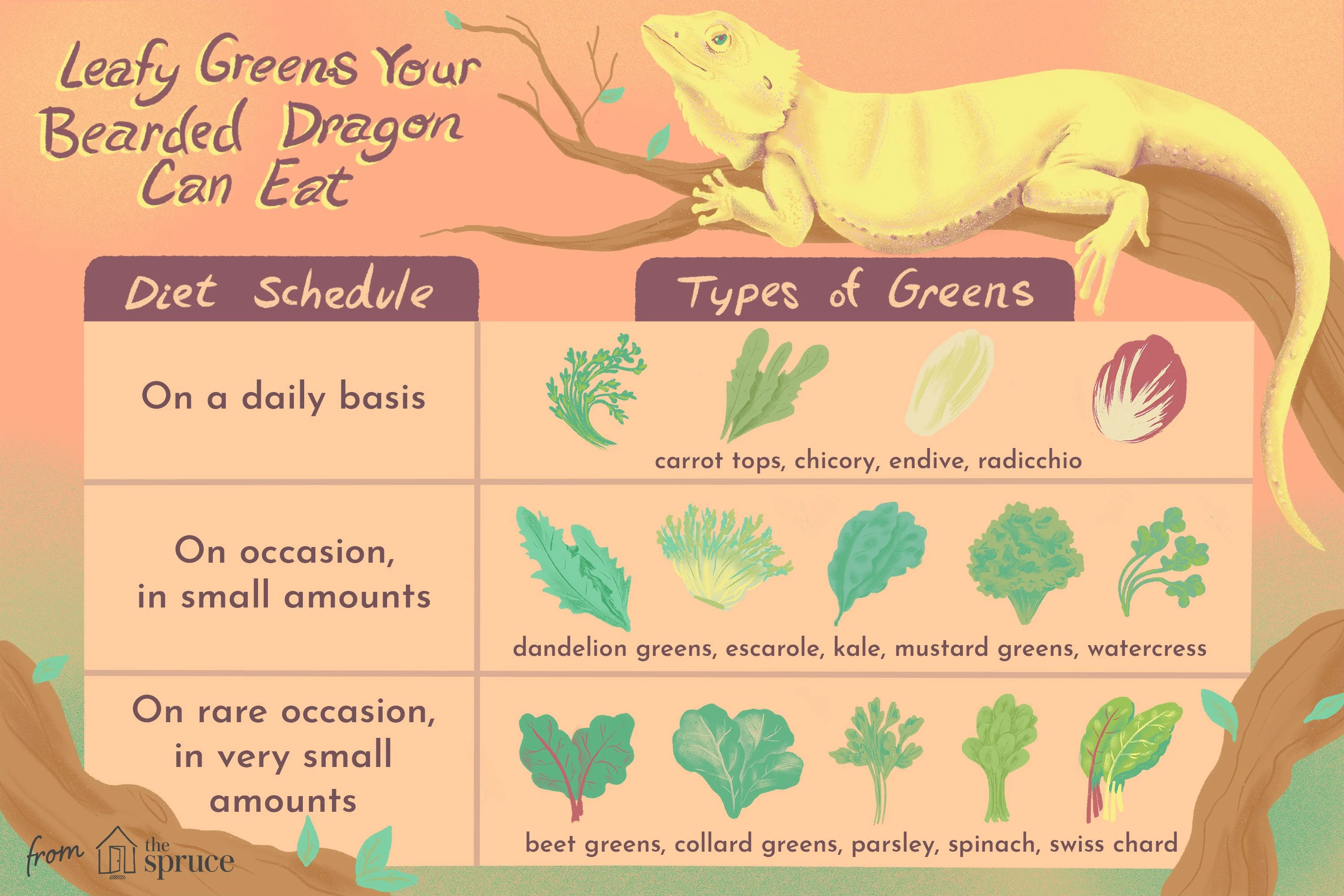
Vegetables and fruits offer essential vitamins, minerals, and fiber. Offer a wide range of vegetables daily. Dark leafy greens should form the base of their vegetable intake. Offer fruits in moderation, as they tend to be high in sugar. Be sure to wash all vegetables and fruits thoroughly before offering them to your dragon. Cut the food into small, bite-sized pieces to prevent choking. Variety is key, so rotate the vegetables and fruits you offer to ensure a broad spectrum of nutrients.
Best Vegetables for Bearded Dragons
Dark, leafy greens like collard greens, mustard greens, turnip greens, and dandelion greens should be the staples of your dragon’s vegetable intake. These greens are rich in vitamins and minerals. Other beneficial vegetables include squash, bell peppers, and green beans. Avoid vegetables that are high in oxalates, such as spinach, as they can inhibit calcium absorption. Be mindful of the calcium-to-phosphorus ratios of vegetables. Aim for a balance to promote optimal health.
Fruits to Offer in Moderation
Fruits can be a tasty treat, but should only be offered in moderation due to their high sugar content. Safe fruit options include berries, melon, and apples. Offer fruit in small quantities, no more than a few times per week. Avoid fruits that are high in citric acid, such as oranges and lemons. Always remove any seeds or pits before feeding fruit. Monitor your dragon’s stool for any changes after introducing fruit to their diet, as excess sugar can sometimes cause digestive issues.
Fact 9 The Significance of Gut Loading
Gut loading is a critical practice in bearded dragon nutrition. It involves feeding the insects nutritious foods before offering them to your dragon. This process enhances the nutritional value of the insects, making them a more complete food source. The insects essentially become a vehicle for delivering vitamins and minerals. By carefully choosing what you feed the insects, you can boost the nutritional content of their bodies and provide your dragon with a healthier meal.
Gut Loading Techniques
Gut loading is relatively simple but requires careful attention. Provide insects with a diet rich in nutritious foods such as fresh vegetables, fruits, and commercial insect food. The insects should be fed for at least 24-48 hours before being offered to your dragon. It’s important to remove any uneaten food from the insects’ enclosure to prevent spoilage. This will keep the insects healthy and provide your dragon with the maximum nutritional benefits.
Benefits of Gut Loaded Insects
Gut loading can significantly enhance the nutritional value of insects. By gut-loading, you increase the levels of essential vitamins and minerals, such as calcium, and other vitamins that are beneficial for your dragon. This helps prevent nutritional deficiencies and supports the overall health and well-being of your pet. Gut-loaded insects are more nutritious than those fed on a standard diet. It’s a simple practice that can have a substantial impact on the health of your dragon.

Fact 10 Feeding Schedule and Portion Control
Establish a consistent feeding schedule based on your bearded dragon’s age. Hatchlings and juveniles require more frequent feedings than adults. Portion control is also essential. Overfeeding can lead to obesity and other health problems. Observe your dragon’s eating habits. Adjust the amount of food you provide accordingly. A healthy dragon should have a good appetite. Avoid overfeeding, and always remove uneaten food promptly.
Feeding Frequency by Age
The feeding schedule varies based on age. Hatchlings and juveniles require daily feeding, often 2-3 times a day, to support rapid growth. Offer them insects and vegetables in proportions that meet their needs. Sub-adults (6-12 months) can be fed once a day, with a slightly higher proportion of vegetables. Adult dragons (over 12 months) can be fed every other day, with a significant focus on vegetables. Adjust the schedule as necessary, based on your dragon’s weight, activity levels, and overall health.
Portion Size Guidelines

Proper portion control prevents overfeeding and maintains a healthy weight. Offer insects until your dragon’s appetite is satisfied. The general rule is to provide insects within a 10-15 minute window. For vegetables, offer a portion that your dragon can consume in a day. If they don’t eat everything, adjust the amount offered. Monitor your dragon’s weight regularly. If your dragon is gaining too much weight, decrease the portion sizes slightly. A healthy dragon should be active and have a good body condition score.
Conclusion Proper Nutrition for a Healthy Bearded Dragon
Providing the correct nutrition is fundamental to the health and vitality of your bearded dragon. By understanding and implementing these 10 key facts, you can create an optimal diet that supports their growth, development, and overall well-being. A balanced diet includes a variety of protein sources, calcium-rich foods, and a wide range of vegetables and fruits, all supplemented with proper UVB lighting and hydration. Always monitor your dragon’s health, adjust their diet as needed, and consult with your veterinarian for personalized guidance. Remember, a well-nourished bearded dragon is a happy and healthy one.