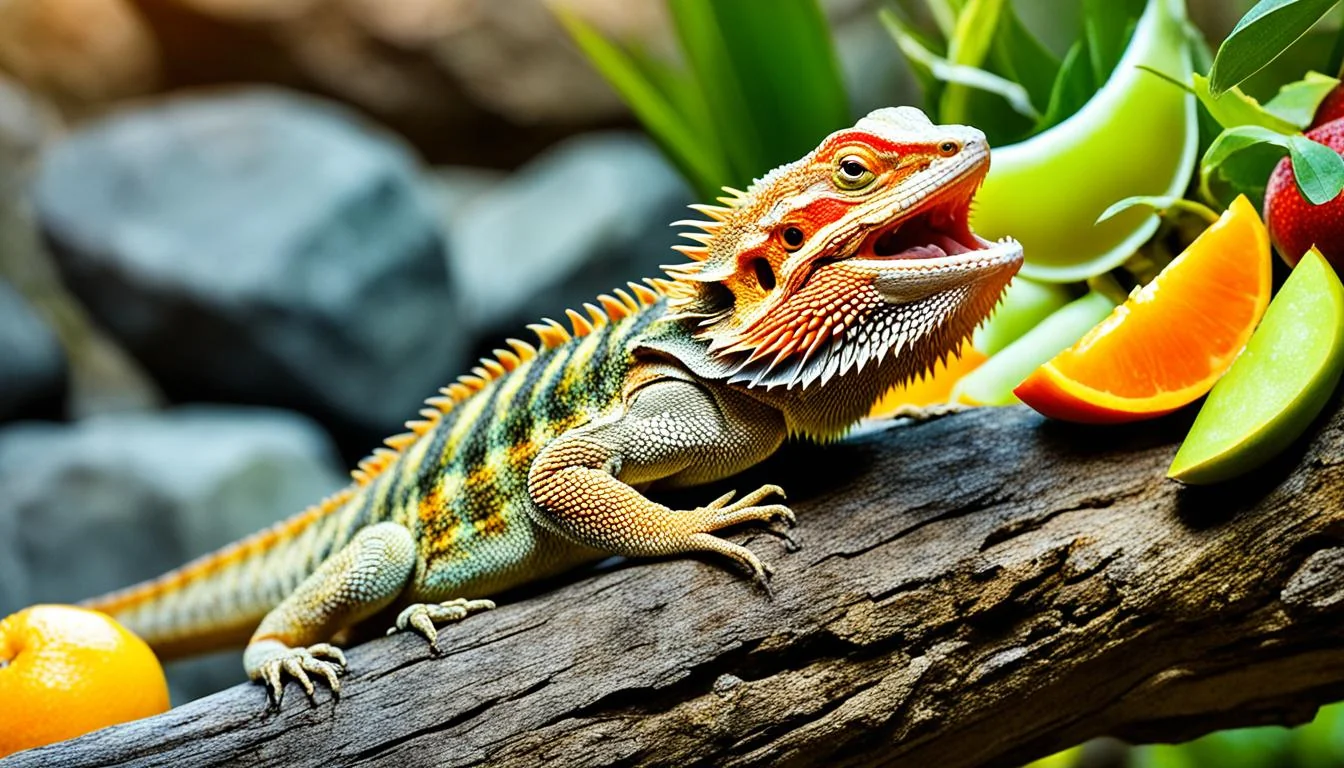
Bearded Dragons Nutrition Guide for Vitality
Providing optimal nutrition is crucial for the long-term health and vitality of your bearded dragon. These fascinating reptiles thrive on a carefully curated diet that provides all the essential nutrients they need to flourish. This guide will walk you through the key aspects of bearded dragon nutrition, helping you create a balanced and enriching diet that supports their growth, energy, and overall well-being. Understanding their dietary needs is the first step toward ensuring your scaly companion lives a long, happy, and healthy life. Proper nutrition not only affects their physical health but also their behavior and activity levels, making it a cornerstone of responsible bearded dragon ownership. Let’s dive in to create a tailored feeding plan for your bearded dragon.
Understanding Bearded Dragon Dietary Needs
Bearded dragons are omnivores, which means their diet should consist of both plant and animal matter. The proportion of each food group changes as they grow. Babies and juveniles require a diet higher in protein to support their rapid growth. As they mature, the proportion of vegetables and fruits should increase, while protein intake decreases. Failure to adjust their diet can lead to various health problems, so it’s essential to monitor your dragon’s age and adjust their food accordingly. Always ensure that the food is fresh, of high quality, and appropriately sized for your dragon to avoid choking hazards or nutritional imbalances. Observe their eating habits and body condition to make sure they’re getting the right amount of food.
The Importance of a Balanced Diet
A balanced diet is the cornerstone of a healthy bearded dragon. This means providing a variety of foods from each food group in appropriate proportions. A diet lacking in certain nutrients can lead to serious health complications, such as metabolic bone disease (MBD) or vitamin deficiencies. Similarly, overfeeding specific food groups, such as protein, can lead to health issues like obesity or gout. Variety is key, as different foods offer different nutrients. This also helps prevent your dragon from getting bored with their food and encourages them to eat a wider range of healthy items. The goal is to provide a diet that mimics what they would naturally eat in the wild, ensuring they receive all the necessary vitamins, minerals, and other essential elements for optimal health.
Essential Nutrients for Bearded Dragons
Bearded dragons require a wide array of nutrients to thrive. These include proteins, vitamins, minerals, and essential fatty acids. Protein is essential for growth and muscle development, while vitamins and minerals support various bodily functions. Calcium and Vitamin D3 are especially crucial for bone health. The right balance of nutrients is critical for maintaining healthy skin, a strong immune system, and overall vitality. Make sure to provide a variety of foods, including insects, leafy greens, and some fruits, to cover all the nutritional bases. Supplementation may be required to ensure they get everything they need, especially for calcium and vitamin D3.
Protein Sources for Bearded Dragons
Protein is vital, particularly for young bearded dragons. The main protein sources should come from insects. Popular and nutritious insects include crickets, dubia roaches, mealworms (in moderation), and black soldier fly larvae (calciworms). Avoid feeding them wild-caught insects, as these can carry parasites or pesticides. The size of the insects should be appropriate for the size of your dragon; they should be no longer than the space between the dragon’s eyes. Always dust insects with calcium and vitamin D3 supplements before feeding them to your bearded dragon, especially the young ones. Offer a variety of insects to provide a range of nutrients and to prevent your dragon from becoming a picky eater.
Vegetable and Fruit Choices
Vegetables and fruits are also essential components of a balanced diet, especially for adult bearded dragons. Dark, leafy greens, such as collard greens, mustard greens, and dandelion greens, should form the bulk of the plant-based portion of their diet. Offer these daily. Other good choices include squash, bell peppers (avoid hot peppers), and a small amount of fruits like berries, mango, and melon, as treats. Avoid feeding them spinach and iceberg lettuce regularly, as they lack nutritional value. The fruits should be limited, as they can cause digestive problems due to their high sugar content. Always wash vegetables and fruits thoroughly to remove any pesticides before serving them.
Calcium and Vitamin D3 Supplementation
Calcium and Vitamin D3 are crucial for bone health and preventing metabolic bone disease (MBD). Calcium helps build and maintain strong bones, while Vitamin D3 aids in calcium absorption. Dust insects with calcium and D3 supplements two to three times a week for adults, and almost every feeding for babies and juveniles. Choose supplements specifically formulated for reptiles. Ensure your bearded dragon has access to a UVB light source, as UVB is essential for the production of Vitamin D3 within their bodies. Without adequate UVB, they can’t properly absorb calcium, even if it’s supplemented. Monitor your dragon for signs of MBD, such as lethargy, weakness, and swollen limbs, and consult with a veterinarian if you suspect a problem.


Hydration and Water Sources
Water is as vital for bearded dragons as it is for any other living creature. Always provide a shallow water dish with fresh, clean water. Change the water daily to prevent bacteria growth. While bearded dragons get some hydration from their food, they should always have access to fresh water. Some dragons may prefer to drink from a water bowl, while others might enjoy being misted with water. Misting can also help to maintain proper humidity levels in the enclosure. Monitor your dragon for signs of dehydration, such as sunken eyes or wrinkled skin, and adjust their water intake accordingly. Ensure that the water dish is easily accessible and in a location that is safe from fecal contamination.
Creating a Feeding Schedule
The feeding schedule depends on the age of your bearded dragon. Babies and juveniles require more frequent feedings of insects, typically twice or three times a day. Adults can be fed once a day or every other day, with a higher proportion of vegetables and fruits. Monitor your dragon’s body condition to adjust the feeding frequency. If your dragon is overweight, reduce the amount of food offered. Always offer food at the same time each day to establish a routine. Remove any uneaten insects after a short period to prevent them from bothering your dragon. Adjust the feeding schedule as they mature and as their needs change.
Factors Influencing Nutritional Requirements
Several factors can affect your bearded dragon’s nutritional requirements. These include their age, health, and the environmental conditions. Young dragons require more protein for growth, while adults require a diet with a higher proportion of vegetables. A sick or injured dragon may have different needs than a healthy one. The temperature of the enclosure also influences their metabolism and, consequently, their food intake. It is important to monitor their weight and body condition and adjust their diet accordingly. Make any necessary adjustments to the diet by assessing their overall well-being and any specific health concerns. Regular veterinary checkups will also help in tailoring their diet to their unique needs.
Life Stage Considerations
As bearded dragons progress through different life stages, their dietary needs change significantly. Babies and juveniles, which are still growing rapidly, require high-protein diets comprised primarily of insects. Gradually introduce more vegetables and fruits as they mature. Adult dragons, on the other hand, need a diet with a higher proportion of vegetables, with insects offered as a supplement. Senior dragons may require more frequent feeding and a slightly softer diet if they have dental issues. Adjust the feeding plan based on the age and developmental phase of your bearded dragon to ensure they are receiving the appropriate nutrients at each stage.

Impact of Health Conditions


Health conditions can have a significant impact on a bearded dragon’s nutritional needs. Dragons suffering from illness or injury may require a specialized diet to aid in their recovery. Consult with a veterinarian to determine the best course of action, including any necessary dietary adjustments. For example, a dragon with a parasite infection might need a diet that is easier to digest. Also, an injured dragon might need a diet that promotes healing. Always follow your veterinarian’s recommendations regarding diet and supplementation to support your dragon’s health during times of illness or injury. Regular check-ups will help identify any health issues early on, allowing for quick dietary intervention and treatment.

Monitoring and Adjusting the Diet
Regularly monitor your bearded dragon’s body condition to ensure they are receiving adequate nutrition. Look for signs of being underweight or overweight, such as a visible spine or a bulging belly. Observe their feeding habits and adjust their diet accordingly. If they’re not eating, or if they’re only eating certain foods, you may need to adjust the types of food you offer or the feeding schedule. Weight monitoring can be done with a kitchen scale to keep track of their weight. Making adjustments might mean offering more or less food, changing the proportions of insects and vegetables, or supplementing their diet with vitamins and minerals. Remember, the goal is to maintain a healthy weight and body condition.
Recognizing Signs of Nutritional Deficiencies
Being able to recognize the signs of nutritional deficiencies is critical. Common signs include metabolic bone disease (MBD), which can manifest as lethargy, weakness, and swollen limbs. Other signs include loss of appetite, stunted growth, and abnormal skin shedding. Vitamin A deficiency can lead to swollen eyelids and respiratory problems. Regularly observe your dragon for any of these symptoms and consult with a veterinarian if you notice any unusual behavior or physical changes. Early detection and intervention can prevent serious health issues and ensure your bearded dragon thrives. Always seek veterinary advice if you suspect a nutritional deficiency to get a proper diagnosis and treatment plan.
Seeking Veterinary Advice

Always consult a veterinarian specializing in reptiles for any health concerns or dietary questions. A vet can assess your dragon’s overall health, identify any potential nutritional deficiencies, and provide tailored advice. Regular check-ups are essential for early detection of health problems. They can also recommend specific supplements or dietary adjustments based on your dragon’s individual needs. Never hesitate to seek professional guidance to ensure your bearded dragon receives the best possible care. A vet will provide you with a customized nutrition plan based on their specific health and lifestyle.
In conclusion, providing the right nutrition is fundamental to the vitality and longevity of your bearded dragon. By understanding their dietary needs, offering a balanced diet, and closely monitoring their health, you can ensure your scaly companion lives a long, happy, and fulfilling life. Remember to regularly assess their diet, observe their behavior, and consult a vet for any concerns. With proper care and a well-balanced diet, your bearded dragon can thrive for many years.